What if one of the keys to fighting cancer lies in an entirely different disease?
Researchers at MUSC Hollings Cancer Center are exploring that possibility with a new five-year grant from the National Institutes of Health (NIH). It is the first major research grant in the U.S. focused on understanding why people with Alzheimer’s disease appear less likely to develop cancer and whether that surprising connection could lead to new treatments.
The project is led by Hollings researchers Besim Ogretmen, Ph.D., associate director for Basic Science at Hollings and assistant vice president of Research at MUSC, and Shikhar Mehrotra, Ph.D., chair of MUSC’s Department of Pharmacology and Immunology and associate scientific director for MUSC’s Integrated Center for Cellular Therapy. Together, they are investigating how biological changes associated with Alzheimer’s disease may strengthen the immune system’s ability to recognize and destroy cancer cells.
Their work is part of a growing national research effort to understand the unexpected relationship between two of the most challenging diseases associated with aging.
An unexpected connection
For decades, scientists have noticed a surprising pattern: People with Alzheimer’s disease are less likely to develop cancer, and people with a history of cancer are less likely to develop Alzheimer’s disease.
Despite being documented across numerous studies, researchers are still trying to understand why. Ogretmen believes at least part of the answer may lie in the immune system.
In previous research, his team found that certain immune cells from people with Alzheimer’s disease were more effective at killing cancer cells than those from older adults without Alzheimer’s. The researchers traced this enhanced cancer-fighting ability to mitochondria, the tiny structures inside cells that produce energy.
As people age, fat molecules called lipids can disrupt the mitochondria that provide energy to T-cells, a type of white blood cell that is part of the immune system. That makes it harder for the immune cells to fight cancer. But the researchers found that proteins associated with Alzheimer’s disease protect mitochondria from this damage, allowing the T-cells to maintain their cancer-fighting abilities.
The team then made another exciting discovery: When they transferred mitochondria from T-cells in mice and human tissue with Alzheimer’s into aging T-cells without Alzheimer’s, those cells became better at fighting cancer. That suggests that some of the biological changes associated with Alzheimer’s could potentially be harnessed to strengthen the immune system’s response to cancer.
Turning a surprising discovery into new treatments
With the new NIH funding, Ogretmen and Mehrotra will investigate how Alzheimer’s-related proteins protect mitochondria and whether those effects could be used to improve cancer immunotherapy. The researchers bring complementary expertise to the project, combining Ogretmen’s work in lipid metabolism with Mehrotra’s expertise in cancer immunology.
The researchers have already observed resistance to several types of cancer in Alzheimer’s models, including melanoma, head and neck cancer and glioma, a type of brain tumor. They are now exploring whether similar effects occur in breast and lung cancers.
We’ve started collaborating with researchers from across the country and internationally who are interested in understanding this connection. By bringing together scientists with different areas of expertise, we have an opportunity to learn from one another and make progress toward new treatments.
One promising application of these findings is improving cellular immunotherapy, a type of cancer treatment that uses a patient’s own immune cells to attack tumors. Researchers hope to make these treatments more effective by finding ways to boost the cells’ cancer-fighting abilities.
Ogretmen believes mitochondrial transplantation could help to accomplish that goal. By introducing healthy mitochondria or Alzheimer’s-associated proteins into immune cells during laboratory processing, researchers may be able to improve their ability to fight cancer before the cells are returned to patients.
The new grant comes as MUSC is expanding its longstanding Center for Cellular Therapy, a specialized facility for manufacturing immune cells for research and patient care. A new purpose-built facility is expected to open in February on MUSC’s peninsular Charleston campus, across the street from the planned comprehensive cancer hospital.
A national effort to connect cancer and Alzheimer’s research
The Hollings project also comes as the NIH is making a broader effort to illuminate the relationship between Alzheimer’s disease and cancer.
In 2026, the NIH’s National Institute on Aging (NIA) and National Cancer Institute (NCI) established the Cancer-Alzheimer’s Disease Intersection Collaborative, or CADIC, bringing together researchers to investigate the biological connection between the two diseases and turn those discoveries into new treatments. The NIH’s investment in this emerging field reflects growing recognition that understanding why the two diseases appear to be inversely related could improve approaches to treating both.
In March, the NIA and NCI convened a national workshop. Ogretmen was among the invited speakers, presenting his findings on how Alzheimer’s-associated proteins may protect T-cells from age-related damage and make them better at fighting cancer. He also contributed to a working group focused on the relationship between Alzheimer’s disease, immunotherapy and cancer.
Since then, CADIC has continued fostering collaboration through scientific forums, webinars and opportunities to share findings and resources.
“We’ve started collaborating with researchers from across the country and internationally who are interested in understanding this connection,” Ogretmen said. “By bringing together scientists with different areas of expertise, we have an opportunity to learn from one another and make progress toward new treatments.”
For Ogretmen, one of the most exciting aspects of the research is its potential to advance personalized cancer treatment. Finding ways to improve the energy production and function of immune cells could make existing cellular immunotherapies more powerful, particularly against solid tumors.
While the approach is currently experimental, the new funding will help the team to take an important step toward determining whether it could benefit patients.
Featured in this story
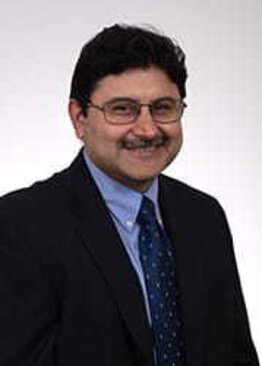
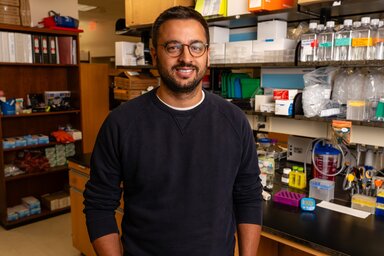
Shikhar Mehrotra, Ph.D.
Dr. Shikhar Mehrotra completed his Ph.D. in Immunology in India and post-doctoral fellowship at the University of Connecticut Health Center in Farmington, CT. He joined MUSC in 2006, where his research focuses on understanding T cell biology for improving immunotherapy of cancer.
Dr. Mehrotra has held numerous leadership roles at MUSC alongside his highly productive research career. He is currently the co-scientific director of Oncology and Immunotherapy Programs for the Center for Cellular Therapy, an FDA registered cGMP level facility with capabilities ranging from immunomonitoring of patient samples to manufacturing of cellular products for immunotherapy. He has served on the College of Medicine’s Research Oversight Committee since its inception in 2020.
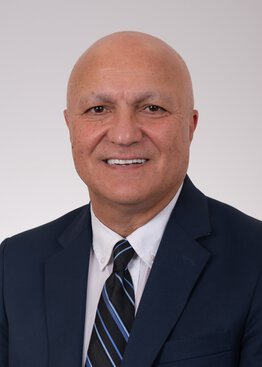
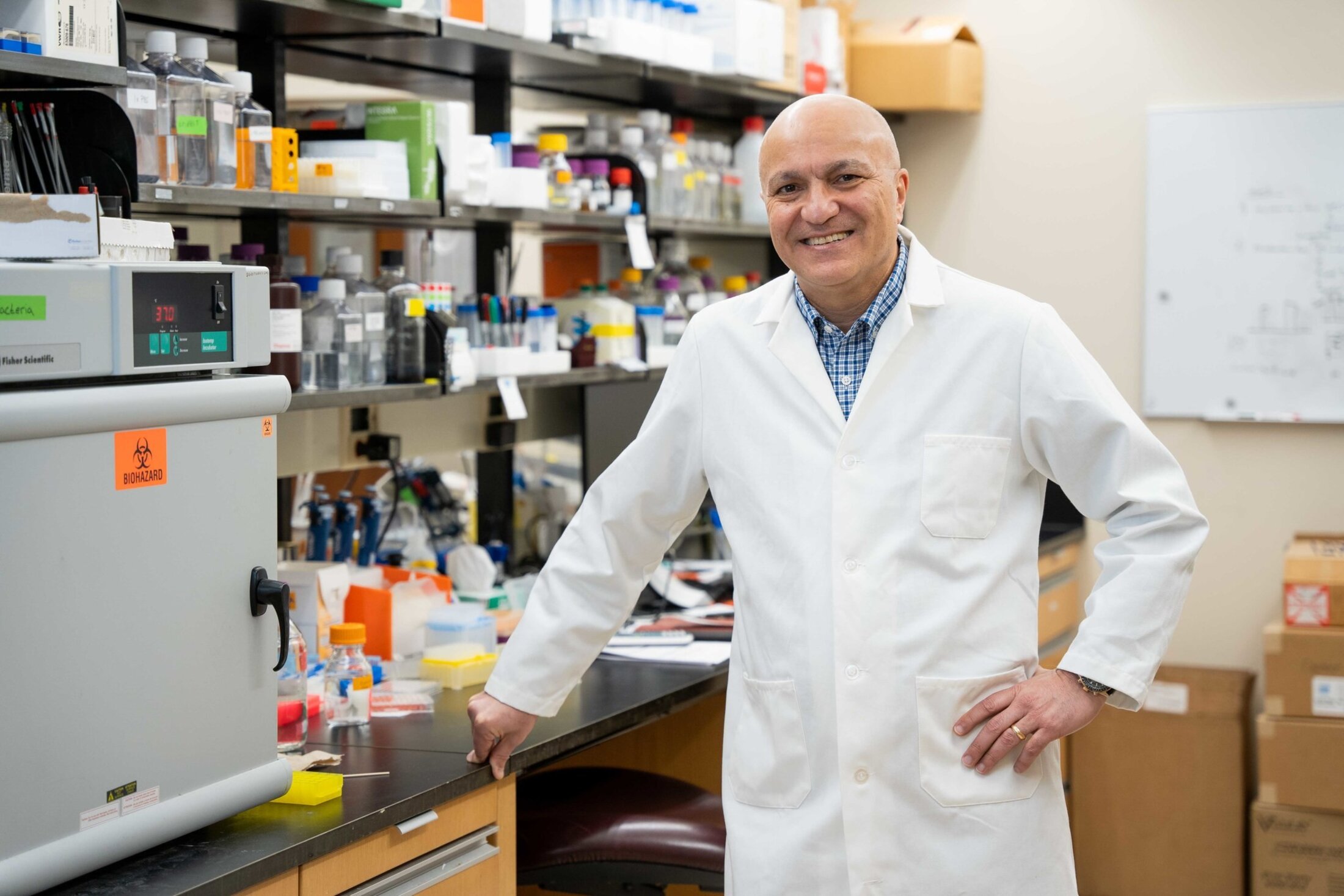
Besim Ogretmen, Ph.D.
Besim Ogretmen, Ph.D., is a professor of Biochemistry and Molecular Biology and the SmartState Endowed Chair of Lipidomics and Drug Discovery. An internationally renowned investigator, Ogretmen has over 25 years of experience in cancer research, specializing in the field of lipid signaling and metabolism. In his associate director role, Ogretmen integrates fundamental discoveries across multiple discipline areas, helping to accelerate translational advances into the clinic. His overall goal is to improve survival outcomes of cancer patients by developing collaborative/team science-based research projects between basic and clinical researchers.
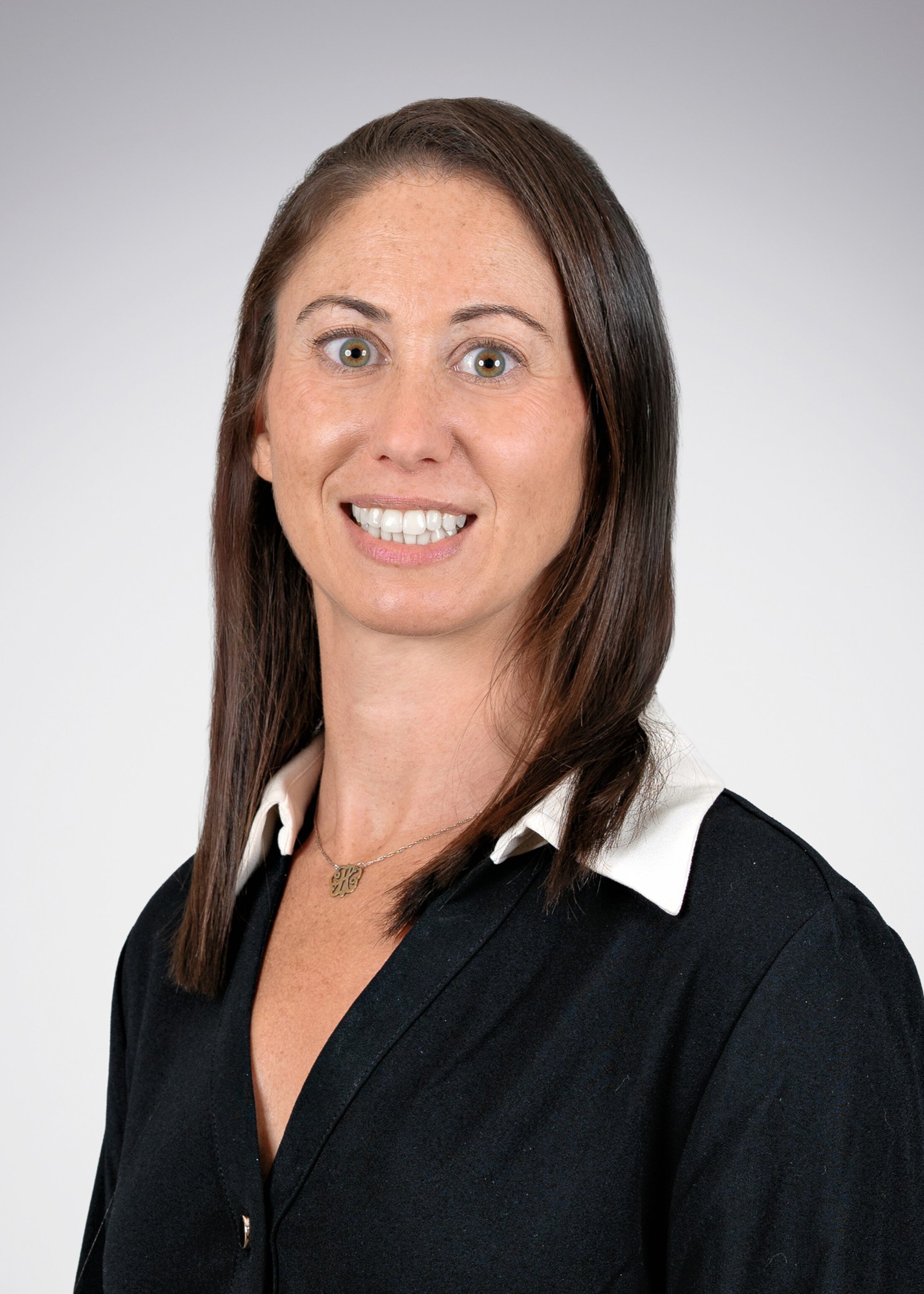
Hayley Kamin
Communications Manager
Hayley Kamin is the communications manager for the Hollings Cancer Center Communications and Marketing team, having joined the team in 2025 after three years as a communications specialist at the National Institutes of Health (NIH). As a science communicator with a Ph.D. from the University of Florida, she has extensive experience translating complex research into clear, engaging content. Her career has included roles at the NIH’s National Institute of Mental Health and the American Psychological Association, where she led content development and editorial strategy, developed science and health communications and worked with researchers and clinicians to strengthen public understanding of research.
Contact Hayley at kamin@musc.edu.
Recent Cancer Research stories