As an NCI-designated cancer center, our goal isn't simply to deliver the standard of care. It's to bring tomorrow's treatments to patients today.


There are more than 1,350 hospitals across the U.S. that treat cancer, but only 5 percent have achieved National Cancer Institute (NCI) designation – including MUSC Hollings Cancer Center, the only NCI-designated cancer center in South Carolina.
The institutions in this elite group of just 74 cancer centers across the country are recognized for their scientific leadership and excellence in cancer research. The innovative research at these centers drives new treatments that improve outcomes and quality of life for patients.
NCI designation is the nation's highest recognition for cancer centers and reflects excellence in cancer research, patient care, prevention and community impact.
To maintain this designation, centers undergo a rigorous review every five years to ensure they continue to meet the highest standards of innovation and impact.
For South Carolinians, having an NCI-designated cancer center means access to:
Cancer care is changing rapidly, with new therapies transforming how many cancers are prevented, diagnosed and treated. Clinical trials play a critical role in bringing these advances to patients. As South Carolina’s only NCI-designated cancer center, Hollings offers access to innovative clinical trials and emerging therapies that may not be available elsewhere in the state, providing patients with additional options while helping shape the future of cancer care.
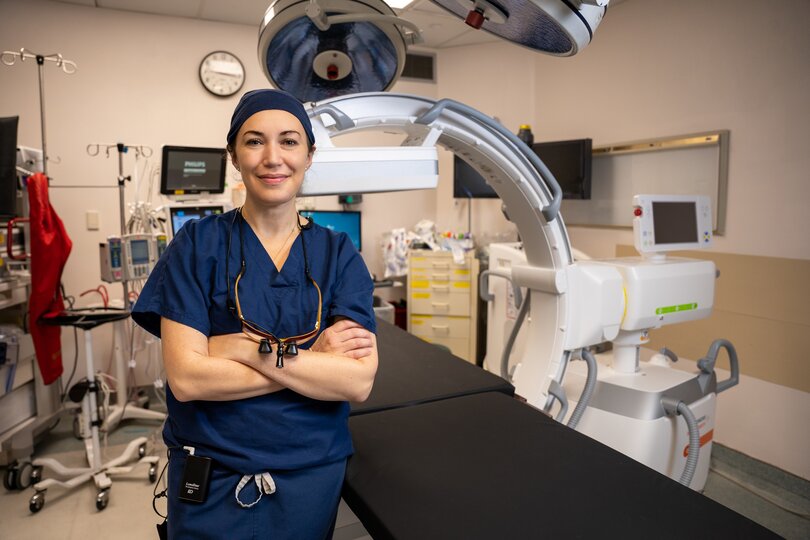
Hollings provides expert care for both common and rare cancers through multidisciplinary teams that bring together specialists from across cancer care and research. Patients with rare or complex cancers have access to advanced treatments and technologies that are not widely available, including total skin electron beam therapy and Gamma Knife radiosurgery. This collaborative approach ensures that every patient benefits from the collective expertise needed to develop the most effective treatment plan.
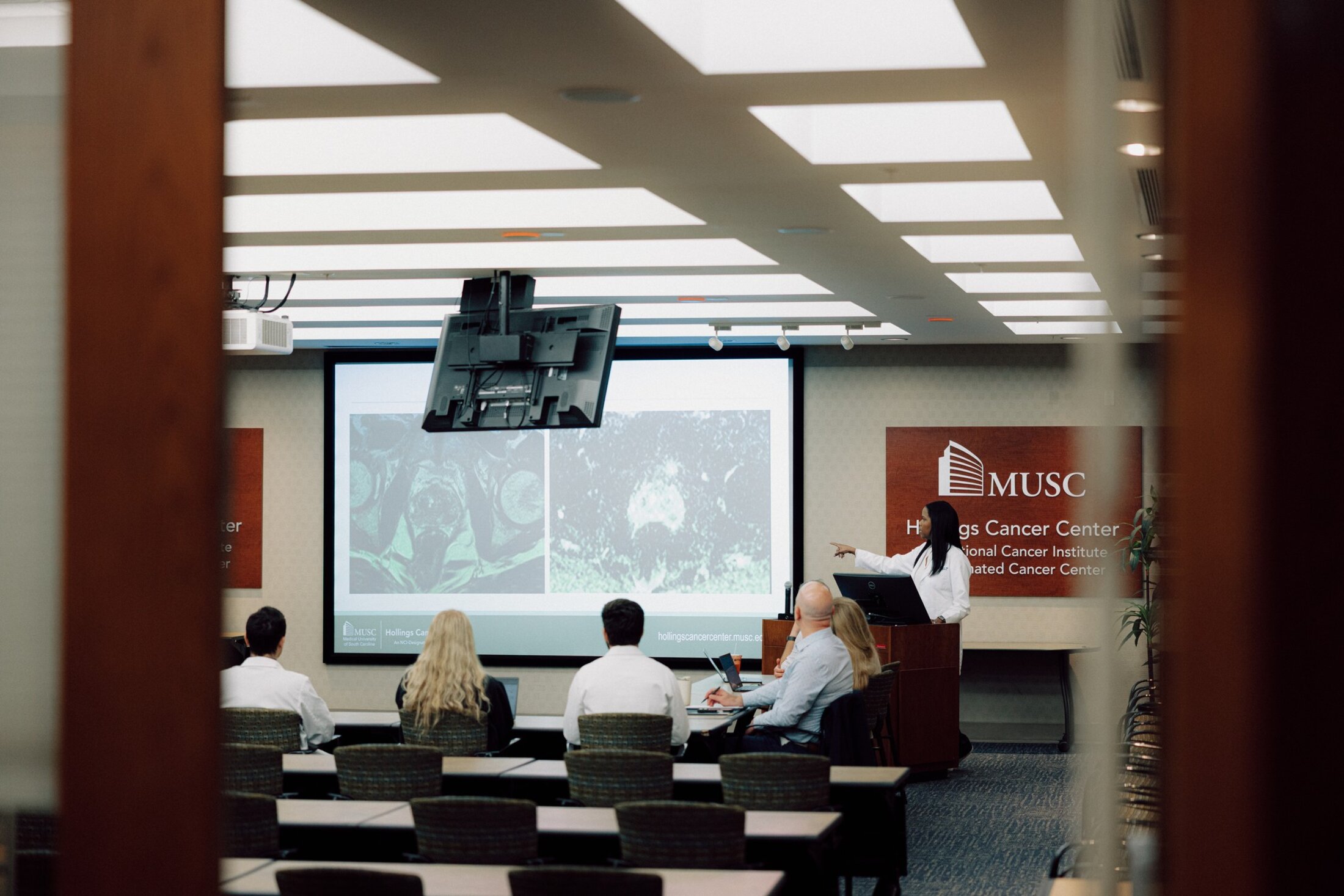
Our researchers are deeply committed to improving the health of South Carolinians because they live, work and raise their families here. At Hollings, clinicians, laboratory scientists and population researchers work together to identify and address the state's most pressing cancer challenges.
When physicians recognize a common concern affecting their patients, they can partner with researchers to develop new clinical trials, prevention strategies and innovative care approaches tailored to the needs of South Carolinians. Population scientists help identify cancer burdens and disparities across the state, ensuring research efforts are focused where they can have the greatest impact.
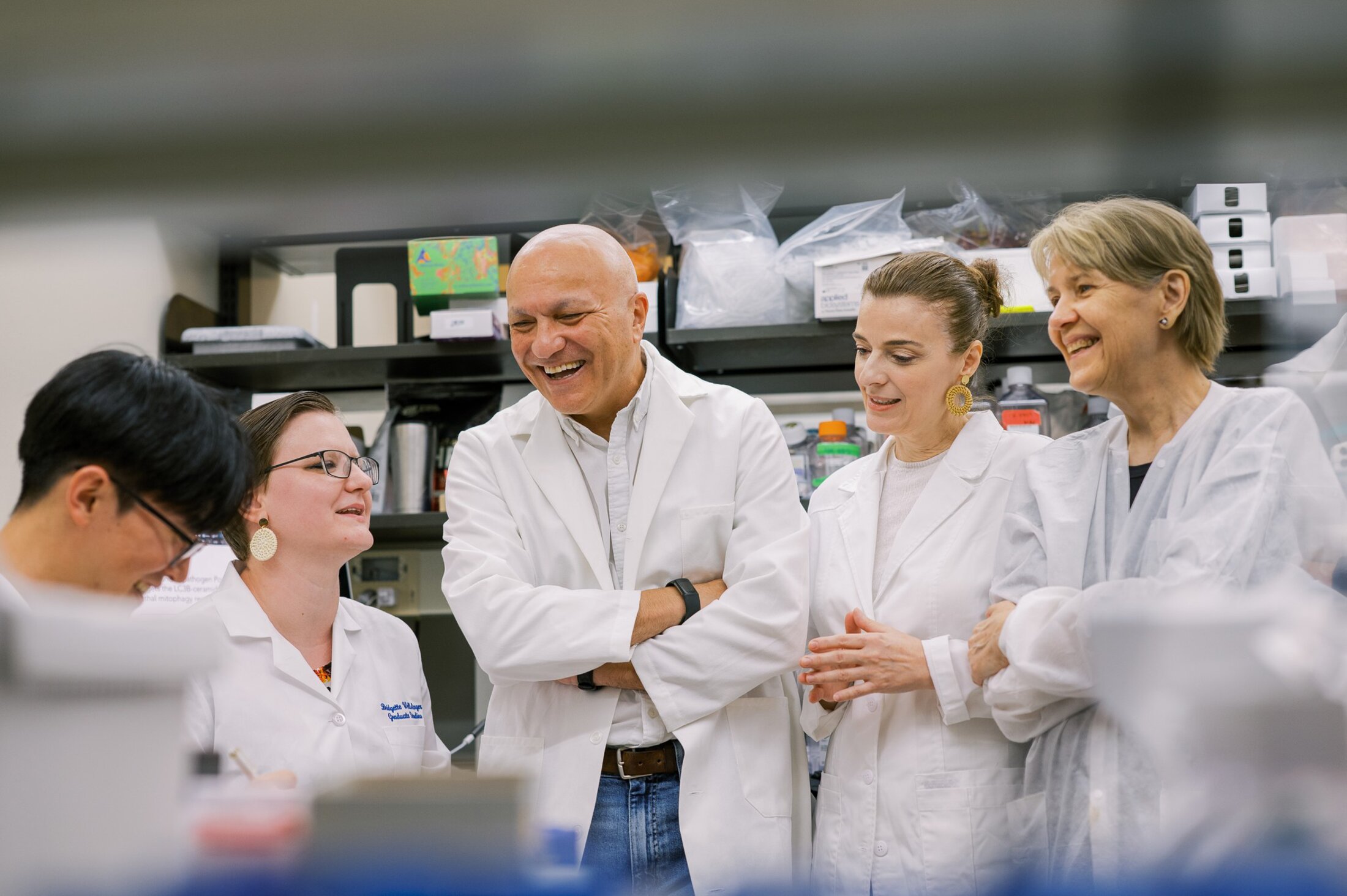
At Hollings, our physicians do more than apply the latest discoveries. They help generate the evidence that drives the next generation of cancer prevention, diagnosis and treatment. As leaders in national research efforts and clinical trials, they contribute to the studies that shape future standards of care. This close connection between research and patient care allows us to bring promising advances to patients sooner and continuously incorporate the latest evidence into the care we provide.
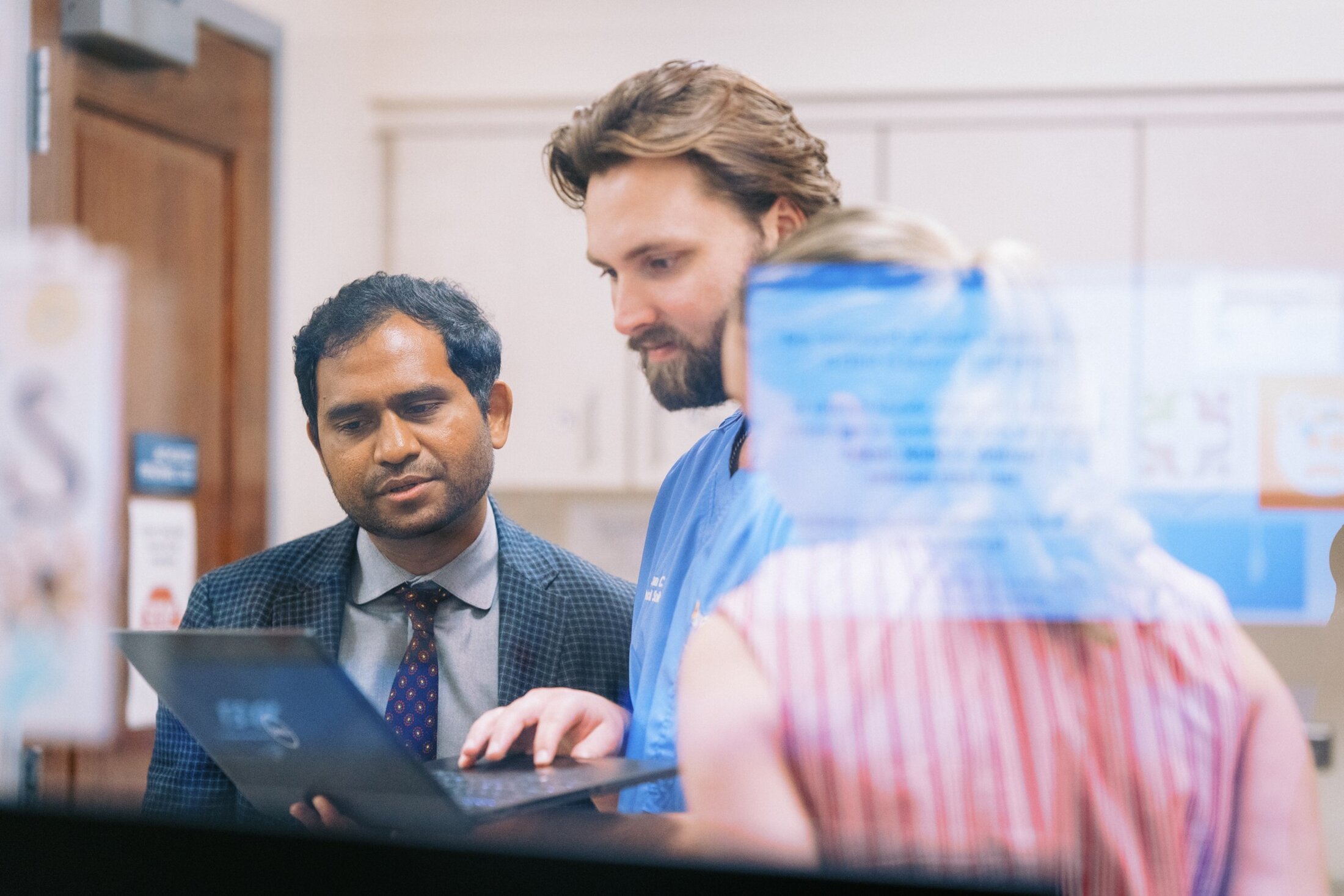
NCI designation helps Hollings attract and retain leading physicians, scientists and cancer specialists who are committed to advancing cancer care and research. These experts bring cutting-edge knowledge, innovative treatments and nationally recognized expertise to South Carolina. Through MUSC's statewide network and partnerships, patients across the state can access high-quality cancer care, clinical trials and specialized services closer to home.
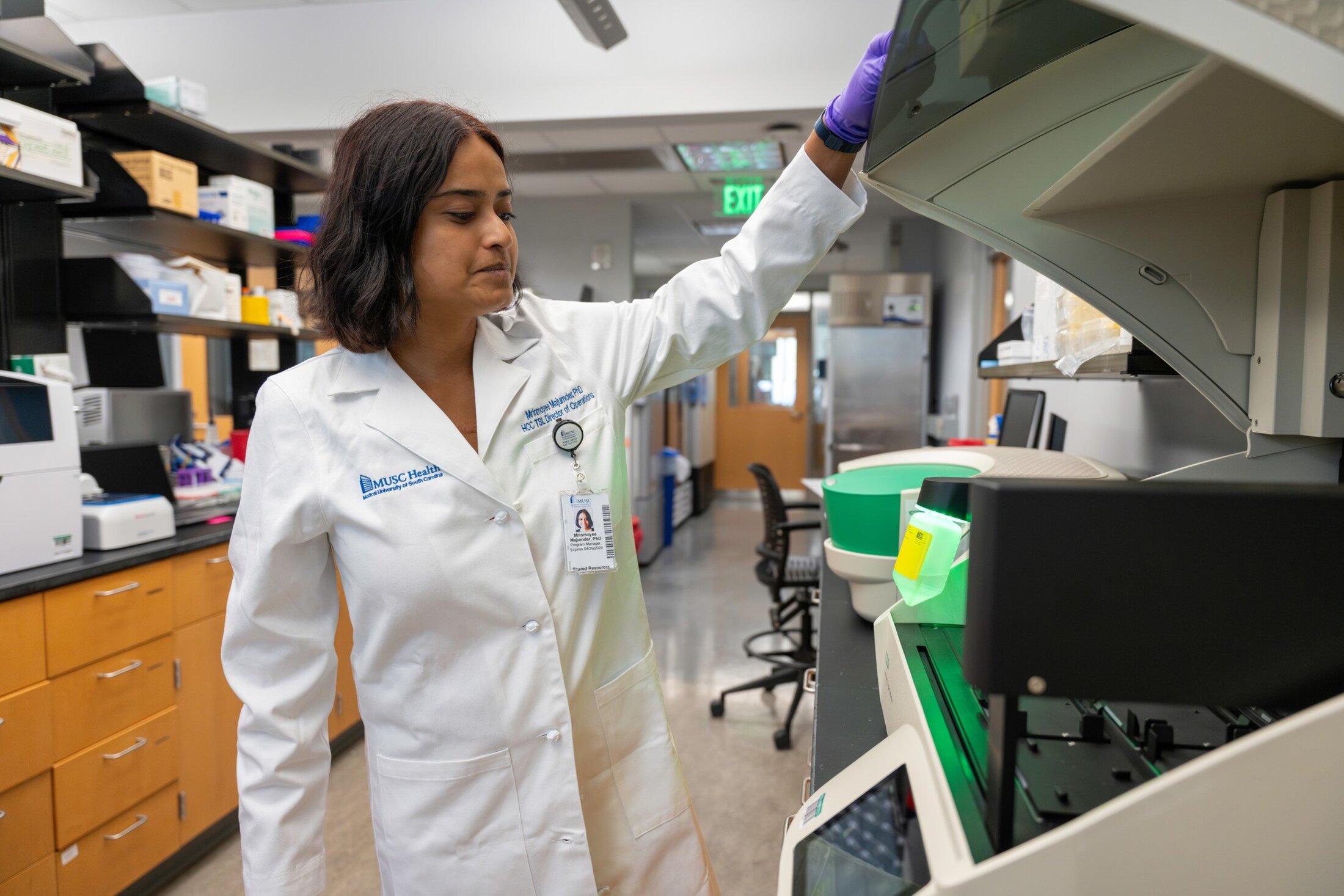
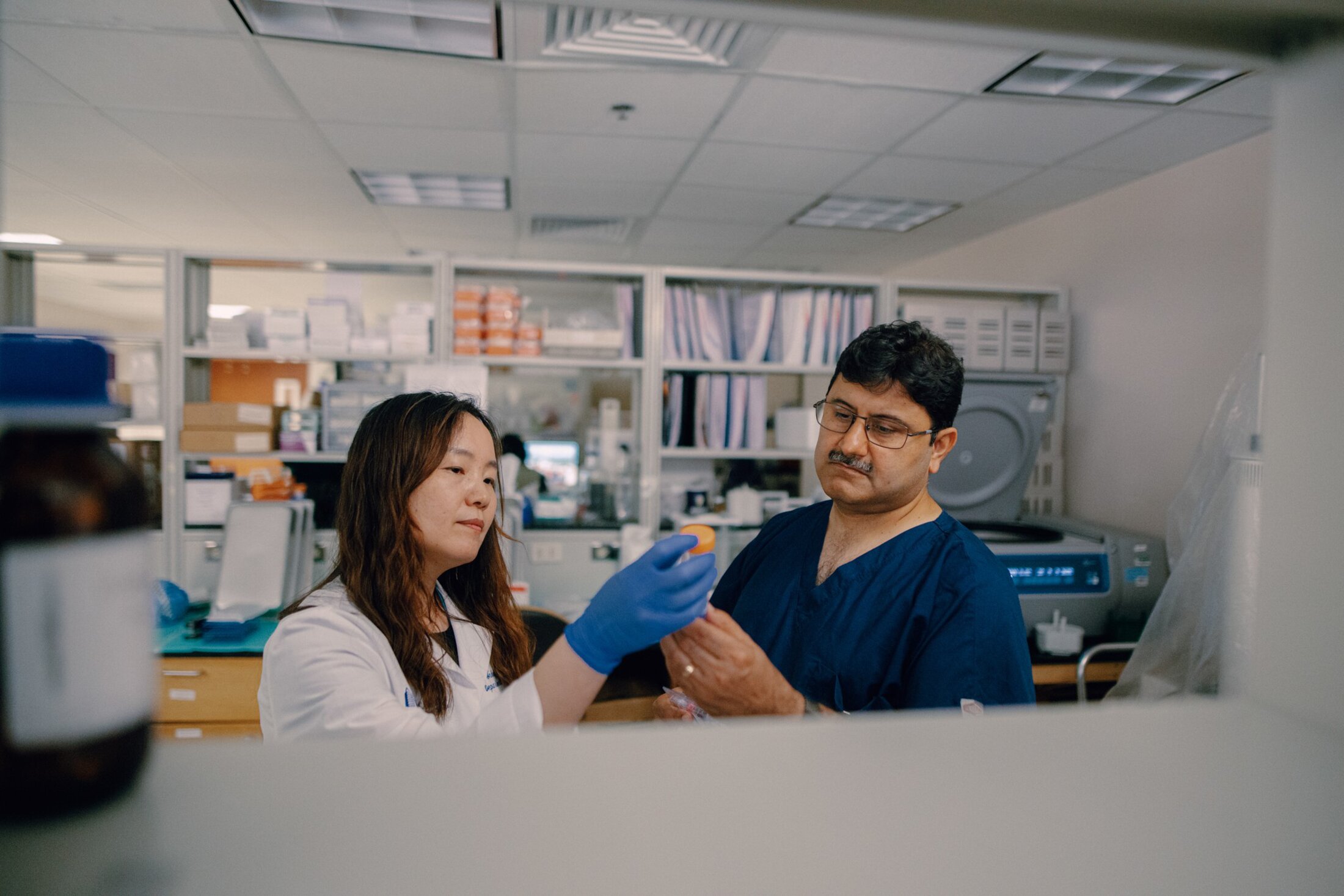
NCI-designated cancer centers are committed to translating research in the lab into care in the clinic. By combining world-class research with exceptional clinical care, they ensure that discoveries reach the patients who can benefit from them.
These centers:
As an NCI-designated cancer center, our goal isn't simply to deliver the standard of care. It's to bring tomorrow's treatments to patients today.
Hollings is an NCI-designated clinical cancer center, with the goal of achieving comprehensive cancer center status during its 2028 review cycle.
Under the leadership of director Raymond N. DuBois, M.D., Ph.D., Hollings has developed a strategic plan with the goal to reach comprehensive cancer center designation. Initiatives under this plan include:
Comprehensive cancer center designation would affirm the strength of the research happening at Hollings. Cancer centers with this designation are eligible for additional funding from the National Cancer Institute, allowing them to recruit more top-tier physicians and scientists, launch new research initiatives and offer more clinical trials.
For South Carolinians, that means greater access to advanced cancer care and more studies focused on the unique needs of people in the state.
The pursuit of NCI comprehensive cancer center status and the development of the new cancer hospital are separate initiatives, but each strengthens the other.
The new hospital will expand capacity for early-phase clinical trials, giving patients greater access to the newest and most promising therapies. It will also foster closer collaboration between researchers developing innovative treatments, including cellular therapies, and the physicians delivering those advances to patients.
Once clinical services move into the new hospital, space in the existing Hollings facility will be repurposed for expanded research laboratories, supporting further growth in cancer research and discovery.
