Cancer Biology & Immunology
Identifying the basic mechanisms that regulate cancer cell biology and the anti-tumor immune response.


Explore our innovative labs and connect with a diverse network of cancer researchers dedicated to advancing cancer prevention, treatment, and cures.
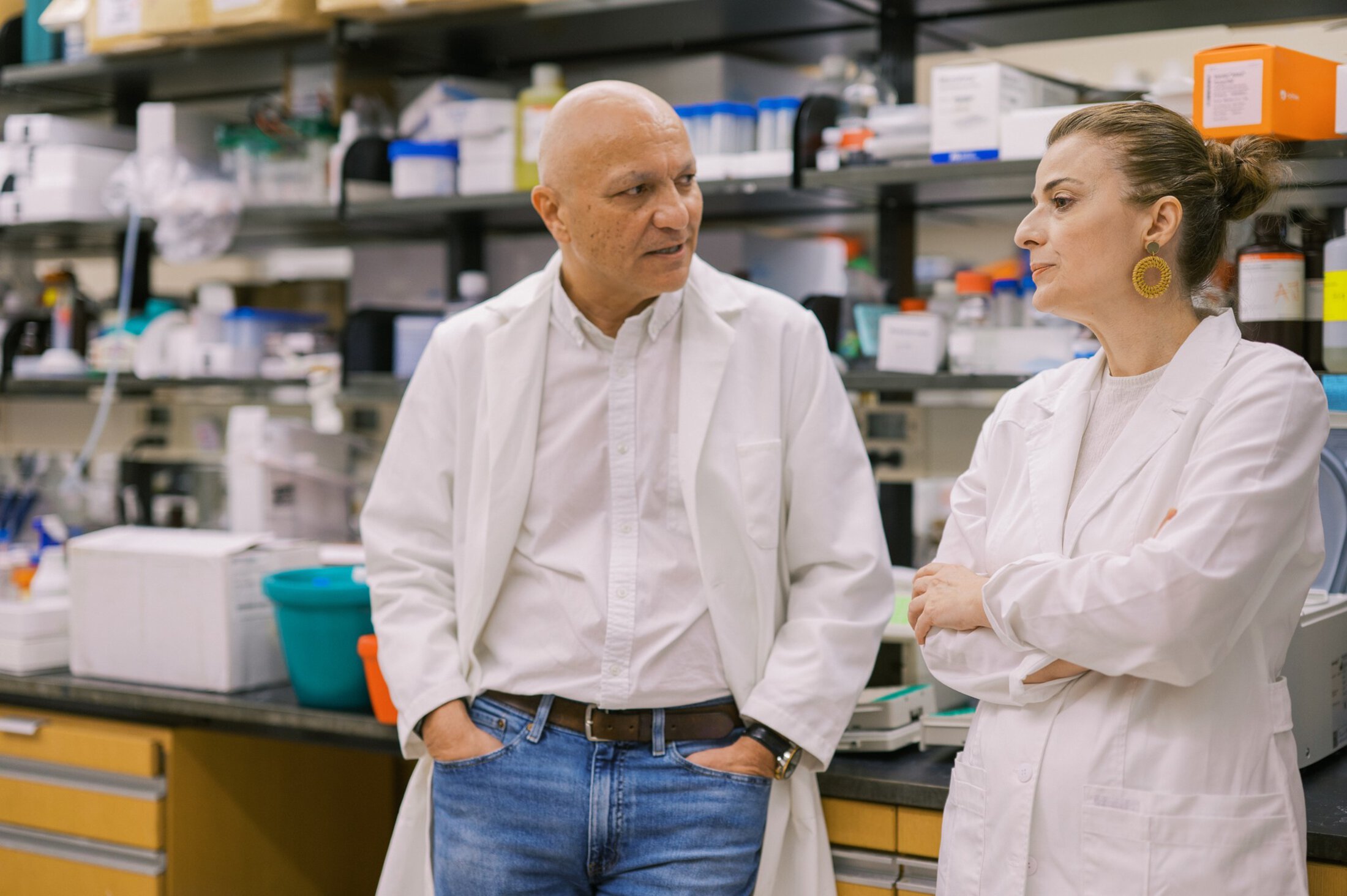
Angel Lab
The Angel Lab works on approaches to understand extracellular matrix proteins in large clinical cohorts as prognostic and diagnostic markers in disease.
Behavioral Health Innovations Lab
The Behavioral Health Innovations Lab, led by Dr. Jennifer Dahne, aims to develop better methods to study behavioral health and create treatments that improve well-being. It focuses on expanding access to evidence-based care for smoking and vaping cessation and depression management.
Berto Lab
The Berto Lab is focused on understanding the gene regulatory mechanisms that contribute to neuropsychiatric and neurodevelopmental disorders and how these complex regulatory mechanisms have evolved in the human lineage at the cell-type level.
Body Image Research Program
The Body Image Research Program seeks to improve quality of life for head and neck cancer survivors through the development of novel interventions to prevent and treat head and neck cancer-related body image disturbance.
Caraballo Galva Lab
The Caraballo Galvo Lab aims to develop next-generation synthetic switches and engineering tools that accelerate the clinical translation of CAR-T cell therapies and make them safer and more effective against solid tumors.
Delaney Lab
The Delaney Lab explores how copy-number alterations (CNAs) - gains or losses in gene dosage - contribute to cancer development and progression.
Dolloff Lab
The Dolloff Lab conducts research spanning nearly the entire continuum of preclinical drug development from high throughput drug screening (HTS) and lead optimization through early toxicology.
Drake Lab
The Drake Lab studies the glycocalyx, which becomes significantly altered in disease processes like cancer and inflammation, and is thus a rich source of potential biomarker molecules.
Eblen Lab
The Eblen Lab studies molecular mechanisms of ERK signaling in cancer biology through studying the biological effects of downstream substrates.
A. Engevik Lab
The A. Engevik Lab studies the molecular motor Myosin Vb, which is responsible for proper delivery of proteins to the apical membrane of epithelial cells.
M. Engevik Lab
The M. Engevik Lab has 2 main focuses: (1) how commensal microbes beneficially modulate the mucus layer and host health; and (2) how pathogens colonize and subvert the mucus layer to cause infection.
Ferreira Lab
The Ferreira Lab studies regulatory T cells (Tregs) and uses synthetic biology, including engineered immune receptors such as CARs, to better understand and control immune responses, with the goal of developing targeted cell therapies for autoimmune diseases, transplant rejection, cancer, aging, and regenerative medicine.
Gudi Lab
The Gudi Lab studies the fundamental cellular regulatory mechanisms of vesicular transport in the context of cell surface receptor homeostasis, inflammation, centriole duplication and tumor prevention.
Guglietta Lab
The Guglietta Lab studies how the interplay of intestinal immune responses and microbiome affect the development of diseases in the gastrointestinal tract as well as at distal sites.
Han Lab
The Han Lab studies epithelial–mesenchymal interactions in pancreatic homeostasis and tumorigenesis, with a focus on how cancer‑associated fibroblasts (CAFs) - which expand dramatically within the tumor stroma - originate, diversify, and influence tumor development.
Hartman Lab
The Hartman Lab investigates why individuals respond differently to chemical exposures, focusing on the critical role of metabolism in shaping these varied outcomes.
Haque Lab
The Haque Lab conducts research in the areas of cancer immunology, inflammation, and neurodegeneration.
Jimenez Sainz Lab
The Jimenez Sainz Lab studies DNA repair proteins and the functional and cellular localization alterations of their genetic variants, with a focus on understanding the underlying mechanisms that lead to various diseases, including cancer.
Kourtidis Lab
The Kourtidis Lab investigates how cadherin complexes at epithelial adherens junctions recruit RNA interference machinery and diverse RNA-binding proteins, mRNAs, miRNAs, and non-coding RNAs.
Long Lab
The Long Lab seeks to understand how BRCA1 and other chromatin regulators mediate interactions between different biological processes as they compete for access to DNA.
Mehrotra Lab
The Mehrotra Lab focuses its translational research on understanding T cell biology for improving immunotherapy for cancer.
Mehta Lab
The Mehta Lab is developing tools for the analysis of complex carbohydrates and the discovery and validation of biomarkers of hepatocellular carcinoma.
Mulholland Lab
The Mullholland Lab focuses on K+ channels and their role in modulating plasticity of glutamatergic synapses and intrinsic excitability associated with alcohol drinking and dependence and stress experiences.
Mysona Lab
The Mysona Lab uses human-centered experimental models including patient-derived organoids, tumor spheroids, and microfluidic systems together with machine learning and artificial intelligence analysis of single-cell, spatial, and multi-omic datasets to decipher the immune microenvironment and therapeutic vulnerabilities of endometrial cancer.
O’Bryan Lab
The O’Bryan Lab focuses on understanding the regulation of cellular signaling pathways and how alterations to these pathways contribute to cancer.
Paczesny Lab
The Paczesny Lab studies proteomics/biomarkers for complications post allogeneic Hematopoietic Stem Cell Transplantation (HSCT).
Pandey Lab
The Pandey Lab works toward understanding the mechanisms underlying the involvement of immunoglobulin Fc (GM) and Fc gamma receptor genes in immunity to various neurological, malignant, and infectious diseases.
Rosenzweig Lab
The Rosenzweig Lab studies growth factor dysregulation in disease; in particular, the Insulin-like Growth Factor (IGF) System and its role in head and neck cancer.
Sahin Lab
The Sahin Lab focuses on elucidating the molecular mechanisms of cancer therapeutics, drug resistance, and metastasis, mainly in breast cancer, as well as developing and pre-clinical testing of novel anti-cancer therapeutics that are easily translatable to clinics.
Saini Lab
The Saini Lab seeks to define “normal” and “pathological” levels of genome instability and determine what role environmental and genetic factors play in shaping somatic genomes.
Spencer-Smith Lab
The Spencer-Smith Lab works to uncover new vulnerabilities in the RAS-MAPK pathway through the study of rare disease-associated mutations therein.
Sprague Lab
The Sprague Lab focuses on illuminating novel, or understudied, signaling and biosynthesis pathways and then designing, synthesizing, and optimizing new small molecules that target key points within these pathways.
Team IMPACT
Team IMPACT (Innovative Methods, Products, And Cessation Tools) is a multi-PI laboratory whose goal is to improve tobacco cessation methods and develop better strategies and tools to help patients reduce or eliminate nicotine dependence.
Tew Lab
The Tew Lab is interested in post-translational S-glutthionylation, which changes the structure and function of a variety of critical signaling proteins.
Thoracic Oncology Research Group
The Thoracic Oncology Research Group is involved in research directed towards nearly every aspect of lung cancer.
Vasu Lab
The Vasu Lab studies gut microbiota–host interactions in autoimmunity, engineers immune and stem cells for therapy, and investigates cellular mechanisms of vesicular transport, tumorigenesis, and viral propagation.
Voelkel-Johnson Lab
The Voelkel-Johnson Lab investigates the molecular and biochemical mechanisms that drive cancer cell survival, stress responses, and resistance to therapy, with a particular focus on sphingolipid signaling pathways.
Wang Lab
The Wang Lab focuses on elucidating the functional roles of cyclin/CDK and metabolic proteins in both cancer cells and tumor infiltrating lymphocytes (TILs).
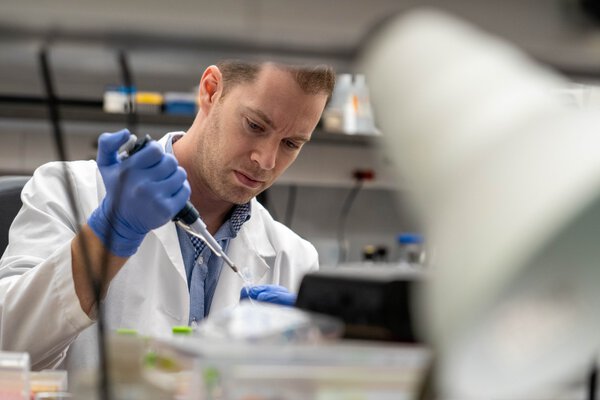
Identifying the basic mechanisms that regulate cancer cell biology and the anti-tumor immune response.
Using population-based research to reduce cancer incidence and death in South Carolina and beyond.
Advancing clinical research to translate laboratory discoveries into new treatments for patients.