Jaya Sai Chavali, M.D., MBBS
Specialties
- Urology
- Prostate Cancer
Locations (3)
- Charleston, SC
- Mount Pleasant, SC
- Orangeburg, SC



Genitourinary cancers affect the urinary system and male reproductive organs, including the prostate, bladder, kidneys, testicles and related structures.
At MUSC Hollings Cancer Center, patients receive highly specialized care for all types of genitourinary cancers, tailored to their specific diagnosis and delivered by a team with deep expertise in these diseases.
Whether you are newly diagnosed or seeking a second opinion, our team works with you to develop a personalized treatment plan based on your specific cancer type and stage and individual health needs.
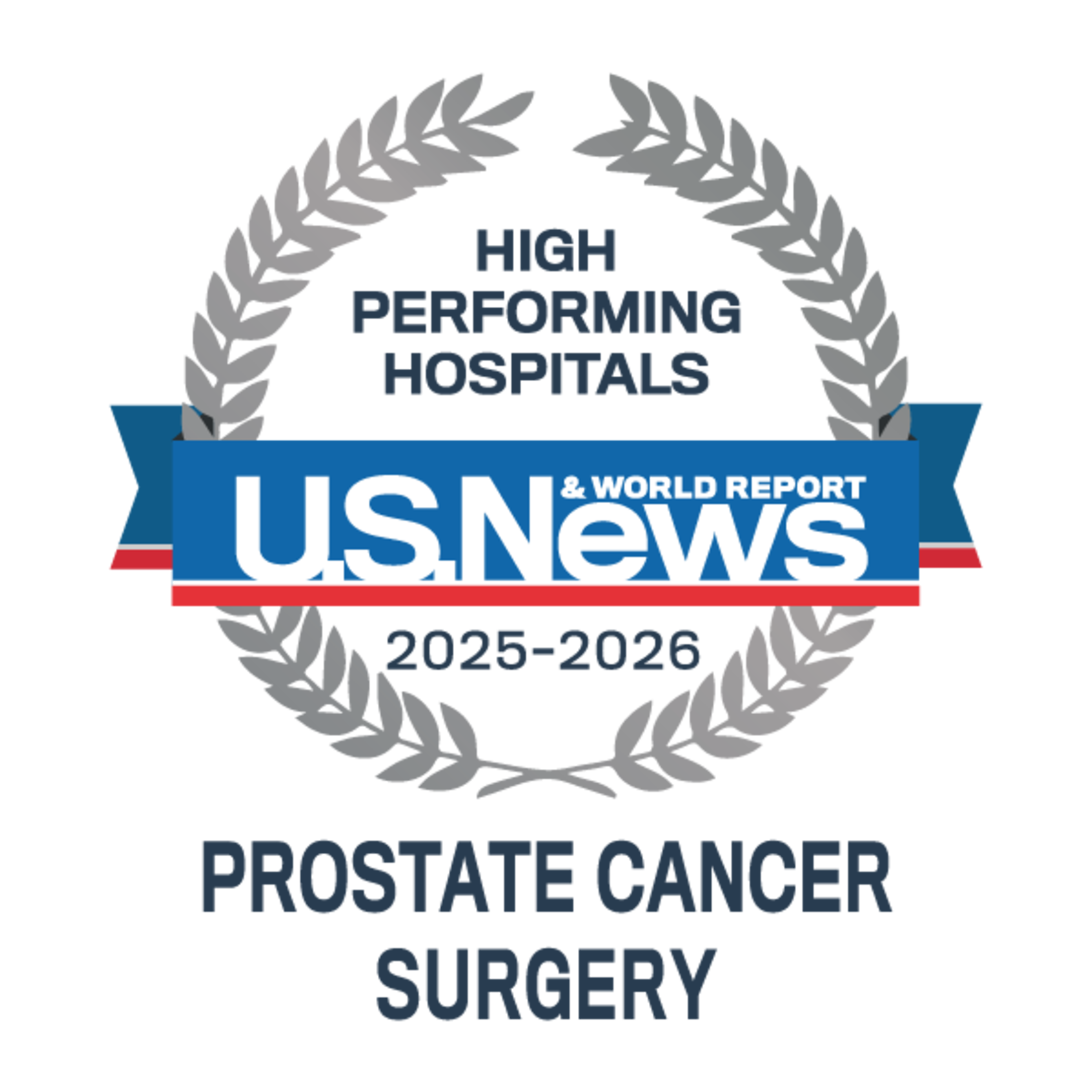
MUSC Hollings Cancer Center has been recognized as High Performing in Prostate Cancer Surgery in the 2025–2026 U.S. News & World Report rankings. This honor reflects our skilled team's use of cutting-edge treatments that deliver better outcomes.
At Hollings, our genitourinary cancer program brings together specialists from across disciplines, including urology, medical oncology, radiation oncology, radiology and pathology. This multidisciplinary team meets regularly to review each case and ensure that every patient benefits from a full range of expert perspectives.
This collaborative approach allows us to offer coordinated, comprehensive care at every step from diagnosis through treatment and survivorship.
Hollings offers some of the most advanced diagnostic tools to identify and treat genitourinary cancers. These technologies help to guide treatment decisions and ensure the most effective approach for each patient.
Thanks to breakthroughs in cancer medicine, we are able to offer a variety of treatments for genitourinary cancers. Depending on your diagnosis, your care plan may include:
Our goal is to treat the cancer effectively while preserving quality of life whenever possible.
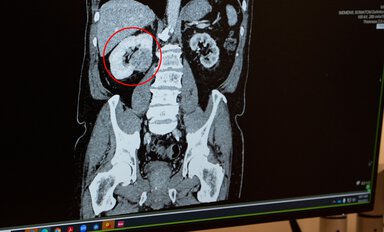
Our imaging equipment includes a 128-slice CT scanner, 3 Tesla MRI and PET imaging, allowing for precise detection, diagnosis and monitoring of genitourinary cancers.
Depending on your individual needs and diagnosis, our surgeons offer a range of surgical approaches. Hollings is at the forefront of laparoscopic and endoscopic techniques for surgeries that have previously been done via a full open incision. These minimally invasive techniques allow for more precise surgeries with less damage to surrounding tissues, which generally means quicker recovery time and less pain.
Many of our surgeons are trained in the use of the da Vinci Surgical System, a robot that helps to increase surgical precision. We are the only health care system in South Carolina to offer robotic surgery, single-port surgery and retropubic surgery for prostate cancer.
In a single-port surgery, the robot has only one arm, which means the patient needs only one incision. The surgical instruments and camera are inserted through the single port. A single incision means the surgery can often be performed as an outpatient procedure when appropriate, and the patient may experience less pain, faster recovery time and an almost invisible scar.
Similar advanced surgical techniques are used across other genitourinary cancers, including kidney and bladder cancers, with an emphasis on precision and preservation of function whenever possible.
Among the latest techniques for treating tumors while preserving surrounding tissue, we offer NanoKnife, high-intensity focused ultrasound, cryotherapy and brachytherapy for select genitourinary cancers.
To refer a prostate and genitourinary cancer patient to Hollings, please call 843-985-3972.
Our prostate and genitourinary cancer nurse navigators will help you understand what to expect during treatment and answer questions you may have. Brigitte Kettering, MSN, RN, OCN (ketterin@musc.edu), supports prostate cancer patients and Kristin Powers, BSN, RN (powmeekk@musc.edu), supports all other genitourinary cancer patients.
According to the American Cancer Society, prostate cancer is the second leading cause of cancer death in American men. About 200,000 men in the U.S. are diagnosed with prostate cancer each year. Prostate cancer has a high cure rate when found in early stages, so detecting it before it has spread is very important.
According to guidelines from the American Urological Association, men should talk with their doctor about receiving a Prostate Specific Antigen (PSA) test at the age of 55. If you’re at a higher risk, including having family history or being African American, earlier tests may be necessary. The PSA blood test is easy for your physician to obtain, and the results come back quickly. This test looks at the PSA levels in your blood to help detect the possibility of cancer. Elevated PSA levels may be a sign of prostate cancer, but many other things can also affect your PSA level.
The digital rectal exam (DRE) is another form of screening. A DRE is a very nonspecific and nonsensitive test and is often combined with the PSA test. If your PSA is elevated for your age and/or something is abnormal with your digital rectal exam, this leads to further investigation. Often, you would receive a referral to a urologist who would discuss the pros and cons of proceeding with further workups such as an MRI or a biopsy.
Hollings’ world-renowned doctors and researchers are pushing what is possible in the treatment of prostate and genitourinary cancers. Using state-of-the-art technology and team science, Hollings is shaping the future of cancer medicine through ongoing research.
Some recent projects include:
In addition, Hollings’ dedicated Prostate Transdisciplinary Cancer Team brings together expertise from different disciplines in basic and clinical research for monthly meetings to collaborate on ongoing prostate cancer research.
As South Carolina’s only NCI-designated cancer center, Hollings offers you clinical trials and treatments that aren’t available anywhere else in the state. These opportunities provide you with access to the latest medications, therapies, and surgical techniques that can improve your outcomes. Learn more about clinical trials at Hollings and see our current genitourinary and prostate cancer clinical trials.
I hope my story can encourage other men to get prostate cancer screenings and possibly save a life. Every life is important. These men represent somebody’s father, husband, brother and an important community member.