Cancer Research + Pediatric Cancer Care Research
New research uncovers potential treatment target for aggressive childhood cancer


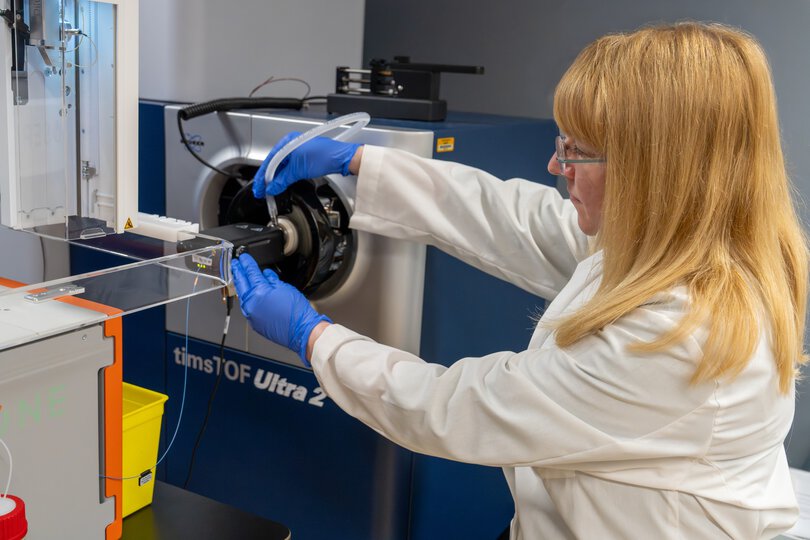
The Developmental Cancer Therapeutics Research Program at MUSC Hollings Cancer Center focuses on discovering and characterizing important cancer-specific metabolic and stress pathways, identifying novel therapeutic agents, and translating mechanism-based discoveries into effective cancer therapies. Cancer-specific metabolic networks and stress pathways provide targets for diagnostic or prognostic biomarker discovery and for therapeutic intervention.
These goals are realized through a multi-level approach that includes monthly program meetings, program-specific seminars, transdisciplinary research teams, intramural funding and training opportunities, investments in existing and new shared resources, and targeted recruitment of faculty.
The Developmental Cancer Therapeutics Research Program membership consists of 45 basic and clinical scientists drawn from 11 departments distributed across MUSC’s Colleges of Medicine and Pharmacy.
Thematically, it is organized around these aims:
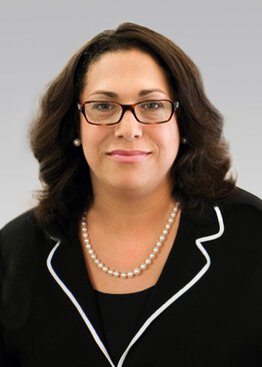
Nancy Klauber-DeMore, M.D. is the Director, Medical Scientist Training Program; Co-Leader Developmental Cancer Therapeutics, Hollings Cancer Center and the BMW Endowed Chair in Cancer Research at the Medical University of South Carolina. Dr. Klauber-DeMore has extensive research experience in developing new therapies for breast cancer that have led to clinical advances in patient care, particularly for those with metastatic disease. She has been a principal or co-investigator on more than 30 active and completed clinical trials and has contributed to five patents or patents pending. She is also developing novel surgical devices to aid in breast surgery.
Dr. DeMore is also a physician-scientist with extensive research experience in developing new therapies for breast cancer. For more than 25 years, she has investigated tumor angiogenesis. Her lab focuses on discovering novel factors that stimulate the growth of new capillary blood vessels that provide tumors with oxygen and nutrients with a goal of developing new drugs to block these factors, therefore inhibiting tumor growth.
Dr. DeMore received her medical degree from the University of Health Sciences/The Chicago Medical School. She then completed General Surgery Residency at Boston University, followed by a surgical research fellowship at Children’s Hospital, Harvard Medical School, and a Surgical Oncology Fellowship at Memorial Sloan-Kettering Cancer Center.
The focus of my research is on defining new vulnerabilities in the RAS oncoprotein. Although RAS has been studied for more than 40 years, pharmacologics targeting oncogenic KRAS have been difficult to develop. While great strides have been made in recent years in developing anti-RAS therapeutics, leading compounds target only a single oncogenic mutant, KRAS(G12C) which represents only 15% of oncogenic KRAS mutants in human cancers. My laboratory employs Monobody technology to discover new vulnerabilities in RAS that can be targeted for therapeutic inhibition.