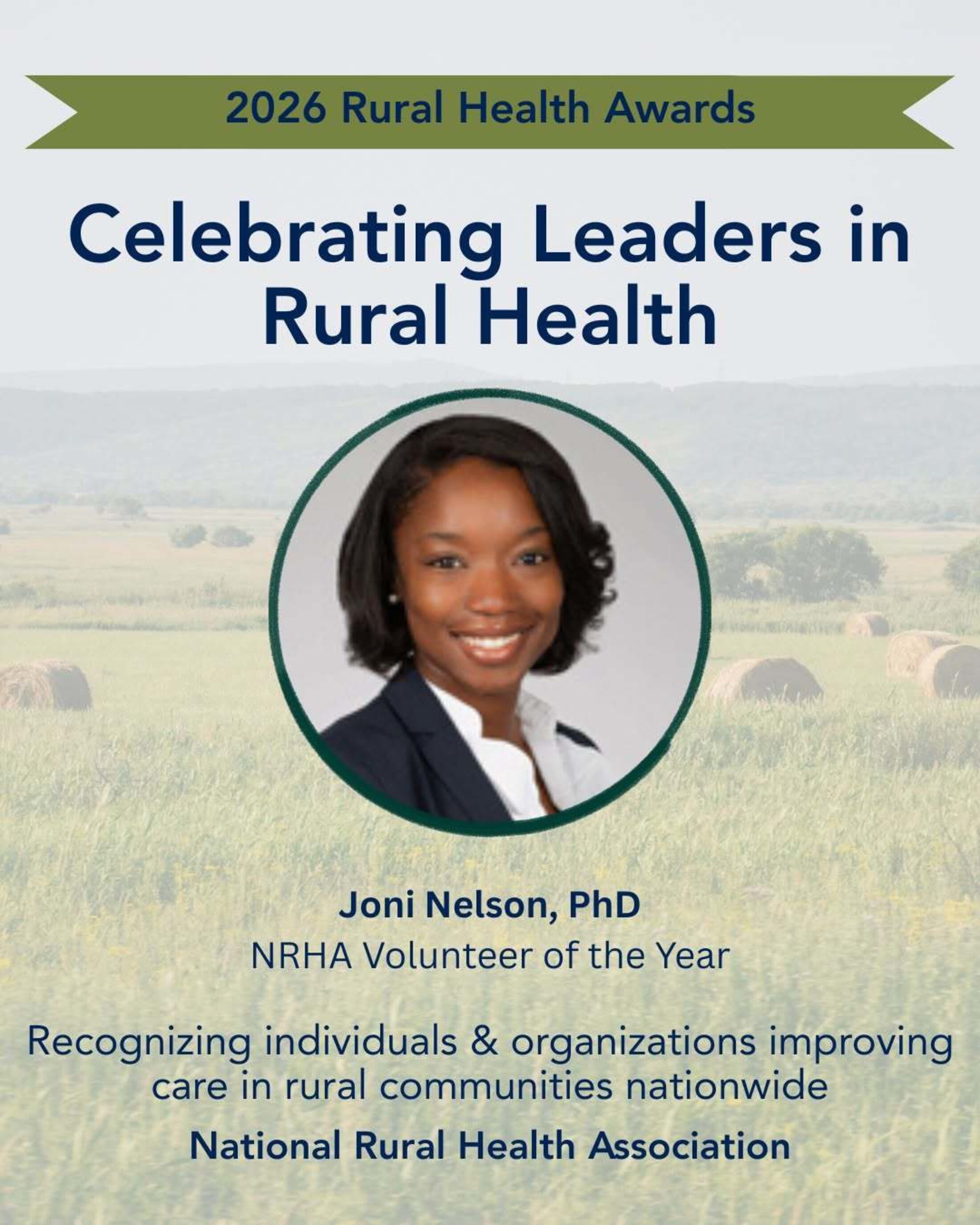
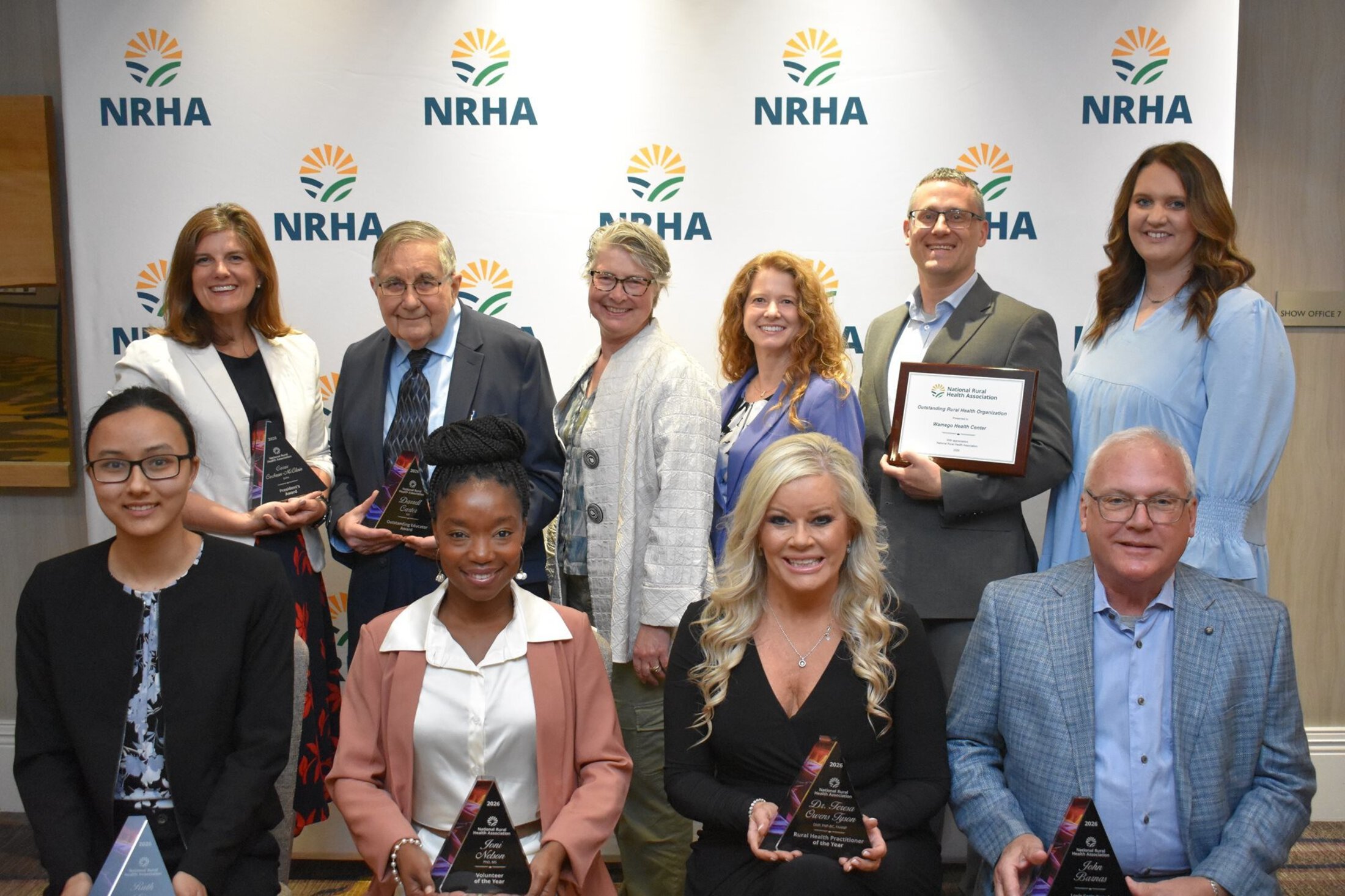
From her beginnings in a small community in South Carolina to the national stage, Joni Nelson, Ph.D. is making an impact in rural health. The associate professor in the College of Dental Medicine and chief of the Division of Population Oral Health in the Department of Biomedical & Community Health Sciences has been honored with the Volunteer of the Year Award from the National Rural Health Association.
According to Census.gov, about 60 million Americans, or one in five people, live in rural areas. The mission of the National Rural Health Association is to bring together leaders in the field to advocate, educate, and communicate about the issues that affect rural Americans. They also strive to rewrite the narrative surrounding what life in rural America truly looks like and dismantle stereotypes that negatively impact healthcare in these areas.
As the newly appointed assistant director for the Office of Workforce Development at the MUSC Hollings Cancer Center, Nelson’s research interests include community and societal factors influencing health, head and neck cancer, and collaborative workforce approaches to advancing population health and oral health services. Her Volunteer of the Year win reflects her longstanding commitment to rural communities and a career driven by service to others.
In reflecting on being named the National Rural Health Association’s 2026 Volunteer of the Year, Nelson described the recognition as “both humbling and deeply meaningful,” noting that it represents not only her work but also the mentors, colleagues and community partners who have shaped her path. Professionally, she said, the award underscores “the importance of volunteer leadership and the collective effort required to advance rural health.”
Nelson’s commitment to rural health is deeply personal. Growing up in Hollywood, South Carolina, she said her understanding of “culture, community, and contextual health outcomes” was formed early and continues to guide her work today. What sustains her dedication, she explained, is “the opportunity to remain faithful to the preservation of rural” while empowering communities to develop “their own health solution in partnership to create innovative, meaningful, and lasting change.”
Over the course of her career, Nelson has seen encouraging progress alongside persistent challenges in rural health care. She pointed to a growing awareness that “rural health is not just a rural issue, it is a national issue,” along with increased focus on workforce innovation, telehealth and community partnerships. Still, she emphasized that significant barriers remain, including workforce shortages, hospital sustainability and access to specialty care. Looking ahead, she believes the future depends on “developing innovative workforce pathways, strengthening community-based solutions, and ensuring rural voices remain part of policy and research discussions.”
Rural Health is not just a rural issue, it is a national issue.
Much of Nelson’s impact through the National Rural Health Association has taken place behind the scenes, where she has worked to connect people, ideas, and opportunities. Through roles on national committees, editorial boards and task forces, she has contributed to policy development, research initiatives and clinical practice improvements. While much of this work involves meetings, reviews and advocacy, she noted that it has produced “real impact … across the Carolinas and beyond.”
Her work with the South Carolina Clinical & Translational Research (SCTR) Institute has reinforced the importance of authentic community engagement in research. Nelson emphasized that “communities are experts in their own lived experiences,” and that meaningful collaboration begins with listening. Through her leadership with the Community Advisory Board, she has seen how trust is built through consistency, transparency, and authentic partnership, resulting in research that is more relevant, more impactful, and better aligned with real-world needs.
Building strong partnerships, she added, requires time and intention. “Trust develops over time and through action,” Nelson said, emphasizing the importance of shared goals, open communication and mutual respect. The most successful collaborations, she noted, are those grounded in a shared commitment to improving outcomes for all.
For students and early-career professionals, Nelson sees rural health as a field full of opportunity. It offers the chance “to lead, innovate, and make a visible impact,” she said, describing it as community-centered, interdisciplinary work that allows individuals to address some of the most pressing health challenges while building meaningful relationships.
She also sees significant opportunities for progress, particularly in workforce development and cross-sector collaboration. Creating pathways for students from rural communities to enter health professions and return home is essential, she said, along with strengthening partnerships among health care systems, educational institutions and community organizations. Ultimately, “sustainable solutions are most successful when they are developed within communities rather than for communities.”
Despite national recognition, Nelson remains focused on the work ahead. What motivates her most, she said, is “the opportunity to continue learning from and working alongside communities.” She added that she is mindful that she “stands on the shoulders of giants”, crediting the mentors, leaders and advocates who paved the way, and emphasized that much work remains to strengthen the rural health workforce, expand access to care and improve health outcomes for all communities.
I stand on the shoulders of giants: mentors, community leaders, and rural health advocates who paved the way.
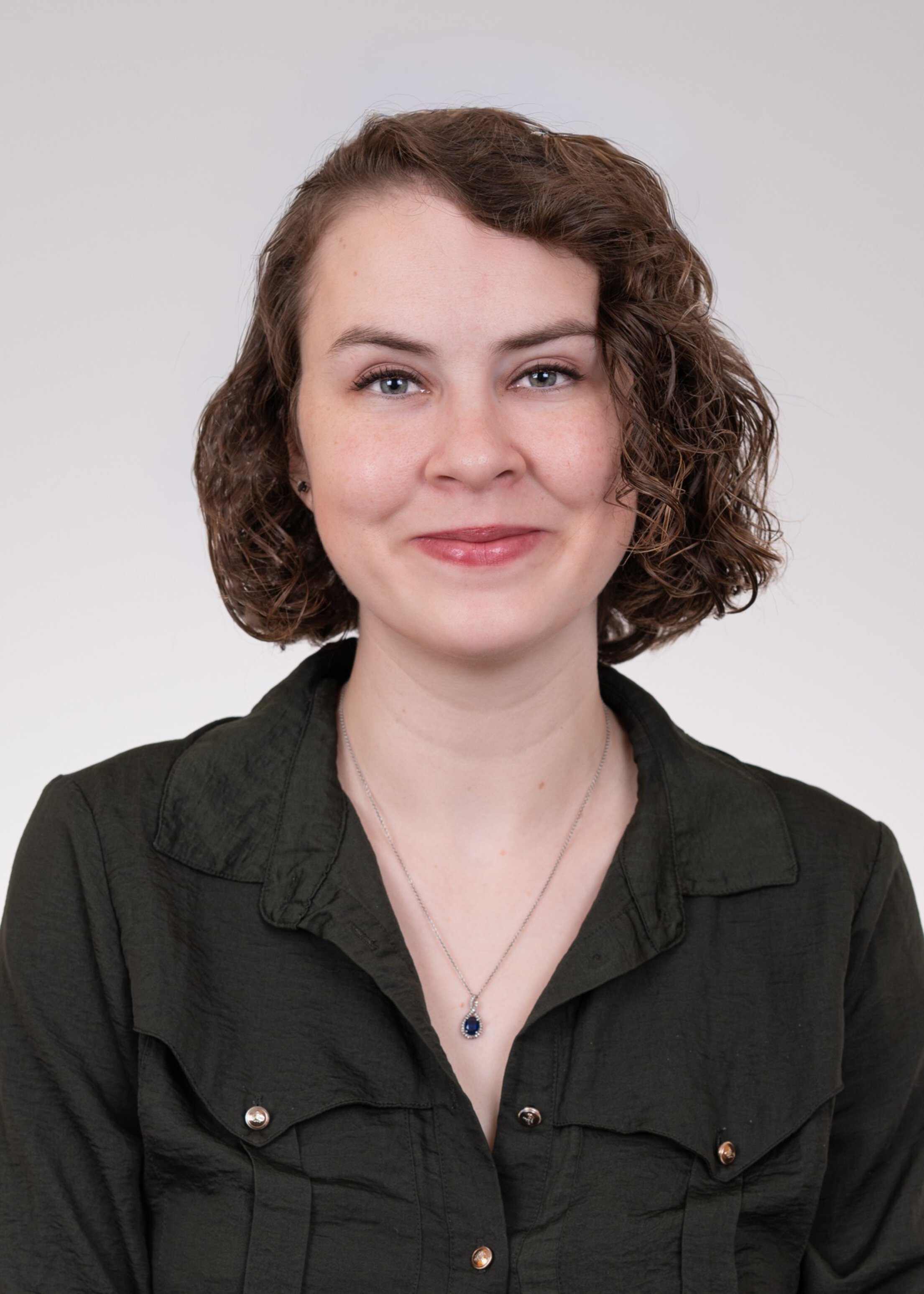
Sophia Barry Gordon
Sophia Barry Gordon is the science writing and communications program coordinator at the South Carolina Clinical & Translational Research (SCTR) Institute. She holds a Master of Science degree from New York University and is currently a Ph.D. candidate at the University of Birmingham (UK).
Recent News Releases stories