Colon Cancer Q&A
Colorectal cancer surgeon Thomas Curran, M.D., shares the latest on colorectal cancer screening, diagnosis and prevention.


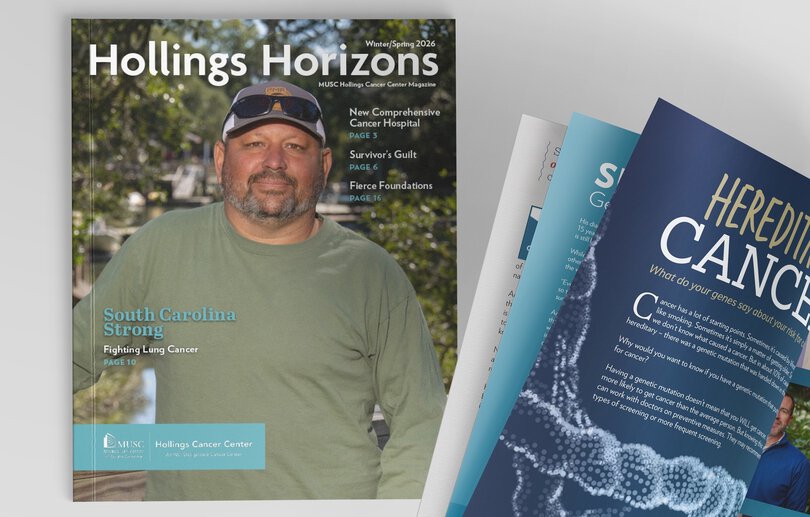
Hollings Horizons is MUSC Hollings Cancer Center’s bi-annual magazine featuring the innovative and inspiring work happening in our clinics, labs, and community.
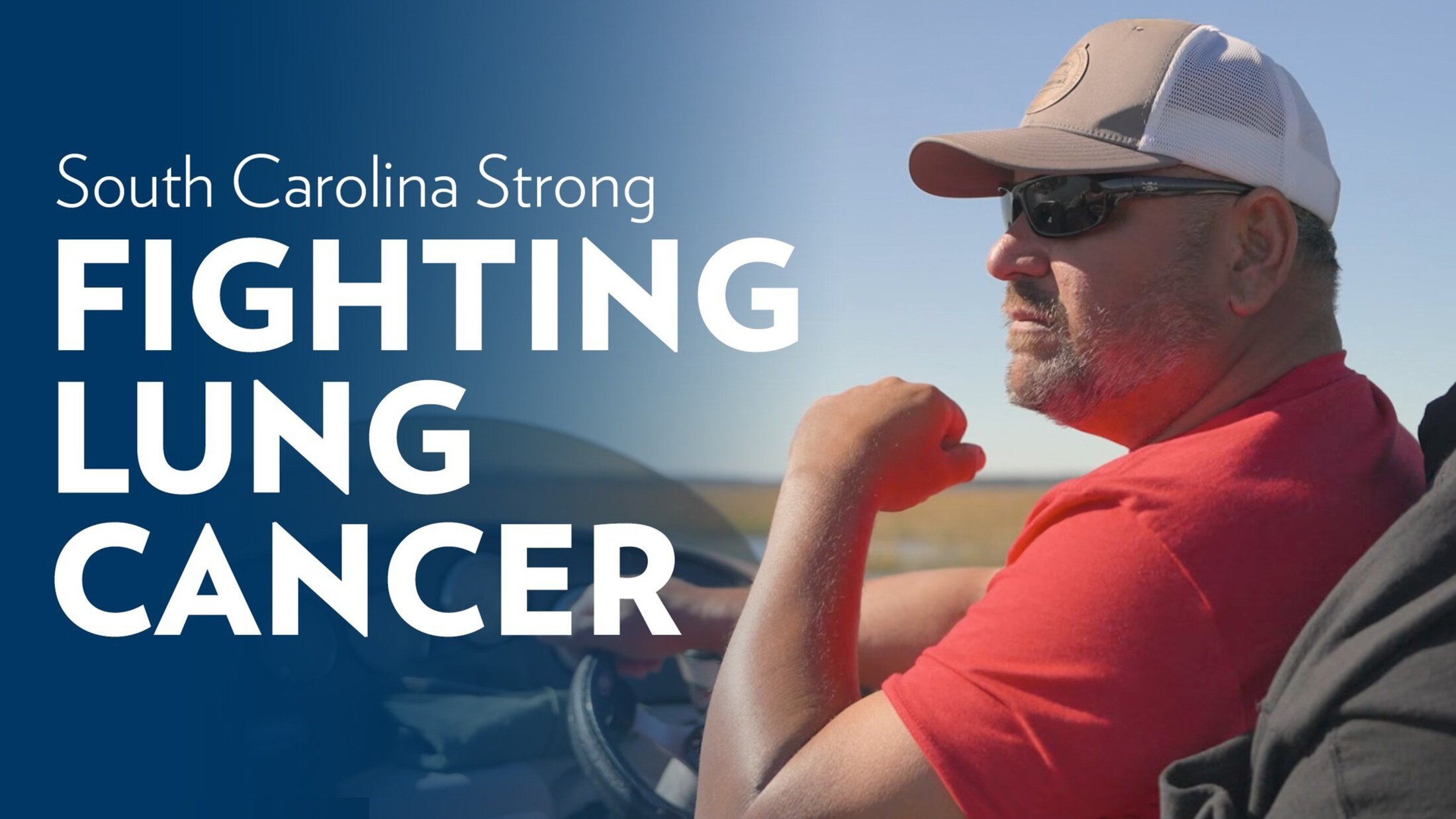
After exhausting traditional treatment options, Matt joined a clinical trial at Hollings that is keeping his cancer stable and getting him back out on the coastal waterways he loves.
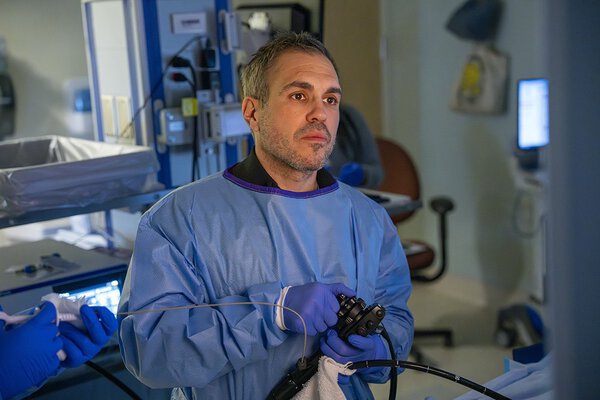
Colorectal cancer surgeon Thomas Curran, M.D., shares the latest on colorectal cancer screening, diagnosis and prevention.
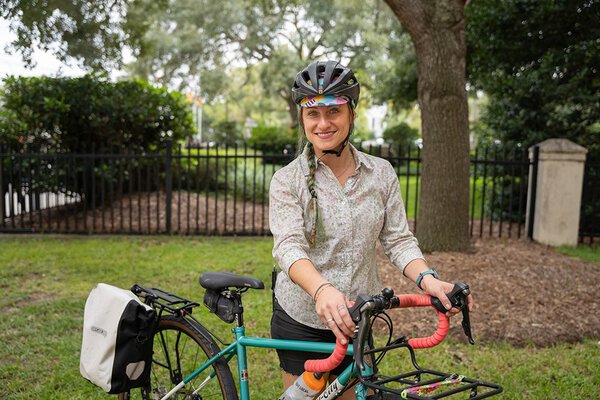
If Sylvie Baele had been diagnosed 10 years ago, she isn't sure that she'd still be around. She credits a healthy lifestyle and research that helped develop new treatments for her particular type of leukemia.
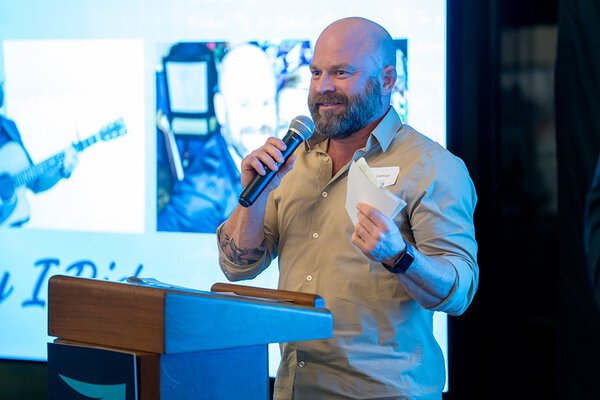
His diagnosis was terminal — four to six months — but that was 15 years ago now and Nathan Calhoun is still healthy and cancer-free.
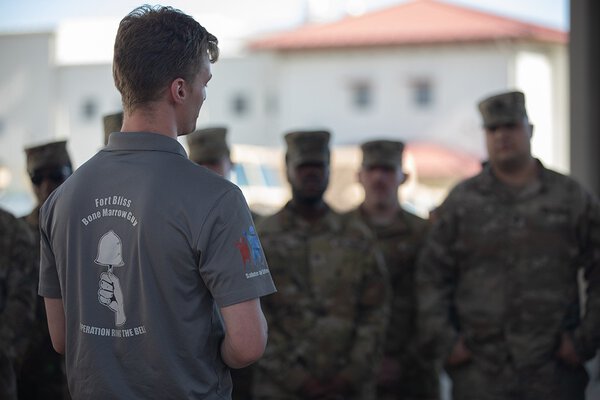
There are almost a half-million active-duty soldiers in the U.S. Army. But across this entire organization, with outposts across the world, Spc. Christian Sutton is the single, solitary soldier tasked with his particular job. And once he completes it, the position disappears.
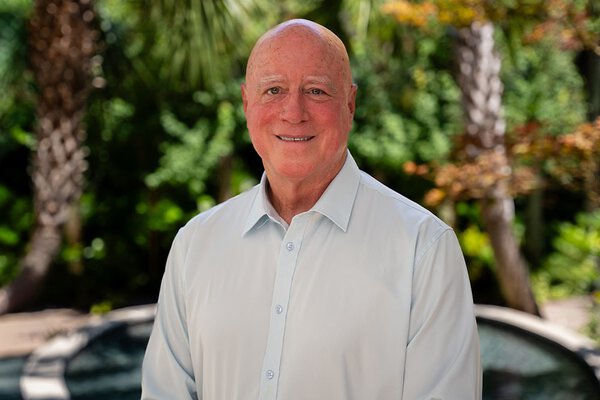
Only about 3,000 people in the U.S. are diagnosed each year with cutaneous T-cell lymphoma (CTCL). Rich Maxwell found a specialized team at Hollings to manage his treatment and get him back to enjoying retirement.
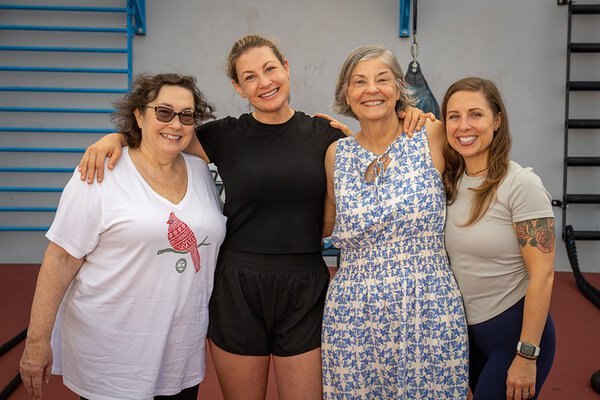
Candy Stalteri was cancer-free. Life should have been good. And yet, she was struggling. Getting connected with a new wellness program for gynecologic cancer survivors was just what she needed.

MUSC Hollings Cancer Center holds a unique responsibility as South Carolina’s only NCI-designated cancer center.
Our mission is threefold: providing exceptional patient care, advancing cancer research in our laboratories, and training the next generation of scientists and clinicians.
At Hollings, patients have access to more than 200 clinical trials, ranging from studies on smoking cessation to trials of innovative cancer therapies. These include trials developed by our own physicians in response to challenges they see in the clinic, as well as those led by pharmaceutical companies and national academic research groups. Through these efforts, we offer patients new treatment options while contributing to the scientific discoveries that shape tomorrow’s standards of care.
As you’ll see in these pages, we are expanding across South Carolina with new facilities, programs, and physicians to meet the state’s growing health care needs. Our plans include a best-in-class cancer hospital in downtown Charleston—bringing inpatient and outpatient services under one roof—slated for completion in 2030, along with a new integrated Center for Cellular Therapy.
Our vision is clear: to reduce cancer incidence and mortality across South Carolina. This work is challenging, but it is profoundly rewarding and deeply meaningful. I extend my heartfelt thanks to our dedicated staff, physicians, scientists, and supporters for being an essential part of this mission.
Best Wishes,
Raymond N. DuBois, M.D., Ph.D.
Director, MUSC Hollings Cancer Center
Associate Provost of Cancer Programs, MUSC
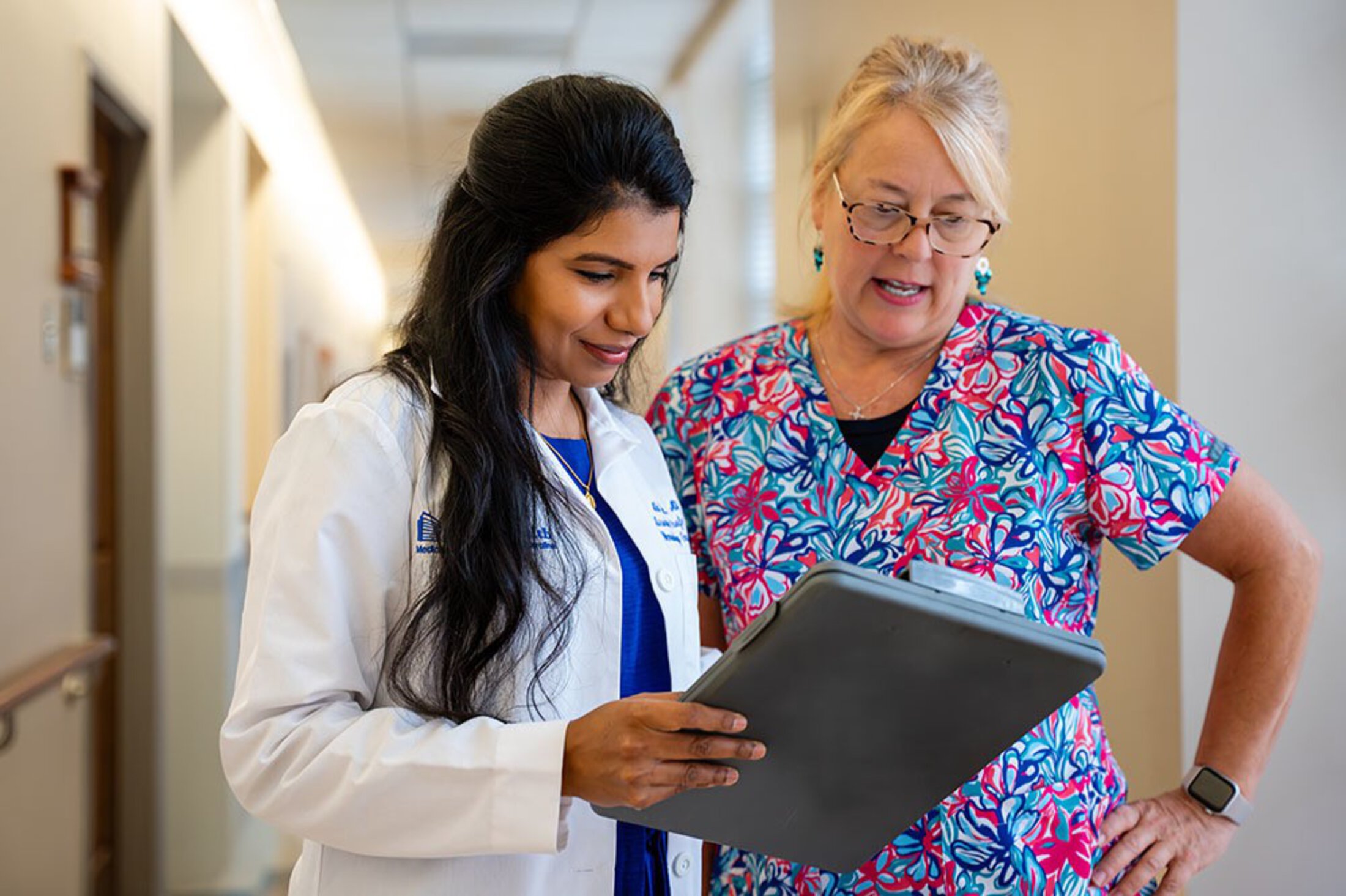
A new clinical trial at MUSC Hollings Cancer Center focuses on finding answers for a group of women who don't have clear treatment options.
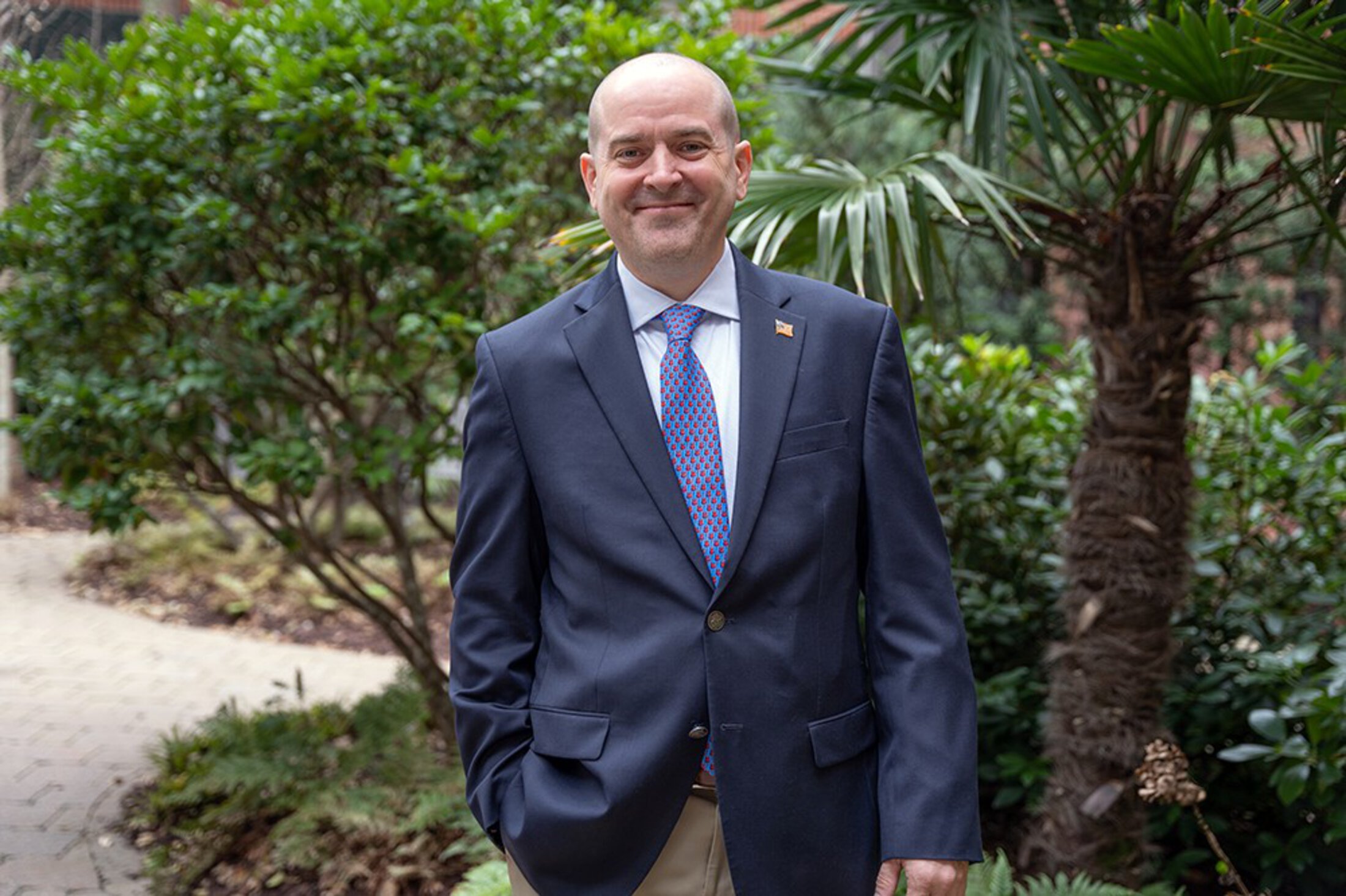
The American Association for Cancer Research (AACR) has endorsed a proposed federal policy that would make cigarettes far less addictive. The proposed policy would set a maximum nicotine product standard at about 95% less than what is currently allowed. That reduction would make cigarettes minimally or nonaddictive, striking at the chemical that keeps people hooked.
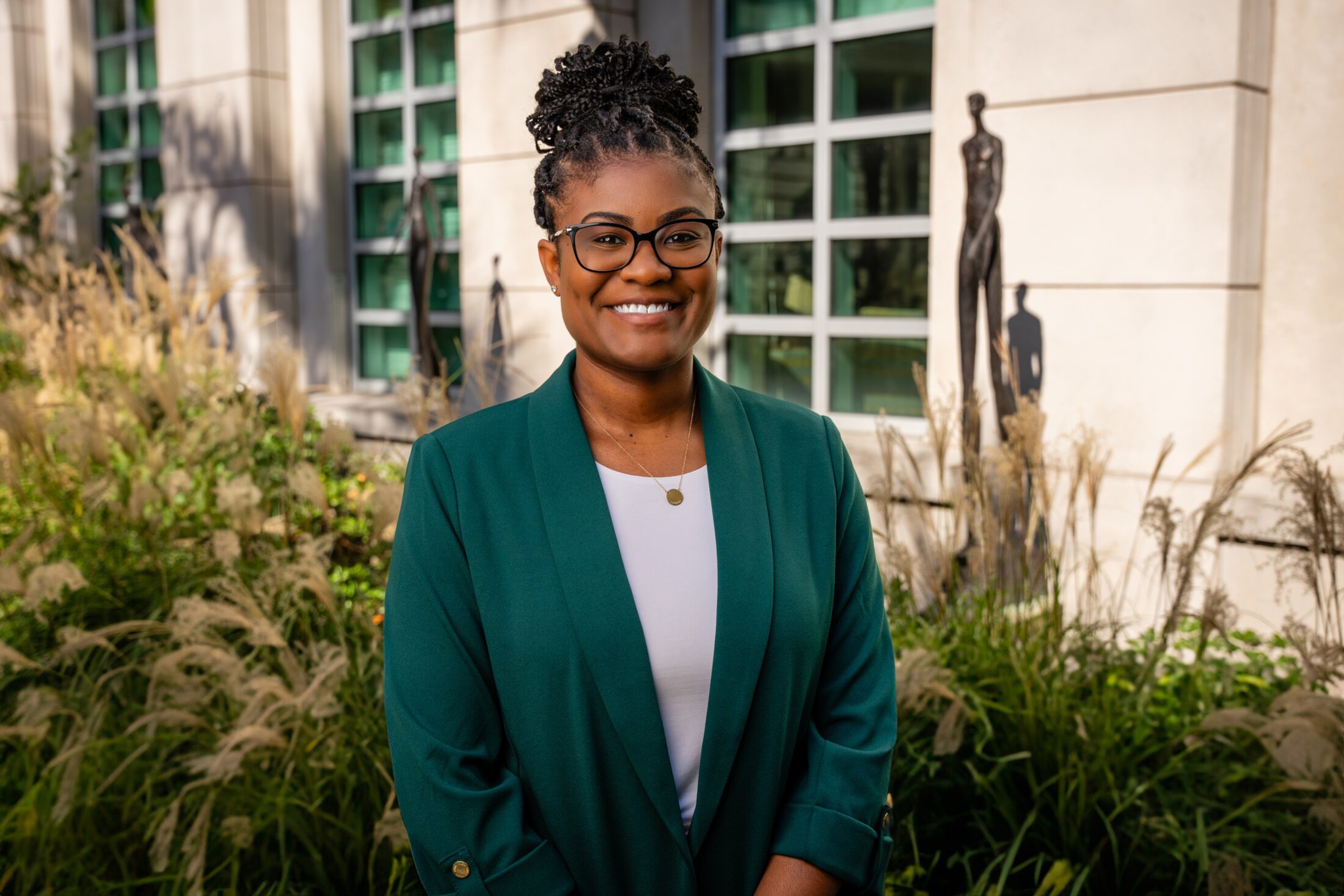
Cervical cancer diagnoses among rural U.S. women have been increasing since 2012, after years of decreases, according to an analysis from MUSC Hollings Cancer Center.
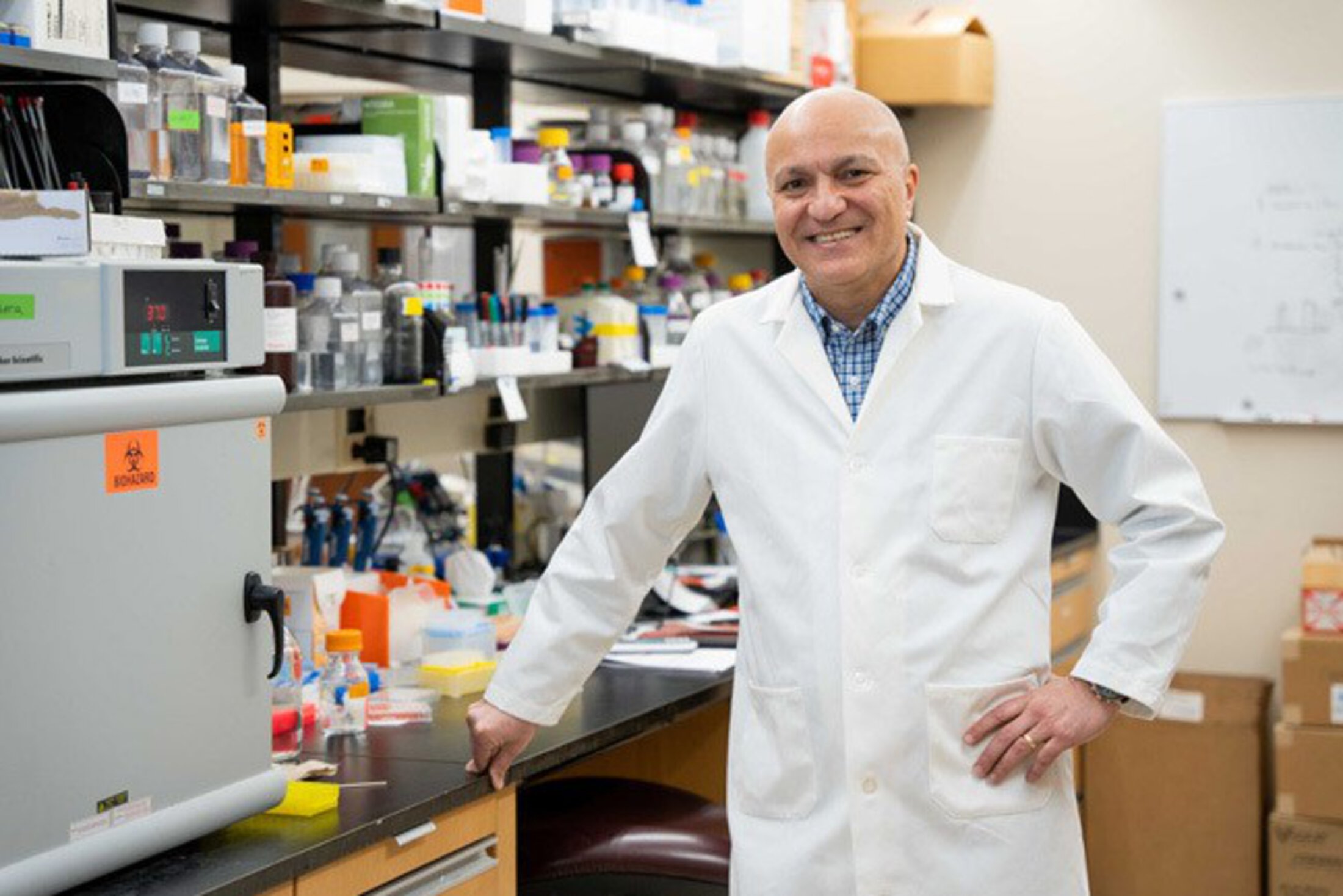
For years, population studies hinted at something puzzling: People with Alzheimer’s disease seemed less likely to develop cancer. That paradox caught the attention of Besim Ogretmen, Ph.D., associate director of Basic Science at Hollings, and drove him and his team to dig deeper into the biology linking these seemingly disparate conditions.
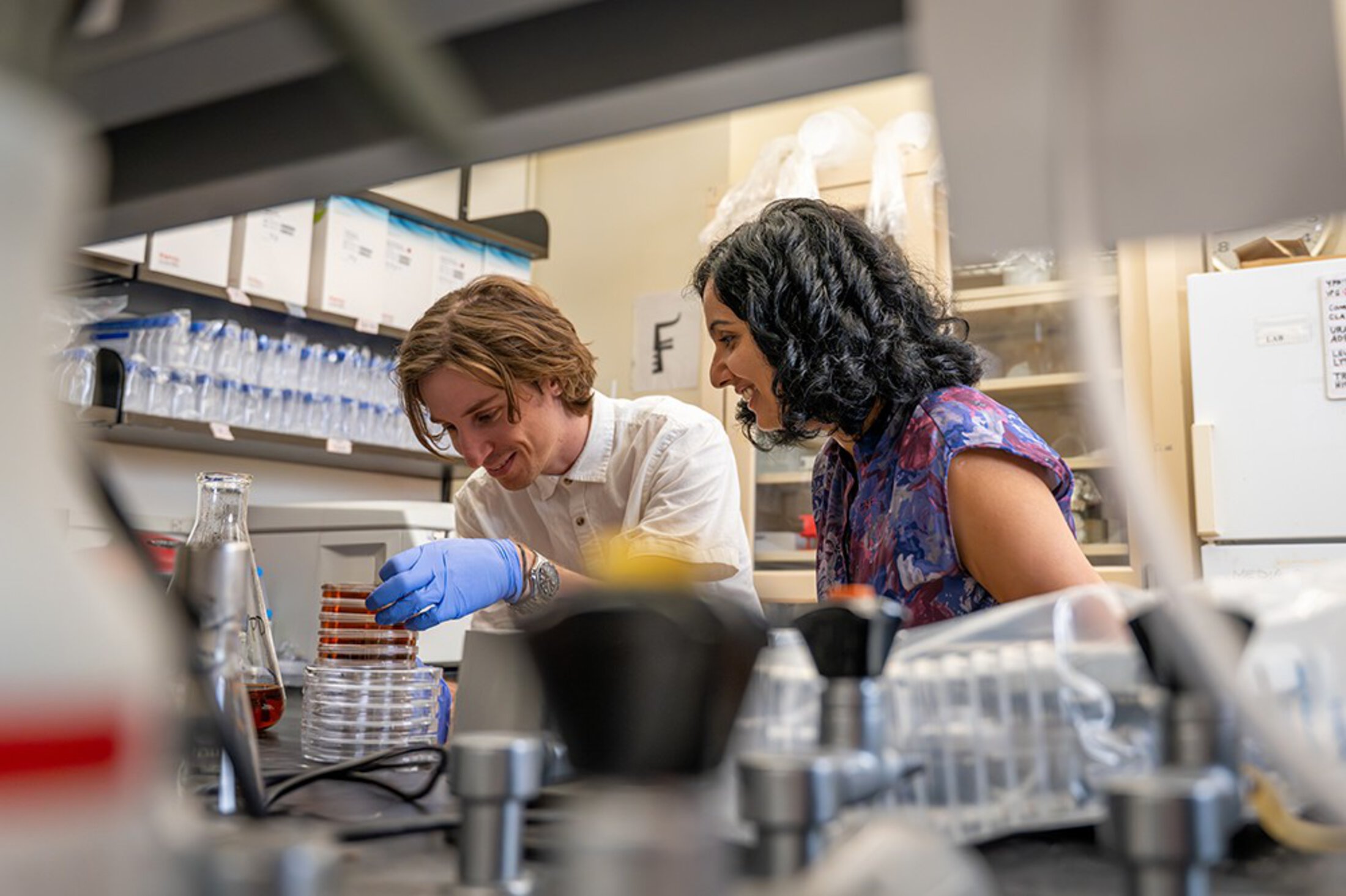
MUSC graduate student Thomas Blouin earned a fellowship from the National Cancer Institute which is awarded to fewer than 100 applicants each year. Receiving the fellowship signifies both current scientific excellence and strong potential as a future cancer researcher.
Hear from patients who used genetic testing and guidance to shape how they approached decisions about their health.
When Kenneth Reid was diagnosed with colon cancer at age 43, his doctors suggested genetic testing. But the Charleston native, who was living in Minnesota at the time, didn’t trust the idea.
When Carson Thomas signed up for In Our DNA SC, the last thing he expected was to learn he was at higher risk for certain cancers. “I was more interested in the ancestry and personality traits,” he said.
When Debbie Herman says that cancer runs in her family, she isn’t exaggerating. Her mother was one of nine siblings, seven of whom had cancer.
Keep up with the latest Hollings news by signing up for our monthly e-newsletter or subscribing to receive Hollings Horizons in print.