Susan Rosenblatt Lectureship

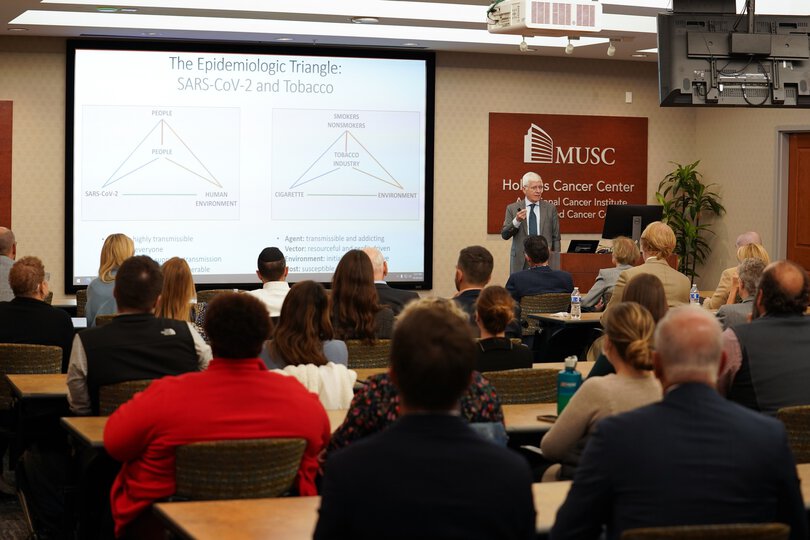
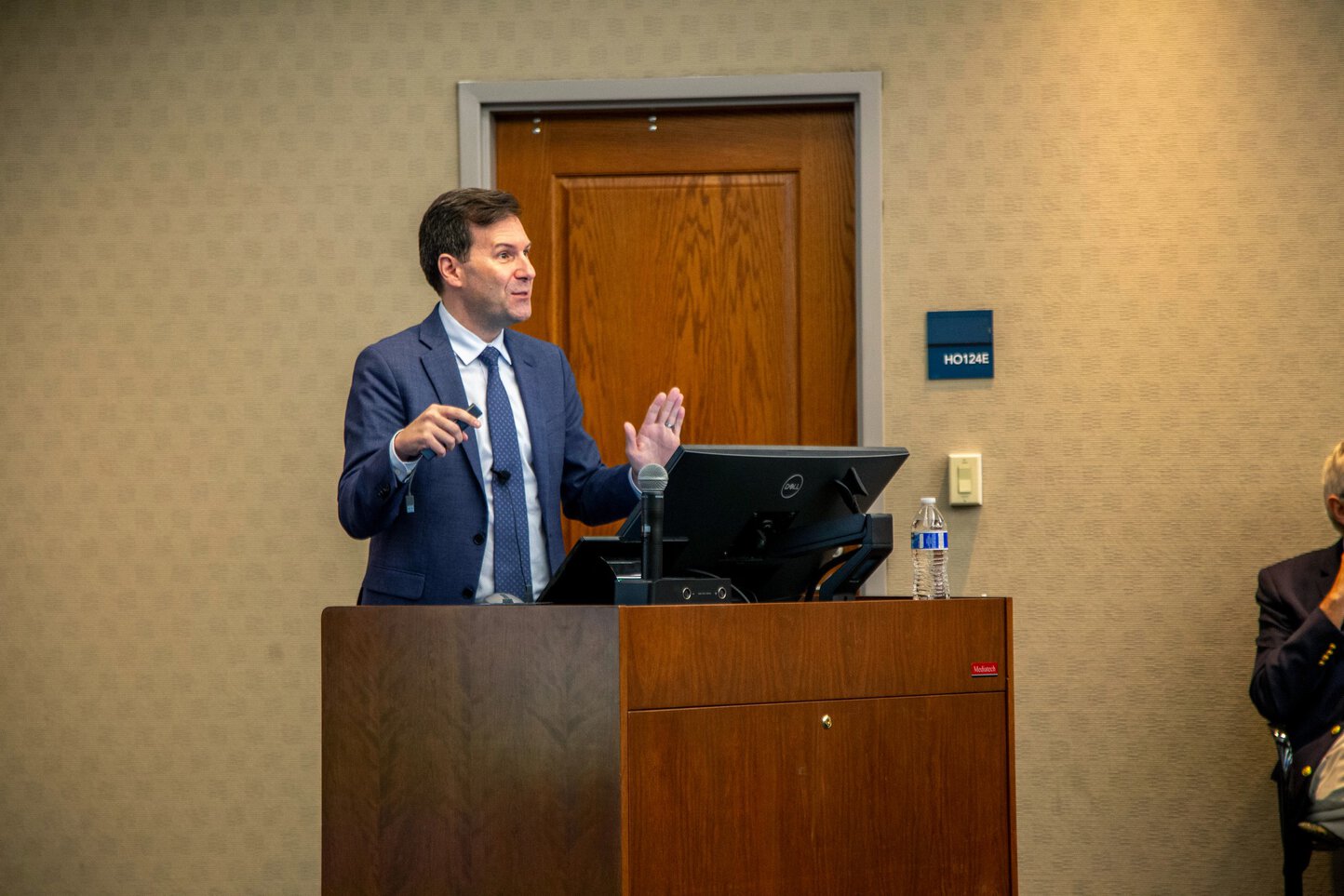
A man speaks at a podium in front of a large seated audience.

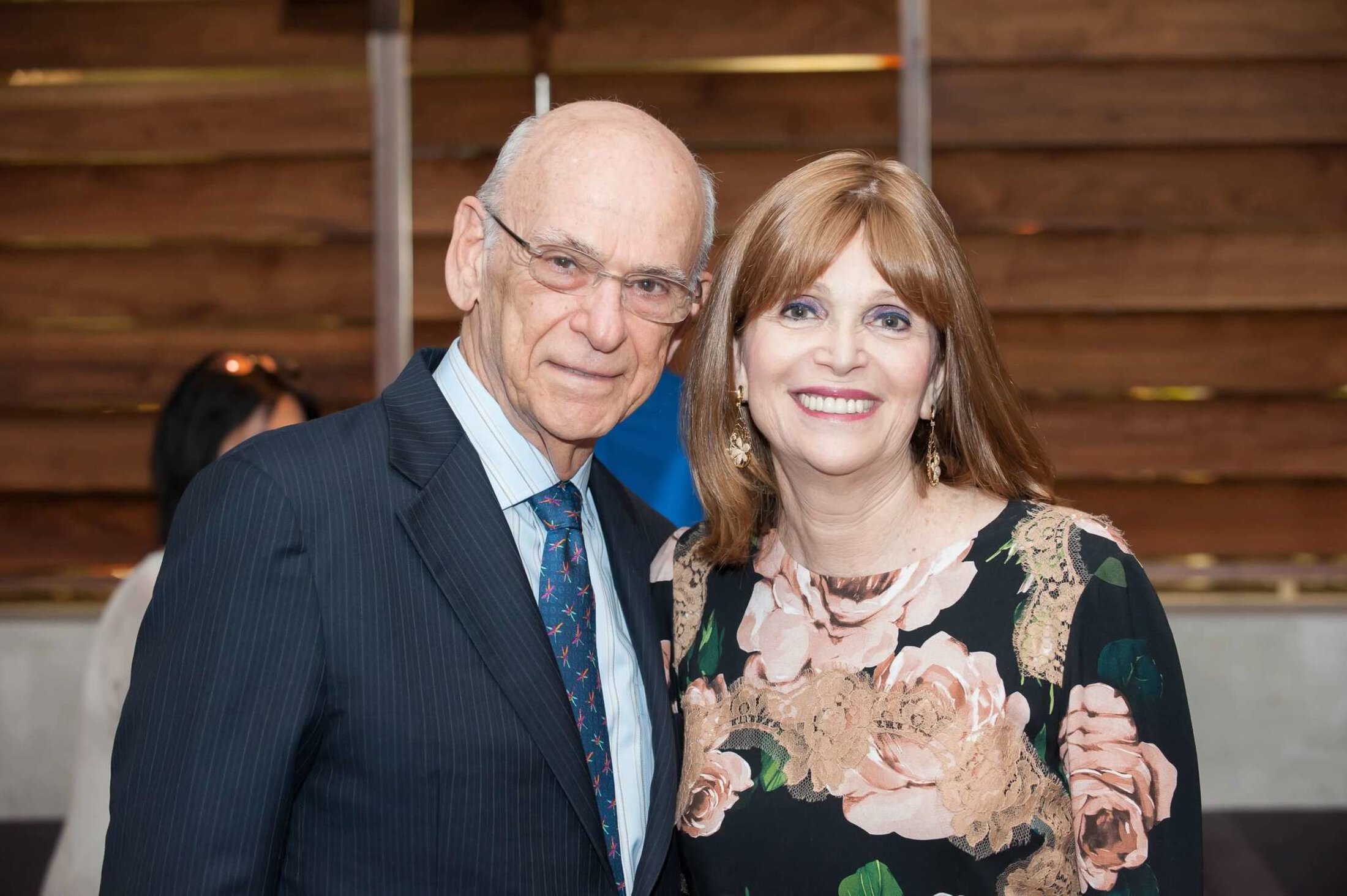
Susan Rosenblatt, with her husband and law partner, Stanley Rosenblatt, took on Big Tobacco in two blockbuster Florida cases in the mid-1990s. The first case represented non-smoking flight attendants harmed by workplace exposure to secondhand smoke, and the second represented injured Florida smokers.

Sadly, Susan passed away in 2021 at 70 from acute myeloid leukemia. This lectureship, named in her honor, will seek to honor and extend the work she and her husband began with a focus on advancing cancer control and prevention research.

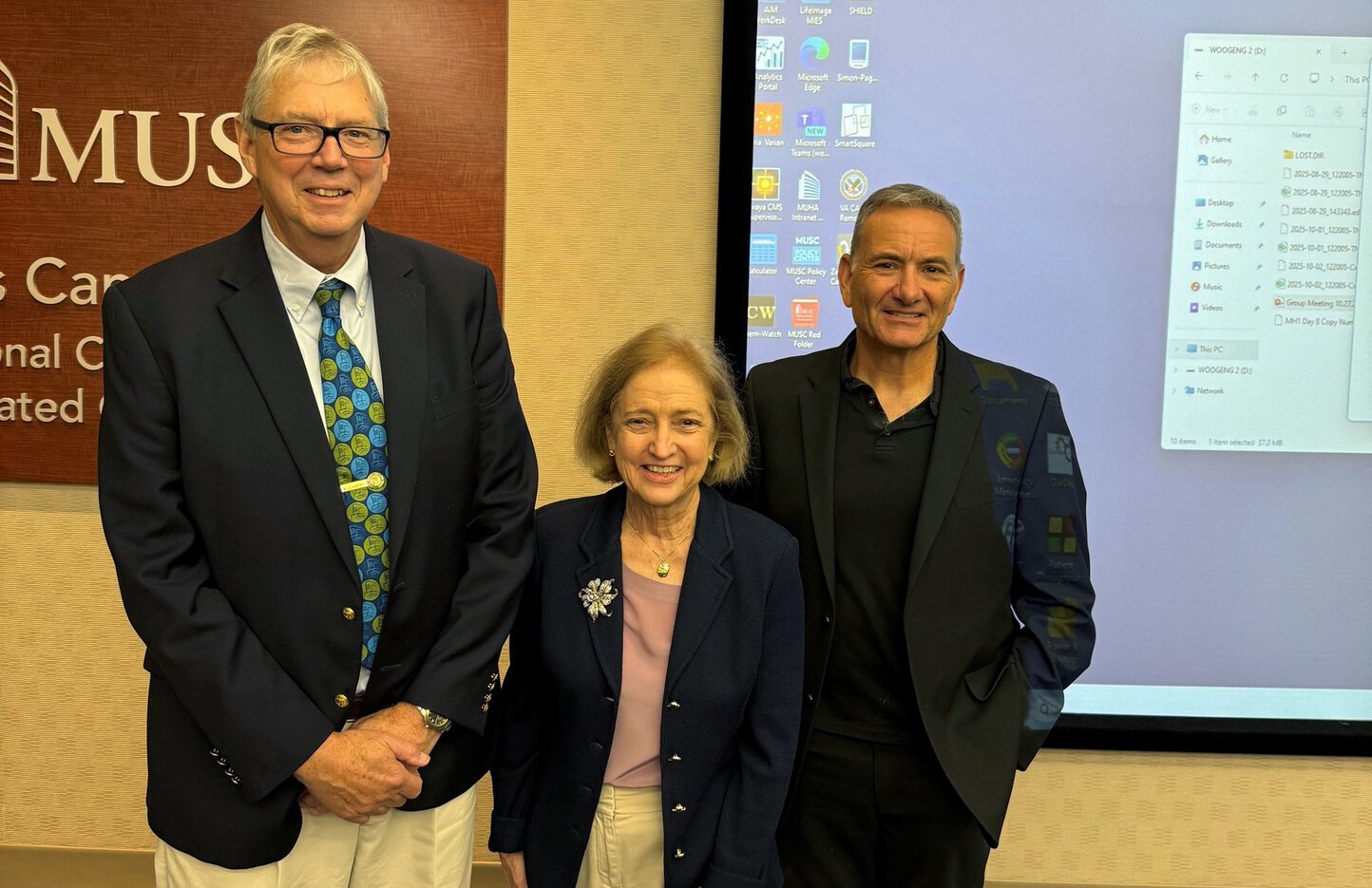
A couple pose for a photo at an event in formal attire.
Stanley and Susan Rosenblatt

About the Lectureship

The lectureship features prominent leaders in the field who address important cancer control and prevention topics, exchange the latest scientific information, and motivate a new generation of clinician-scientists to use their skills to advance efforts to reduce the burden of cancer in society. Highlighting current scientific developments and recent advances in tobacco-related cancers allows for discussions regarding basic, translational, clinical and population cancer research.

While geared toward clinicians and scientists, the lectureship features timely topics presented in a way that should be of interest to everyone. The Rosenblatt family is involved in helping to identify speakers and ensure that the lectureship is done in a way that truly honors Susan’s contributions to cancer control, public health and the legal profession.

Post and Courier article on the inaugural Susan Rosenblatt Lectureship

2026 Rosenblatt Lecture

The Science of Kindness and Its Influence on a Career in Early Lung Cancer Detection

Peter Mazzone, M.D., MPH, FCCP

The Cleveland Clinic Foundation

Peter Mazzone, M.D., MPH, FCCP, graduated from University of Western Ontario in 1994, and is board certified in Internal, Pulmonary and Critical Care Medicine. He is currently Director of the Section of Thoracic Oncology for the Integrated Hospital Care Institute, and the Lung Cancer Screening and Lung Nodule Management Programs for the Cleveland Clinic based in Ohio. He is also member of the Case Comprehensive Cancer Center and part of the Population and Cancer Prevention Research Program at Cleveland Clinic, and Editor-in-Chief of the journal CHEST.

Dr. Mazzone is world renowned for his work and expertise as a pulmonologist in the evaluation and management of patients with lung cancer and has led national efforts to develop lung cancer screening guidelines, lung nodule evaluation, and lung cancer screening quality metrics. He has authored more than 200 scientific publications with much of his clinical research focused on developing and validating molecular biomarkers for early lung cancer detection.

Lecture Details

Oct. 26, 2026
12 p.m. - 1 p.m.

Hollings Cancer Center Room 120
You may attend the lecture in person or virtually via the link below. A kosher lunch will be provided starting at 11:30 a.m. for all in-person attendees.

Join virtually via Microsoft Teams
Meeting ID: 236 551 032 424 30
Password: Td7Pz3tP

For questions or more information, please contact Dr. Mike Cummings at cummingk@musc.edu.

About the Big Tobacco cases

The Rosenblatts’ first case against the tobacco companies was on behalf of non-smoking flight attendants because of the harm caused to their health from exposure to secondhand tobacco smoke in their work environment. After four months of trial, the tobacco companies settled for $300 million – the first time that tobacco companies paid damages in a secondhand-smoke case. The settlement enabled Susan and Stanley to create the Flight Attendant Medical Research Institute, Inc. – FAMRI – an independent, not-for-profit foundation sponsoring medical and scientific research to combat the diseases caused by exposure to tobacco smoke.

The second case was brought on behalf of injured smokers in Florida, including Dr. Howard Engle, the pediatrician for most of the Rosenblatts' nine children. After a trial that lasted two years, the class-action lawsuit resulted in a $144.8 billion jury award, the highest verdict in American history. That award was vacated, but the Florida Supreme Court allowed class members to file individual lawsuits based on the original jury findings from the Engle case which concluded that cigarette manufacturers had concealed the addictiveness and negative health effects of cigarettes for decades.

About Susan Rosenblatt

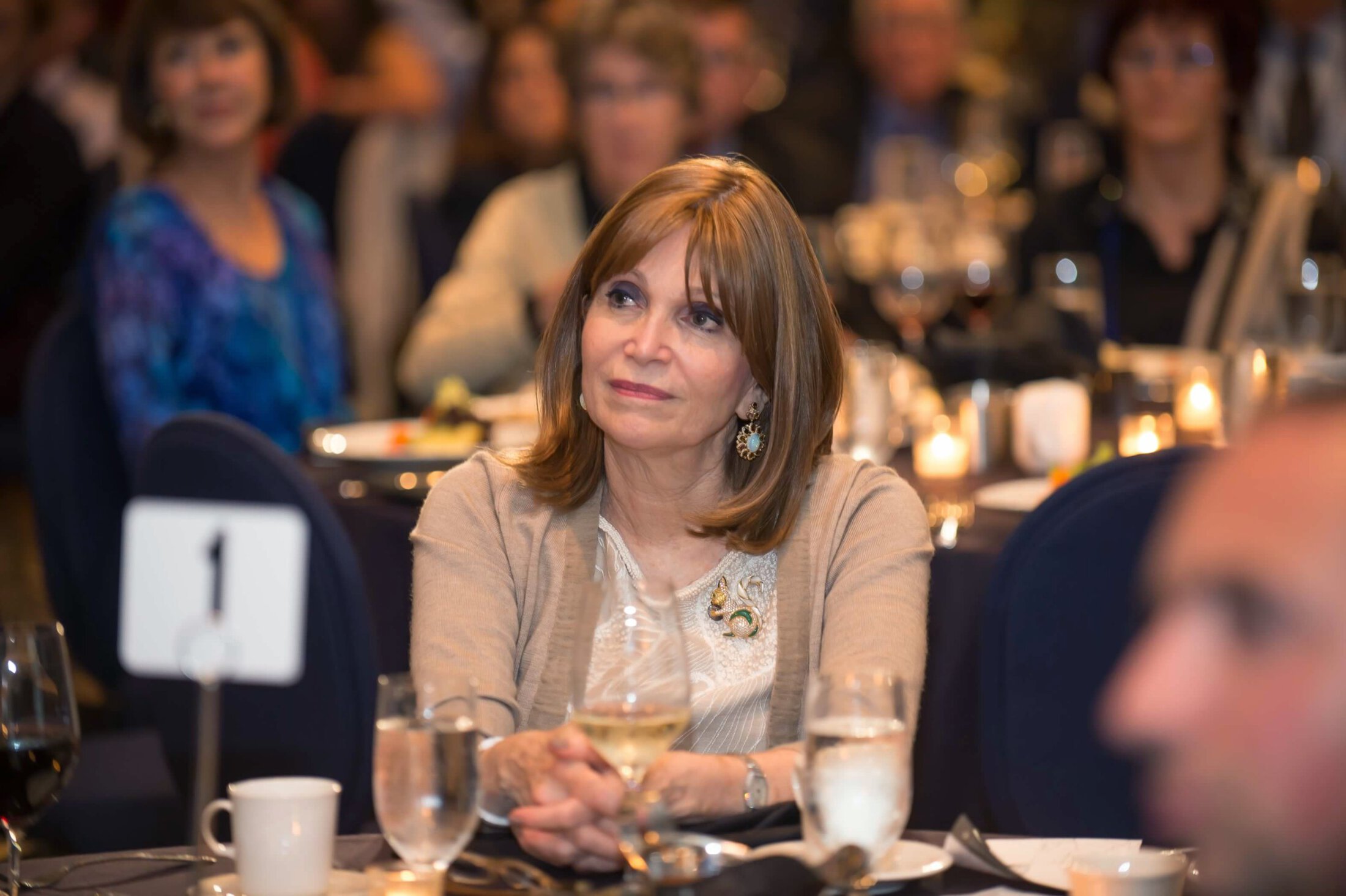
A woman in formal attire sits at a table during a dinner reception.

Susan Rosenblatt was a key figure behind one of the most consequential legal challenges to the tobacco industry, working alongside her husband and law partner, Stanley Rosenblatt. Though their firm was small, they took on major tobacco companies, ultimately shaping litigation that affected hundreds of thousands of smokers.

While her husband was the public face of the courtroom proceedings, Susan Rosenblatt played a critical behind-the-scenes role. Her meticulous legal research led her to draft briefs and develop arguments that formed the backbone of the case.

Susan Rosenblatt’s path to this work reflected both academic excellence and adaptability. After graduating from Miami University at the age of 17, she earned advanced law degrees and initially ran her own appellate practice. As her family grew, she transitioned to working closely with her husband, contributing legal analysis and preparation that proved decisive in complex, document-heavy litigation.

The Rosenblatts felt a moral obligation to confront Big Tobacco, which typically wore down its legal opponents thanks to its vast financial resources and large legal teams. The Rosenblatts and their small team responded by working nearly around the clock – but Susan and Stanley always observed the Sabbath, never working on the weekly day of rest.

Together, the Rosenblatts’ earlier success representing flight attendants harmed by secondhand smoke also positioned them to challenge the tobacco industry, reinforcing Susan Rosenblatt’s lasting influence on public health law and accountability litigation.

Read Susan’s New York Times obituary

Past Rosenblatt Lectures

If you are interested in receiving a slide deck from a past lecture, please contact Dr. Mike Cummings at cummingk@musc.edu.

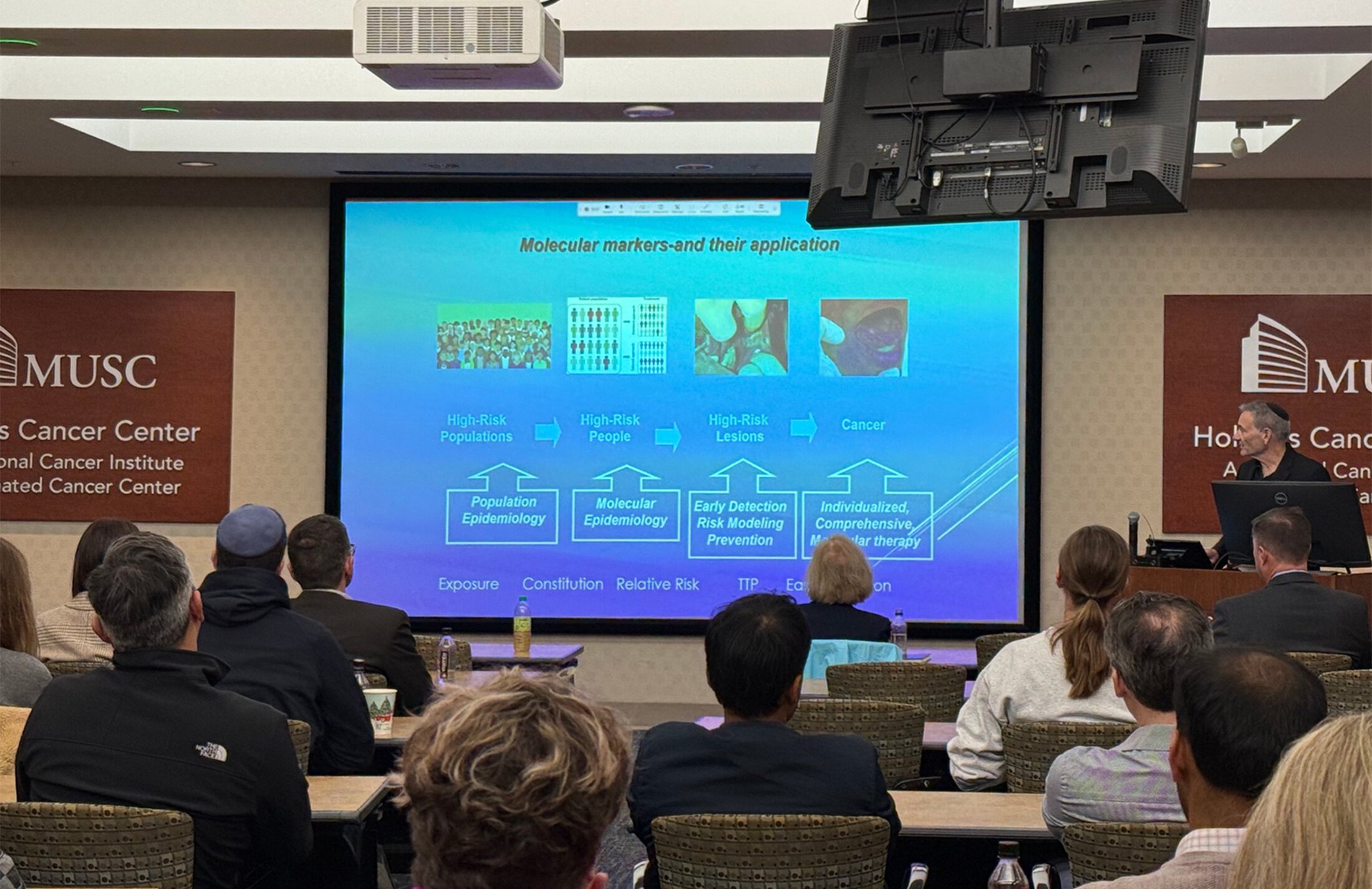
Translating Cancer Research into Clinical Advances: Did we find the smoking gun?

David Sidransky, M.D., FAACR

Professor, Oncology
Johns Hopkins University

David Sidransky, M.D., FAACR, is a Professor of Oncology at Johns Hopkins University.Dr. Sidransky is recognized for his pioneering research in cancer genomics and molecular epidemiology. With over 600 publications and numerous awards, Dr. Sidransky’s work has significantly advanced the understanding of cancer, particularly smoking-related tumors. His research focuses on the molecular mechanisms that drive these cancers and the role of genetic mutations in their development.

Dr. Sidransky is also a leader in the field of translational oncology, working to bridge the gap between laboratory findings and clinical applications to develop novel diagnostic approaches and targeted therapies that improve patient outcomes.

His contributions to translational cancer research and molecular epidemiology have enhanced the understanding of cancer risk factors, including environmental influences, and have paved the way for novel methods in early cancer detection and personalized cancer treatments.

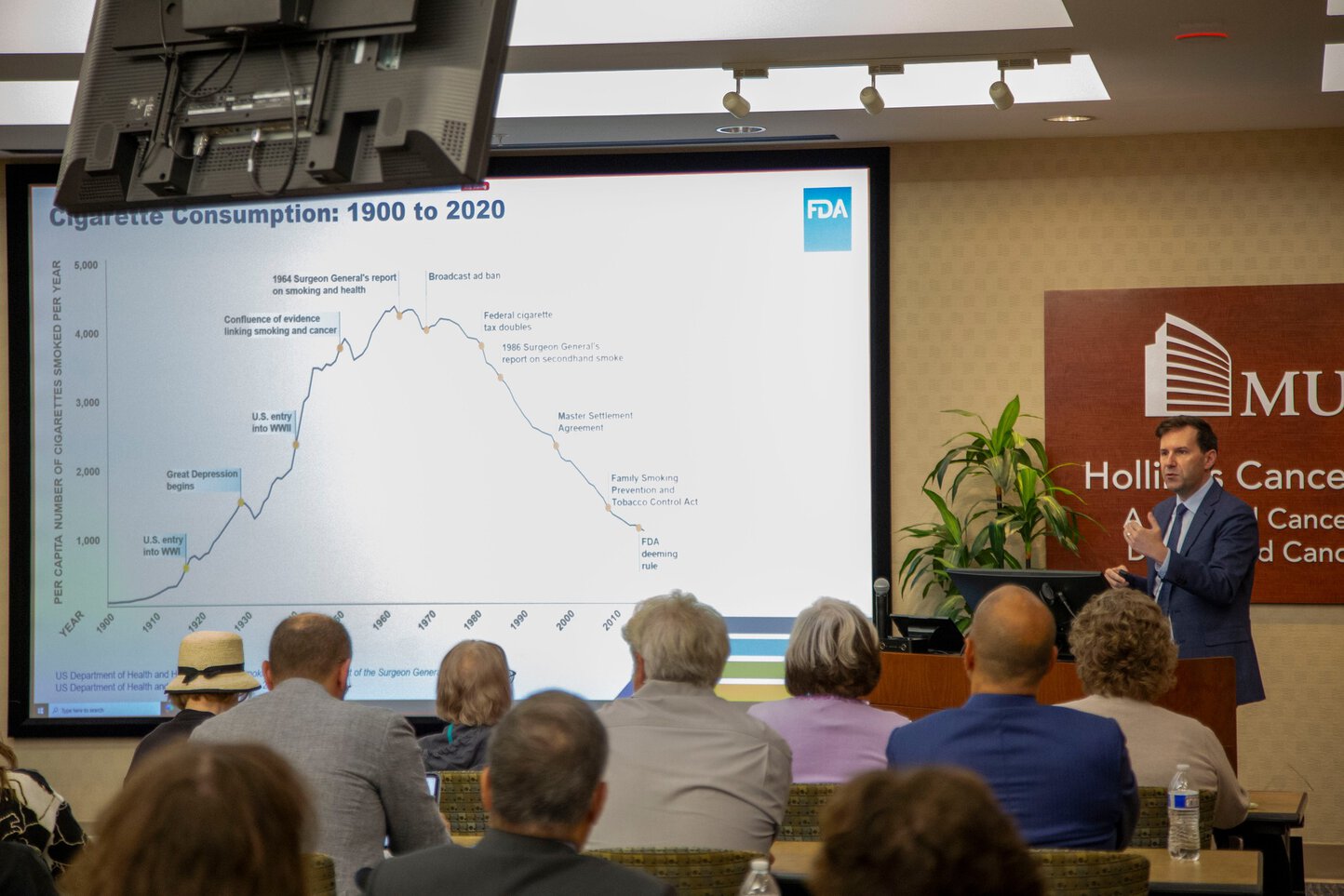
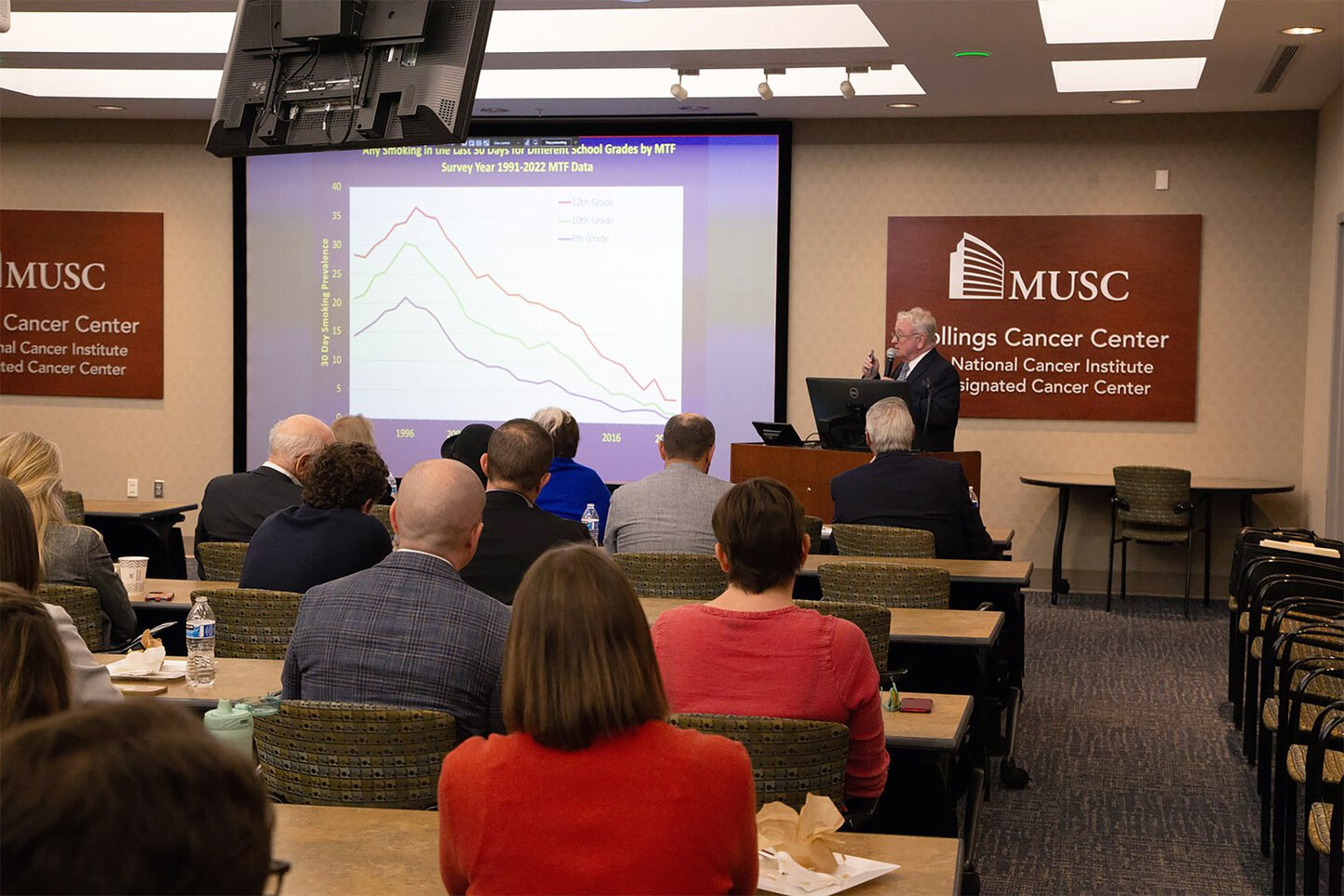
An audience looks at a slide on a large screen while a man speaks at a podium.

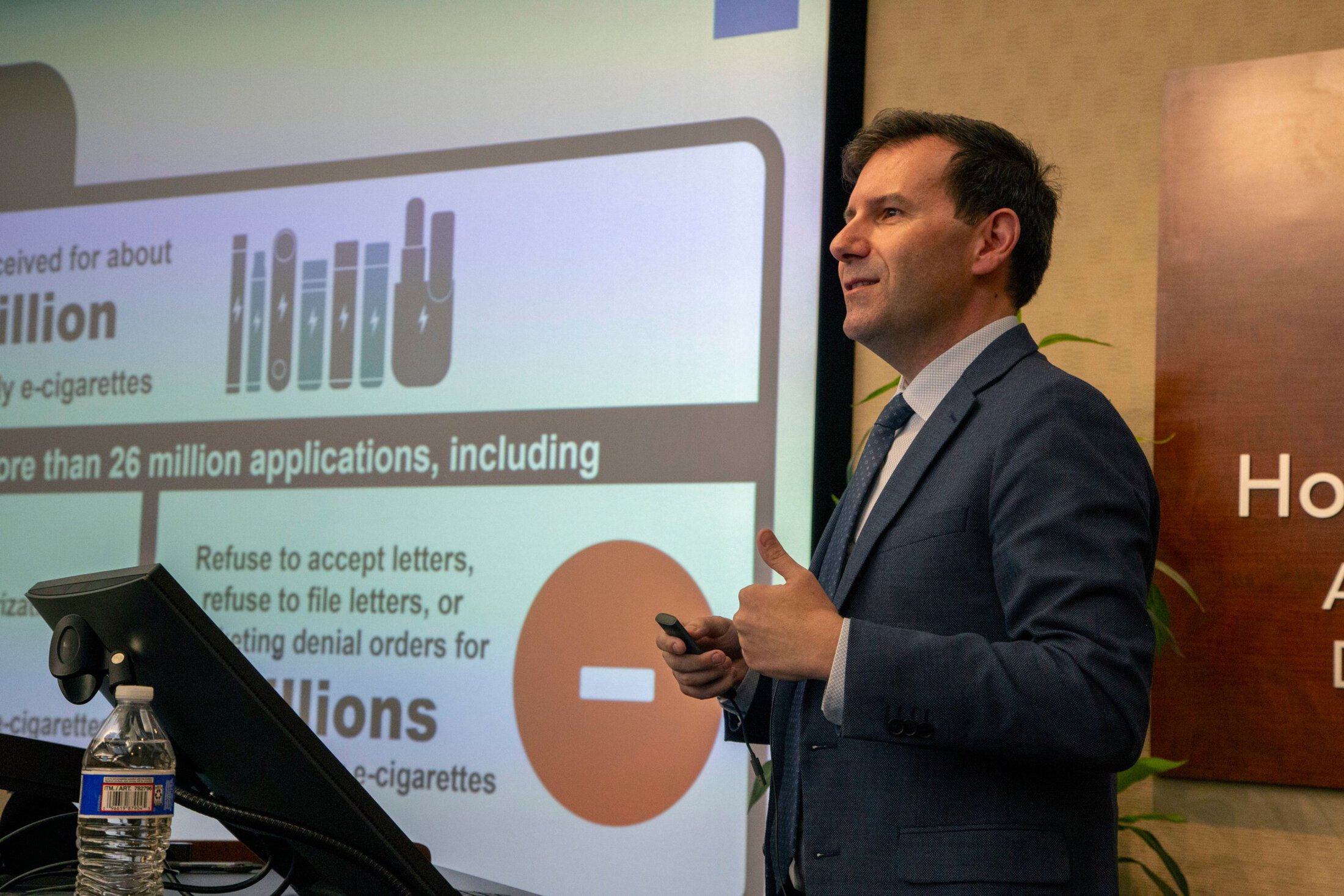
The Hitchhiker’s Guide to Tobacco Product Regulation: Promise and Peril in an Increasingly Complex Landscape

Brian King, Ph.D.

Director, Center for Tobacco Products (CTP)
Food and Drug Administration

Brian King, Ph.D., was appointed Director of the Food and Drug Administration’s Center for Tobacco Products (CTP) in July 2022. In this position, Dr. King is responsible for assuring that CTP accomplishes its public health goals and for operationalizing the Center’s vision and mission as it implements the Family Smoking Prevention and Tobacco Control Act.

Dr. King got his start doing research on secondhand smoke while working at Roswell Park Cancer Institute. His work focused on taking the policies that were happening in public places like bars and restaurants and thinking about exposures in those who lived in shared multiunit housing environments. Dr. King’s research helped pave the way for the US HUD to implement a 100% smokefree building policy for their buildings nationwide.

Prior to joining FDA, he served as the Deputy Director for Research Translation in CDC’s Office on Smoking and Health, and more recently as the Executive Editor of CDC’s Morbidity & Mortality Weekly Report Series. He has authored more than 200 scientific journal articles related to tobacco prevention and control, served as Senior Associate Editor for multiple U.S. Surgeon General’s Reports on tobacco, and was lead author of CDC’s 2014 evidence-based guide, “Best Practices for Comprehensive Tobacco Control Programs.” Dr. King holds a Ph.D. and MPH in Epidemiology from the State University of New York at Buffalo.

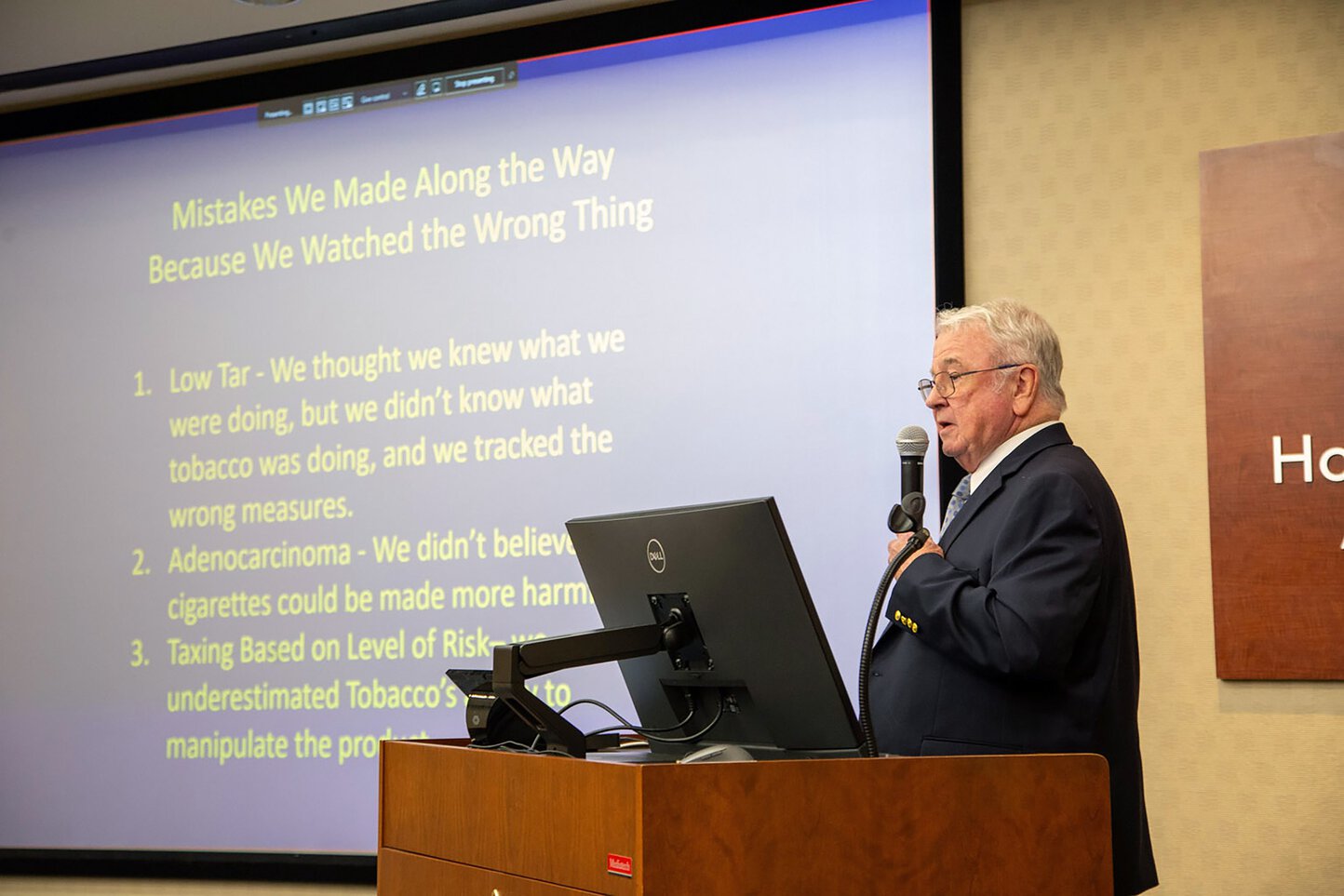
A man speaks at a podium with a large screen behind him showing slides.

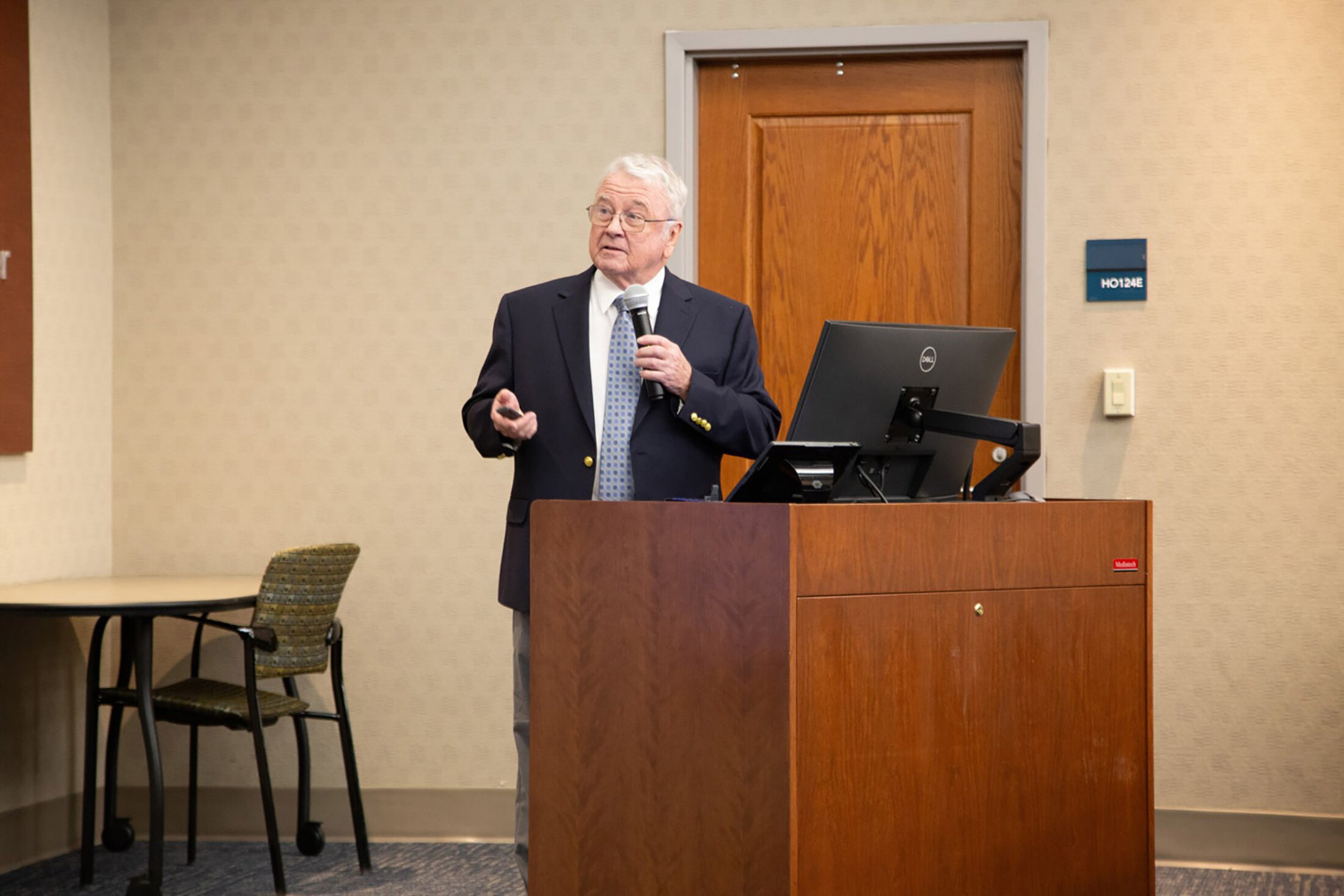
Tracking Nicotine and Disease: Great progress, but have we lost our way?

David Burns, M.D.

Emeritus Professor, Family Medicine and Public Health
University of California, San Diego

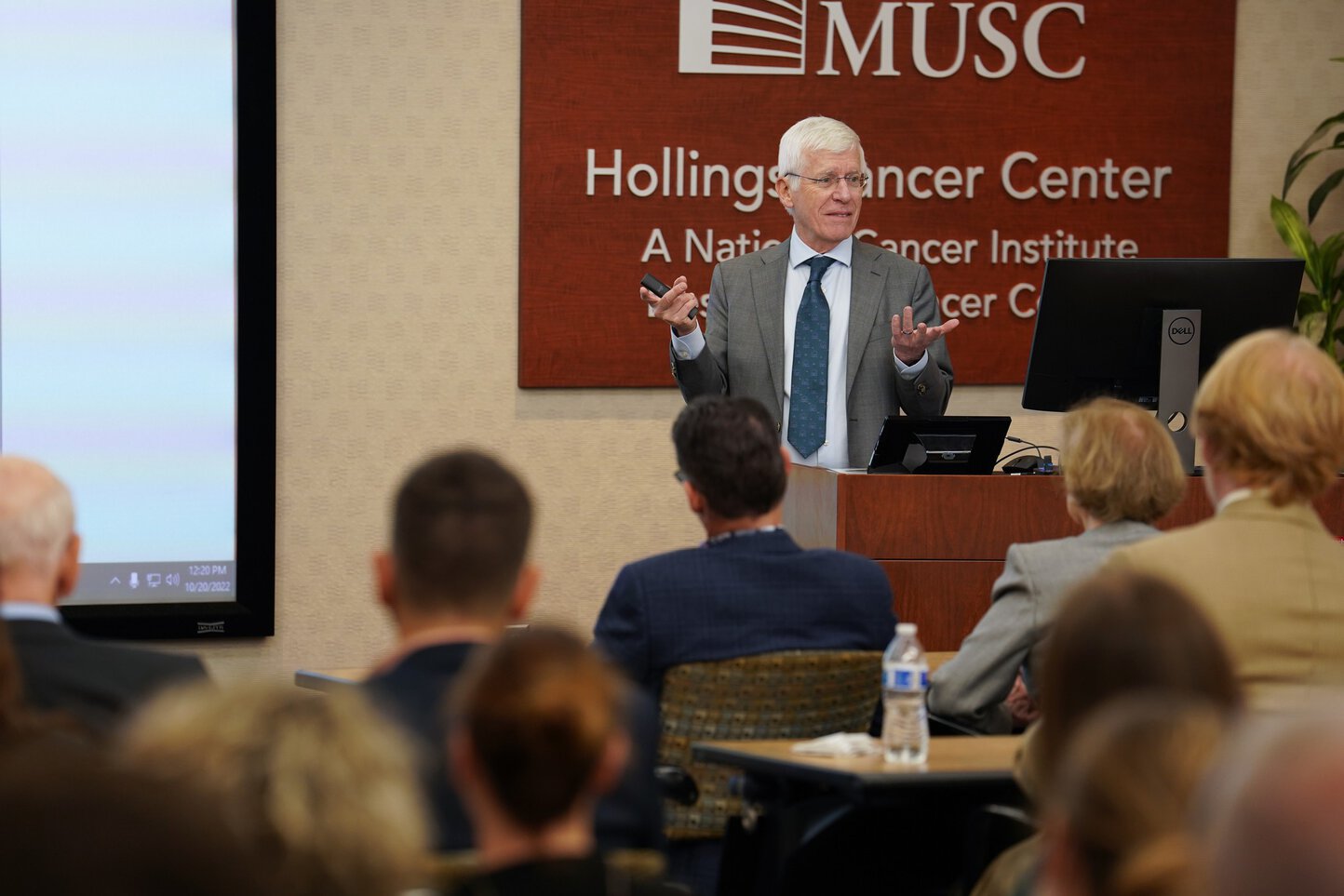
David Burns, M.D., is Professor Emeritus at the University of California San Diego School of Medicine. He is well known for his work serving as Scientific/Editor or Reviewer of Reports of the Surgeon General on Smoking and Health, published between 1975 and 2020.

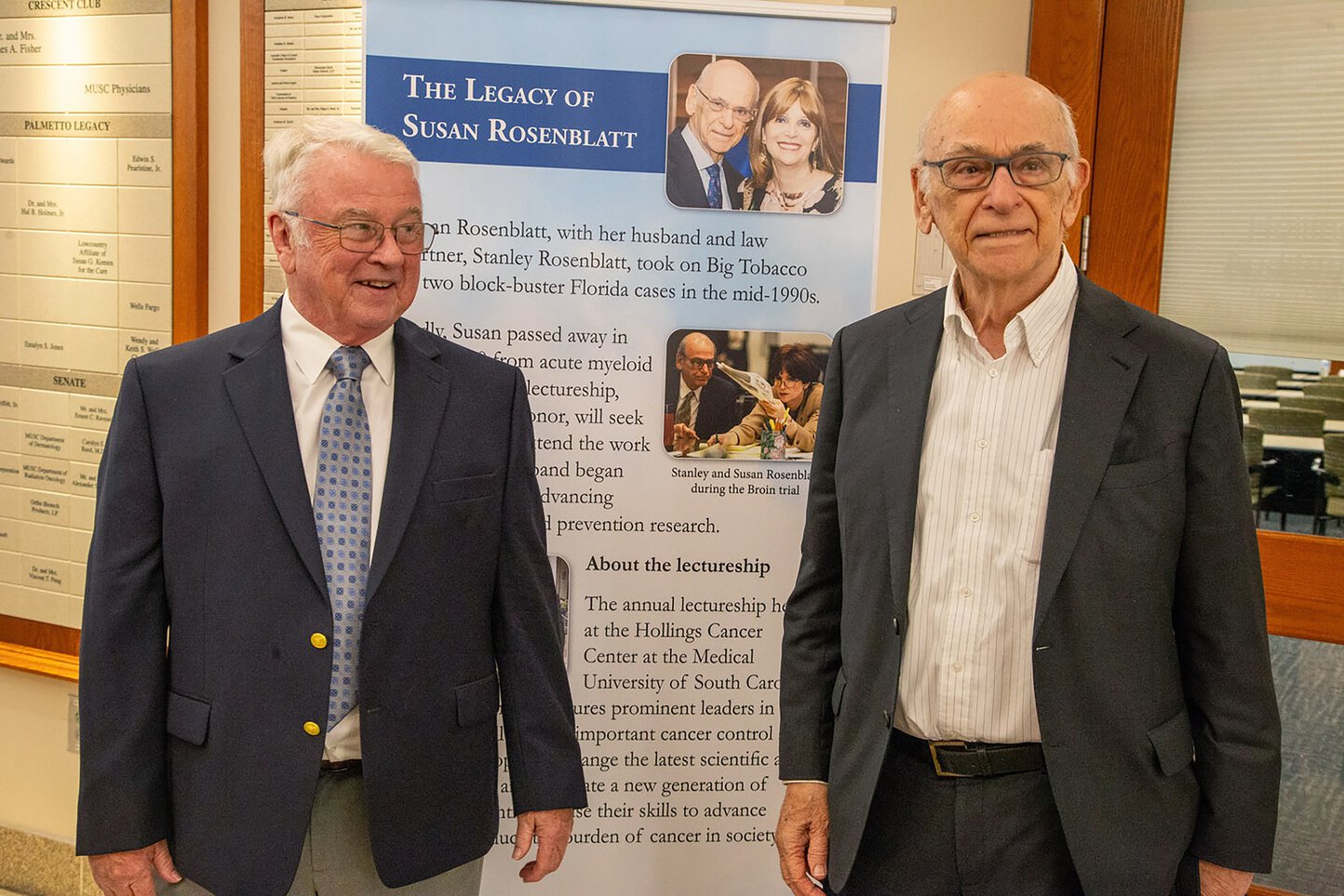
In the 1990s, Dr. Burns was a key expert witness in litigation against cigarette makers in two class-action cases brought by Stanley and Susan Rosenblatt, making Dr. Burns a fitting choice as keynote speaker for the 2nd Annual Lectureship to honor the contributions of Susan Rosenblatt to the field of cancer prevention and control.

A man speaking at a podium gestures to the screen showing his slides.

The Global Tobacco Pandemic: How did we bend the curve?

Jonathan Samet, M.D., MS

Dean and Professor
Colorado School of Public Health

Jonathan Samet, M.D., MS, has been an editor of several U.S. Surgeon General’s reports on smoking and health. He is a FAMRI Distinguished Professor and serves as Dean of the Colorado School of Public Health. Dr. Samet is a fitting choice to give the inaugural lectureship to honor the contributions of Susan Rosenblatt to the field of cancer prevention and control.

Dr. Samet is a pulmonary physician and one of the world’s leading experts on the adverse health impact of air pollutants. Dr. Samet served as an expert witness in both cases filed by the Rosenblatts and will discuss how Susan and Stanley Rosenblatt helped accelerate the decline of cigarette consumption both domestically and globally and ultimately diminished the power of the cigarette industry.

A man speaks at a podium with a large screen showing slides behind him.