Since arriving at MUSC Hollings Cancer Center in 2020, oncologist Mariam Alexander, M.D., Ph.D., has played a key role in efforts to prepare South Carolina for the next generation of cancer treatment.
Immune-based cellular therapies represent one of the most promising frontiers in cancer treatment. These therapies have dramatically improved outcomes for some cancers. However, for patients with solid tumors, such as those found in lung, breast and skin cancers, progress has been slower. Only in the past five years have the first therapies begun to receive regulatory approval, and most remain available only through clinical trials.
With support from a two-year Early Career Cancer Clinical Investigator Award from the National Cancer Institute (NCI), Alexander is establishing the infrastructure to bring these emerging therapies to cancer patients in South Carolina.
Rather than funding a single study or project, the competitive award invests in the physician-scientist – providing protected time, structured mentorship and career development resources. That dedicated investment has allowed Alexander to create the clinical and research foundation to advance cellular therapies at Hollings. By building out the program, she is expanding treatment opportunities for patients today while laying the groundwork for clinical trials in the years ahead.
Why cellular therapy is different
Building a cellular therapy program is not as simple as developing new drugs. These treatments are fundamentally different from traditional cancer therapies – both in how they work and are delivered. They must be engineered, monitored and personalized.
It’s about creating infrastructure. Once the foundation is in place, other physicians can build on it. That’s how programs grow and how we move cancer care forward.
One of the most common cancer treatments – chemotherapy – attacks cancer by targeting fast-growing cells, but it can also damage healthy tissue, and many tumors eventually develop resistance. Cellular therapies take a different approach. Instead of directly attacking tumors with toxic agents, they harness the patient’s immune system to recognize and target the cancer more precisely.
“These treatments use the patient’s own immune cells to attack cancer in a very specific way,” Alexander explained. “Instead of repeatedly giving chemotherapy, many of these are one-time treatments designed to activate the immune system to do the work.”
In blood cancers, cellular therapies such as CAR-T have been transformative for some people whose cancer does not respond to treatment or quickly returns. For solid tumors, however, the field is still emerging. Most approaches remain in early-stage clinical trials or preclinical development.
Solid tumors pose specific biological challenges. Many create a protective environment that shuts down or weakens immune cells, making it harder for engineered treatments to do their jobs. Others do not display clear “flags” that distinguish cancer cells from healthy ones, making it difficult to target the tumor safely. Together, these factors make designing effective cellular treatments complex.
When promising therapies are developed, delivering them safely poses another challenge. Immune-based treatments can trigger inflammatory reactions that require intensive monitoring, particularly early in treatment. This combination of scientific complexity and clinical risk means solid tumor cellular therapies require coordinated teams, specialized protocols and hospital systems prepared to manage custom cell products and closely monitor patients. For Alexander, building that infrastructure was the next critical step.
From a single trial to a new inpatient team
That infrastructure started with a single clinical trial.
Hollings had the opportunity to be part of a study for small cell lung cancer – an aggressive form of the disease. The trial would test tarlatamab, also called Imdelltra, an immune therapy known as a bispecific T-cell engager, or BiTE. BiTEs act as a bridge between the immune system and cancer cells, helping to direct a patient’s immune-supporting T-cells to recognize and attack the tumor.
Early treatment with tarlatamab requires hospitalization because the drug can trigger serious but manageable side effects, including an inflammatory reaction called cytokine release syndrome and neurologic symptoms that require close monitoring.
The malignant hematology teams at Hollings that care for patients with blood cancers, like leukemia and lymphoma, are experienced in managing these side effects. But because traditional treatments do not usually require that level of monitoring, there was no comparable team for solid tumors.
“At the time, we didn’t have a formal inpatient service for solid tumor patients receiving therapies like this,” Alexander said. “As a result, we used to turn away trials that required inpatient monitoring. But I felt this treatment was the future. If we couldn’t do it here, our patients would be at a serious disadvantage.”
Rather than pass on the opportunity, Alexander built a solution.
She partnered with fellow Hollings oncologist Christopher Rangel, M.D.; certified physician assistant Eleanor Hardy; and experienced inpatient nurses who already managed malignant hematology and transplant patients to create the Solid Tumor Advanced Research Team, or START. Together, they developed treatment protocols and trained staff on how to monitor these patients.
START successfully ran the tarlatamab clinical trial. That allowed the team to refine its inpatient protocols and monitoring systems in real time. When tarlatamab received Food and Drug Administration approval in 2024, the infrastructure to administer it at Hollings was already in place.
It’s truly a collaborative model. We’re harnessing the expertise that already exists at MUSC and Hollings and extending it to patients with solid tumors.
Today, Alexander, Rangel and Hardy collaborate with hospital staff to monitor lung cancer patients during the highest-risk period of treatment. Patients travel to MUSC for close observation during that initial stage, and then they transition back to their local oncologists once therapy can continue in the outpatient setting.
“We’ve shown that we can safely do this. That created a precedent,” Alexander said. “Now other solid tumor teams can open trials that require inpatient monitoring – something we simply couldn’t offer before.”
Expanding access to tumor-infiltrating lymphocyte therapy
With the inpatient framework in place, Alexander next began laying the groundwork to bring tumor-infiltrating lymphocyte (TIL) therapy – another form of cellular therapy – to MUSC.
TIL therapy involves surgically removing part of a patient’s tumor, isolating immune cells that have already entered that tumor and multiplying them into the billions. After patients receive preparative chemotherapy, the amplified immune cells are infused back into their bloodstreams to strengthen their bodies’ natural anti-cancer response.
Implementing TIL therapy is also complex. It requires coordination among surgeons, cellular therapy specialists, pharmacists, inpatient teams and institutional leadership. Alexander has worked closely with the MUSC Center for Cellular Therapy and the Hollings Blood and Marrow Transplant Team to develop standard operating procedures for tissue collection, cell processing, chemotherapy conditioning, post-infusion care and more.
MUSC Health has established the infrastructure to administer commercial TIL therapy for one type of solid tumor – melanoma – positioning the program to begin treating patients with the disease. Oncologist Russell Jenkins, M.D., Ph.D., leads the treatment efforts, which involve solid tumor physicians partnering closely with cellular therapy experts.
“It’s truly a collaborative model,” Alexander said. “We’re harnessing the expertise that already exists at MUSC and Hollings and extending it to patients with solid tumors.”
Preparing for the next generation of trials
During the first year of the two-year NCI Early Career Investigator Award, Alexander focused on building this infrastructure – creating workflows, assisting in developing protocols, coordinating studies and aligning teams across departments.
In the next phase for year two, she is expanding that vision.
Alexander is currently working with Shikhar Mehrotra, Ph.D., scientific director for immunology and oncology at the Center for Cellular Therapy, and thoracic surgeon Quynh Chu, M.D., to develop new TIL therapies for lung cancer that could be implemented in future clinical trials.
Her long-term goal is to build a comprehensive, sustainable cellular therapy program for solid tumors at Hollings.
“These are treatments that community oncology practices can’t typically administer,” Alexander said. “As an academic center, it’s important that we provide access. It opens doors, not just for one therapy but for future trials and innovations.”
For patients in South Carolina, the impact could be profound. Currently, many must travel to centers in Georgia or Florida to access cellular therapies. By establishing the capabilities at Hollings, patients could one day receive advanced treatments without leaving the state and continue their care close to home.
“It’s about creating infrastructure,” Alexander emphasized. “Once the foundation is in place, other physicians can build on it. That’s how programs grow and how we move cancer care forward.”
Featured in this story
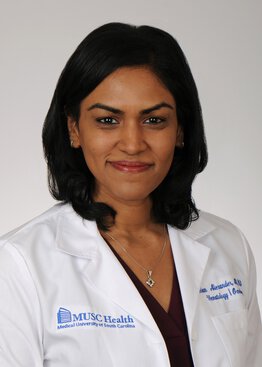
Mariam Alexander, M.D., Ph.D.
Dr. Mariam Alexander is a physician in the Hematology/Oncology division. Her clinical and research interests are in solid tumor biology, with a special focus on lung cancer and targeted therapies. Her mission is to improve access to state of the art, personalized care for cancer patients and support them through their challenging diagnoses.She earned her Ph.D. in molecular biology and genetics at the University of Toronto, Canada. Her training in hematology and oncology was done at the Montefiore Medical Center in NYC. Prior to that, she did her medical training at Saba University School of Medicine and completed her internal medicine residency at SUNY Upstate Medical University in Syracuse, NY.
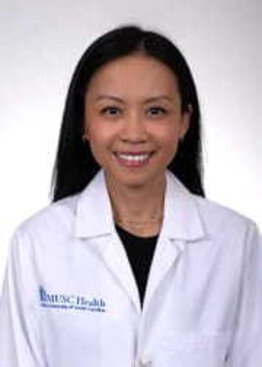
Quynh Chu, M.D.
Quynh Chu, MD is a cardiothoracic surgeon who specializes in treating diseases of the lung, esophagus, airway, mediastinum, and chest wall with a particular interest in thoracic surgical oncology and minimally invasive and robotic surgical techniques.
Dr. Chu received her undergraduate degree from Yale University and her medical degree with honors from the Geisel School of Medicine at Dartmouth. She completed general surgery residency at Harvard-affiliated Beth Israel Deaconess Medical Center in Boston, during which time she pursued a research fellowship at Brigham and Women's Hospital and Massachusetts General Hospital. Shen then completed specialty training in cardiothoracic surgery at Memorial Sloan Kettering Cancer Center and its partner institution New York Presbyterian/Weill Cornell Medical Center in New York City.
She has performed extensive research in tumor immunology and investigated novel methods of drug delivery to prevent cancer recurrence, authoring numerous peer-reviewed scientific publications.
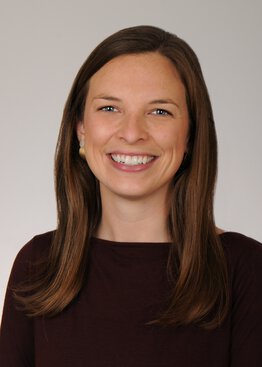
Eleanor Hardy, MSPAS, PA-C
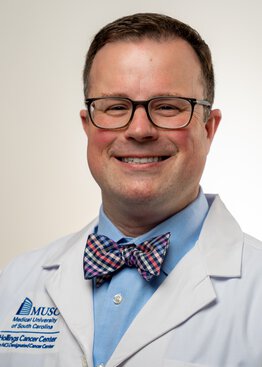
Russell Jenkins, M.D., Ph.D.
I am a physician-scientist medical oncologist with a clinical focus on melanoma and cutaneous malignancies. My research is focused on the development of novel therapeutic strategies to overcome immunotherapy resistance in melanoma and other cancers. In addition to established in vivo and in vitro models of cancer, my lab utilizes novel patient-derived tumor models. Our patient-derived organotypic tumor spheroids (PDOTS) platform involves ex vivo 3D microfluidic culture of multicellular tumor spheroids from tumor explants that retain native tumor-infiltrating immune and stromal elements. PDOTS profiling enables evaluation of tumor-immune dynamics in response to therapeutic pressure using clinically relevant biospecimens for preclinical and clinical applications.
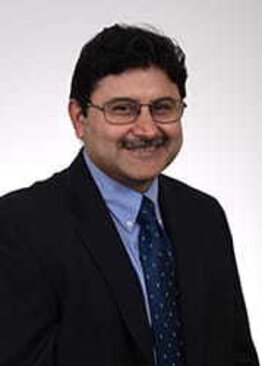
Shikhar Mehrotra, Ph.D.
Dr. Shikhar Mehrotra completed his Ph.D. in Immunology in India and post-doctoral fellowship at the University of Connecticut Health Center in Farmington, CT. He joined MUSC in 2006, where his research focuses on understanding T cell biology for improving immunotherapy of cancer.
Dr. Mehrotra has held numerous leadership roles at MUSC alongside his highly productive research career. He is currently the co-scientific director of Oncology and Immunotherapy Programs for the Center for Cellular Therapy, an FDA registered cGMP level facility with capabilities ranging from immunomonitoring of patient samples to manufacturing of cellular products for immunotherapy. He has served on the College of Medicine’s Research Oversight Committee since its inception in 2020.
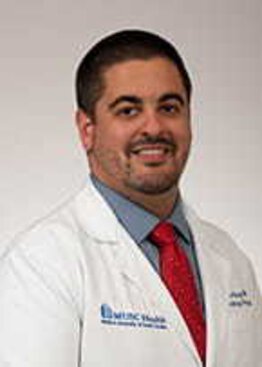
Christopher Rangel, M.D.
Dr. Christopher A. Rangel is a board-certified medical oncologist who specializes in managing patients with non-small cell lung cancer, small cell lung cancer, and thymic cancers.
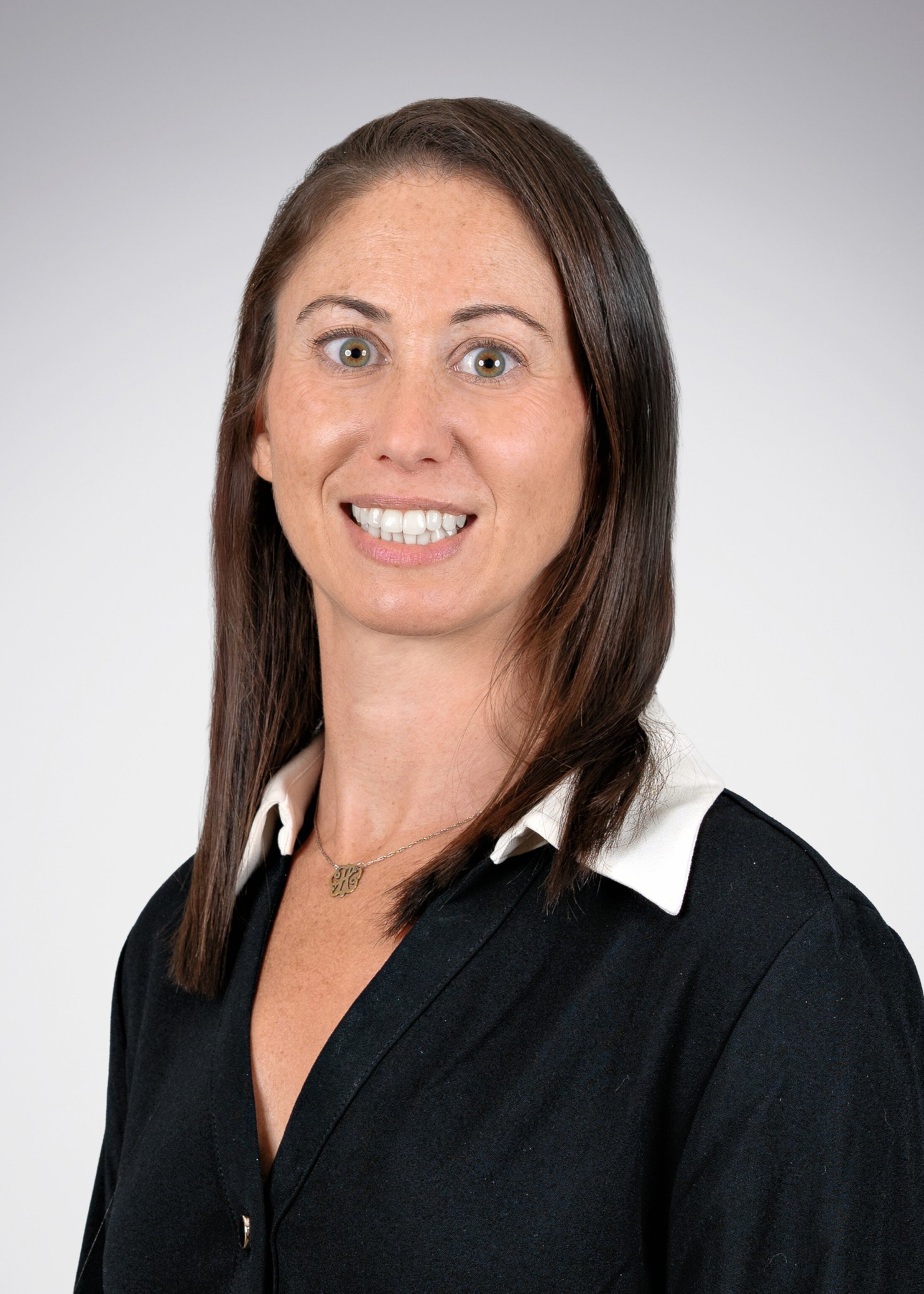
Hayley Kamin
Communications Manager
Hayley Kamin is the communications manager for the Hollings Cancer Center Communications and Marketing team, having joined the team in 2025 after three years as a communications specialist at the National Institutes of Health (NIH). As a science communicator with a Ph.D. from the University of Florida, she has extensive experience translating complex research into clear, engaging content. Her career has included roles at the NIH’s National Institute of Mental Health and the American Psychological Association, where she led content development and editorial strategy, developed science and health communications and worked with researchers and clinicians to strengthen public understanding of research.
Contact Hayley at kamin@musc.edu.
Recent Cancer Clinical Trials stories