At 80 years old, Betty Frasier has lived through more than most people. That includes four cancer diagnoses, years of treatment and more hospital stays than she can easily count. She has faced surgeries, recurrence and the long, uneven road that follows.
But when she looks back on what carried her through it all, it is not just the treatment she thinks of first. It is the relationships, especially the clinicians at MUSC Hollings Cancer Center, who connected with her, helped her to make difficult care decisions and made sure she was never alone in navigating her cancer journey.
“I just think I’ve been blessed,” she said. “Because I’m still here.”
A long and complicated road
Frasier’s cancer journey spans nearly a decade and includes multiple diagnoses across both lungs, requiring treatment with surgery, radiation, chemotherapy and immunotherapy.
Her health challenges began far earlier. She was diagnosed with asthma as a child and later developed chronic obstructive pulmonary disease (COPD).
Like many people of her generation, Frasier spent years working in environments where exposure risks were poorly understood, including factory jobs involving chemicals. She also smoked for much of her adult life, a habit she now reflects on with striking honesty.
“They were my buddy,” she said of cigarettes. “They helped me cope, and I leaned on them when things were hard. I didn’t realize how much they could affect me.”
In 2016, at age 70, her doctors in Rochester, New York, discovered separate cancers in each lung. She underwent back-to-back surgeries, including the removal of part of her right lung and a more targeted surgery on her left lung to remove tissue with cancer.
The experience was frightening. A reaction to anesthesia left her struggling to wake up, and recovery was long and uncertain. Even after returning home, life did not feel the same.
“It was just a mess,” she said. “It was a really scary time.”
Then, in December 2017, Frasier moved back to her hometown of Charleston to be closer to family. That is when she transferred her care to Hollings.
You can’t just take what one doctor says. You have to ask questions and understand what’s going on.
By then, her cancer journey was well underway. She arrived not as a newly diagnosed patient but as someone with a complicated medical history and a hard-earned understanding of what it means to be a cancer patient.
“You can’t just take what one doctor says,” she had learned. “You have to ask questions and understand what’s going on.”
That perspective shaped how she approached care. Trust, for her, was not automatic. Rather, it was earned and built over time.
At Hollings, she found that trust in a care team led by pulmonologist Gerard Silvestri, M.D., a specialist in lung cancer and pulmonary disease, who helped to coordinate the complex decisions her care required.
The difference care can make
What made Frasier’s experience difficult was not just the initial diagnosis but what came next. In the years that followed, her cancer returned – more than once.
Each time, her care became more complicated, requiring repeated surgeries and treatments in multiple areas of her lungs. By 2024, when a new tumor was found and the cancer had spread to nearby lymph nodes, Frasier’s case was reviewed by a team of specialists at MUSC who worked together to determine the best path forward.
As her care grew more complex, that continuity became essential. Oncologists, radiotherapists, pulmonologists, supportive care providers, pain management specialists, nursing staff and others worked together to adjust plans, manage side effects and respond to changes in her health in real time.
“These are not simple decisions,” Silvestri said of her care plan. “You have to look at the whole patient, not just the cancer, and figure out what treatment will give them the best chance while still being something their body can tolerate.”
Every one of those decisions meant balancing two realities: treating the cancer effectively while protecting Frasier’s fragile lungs. That kind of care depends on more than medical expertise. It requires coordination across specialties and a team that stays aligned as a patient’s needs change.
You have to look at the whole patient, not just the cancer, and figure out what treatment will give them the best chance while still being something their body can tolerate.
For Frasier, what stands out most is how her care was delivered. She described a team that went beyond treating the cancer: checking in, following up and making sure she felt supported between visits.
“I don’t think I could go anywhere else,” she said of MUSC and Hollings. “The people there really help me. They work with me. They call to make sure I’m OK.”
Even with that support, the physical toll has been significant and, at times, overwhelming. Chemotherapy left her severely ill and unable to eat, while radiation brought lasting fatigue, and COPD made even short walks difficult. Today, she relies on oxygen and continues to manage the long-term effects of both her disease and its treatment.
Through it all, she also carried the emotional weight of cancer in her family. Both her parents had cancer. Several of her brothers, including her twin, have been diagnosed as well, one of whom died from the disease a few years ago.
“It’s not just me,” she said. “It’s everybody around me.”
Care that goes beyond cancer
For Frasier, care has come to mean more than treating cancer.
She also lives with chronic pain, depression and anxiety and the daily realities of limited lung function. Some days are harder than others.
Her care team has learned to treat all of it – not as separate problems but as part of one life. For Frasier, that means maintaining her independence, staying grounded in her faith and moving forward, even when it is not easy and often without saying much about it.
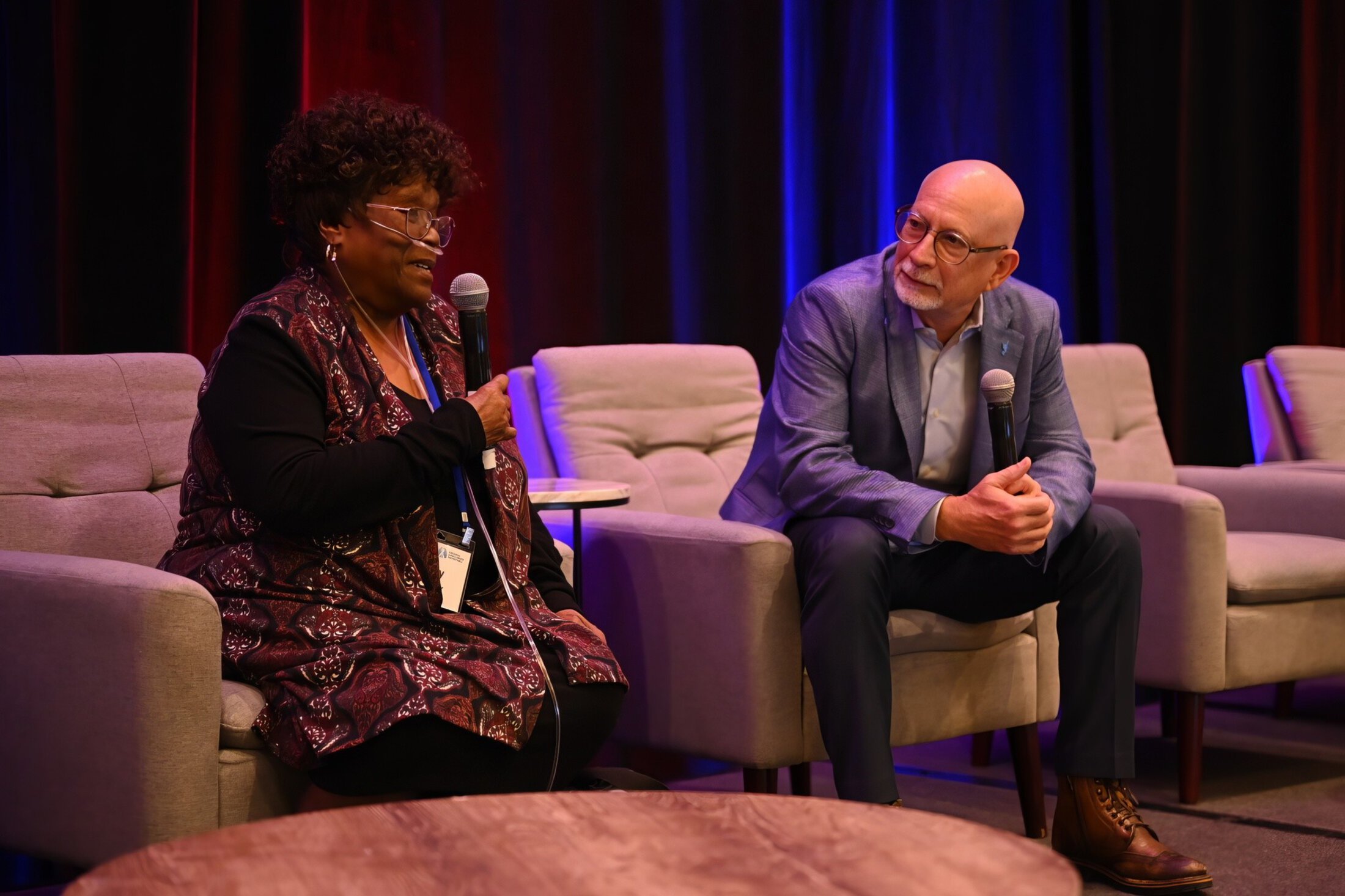
For years, she kept her experience with cancer to herself, explaining she never really talked about it with people in her life. That changed when Silvestri encouraged her to share her story at the American Cancer Society’s National Lung Cancer Roundtable annual meeting in December 2025.
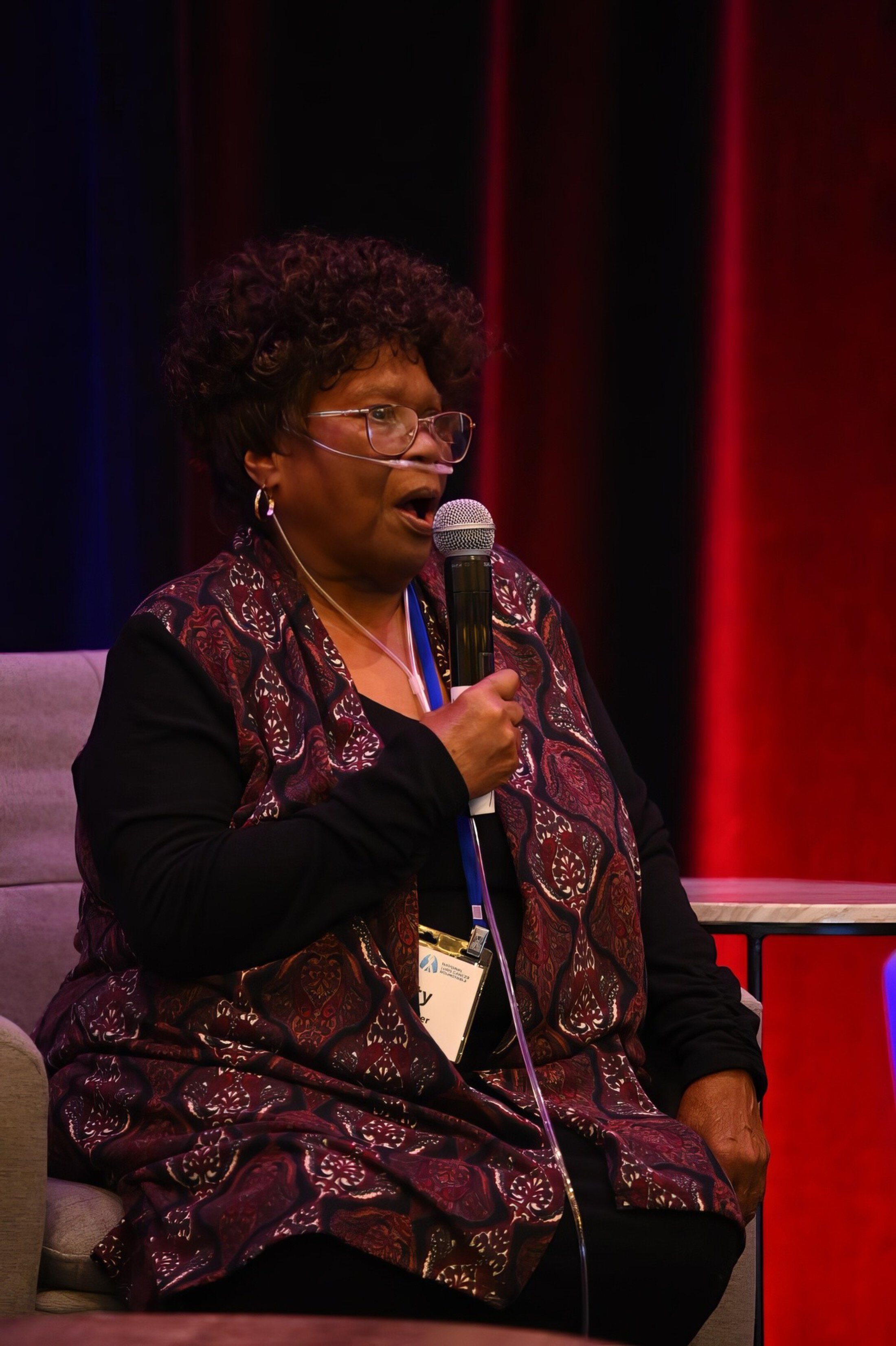
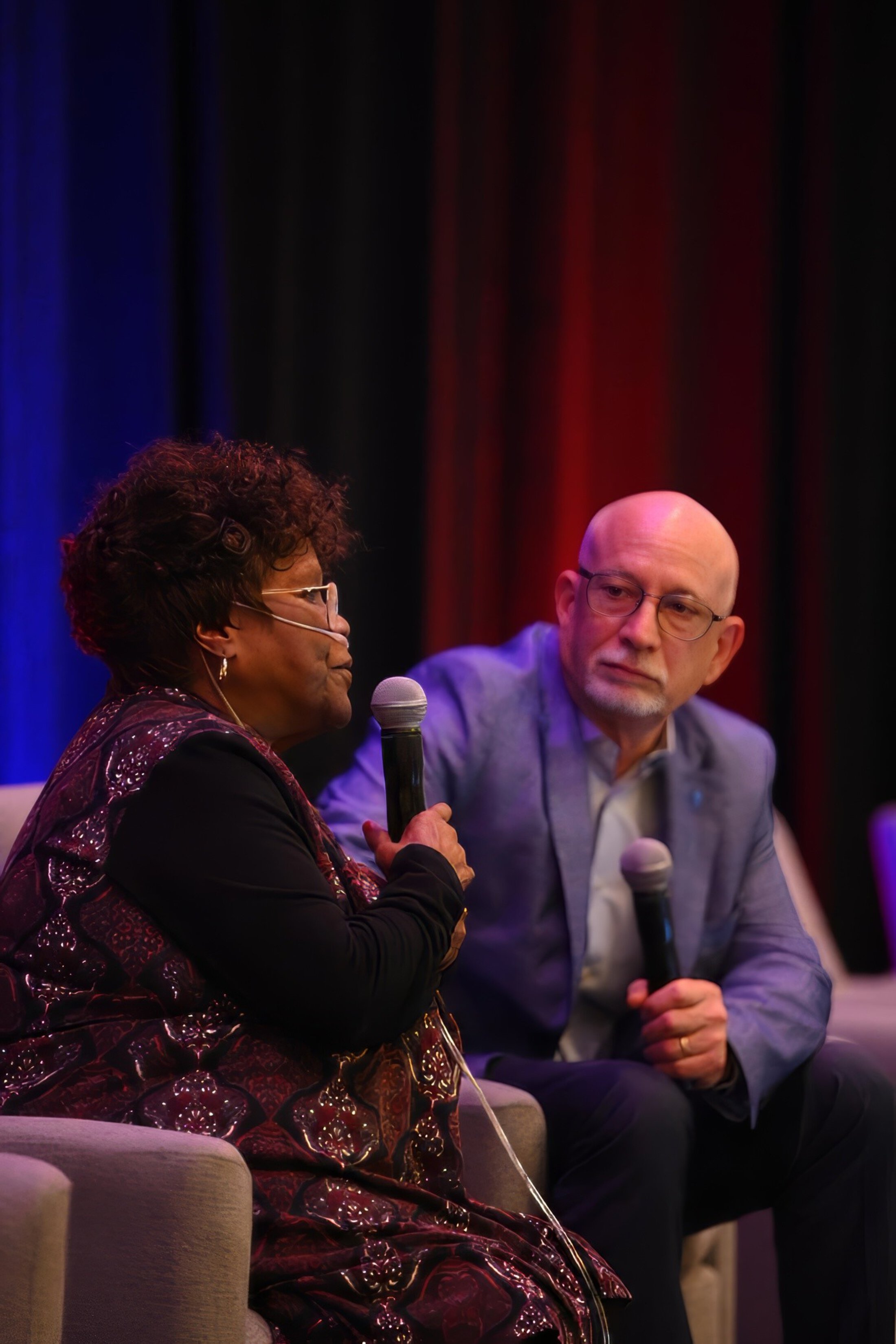
Not only did he suggest it – he made sure she got there – driving with her all the way to Georgia after a winter storm caused their flight to be canceled. Silvestri described the trip as inspiring, a rare stretch of uninterrupted time where the two talked, shared stories and, as Frasier opened up about her life, deepened a connection that had been building throughout her care. For him, it was a reminder that some of the most important moments in medicine happen outside the clinic, when patients realize they are not going through it alone.
“Betty is a native of South Carolina, and as we traveled the back roads toward Atlanta, she reminded me that her grandparents worked the cotton fields that we were passing, and that her great-grandparents were slaves,” Silvestri recalled. “During that nearly five-hour ride, we shared stories and snacks and joked about the characters in both our families. It was all fun and games until her oxygen supply ran out. We even joked about that, wondering how embarrassing it would be to have a pulmonologist’s patient run out of oxygen and end up in the hospital.”
At first, Frasier had resisted attending the meeting, admitting she even tried to get out of speaking at the event. But once she stood in front of the audience, a room filled with several hundred clinicians, researchers and patients, something shifted.
“I wasn’t afraid anymore,” she said. “Everybody there just seemed so loving and caring.”
In that moment, she was no longer just a patient. She was part of a community – one shaped not only by illness but by connection. Despite her trials and tribulations, Betty shared with the conference attendees that she still has days filled with joy and that, at 80 years old, still has plenty of fight left in her. A true cancer survivor and a patient beloved by the caregivers at Hollings.
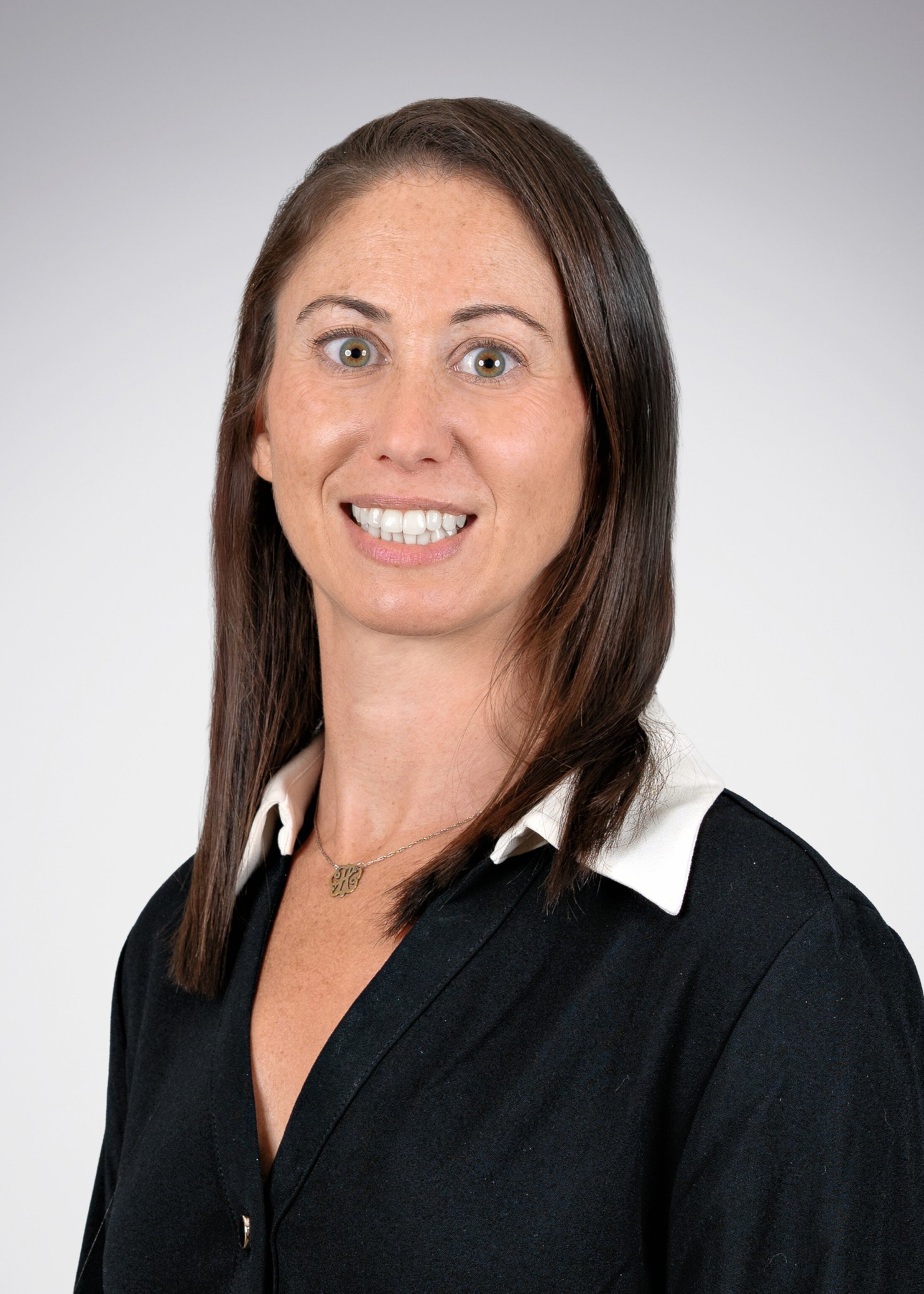
Hayley Kamin
Communications Manager
Hayley Kamin is the communications manager for the Hollings Cancer Center Communications and Marketing team, having joined the team in 2025 after three years as a communications specialist at the National Institutes of Health (NIH). As a science communicator with a Ph.D. from the University of Florida, she has extensive experience translating complex research into clear, engaging content. Her career has included roles at the NIH’s National Institute of Mental Health and the American Psychological Association, where she led content development and editorial strategy, developed science and health communications and worked with researchers and clinicians to strengthen public understanding of research.
Contact Hayley at kamin@musc.edu.
Recent Cancer Care stories