For people living with von Hippel-Lindau (VHL) disease, cancer care is a lifelong journey. It often begins in childhood and involves monitoring multiple organs, seeing specialists across many disciplines and making difficult decisions about when and how to treat tumors.
Now, patients with the disease living in South Carolina have a specialized place to turn.
MUSC Hollings Cancer Center has been recognized as a VHL clinical affiliate by the VHL Alliance, the leading patient advocacy organization for the rare inherited condition. Hollings joins a network of fewer than 50 specialized centers nationwide and is the only one in South Carolina. The designation recognizes centers that provide coordinated multidisciplinary care for patients and families affected by VHL.
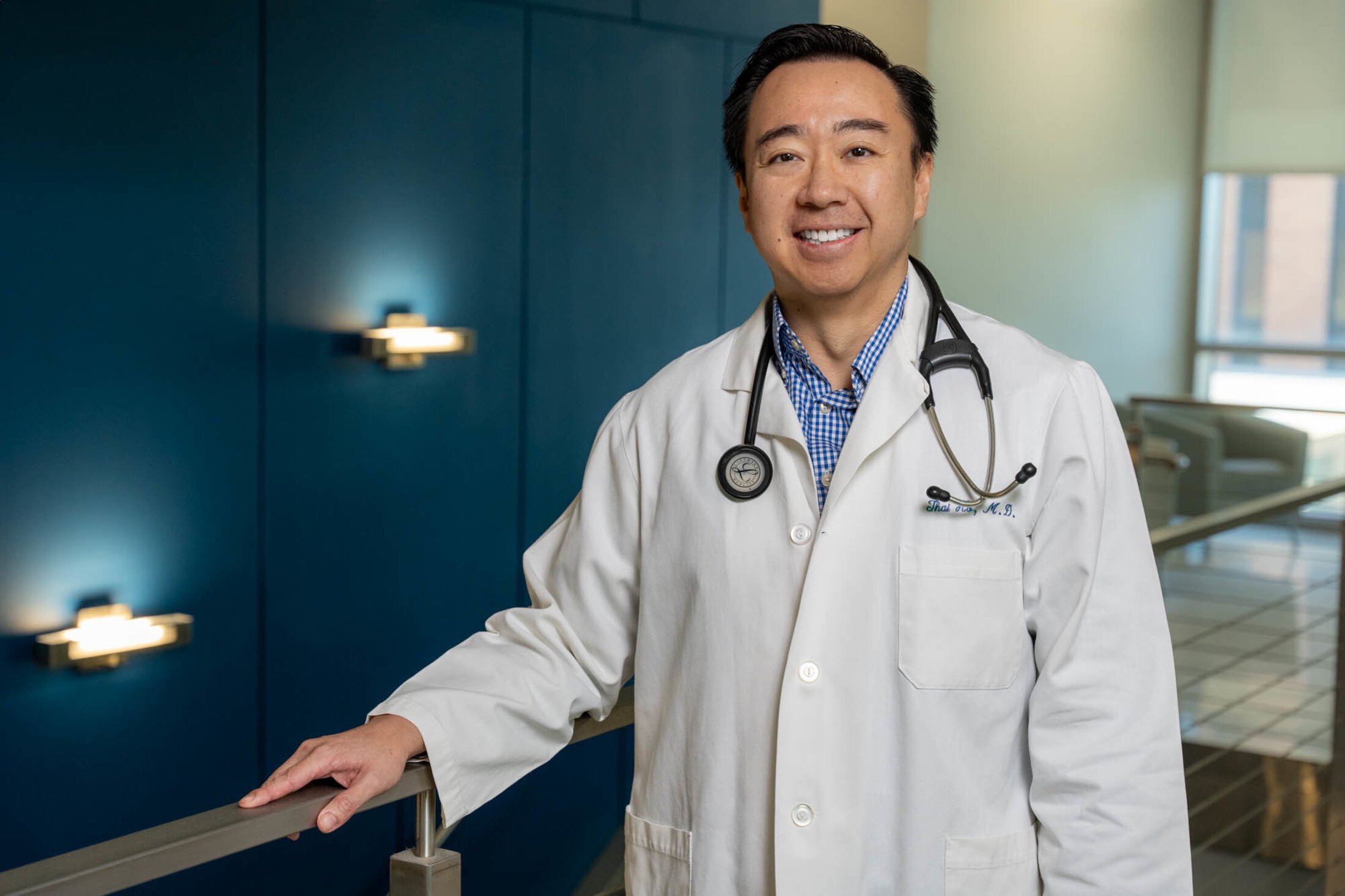
“These patients may develop their first tumors in childhood, adolescence or adulthood and experience several different cancers over their lifetimes,” said Thai Ho, M.D., Ph.D., a medical oncologist and leader of the VHL program at Hollings. “Our goal is to provide a medical home where patients have access to knowledgeable specialists who work together to help prevent cancer and reduce the impact of the disease on their lives.”
What is VHL?
VHL is a rare inherited condition that increases a person’s lifetime risk of developing tumors and cancers in multiple parts of the body. VHL can be passed down through families, and a child of someone with the condition has a 50% chance of inheriting it.
People with VHL can develop tumors in their eyes, ears, brain and spinal cord at young ages as well as cancers of the kidneys, pancreas and adrenal glands later in life. Unlike many cancers, where treatment begins after a diagnosis, VHL care focuses on detecting tumors early and monitoring patients throughout their lives to prevent serious complications.
“Most of the patients who come to me as a medical oncologist, unfortunately, have advanced cancer,” Ho said. “With VHL, we have an opportunity to intervene earlier. Sometimes that means monitoring tumors over time and only treating them when necessary. Our goal is to maximize quality of life while reducing the risk of developing more challenging cancers.”
What does it mean to be a VHL clinical affiliate?
To earn the designation, Hollings assembled a multidisciplinary team of specialists across both adult and pediatric care, including experts in oncology, genetics, urology, neurosurgery, endocrinology, ophthalmology, psychology, social work, patient navigation and palliative care.
The clinical care center is designed as a physical and virtual hub for patients and families, providing coordinated care throughout every stage of life. By bringing together pediatric and adult specialists, Hollings ensures that patients can transition seamlessly from childhood to adulthood without losing access to the specialized care they need.
Although VHL is a hereditary condition, we have more opportunities than ever to make a difference. With coordinated care, lifelong surveillance and new therapies, we can help patients live healthier lives while minimizing the burden of the disease.
“Patients have a touchpoint at MUSC that can coordinate appointments with all of the specialists involved in their care,” Ho said. “Many of our visits can happen virtually, and we can ship medications and schedule blood work closer to where patients live. We want to minimize the burden of care while making sure patients receive the surveillance and treatment they need.”
The VHL designation is part of Hollings’ precision medicine initiative, which uses a person’s genetic information to guide more personalized approaches to cancer prevention, monitoring and treatment. It builds on Hollings’ existing precision medicine efforts to identify hereditary syndromes and provide personalized cancer prevention and care strategies for patients and their families.
Because VHL is an inherited condition, genetic testing and counseling are central components of care. Diagnosing one person with VHL can identify other family members who may also have the condition and could benefit from earlier monitoring and preventive care. Genetic counselors can also walk patients through family planning options and reproductive technologies that may reduce the risk of passing VHL on to future generations.
“Once we find one affected person, we often identify brothers, sisters or children who may also have VHL,” Ho said. “By diagnosing patients earlier, we have opportunities to prevent cancer or reduce its impact for entire families.”
What treatment options are available for VHL?
Advances in precision medicine have transformed treatment options for patients with VHL. In recent years, the U.S. Food and Drug Administration approved therapies specifically designed to treat tumors associated with the condition. These medications can shrink tumors throughout the body and, in some cases, allow patients to avoid or delay surgery.
“These are therapies that simply weren’t available several years ago,” Ho said. “We’re now able to offer oral treatments that can reduce or shrink tumors and improve patients’ long-term outcomes.”
While treatment options have expanded significantly, early diagnosis and lifelong monitoring remain essential. Because VHL affects multiple organs and presents differently from person to person, it is important to receive care from specialists familiar with the condition who can develop individualized surveillance and treatment plans.
Ho hopes the new designation will not only improve care for patients already or newly diagnosed with VHL but also increase awareness among physicians in South Carolina.
“It’s always worthwhile meeting with physicians who understand VHL to learn what surveillance should look like. The earlier patients enter surveillance programs, the more opportunities we have to reduce the impact of cancer on their lives,” Ho said. “Although VHL is a hereditary condition, we have more opportunities than ever to make a difference. With coordinated care, lifelong surveillance and new therapies, we can help patients live healthier lives while minimizing the burden of the disease.”
Featured in this story
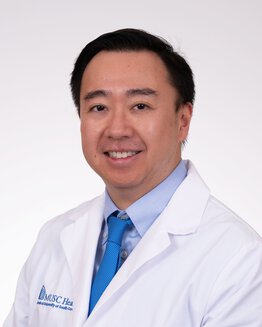
Thai Ho, M.D., Ph.D.
Dr. Thai Ho is an oncologist specializing in treating genitourinary cancers (bladder, upper tract, kidney). In the lab, Dr. Ho investigates clear cell renal cancer (ccRCC), which is among the top 10 leading causes of cancer deaths in the United States. He uses SETD2 mutations in ccRCC as a paradigm for investigating the mechanisms that underpin how these mutations drive cancer progression and to look for novel ways to target these mutations, which are still mostly regarded as undruggable.
For appointments
Patients already diagnosed with von Hippel-Lindau can call the Hollings Hereditary Cancer Clinic at 843-792-0745.
Patients without a diagnosis can call the main appointments number at 843-792-9300.
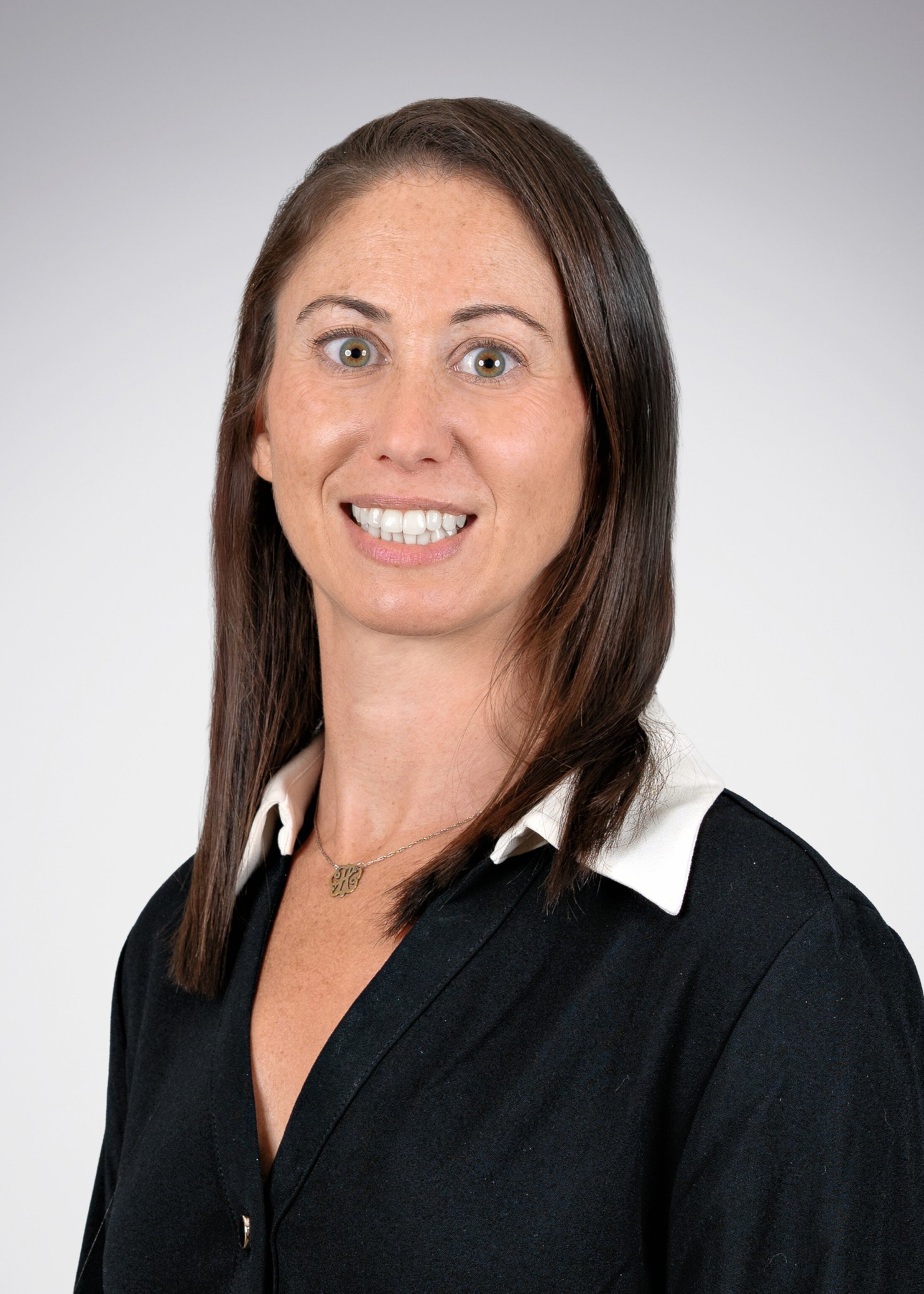
Hayley Kamin
Communications Manager
Hayley Kamin is the communications manager for the Hollings Cancer Center Communications and Marketing team, having joined the team in 2025 after three years as a communications specialist at the National Institutes of Health (NIH). As a science communicator with a Ph.D. from the University of Florida, she has extensive experience translating complex research into clear, engaging content. Her career has included roles at the NIH’s National Institute of Mental Health and the American Psychological Association, where she led content development and editorial strategy, developed science and health communications and worked with researchers and clinicians to strengthen public understanding of research.
Contact Hayley at kamin@musc.edu.
Recent Cancer Care stories