When Christina Gwozdz, M.D., learned she had breast cancer, she had been retired for less than a year. After 36 years as an ear, nose and throat doctor on Hilton Head Island, Gwozdz had stepped away from medicine at the beginning of 2025. She was looking forward to a new chapter – one with more time for hiking, skiing and other activities she loved.
Then a routine mammogram in October came back abnormal. Additional imaging and biopsies followed. By the end of the year, Gwozdz had gone from physician to patient.
“The hardest part was knowing you had cancer,” she said.
What followed was months of surgery, chemotherapy and radiation. But through it all, Gwozdz was determined to keep doing the things that mattered to her – whether that meant walking a few miles, heading into the mountains or serving her community.
“I do what I have to do,” Gwozdz said. “That’s just the kind of person I am.”
From physician to patient
Gwozdz’s years in medicine shaped how she approached her diagnosis.
During her career, she had referred many patients with head and neck cancers to MUSC. She had seen how specialists at MUSC Hollings Cancer Center come together through multidisciplinary tumor boards to review cases and recommend treatments.
When she received her diagnosis, she knew she wanted opinions from National Cancer Institute (NCI)-designated cancer centers. She sought care at both Hollings – South Carolina’s only NCI-designated cancer center – and Mayo Clinic in Jacksonville, ultimately dividing her treatment between the two locations.
Gwozdz underwent a mastectomy with a sentinel lymph node biopsy and the first stage of breast reconstruction at Mayo Clinic in January 2026. She then turned to Hollings for chemotherapy under the care of medical oncologist Abirami Sivapiragasam, M.D., known as Abi Siva to her patients, along with physician assistant Hannah Krueger, PA-C.
Siva emphasized that seeking opinions from multiple cancer centers can help patients to understand their options better and make informed decisions about their care. When treatment is divided between institutions, communication and coordination are especially important to ensure continuity of care.
“An independent review can confirm the diagnosis and recommendations, clarify alternatives and help patients feel more comfortable with their decisions,” said Siva.
Although Gwozdz’s breast cancer was at an early stage, certain characteristics of the tumor placed her at higher risk of recurrence. Her cancer was hormone receptor-positive and HER2-negative, meaning that hormones such as estrogen and progesterone could fuel its growth, but it did not have high levels of the HER2 protein.
Because of her higher risk of recurrence, Gwozdz opted for an intensive course of chemotherapy to reduce the chances of the cancer returning.
For 20 weeks, she and her husband drove from Bluffton to Charleston for chemotherapy. Although Siva told her she could receive treatment closer to home, Gwozdz chose to make the trip because of the confidence she had developed in her Hollings care team.
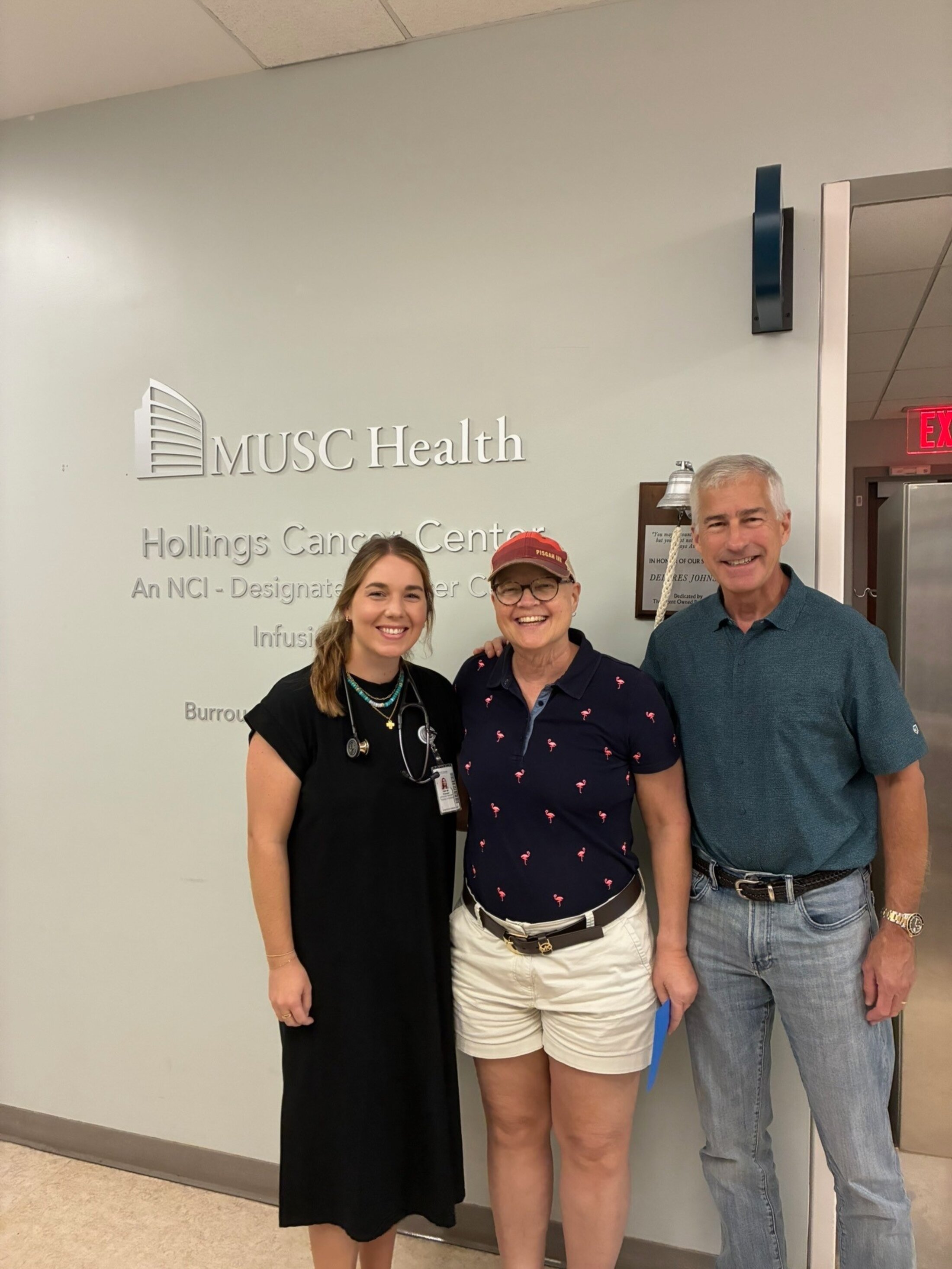
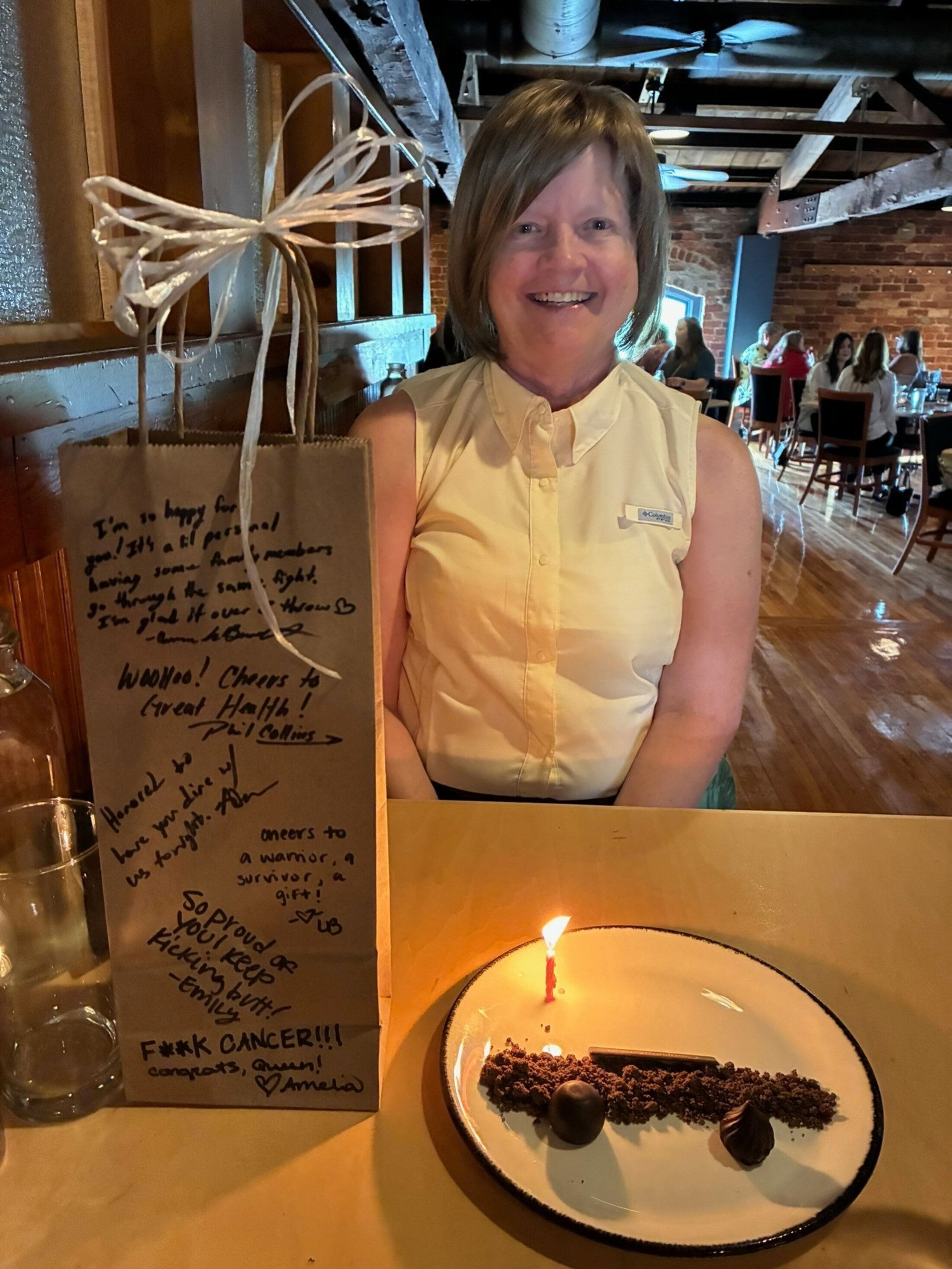
“My husband of 41 years has been incredibly supportive,” she said. “He handled the driving to and from Charleston on every chemotherapy day.”
Having spent decades caring for patients, Gwozdz understood the importance of finding physicians she trusted. She valued the expertise of her Hollings team in Charleston and wanted to continue receiving care from specialists who had helped to guide her treatment decisions.
After completing chemotherapy, Gwozdz returned to Mayo Clinic for radiation, finishing 16 treatments by the end of August.
One goal: Keep moving
Of all her treatments, Gwozdz said she found chemotherapy to be the most difficult. Still, she made an effort to stay active.
“Did I rest on some days? Yes, of course I did,” she said. “But I never stayed in bed.”
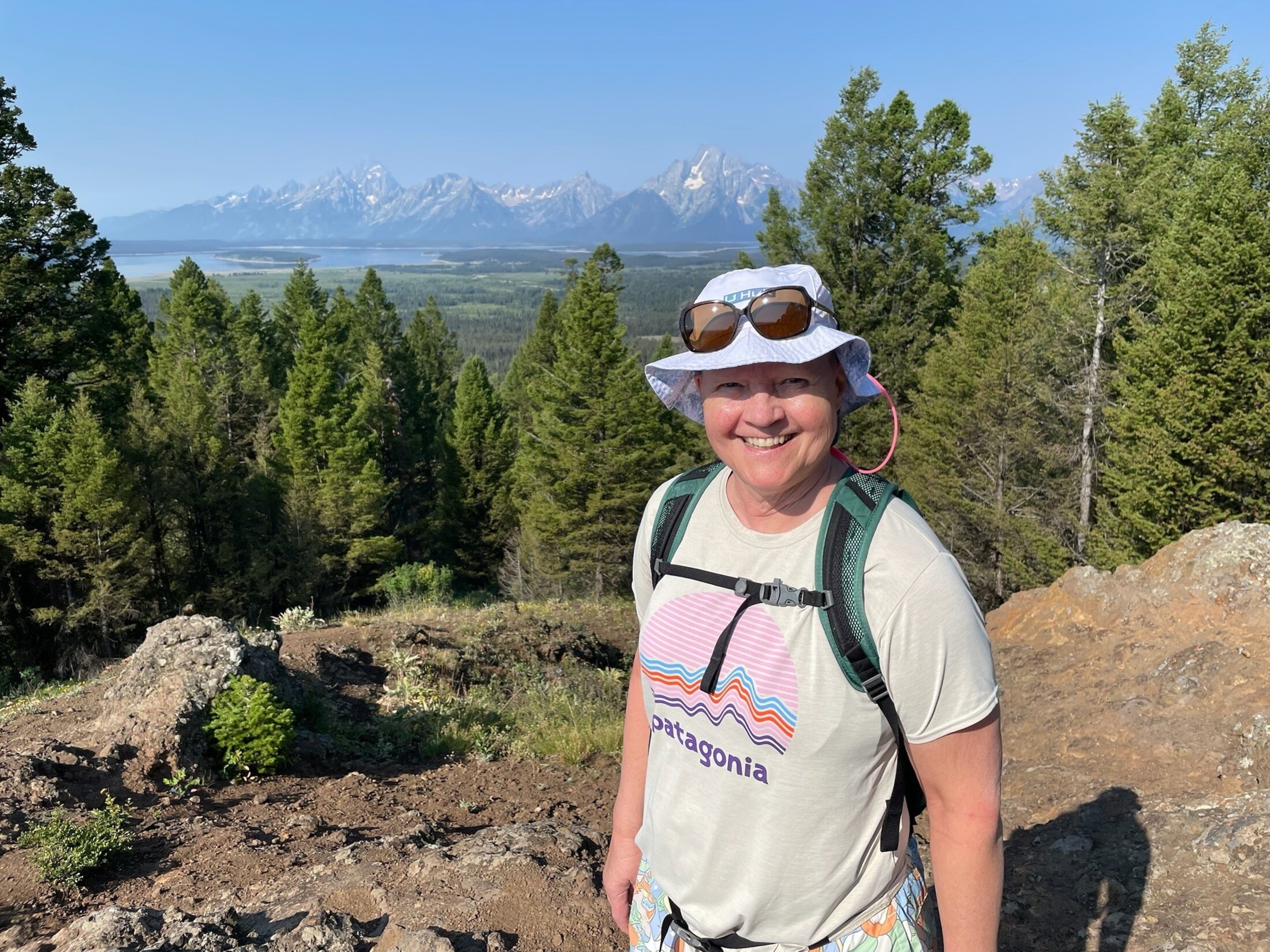
Starting the day after her mastectomy, Gwozdz began walking regularly, usually covering more than 3 miles a day. During chemotherapy, she exercised daily even when fatigued, and she learned to plan travel and hikes around the days when she typically felt her best.
She recognizes that every patient experiences cancer treatment differently and that she was fortunate to feel well enough to remain so active. For her, walking offered a sense of normalcy during months filled with medical appointments and treatments. It also allowed her to continue doing something she loved.
In September – just weeks after finishing radiation – Gwozdz had logged more than 100 miles of walking and hiking.
She also played an active role in other aspects of her recovery. When she began radiation, she asked to see a physical therapist because she was concerned about developing tightness in her chest and underarm. She received exercises to do at home and continued them throughout treatment.
The experience reinforced something she already understood as a physician but came to appreciate differently as a patient: the importance of speaking up about what you need. She encourages other patients to do the same.
Moving forward, making every day count
Staying active was not the only way Gwozdz continued pursuing what mattered to her during treatment.
She had previously served two terms on the Beaufort County Board of Education. When her former seat unexpectedly became vacant, and no one stepped forward to run, Gwozdz decided to put her name on the ballot.
At the time, she was still receiving chemotherapy.
For Gwozdz, the decision to run came down to a belief she had carried through her years of public service: Strong communities need strong public schools.
“It’s important that our children are provided the best education we can give them,” she emphasized.
She won the May special election and returned to the board.
Part of what made her able to do so was drawing strength from the people around her. Her husband, three adult sons and three brothers regularly checked in while close friends, her care teams and faith also helped to sustain her through the year.
Now, with cancer treatment behind her, Gwozdz is looking ahead to what comes next.
She remains under Siva’s care at Hollings and has started medications to reduce the risk of her cancer returning. Her care team is introducing the medications gradually, making it easier to identify the cause if side effects develop. She expects to continue oncology follow-up for years.
At the same time, she is returning to the life she envisioned before breast cancer interrupted it.
She has resumed strength training, with an eye toward two of her favorite activities: hiking and downhill skiing. Recently, she put her recovery to the test on Table Rock Trail in the Upstate of South Carolina, tackling a hike stretching over 7 miles and 2,300 feet in elevation. She said she finished it without a problem.
“My husband thinks I’m back to where I was before treatment,” she said.
And she is not stopping there. Next up is another camping and hiking trip in the mountains of North Carolina and Tennessee.
Gwozdz hopes that sharing an experience she had largely kept private might help someone else facing a cancer diagnosis. She encourages patients to seek expert guidance, find a care team they trust, lean on people who support them and remember they have a voice in their care.
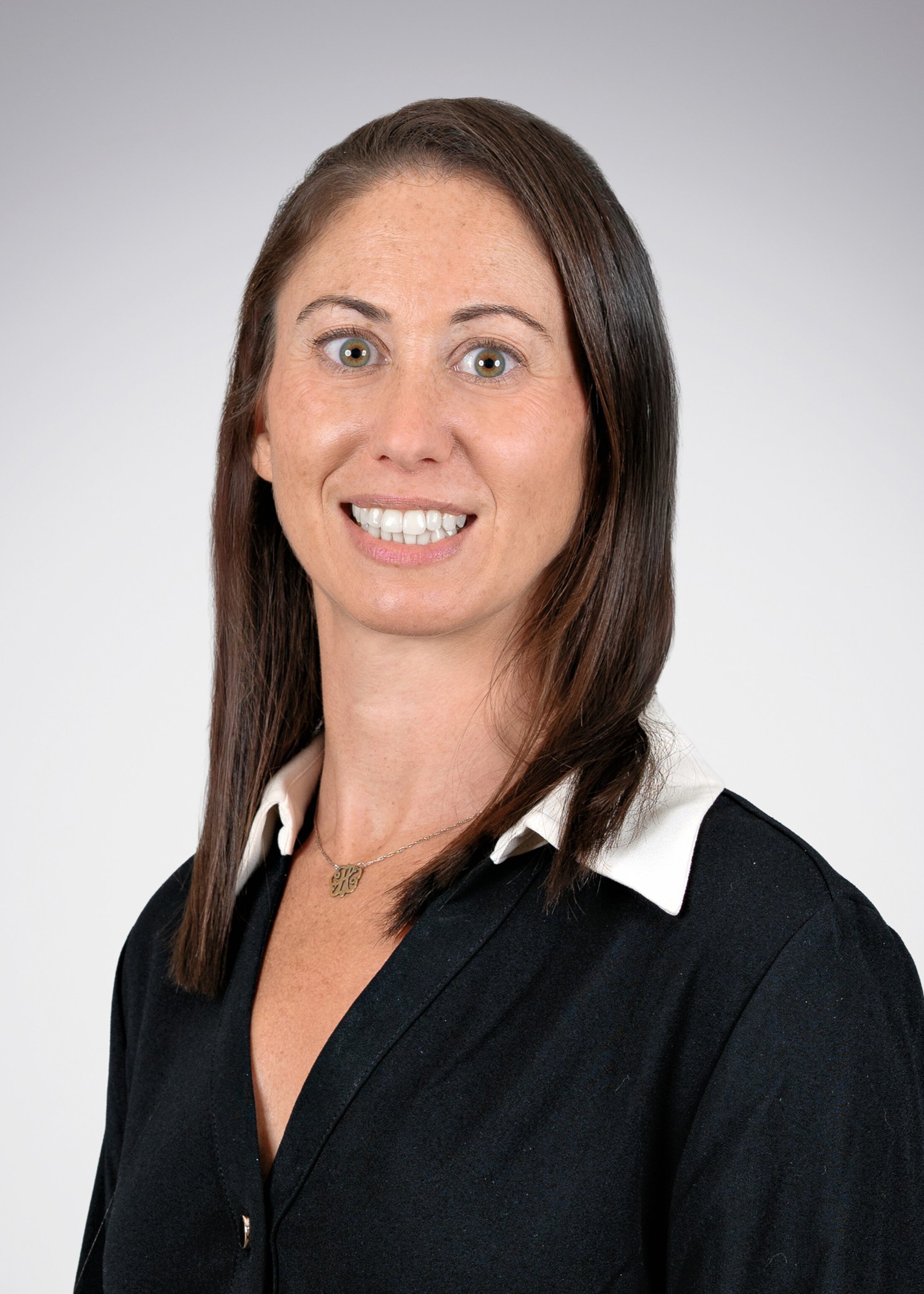
Hayley Kamin
Communications Manager
Hayley Kamin is the communications manager for the Hollings Cancer Center Communications and Marketing team, having joined the team in 2025 after three years as a communications specialist at the National Institutes of Health (NIH). As a science communicator with a Ph.D. from the University of Florida, she has extensive experience translating complex research into clear, engaging content. Her career has included roles at the NIH’s National Institute of Mental Health and the American Psychological Association, where she led content development and editorial strategy, developed science and health communications and worked with researchers and clinicians to strengthen public understanding of research.
Contact Hayley at kamin@musc.edu.