Samara King had little reason to think breast cancer would become part of her life at just 33 years old. She had no family history of cancer and was years away from the age when most women begin routine mammograms.
But in September 2025, King’s husband noticed a lump in her left breast.
King had experienced breast cysts before, so finding a lump was not unfamiliar. This one, however, felt different. It was deeper, painless and larger than the cysts she had in the past.
After about a week with no change, she mentioned it to a physician assistant she worked with.
“I said, ‘Something’s just different about this one; I need to get it looked at,’” King recalled.
King immediately underwent breast imaging, followed by a biopsy. Preliminary results came the next day: She had invasive ductal carcinoma, the most common type of breast cancer.
Additional testing revealed more information about what was driving the cancer and how it might be treated. The tumor was estrogen receptor- and progesterone receptor-positive, meaning hormones fueled its growth and hormone-blocking treatments could be an option, but it was HER2-negative, meaning it did not have high levels of a protein that drives some cancers. The cancer was also grade 3, indicating that the cells looked very different from normal breast cells and were more likely to grow quickly. Subsequent genetic testing did not identify an inherited genetic change associated with cancer.
The diagnosis was difficult to reconcile with the life she had been living days earlier.
I was only 33. You can’t help but feel some anger. I definitely had that moment where it was like, ‘What did I do to deserve this?’
King was an emergency room nurse at Beaufort Memorial Hospital, a former Marine and a mother of three boys, then ages 10, 8 and 4. She was accustomed to caring for others both at work and at home. Now, unexpectedly, she was the one who needed care.
“I was only 33,” King said. “You can’t help but feel some anger. I definitely had that moment where it was like, ‘What did I do to deserve this?’”
But there was little time to sit with that question. In the weeks that followed, King moved quickly from diagnosis to treatment. Fortunately, she found specialized breast cancer care through MUSC Hollings Cancer Center’s Bluffton location. Along the way, being a patient would change not only the way she thought about nursing but also the direction of her career.
Specialized breast cancer care close to home
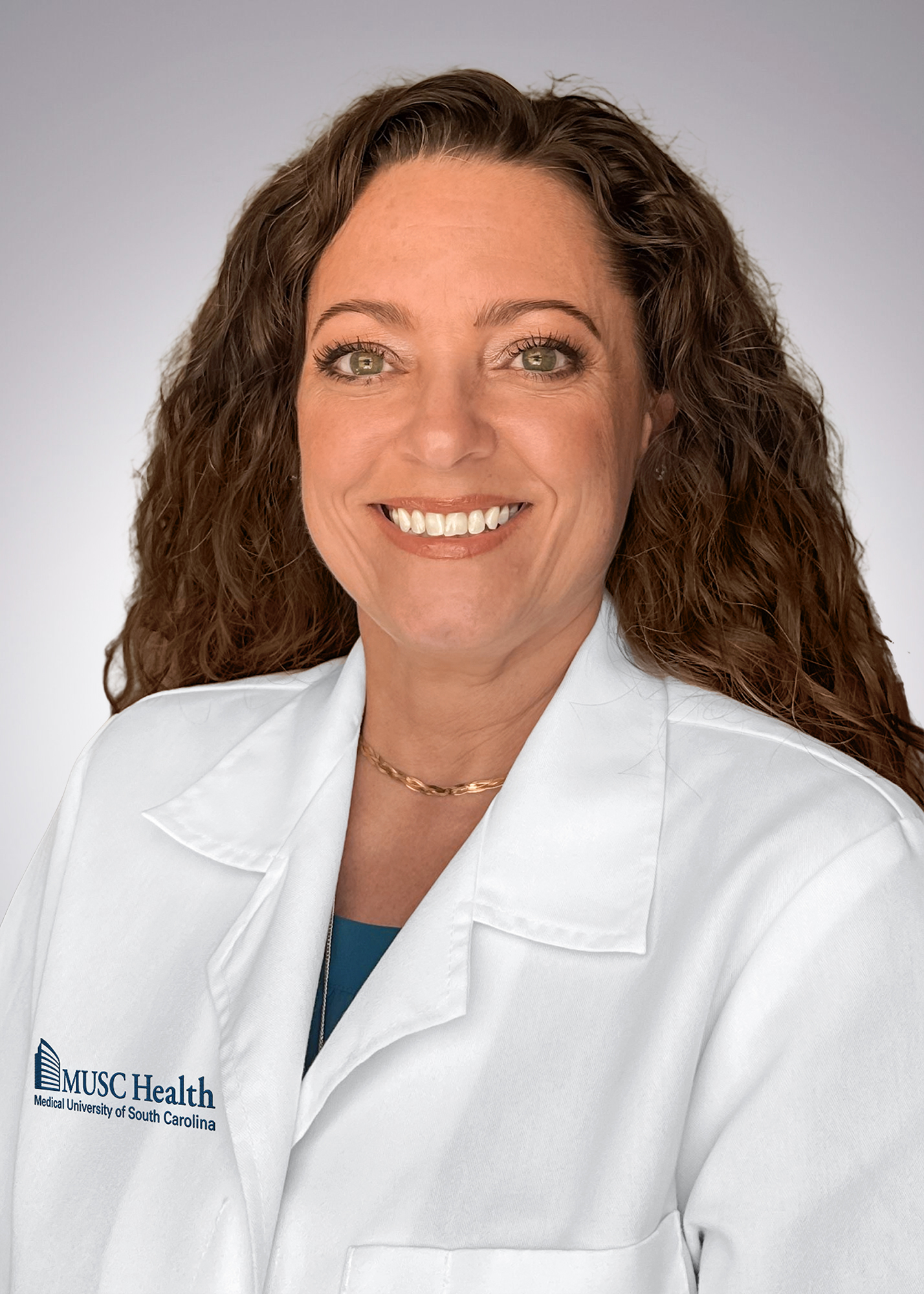
After a biopsy confirmed breast cancer, King met with Tara Grahovac, M.D., a fellowship-trained breast surgeon at Hollings. For King and her husband, the appointment brought clarity as Grahovac carefully walked them through the diagnosis and treatment options.
“It was like the stars aligned,” King said. “She showed me my imaging, which was the first time my husband saw the tumor. She went through my pathology, treatments, everything about it.”
King left feeling comfortable with the plan and confident in her care.
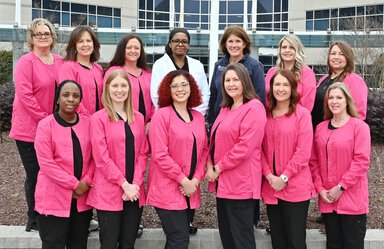
Grahovac is part of an all-female team at MUSC Health Breast Care in Bluffton. There, she works alongside medical oncologist Christie Hilton, D.O. Both physicians, along with nurse practitioner Lindsay Gamble, care for people with breast cancer or at high risk for the disease, giving patients in the Lowcountry access to the specialized expertise typically found at an academic health center – but without having to travel to Charleston routinely. For King, that meant the physicians overseeing both her surgery and medical treatment were in the same Bluffton office, close to her home and family.
“What we have in Bluffton is really unique,” Grahovac said. “Patients can come here and have access to a multidisciplinary team focused specifically on breast cancer. We want women in this community to know that this level of specialized care is available to them right here.”
Over the months of treatment and follow-up, the team became much more than just a group of medical providers.
“The whole office has been outstanding,” King said. “They’re all family at this point.”
In October 2025, Grahovac performed King’s double mastectomy, which was followed by immediate breast reconstruction. Four sentinel lymph nodes were also removed and tested, with no cancer found in them.
What we have in Bluffton is really unique. Patients can come here and have access to a multidisciplinary team focused specifically on breast cancer. We want women in this community to know that this level of specialized care is available to them right here.
After surgery, King’s care transitioned to Hilton, who oversaw the next phase of her treatment: chemotherapy. She began with four cycles of AC, a combination of two drugs, followed by 12 cycles of paclitaxel, another chemotherapy drug used to kill cancer cells.
King described AC as more difficult, causing nausea and pain behind her eyes. At the time, King was in school to become a nurse practitioner. During her first week of chemotherapy, she looked at the syllabus and realized she could not manage both school and treatment. She withdrew for the semester.
Her Hollings team at Bluffton got her through difficult days, arranging IV fluids when she needed them and medications to control her nausea.
“They were just amazing, cheering me on the whole time,” King said.
Paclitaxel brought fewer side effects, and King often felt well enough to work the day following chemo. She developed slight neuropathy, or nerve damage, in her toes, but those symptoms resolved.
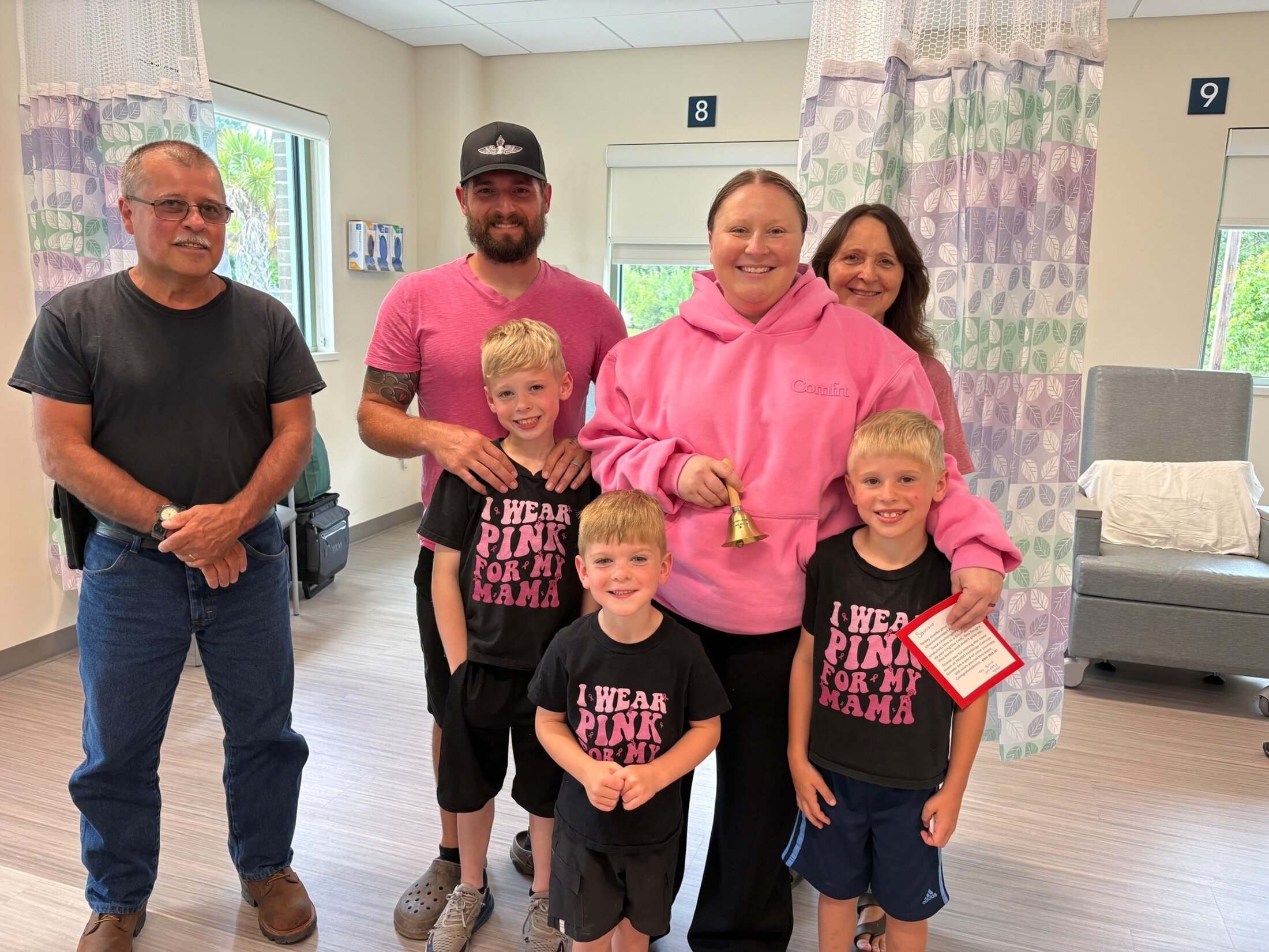
By the end of May, King had completed chemotherapy.
When the caregiver becomes the patient
One of the hardest parts of cancer had little to do with a specific procedure or medication. It was learning to let other people take care of her.
“It was really hard emotionally to deal with, to have to be the one that has to be looked after when you’re the one usually looking after other people,” King said. “I was just kind of living for those moments of feeling like myself again.”
King and her husband decided early on to be open with their sons about what was happening. Before telling them, they alerted their teachers and guidance counselors so they would have support at school. Then King sat down with her children and had an open, honest and age-appropriate conversation about her diagnosis. She wanted to be truthful without frightening them while reassuring them that they could always come to her or their dad with any questions, worries or feelings they had along the way.
As King went through treatment, each of her sons and her husband found their own ways to provide support.
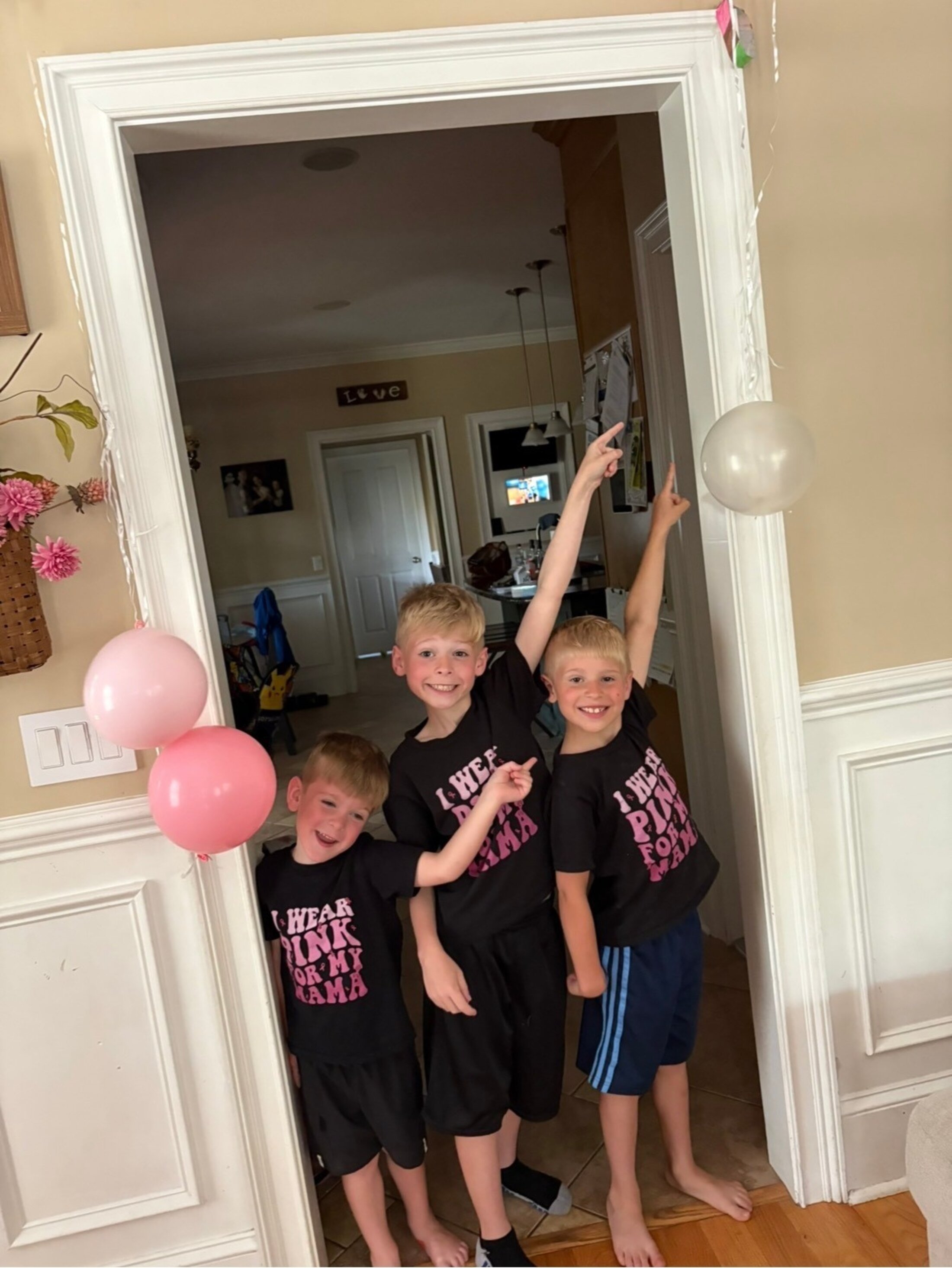
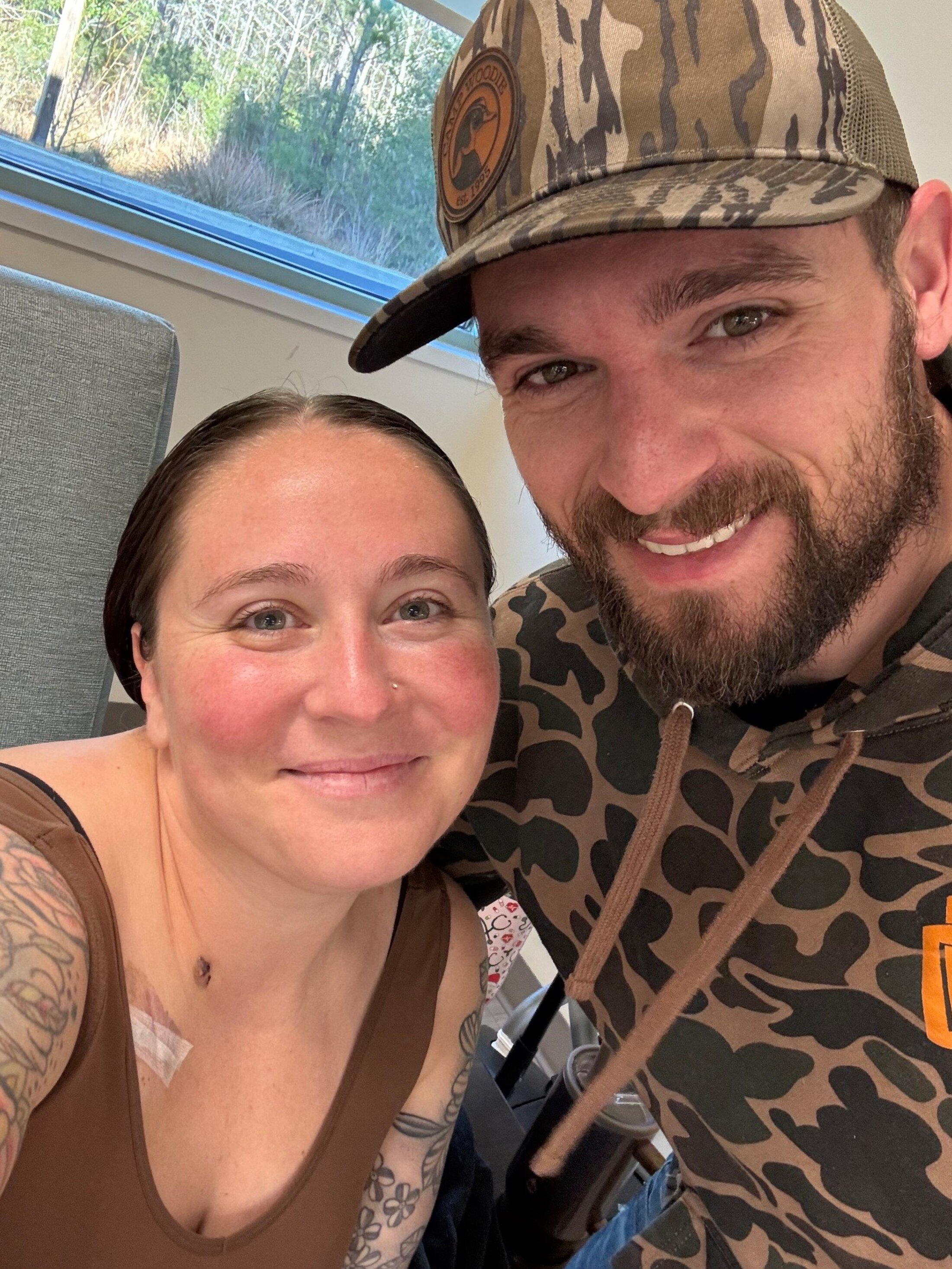
After surgery, King’s husband carefully tracked the output from her surgical drains. One day, their 5-year-old appeared with a notepad of his own, carefully drawing a tic-tac-toe grid and recording the numbers alongside his dad. During chemotherapy, when King needed to be careful about exposure to germs, her middle son became the family’s enforcer, reminding everyone not to share food with Mom. And her oldest brought her meals and checked in constantly to see whether she needed anything.
Her parents moved in for the months she was receiving chemotherapy, helping with the children, house and meals. Friends and coworkers checked in. Even small gestures made a difference.
“You don’t have to do anything grand,” King said. “You can send a one-line message. That can be so meaningful.”
A new perspective – and a new direction
Cancer also changed King’s career in a way she had not anticipated.
Working in a busy emergency room was not ideal while undergoing chemotherapy, so Beaufort Memorial temporarily moved her to its patient safety and quality department. The arrangement allowed her to work remotely during chemotherapy weeks and go into an enclosed space in the office when she felt well enough.
What began as a way to help King to continue working safely introduced her to another side of nursing – one she discovered she loved.
After finishing chemotherapy, King returned to the emergency room. But by then, her plans had changed. Now, she found herself drawn to leadership and to improving the systems that affect patients and healthcare workers.
“I learned so much about myself,” King said. “I realized I’m not interested in going back to school to be a nurse practitioner. I’m more interested in leadership and process improvements.”
King recently accepted a full-time position in the quality department, where she will oversee work involving the Emergency Department and perinatal care and develop action plans to improve processes across the hospital.
And she will enter the new role with a perspective she did not have before cancer.
King got an early glimpse of that changed outlook during one of her final ER shifts before starting chemotherapy. She was caring for a patient who had recently had a port placed for cancer treatment and was worried about whether it was safe to move his arm. King had just had her own port placed, so she understood what he was experiencing because she was going through it, too.
“I showed him my sutures and reassured him he could use his arm freely,” she recalled.
That perspective has stayed with her. King said being a patient has made her more conscious of the exhaustion and frustration that can come with repeated appointments, procedures and treatments – feelings that can be easy to overlook from the other side of the hospital bed.
“In a lot of ways, this experience has allowed me to have more meaningful conversations with my patients. In scary times, they know that someone else has been through it,” King said. “I understand vulnerability, fear and uncertainty differently now, and I think that has changed the way I care for people. I’m able to connect with patients on a deeper level and meet them with an empathy I didn’t fully understand before.”
Hilton said she was deeply moved by King’s experience and her commitment to others.
“Samara’s story really stayed with me. Here was someone who served as a Marine, who built a career caring for other people and who was raising three boys, and suddenly, she was facing breast cancer at 33. I was incredibly moved by her strength but also by the way she allowed herself to be vulnerable and accept help. It’s been a privilege to care for her and to see her come through this experience wanting to help others.”
Today, King is cancer-free. She continues hormone-blocking treatment and regular follow-up care with Hilton and Grahovac. The two breast specialists continue to share in her care, with King alternating follow-up visits between them for exams and monitoring. She recently celebrated another milestone: having her chemotherapy port removed.
I understand vulnerability, fear and uncertainty differently now, and I think that has changed the way I care for people. I’m able to connect with patients on a deeper level and meet them with an empathy I didn’t fully understand before.
King has also turned her experience into a source of information for others, sharing what she learned about breast cancer testing and treatment. She said she often finds herself pointing people toward resources available in the Lowcountry and has referred women she met through work to Grahovac and Hilton, connecting others with the same specialized care she received.
Looking back, King hopes her experience encourages others to pay attention to their bodies, ask questions and speak up when something feels off.
“If something feels different in your body, speak up. Don’t talk yourself out of getting it checked just because you’re young or don’t have a family history. Ask questions and make sure you understand the answers. And if you’re going through something hard, let people help you. You don’t have to prove how strong you are by doing everything yourself.”
It is a message she hopes others will carry with them long after Breast Cancer Awareness Month ends.
Featured in this story
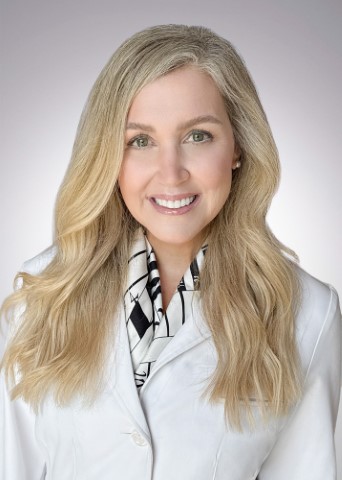
Tara Grahovac, M.D.
- Surgical Oncology
- Breast Cancer
- Breast Surgery
- Bluffton, SC
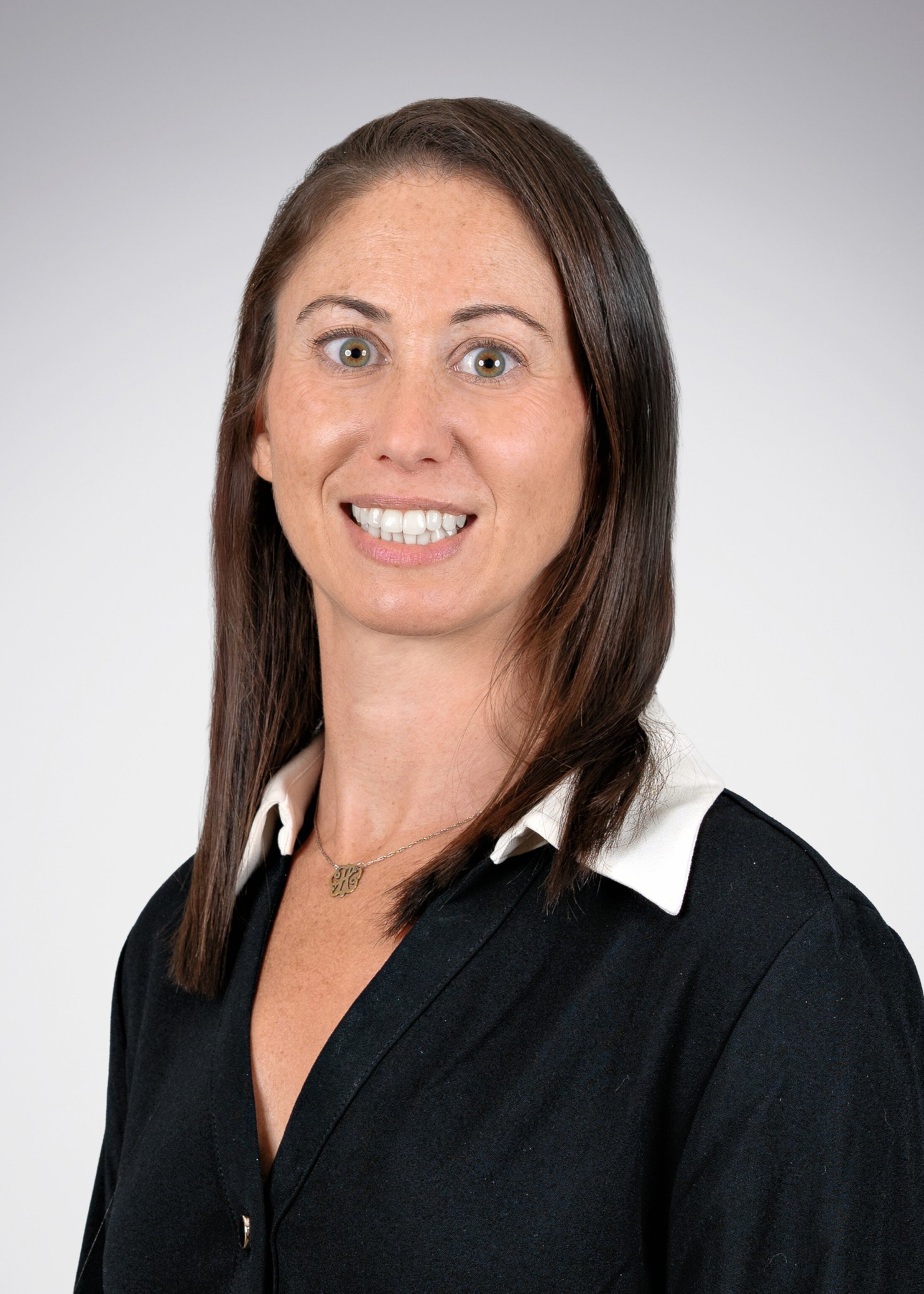
Hayley Kamin
Communications Manager
Hayley Kamin is the communications manager for the Hollings Cancer Center Communications and Marketing team, having joined the team in 2025 after three years as a communications specialist at the National Institutes of Health (NIH). As a science communicator with a Ph.D. from the University of Florida, she has extensive experience translating complex research into clear, engaging content. Her career has included roles at the NIH’s National Institute of Mental Health and the American Psychological Association, where she led content development and editorial strategy, developed science and health communications and worked with researchers and clinicians to strengthen public understanding of research.
Contact Hayley at kamin@musc.edu.