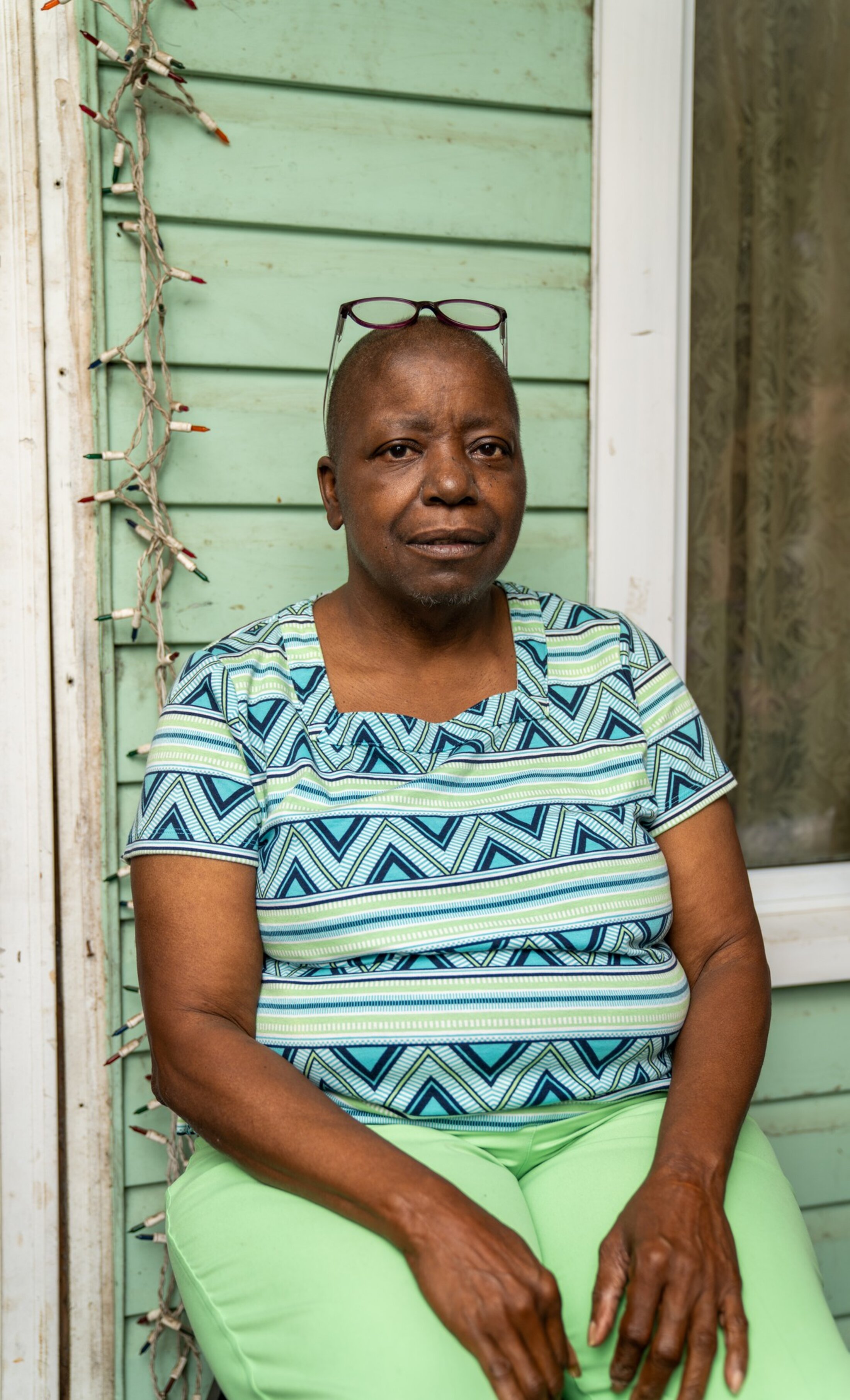
During breast cancer treatment, Carliss Green spent countless hours on her front porch. She cried there. She read her Bible. She watched cars pass by and wondered when her own life would feel normal again.
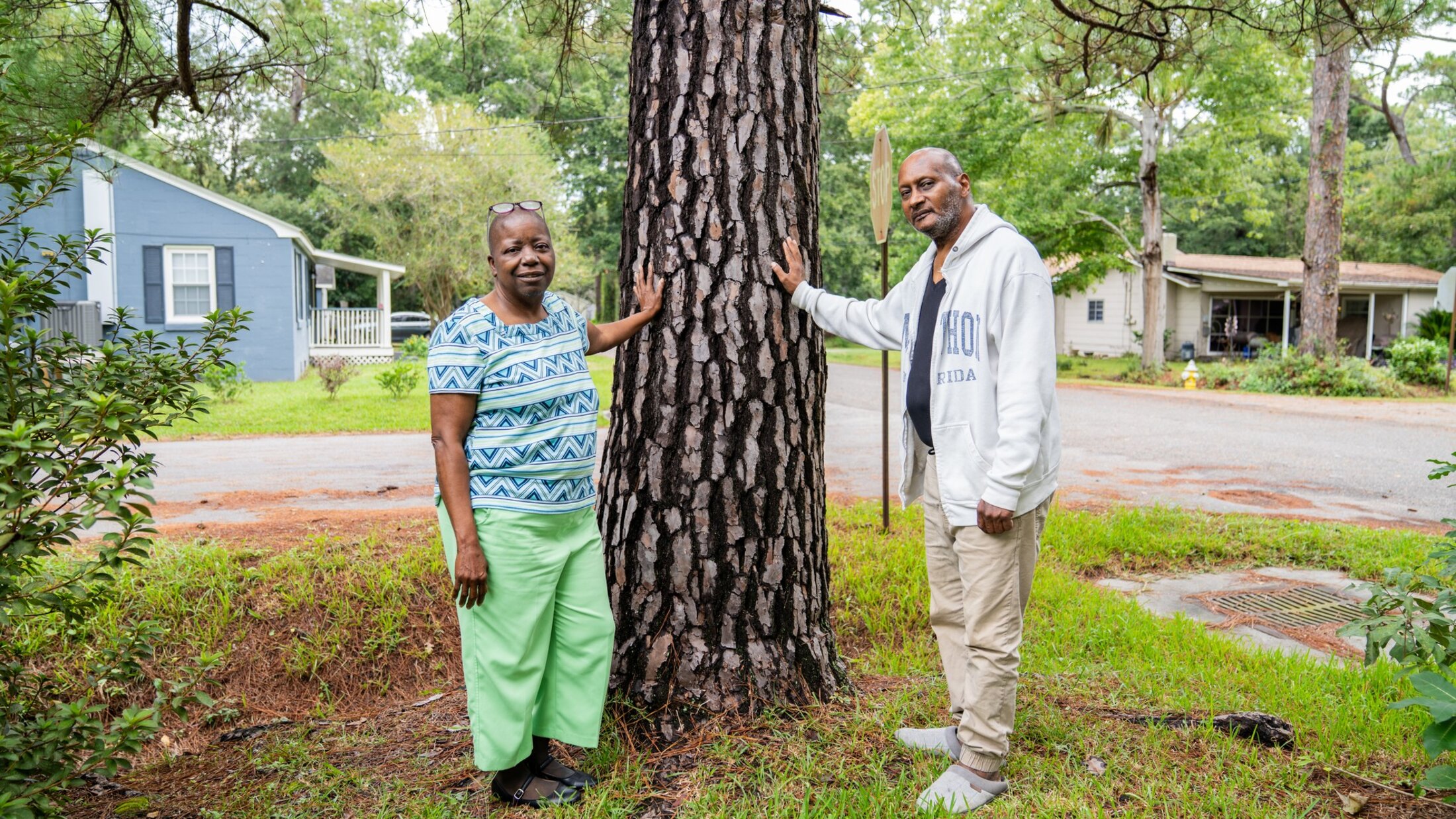
And she talked to a tree.
Green knows that last part might sound unusual. But during some of the most difficult days of her life, the tree in her yard became a quiet companion – a place where she could give voice to the fear, anger and exhaustion she was carrying.
“That tree and I made it through a lot of tough afternoons during treatment,” she said.
Cancer had made Green’s world feel smaller. While other people drove past on their way to work, errands and the routines of daily life, she was navigating appointments, treatments and an uncertainty she had never experienced before. At times, watching them was painful.
“My regular life got so far away,” she recalled.
Today, those times on the porch are part of a chapter Green was not always sure she would get through. Her treatment at MUSC Hollings Cancer Center included chemotherapy, surgery, radiation and participation in a clinical trial.
Through it all, she learned something she wants other people facing cancer to know: Fear, tears and questions are not signs of weakness. Instead, for Green, expressing them became part of healing.
‘It was like a bombshell’
Green had no reason to suspect she had breast cancer. She had not noticed any changes in her breasts, and she was not aware of a family history of the disease.
When a screening mammogram revealed cancer in her breast, the news stunned her.
“It was like a bombshell just dropped on me,” Green said.
Much of what happened next remains a blur. But what she remembers clearly is being consumed by one word: cancer.
“It seemed like the world stopped,” she said. “The only thing I had on my mind was cancer, cancer, cancer.”
Treatment brought new fears. Green received chemotherapy, including doxorubicin, a drug commonly nicknamed the “red devil” because of its bright red color and harsh side effects. Just seeing it frightened her. She remembers crying before treatments and struggling with anxiety and sleeplessness. At one point, she told her care team she did not want to receive the drug anymore.
It seemed like the world stopped. The only thing I had on my mind was cancer, cancer, cancer.
But her Hollings medical oncologist, Abirami Sivapiragasam, M.D., known as Abi Siva to her patients, patiently explained why the treatment was important and that it was working. That helped Green to keep going, even if she never stopped dreading it.
As treatment progressed, Green underwent surgery to remove the cancer in her breast and then moved to radiation. That, too, was unfamiliar territory, but she found the experience easier than expected. The treatments were relatively quick, and she said a supportive care team put her at ease.
Green’s three daughters had stayed away during much of her treatment. At the time, she struggled to understand why. Cancer had already filled her mind with worst-case scenarios, and their absence sometimes fed those fears.
However, her final day of radiation brought a memorable surprise that still brings her to tears. Her daughters surprised her by coming to Hollings to celebrate the milestone alongside her. In the past, their fears about cancer had often made it difficult for them to join her during treatment, making their presence that day all the more meaningful.
“It was a very beautiful moment,” she said.
Needing to hear the words
After chemotherapy, surgery and radiation, she was told the cancer was gone. But her care was not over. Her care team suggested she participate in a clinical trial that involved additional treatment intended to address any microscopic cancer cells that might remain.
For Green, that was difficult to reconcile. If the cancer was gone, why was she still being treated? In her mind, participating in a trial felt like evidence that the cancer was still there.
“You said I’m cancer-free, right?” Green remembers asking repeatedly.
Each time, Siva reassured her and explained that, although the tumor had been removed from the breast and lymph nodes, microscopic cancer cells could still remain elsewhere in the body. Additional treatment helps to eliminate these cells, reduce the risk of recurrence and maximize the chance of remaining cancer-free.
Eventually, Green asked if she could record her doctor saying the words she had such a hard time believing. On nights when fear crept in, Green played the recording, and it helped to calm her fears.
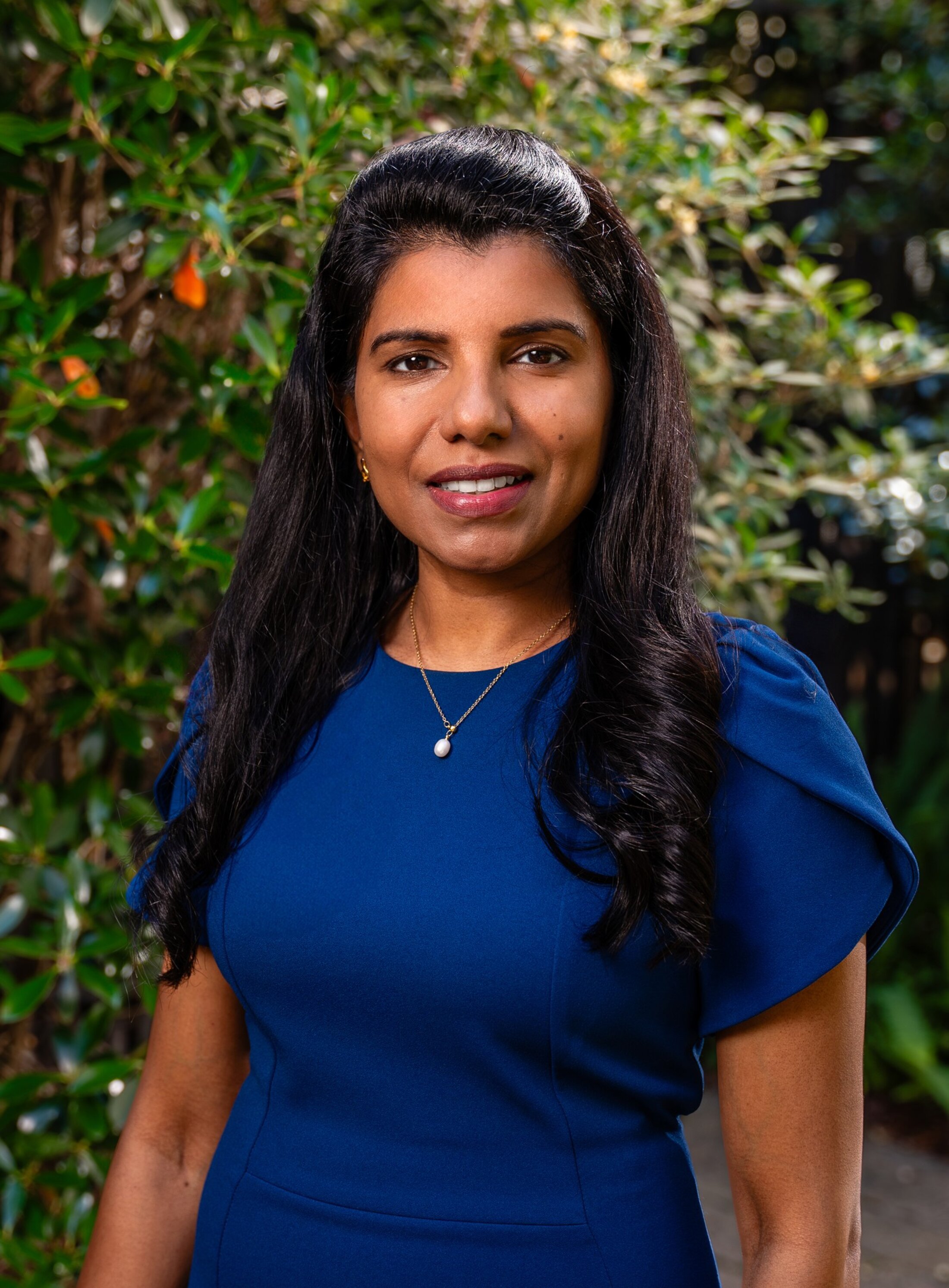
That recording became one small tool for managing an experience that did not end when treatment did. Green credits Siva and the rest of her Hollings team with understanding that part of her care.
She describes herself as someone who asks questions – lots of them. During treatment, she sometimes asked the same question repeatedly. What mattered was that her team kept listening. She said that over time, Siva became “one of the best doctors I’ve ever had in my whole life and an important source of reassurance.”
‘He missed none’
Green had another constant beside her: her husband, Leon.
The two were already accustomed to doing life together. Both worked for Walmart, often on overnight shifts, before retiring. As Green advanced to assistant manager, Leon continued to work at the same store.
Cancer turned that partnership into something even more important.
Leon accompanied his wife to every appointment – even on days when Hollings had two or three appointments waiting for them.
“He missed none,” she said. “There is no visit that my husband was not there for.”
When she cried, he listened. When she was frightened, he reassured her. Green knew he must have been afraid, too, but she said he never allowed his fear to become another burden she had to carry.
“I don’t know what I would have done without the support of my husband,” she said. “I really, really don’t. I’d give him the Husband of the Year award every time.”
Still, cancer was exhausting for both of them. Sometimes Leon needed to sleep when Green could not. That was when she returned to the porch.
She would sit outside with her Bible, her thoughts and that tree. She allowed herself to feel whatever came: fear, sadness, anger, even resentment.
Her husband, pastor and mother kept telling her she was stronger than she realized. Green did not always believe them. Only afterward could she see what they had seen in her.
Making room for the tears
Today, Green has finished cancer treatment and continues to return to Hollings for follow-up care and monitoring.
Even something as ordinary as looking at her calendar feels different. During treatment, it was so packed with medical appointments that she had to check MyChart before she could say whether she was free on a particular day. Now, she can make plans without first organizing her life around cancer.
But Green does not look back on her experience and tell other patients they simply need to be strong. Her advice is almost the opposite.
She says to be honest about being scared. Ask a question, even if you have asked it before. And if you need to cry, cry.
“Those tears were literally healing tears for me,” she said.
Green believes they were healing in part because the people caring for her were willing to receive them. “I had a team that listened,” she continued. “That was very important.”
Sometimes her team had an answer immediately. Sometimes they were still waiting for tests or other information. But Green knew her concerns had been heard.
That is what she wants other women facing breast cancer to know: There is no single right way to move through a cancer diagnosis. Fear does not erase strength and neither do tears.
Sometimes strength looks like being afraid and continuing anyway – asking another question, accepting another person’s support or finding a quiet place to let everything out. Even if that place happens to be beside a tree.

Hayley Kamin
Communications Manager
Hayley Kamin is the communications manager for the Hollings Cancer Center Communications and Marketing team, having joined the team in 2025 after three years as a communications specialist at the National Institutes of Health (NIH). As a science communicator with a Ph.D. from the University of Florida, she has extensive experience translating complex research into clear, engaging content. Her career has included roles at the NIH’s National Institute of Mental Health and the American Psychological Association, where she led content development and editorial strategy, developed science and health communications and worked with researchers and clinicians to strengthen public understanding of research.
Contact Hayley at kamin@musc.edu.