When Sophia Passyn found herself stuck in a parking garage line after volunteering at MUSC, all she could think about was getting home. It had been a long day, and she was hungry, tired and frustrated.
Then she looked around and realized that every car surrounding her belonged to someone whose day had likely been far more difficult than her own.
"I realized I was probably the luckiest person in that line," Passyn said. "All around me, there were patients receiving lifesaving care, and parking was one more expense they had to worry about."
For most people, parking is only a minor inconvenience. But for patients at MUSC Hollings Cancer Center undergoing intense and often time-consuming treatments, the costs can add up visit after visit, becoming yet another burden during an already difficult time.
That realization stayed with Passyn long after she drove away. And what began as a passing observation soon grew into a mission to ease one small burden for patients already carrying so many others.
Over the next several months, Passyn, a Charleston high school student, transformed that idea into action, organizing a fundraising effort that raised more than $1,200 to cover parking costs for cancer patients at Hollings. The donation will eventually support hundreds of parking passes, easing one small but meaningful burden for patients and families navigating the challenges of cancer treatment.
But the roots of the project – known as the Hope and Healing Parking Project – stretch back years before that day in the parking garage.
The power of small acts of kindness
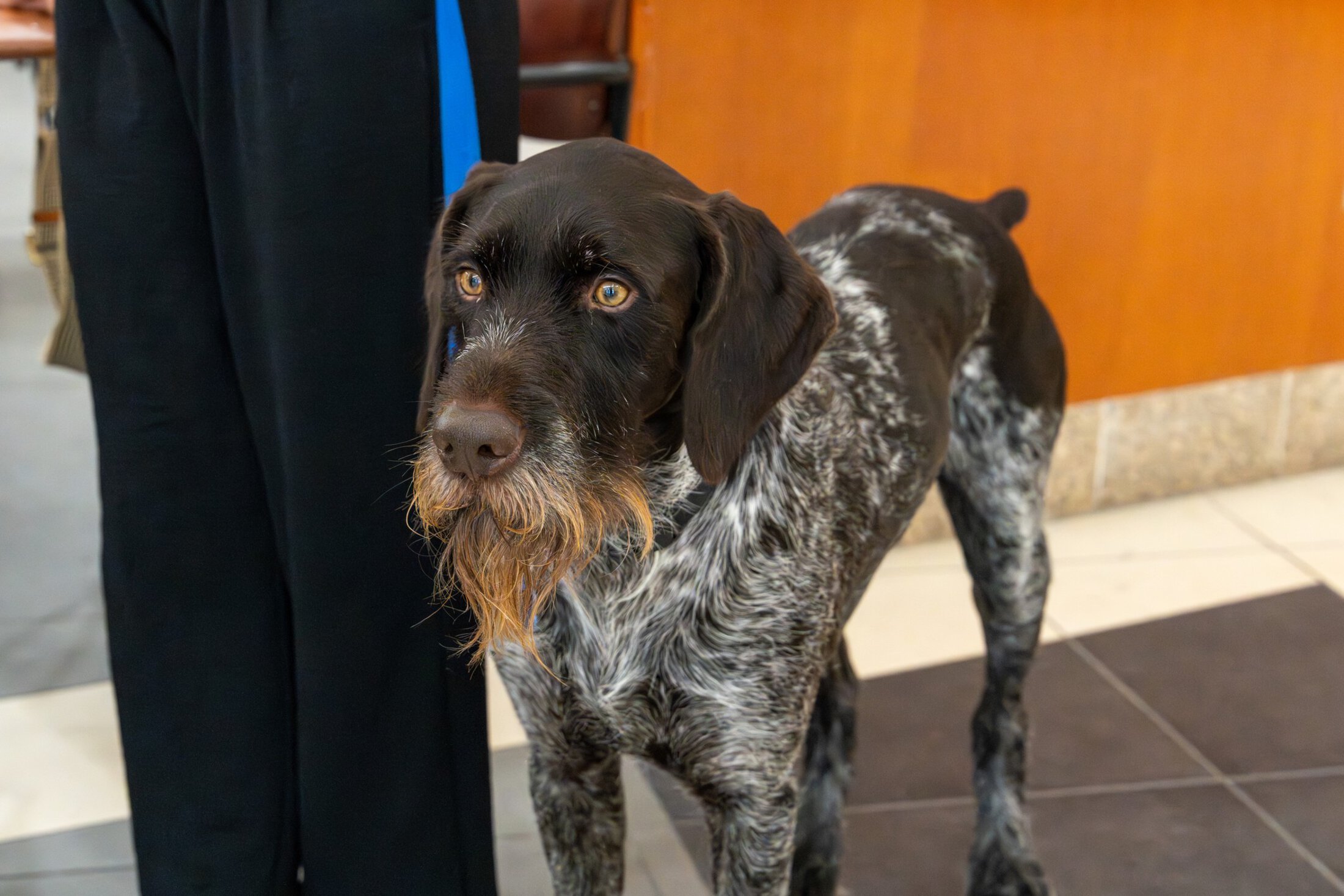
For more than three years, Passyn and her dog Reiner have volunteered with MUSC's PAWS Therapy Animal Program. The two regularly visit patients at the MUSC Shawn Jenkins Children's Hospital, bringing comfort and companionship to children and families facing serious illnesses.
"At the end of the day, no kid is as happy to see me as they are to see my dog," Passyn said with a laugh. "The look of relief on some people's faces when we walk in is what makes it worth it. And the people I've met through volunteering have really broadened my perspective.”
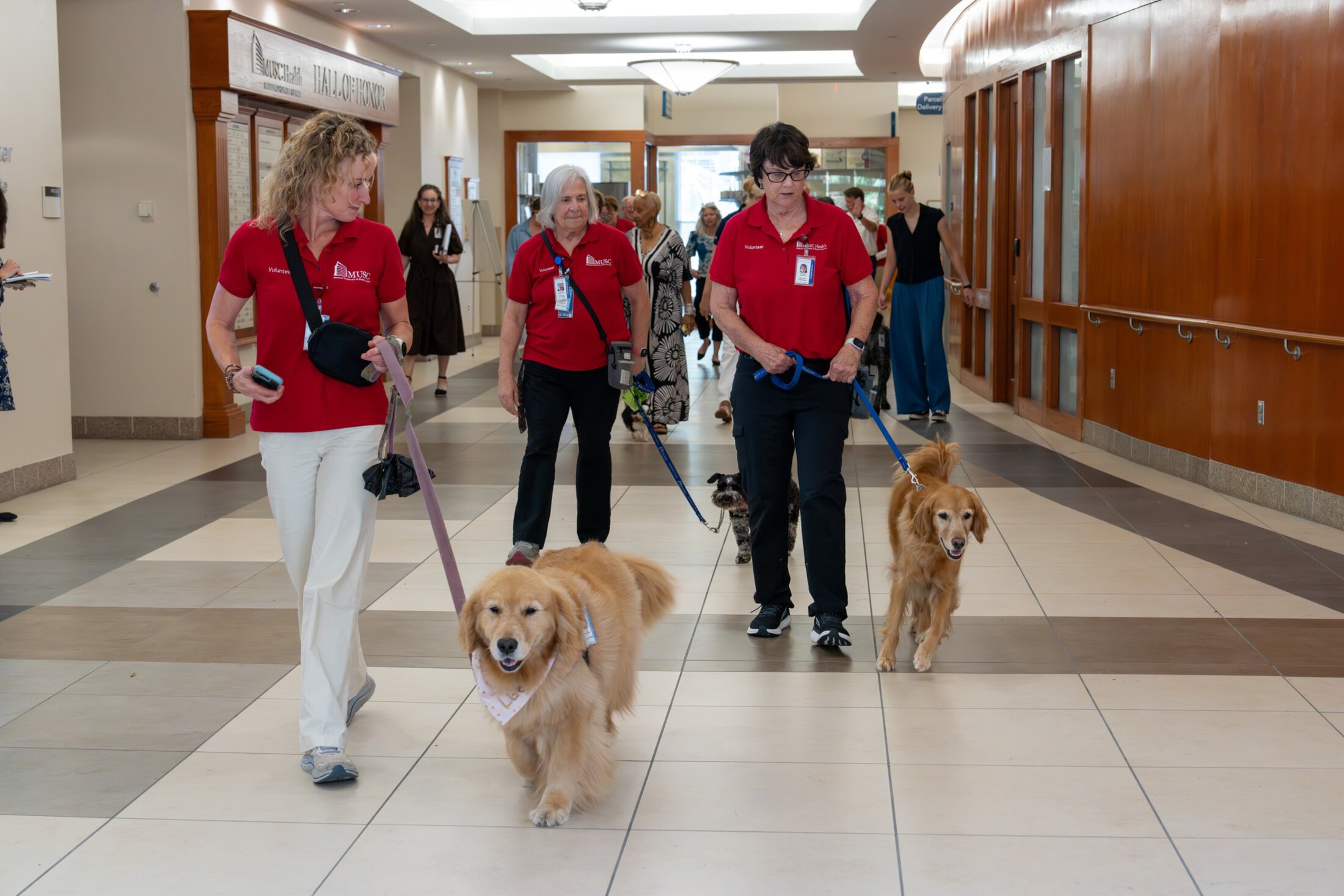
Those visits taught Passyn an important lesson: Even small acts of kindness can make a meaningful difference during difficult times. They also gave her an appreciation for the many challenges patients and families face.
It is a lesson she learned not only through volunteering but also from her mother, Kirsten. Passyn credits her mother with nurturing her commitment to service from an early age and encouraging her to look for ways to help others. Together, they have spent years volunteering with PAWS, experiences that shaped Passyn's growing interest in medicine and patient care.
"She's been my biggest support in this and throughout my life," Passyn said of her mother.
Cathy Bennett, therapy animal program coordinator at MUSC, has watched that growth firsthand. They met when Passyn became a therapy dog handler, one of the first junior handlers in the PAWS program and now the longest serving.
"Sophia has been an absolute gem," Bennett said. "She's such a motivator for the kids. To be able to see somebody her age doing something like that gives you so much hope."
Bennett said Passyn’s maturity and commitment have allowed her to continue regularly volunteering despite a busy schedule filled with academics, athletics, friends and community activities. To her, the fundraising effort is a natural extension of the compassion and service-mindedness she has seen in Passyn for years.
“We are very blessed to be where we are,” Bennett said. “Working at MUSC, we have the opportunity every day to support people during some of the most challenging moments of their lives. We see firsthand how much small acts of kindness can mean. Whether it’s spending time with a patient, bringing a therapy dog to visit a child or helping ease a burden like parking costs, those gestures matter. Service is about finding ways to help others, and Sophia truly embodies that spirit. That’s what makes her so special.”
A growing connection to cancer care
After years of meeting patients through PAWS, Passyn gained a different perspective last summer. Her connection to patient care deepened when she joined the labs of MUSC researchers Michael Ostrowski, Ph.D., and Toros Dincman, M.D., Ph.D., where she assisted with gastric cancer research. The experience introduced her to another side of healthcare – the research happening behind the scenes to develop better treatments for cancer patients.
Then came the moment in the parking garage. What began as a fleeting frustration quickly turned into a larger question: Why should patients have to worry about parking costs while receiving treatment?
As she explored the issue, Passyn learned that transportation and parking are among the many nonmedical costs that can create financial strain. While parking may seem like a small expense, those costs add up for patients making repeated trips for appointments, scans and therapy. She even incorporated the topic into a school research project examining the impact of nonmedical healthcare costs. And the more she learned, the more determined she became to help.
With Bennett's guidance, Passyn spent months refining her idea, exploring fundraising strategies and figuring out how to create meaningful change for patients.
"We had multiple calls where I would stop somewhere on my way home and work through ideas," Passyn said of Bennett. "She was really the first person I talked to about this."
A community comes together
The fundraising gained momentum when Passyn connected with The Citadel's Tommy and Victoria Baker School of Business, where her mother works. Each semester, the school selects a community service initiative to support. This year, Passyn's project resonated. Faculty and staff embraced it, inspired by both Passyn's passion and their own connection to cancer through a colleague who had recently undergone treatment at Hollings.
"It was a wonderful initiative," said Maria Aselage, adjunct professor and director of communications and marketing at the business school. She also oversees its community service efforts. "We collected money throughout the semester, and people really came together to support the need."
Passyn credits her mother with helping to transform an idea into action by connecting her with the school. While the project became her own, she said her mom’s encouragement, advice and commitment to service gave her the confidence and means to pursue it.
Once the funds had been raised, Bennett connected Passyn with Hollings’ director of Survivorship and Patient Experience, Anne Puckett, who immediately recognized how meaningful the support could be for patients returning frequently for care.
“Cathy and I discussed how timely Sophia’s work is, as our team has been actively implementing solutions and advancing improvements to reduce delays in care related to parking challenges,” Puckett said. “It’s encouraging to see both our team and the community recognizing these issues and advocating for meaningful change. Having community members step forward to address these challenges brings greater visibility to parking struggles and the need for solutions. Ultimately, this project enhances the patient experience.”
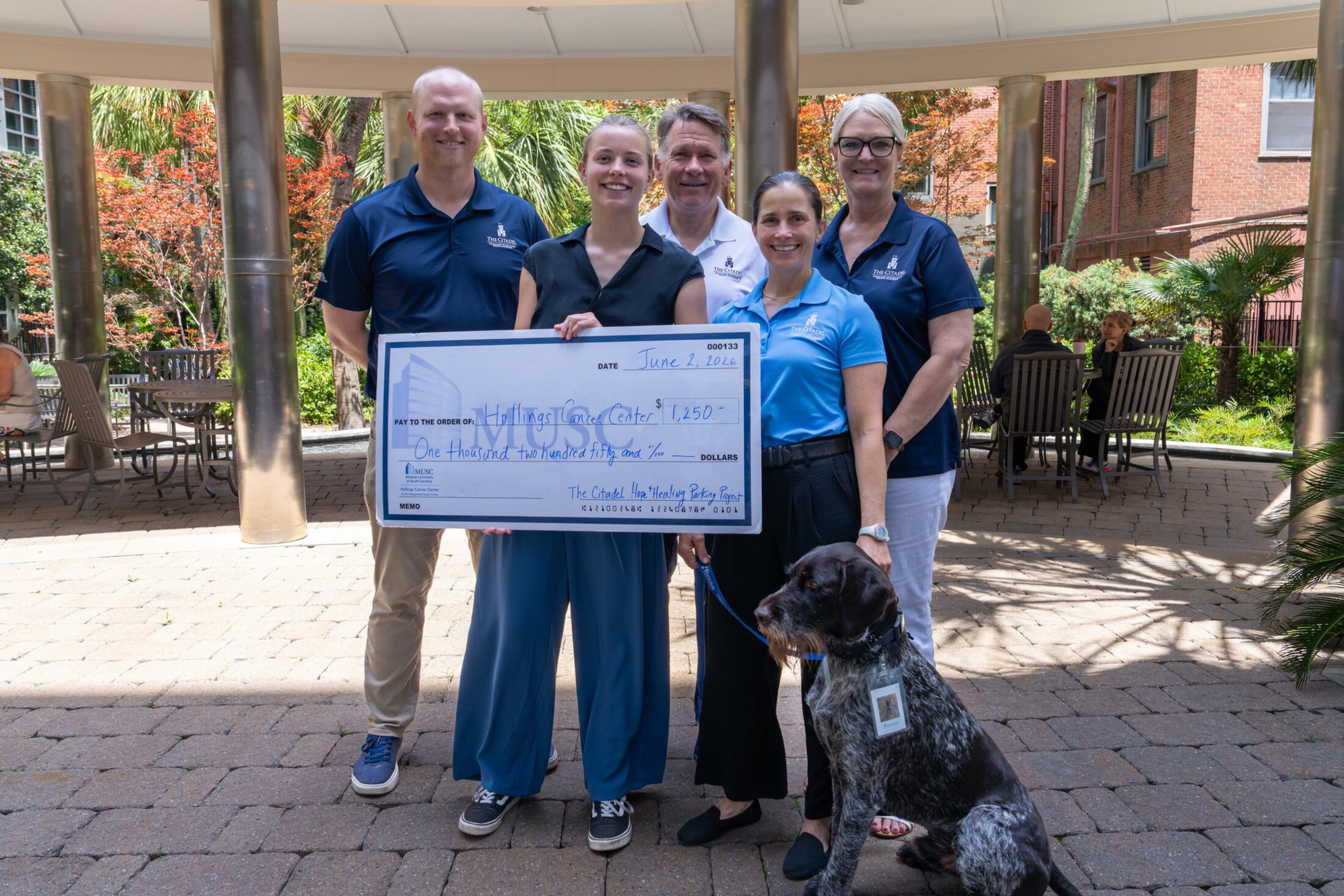
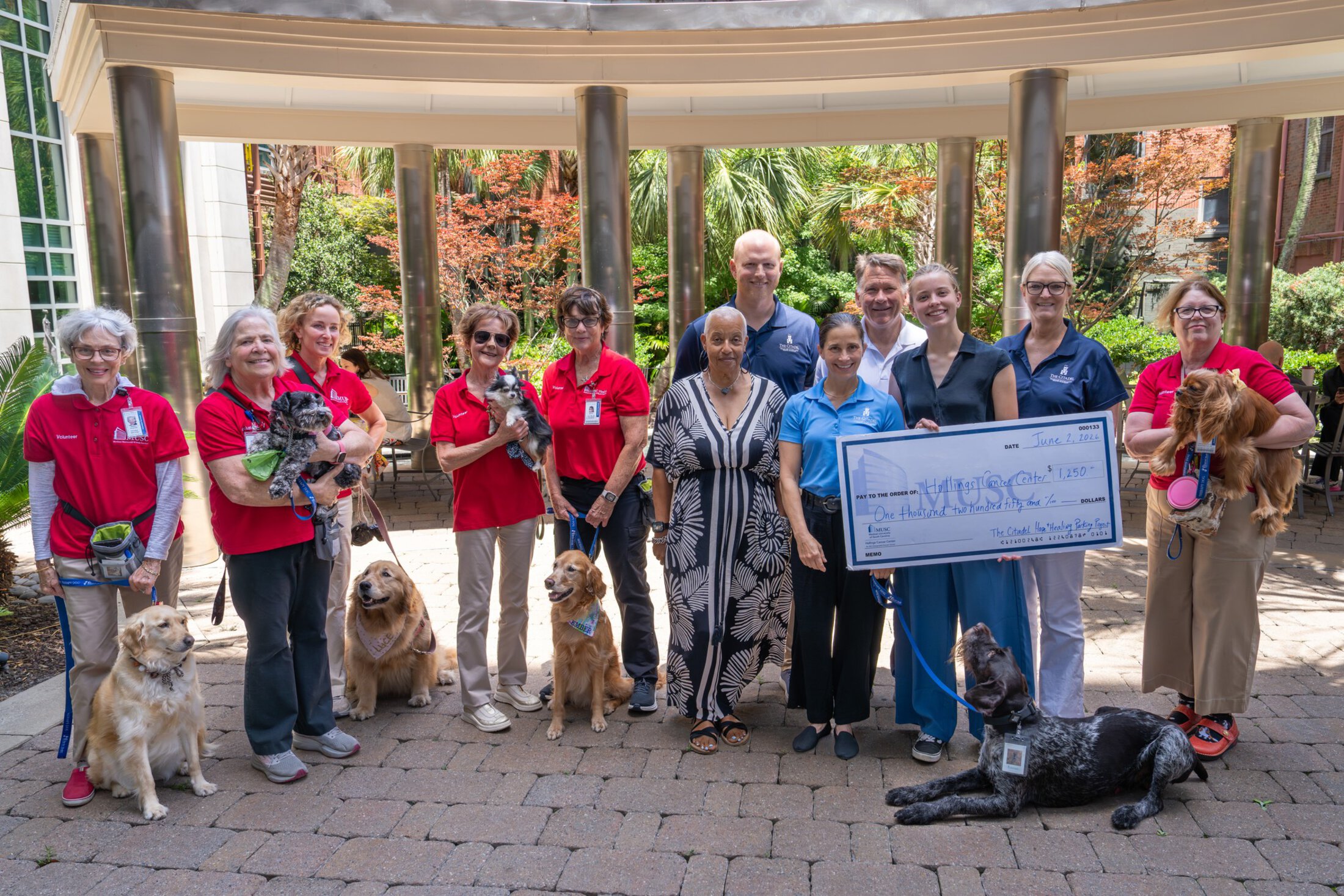
Those efforts culminated in a check presentation at Hollings this spring. Surrounded by therapy dog volunteers; the Baker School of Business dean, Michael R. Weeks, Ph.D.; and faculty and MUSC staff members, Passyn formally presented the donation to Hollings and shared the inspiration behind the project.
Just the beginning
For Passyn, the donation represents more than a financial contribution. She hopes it shines light on a challenge that can easily be overlooked but add up quickly for patients.
"Parking should never be a barrier to patient care," she said during the check presentation.
Bennett believes that perspective is what makes Passyn so special.
"She has empathy, compassion and dedication," she said. "She's well beyond her years in how she thinks about making a difference and helping people who need it."
For Passyn, the goal has always been simple: remove one burden from patients' lives. Years of volunteering at MUSC have shown her that behind every appointment, diagnosis and treatment is a person with loved ones cheering them on.
"Sometimes I feel like we get so stuck on the fact that they're patients, but they're also people too.”
The Hope and Healing Parking Project grew from that understanding. And Passyn hopes it is only the beginning. She is already exploring ways to continue fundraising through schools and community organizations and hopes to expand support beyond cancer to patients and families receiving care at the MUSC Shawn Jenkins Children's Hospital and across MUSC.
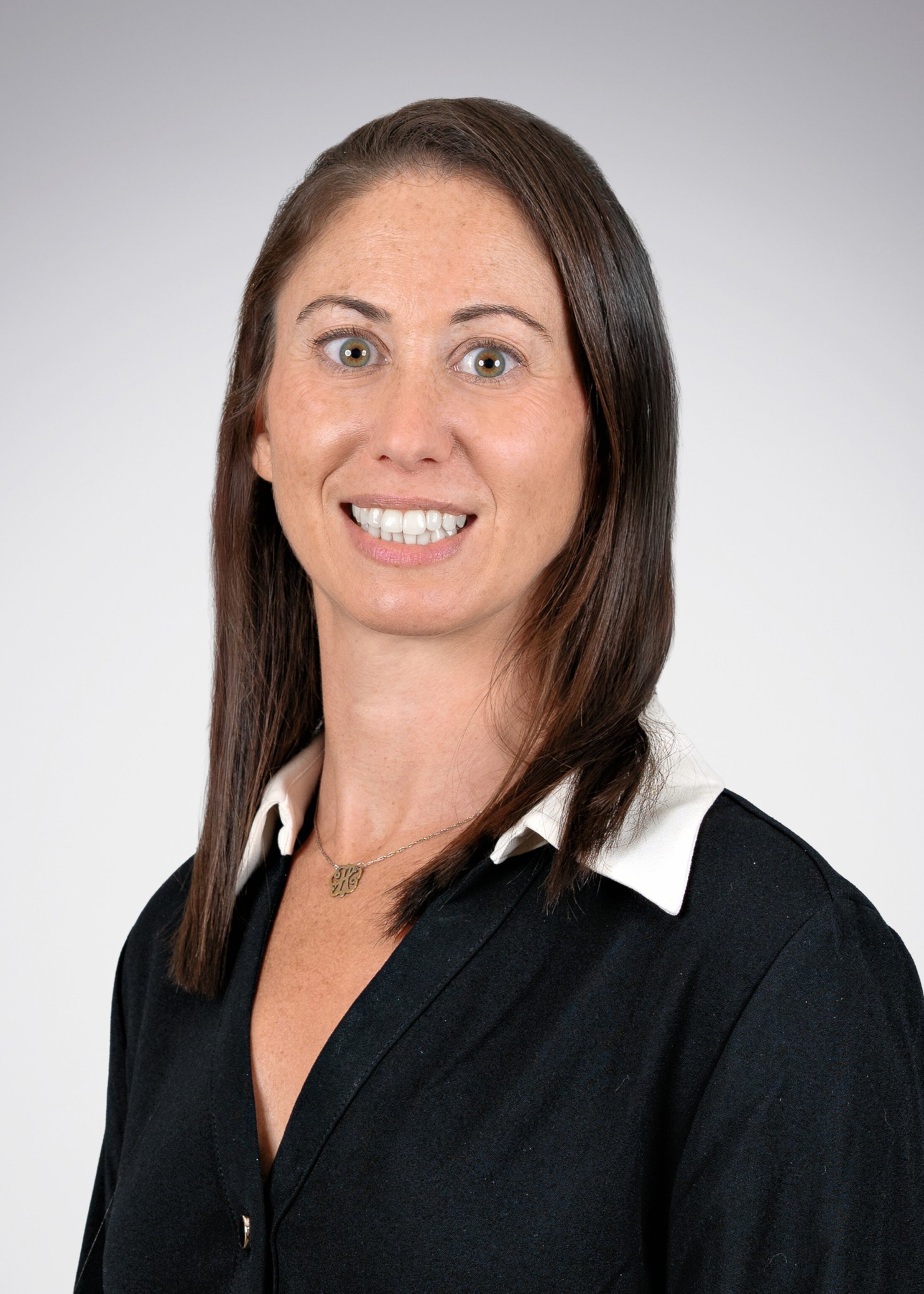
Hayley Kamin
Communications Manager
Hayley Kamin is the communications manager for the Hollings Cancer Center Communications and Marketing team, having joined the team in 2025 after three years as a communications specialist at the National Institutes of Health (NIH). As a science communicator with a Ph.D. from the University of Florida, she has extensive experience translating complex research into clear, engaging content. Her career has included roles at the NIH’s National Institute of Mental Health and the American Psychological Association, where she led content development and editorial strategy, developed science and health communications and worked with researchers and clinicians to strengthen public understanding of research.
Contact Hayley at kamin@musc.edu.
Recent Cancer Giving stories