SC CHEER YES introduces students to biomedical careers
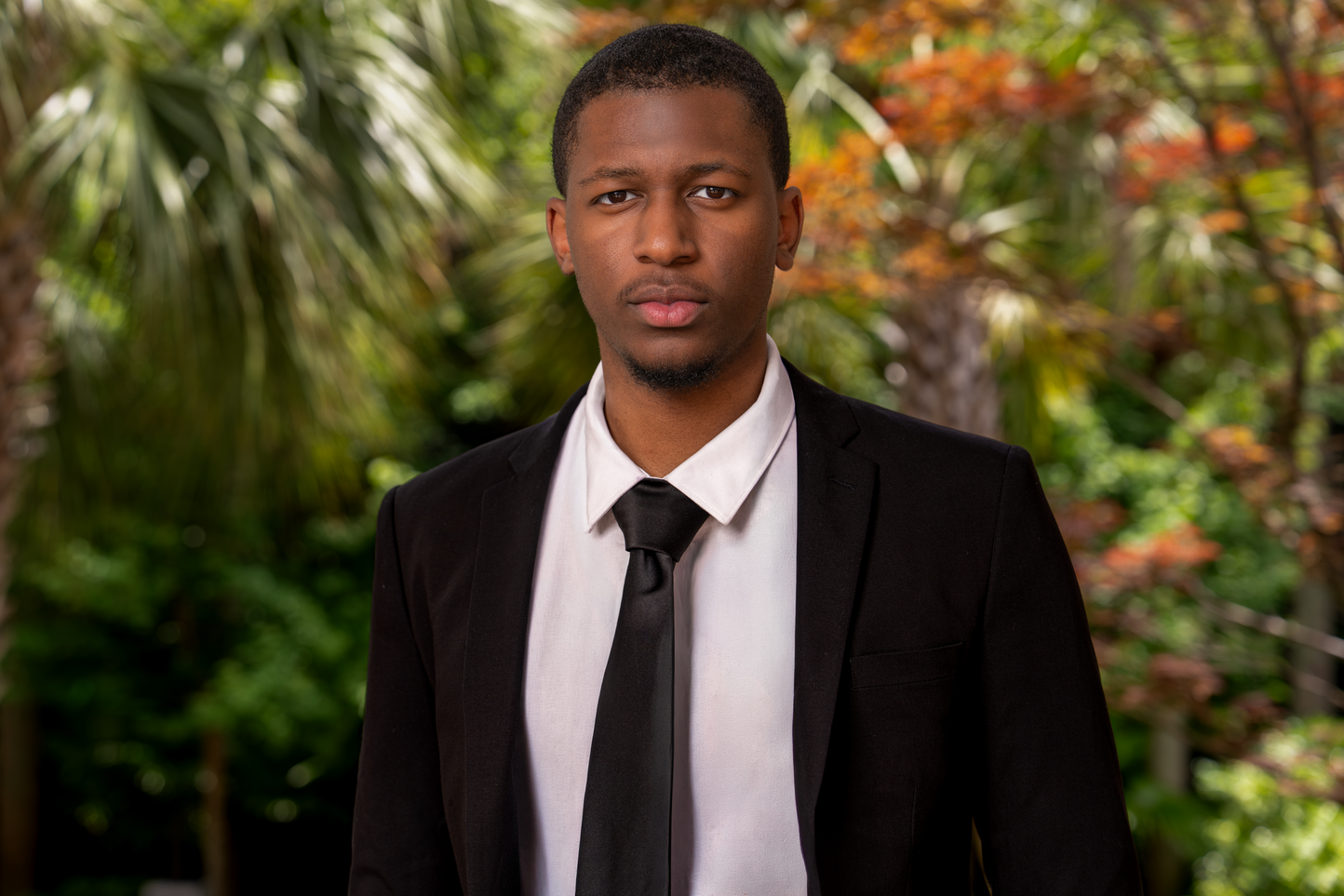
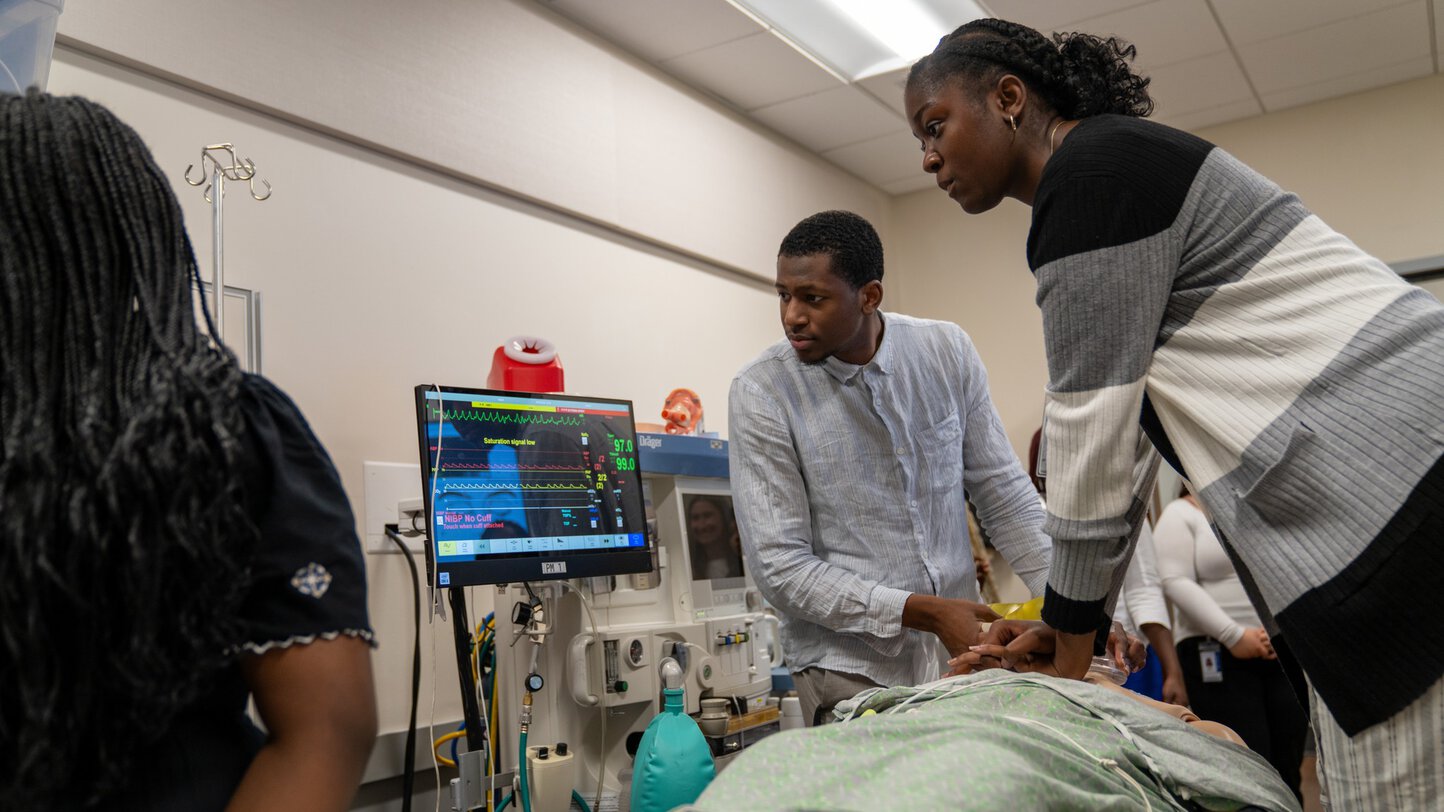
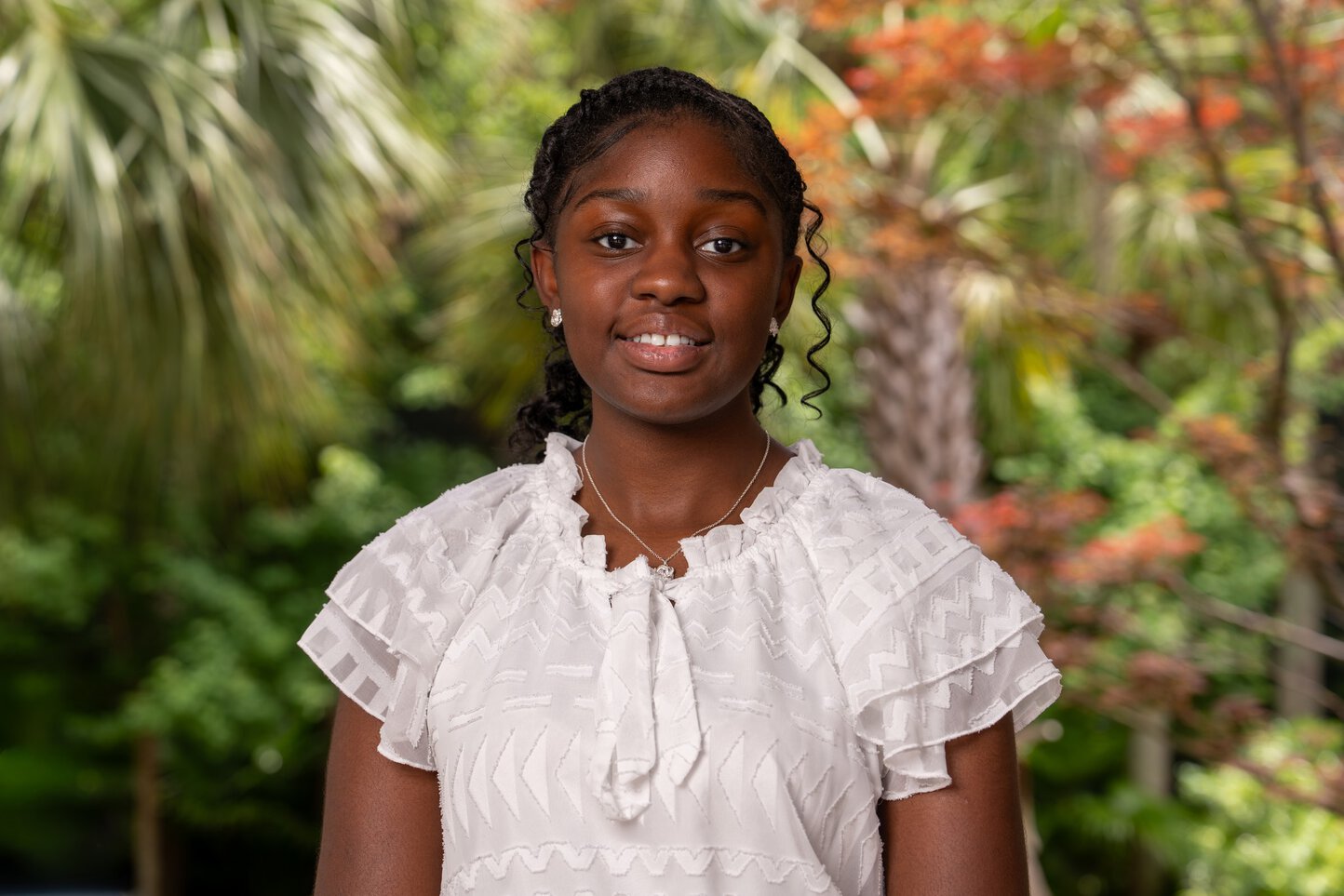
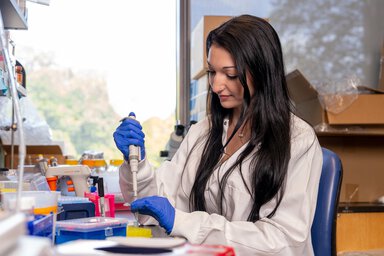
South Carolina State University biology major Zackery Mason knows he wants to become a doctor. This summer, he is taking an important step toward that goal by conducting hands-on cancer research at MUSC Hollings Cancer Center.
Mason is working in the lab of Jessica Hartman, Ph.D., studying the enzyme CYP2E1 and its role in colorectal cancer. Rather than simply observing, he is actively conducting experiments under the guidance of his mentor.
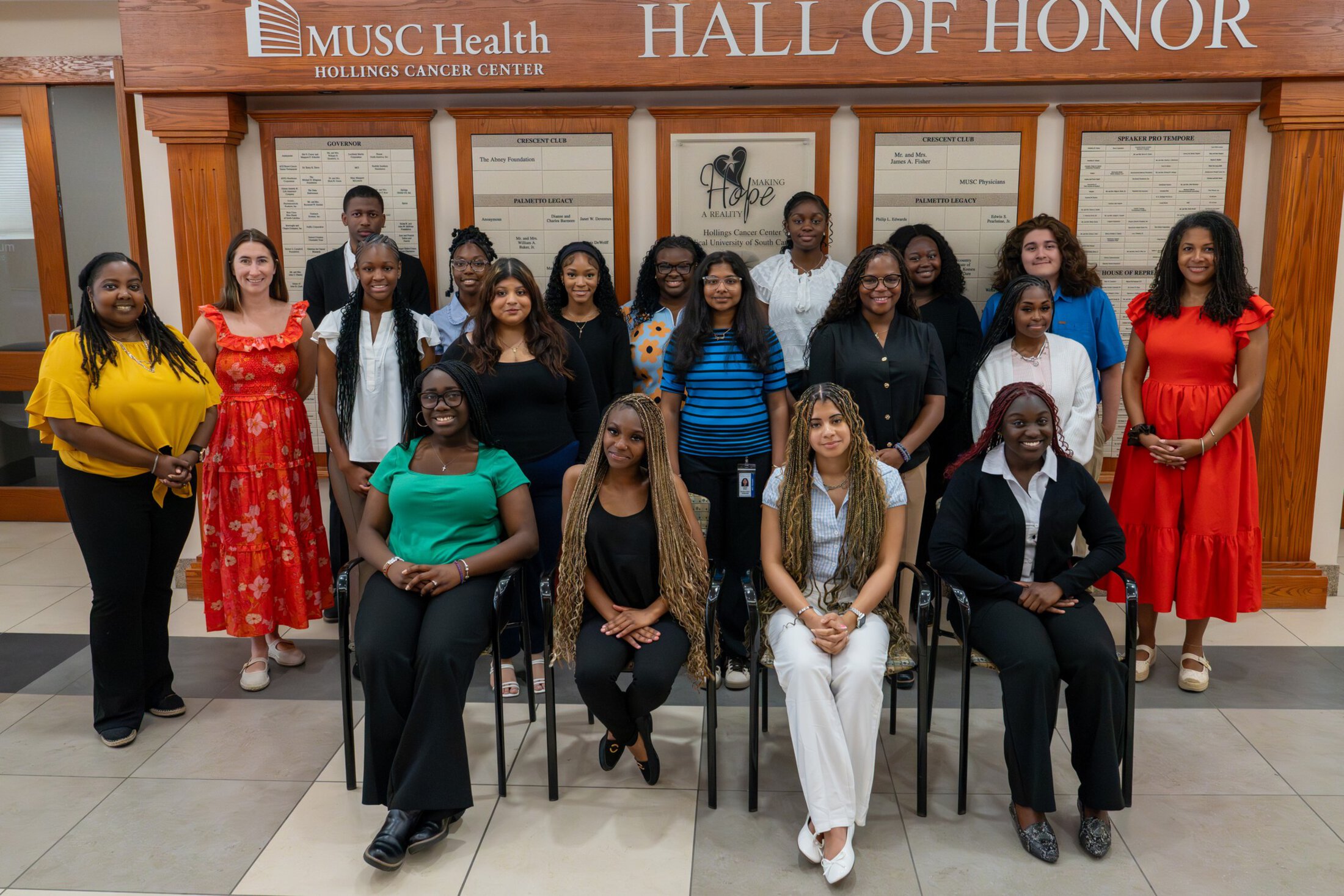
He is one of 16 high school and college students participating in SC CHEER Youth Enjoy Science (SC CHEER YES), a two-year program developed and run by the Hollings Office of Community Outreach and Engagement to build South Carolina’s future biomedical workforce while preparing a new generation of scientists to address the state’s cancer burden and cancer disparities.
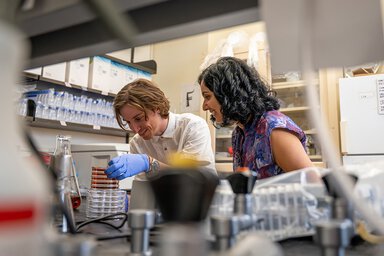
“These students are doing cancer research in active labs, so they’re getting true hands-on experience,” said course coordinator Summer Strock. “The objective is for them to learn about cancer, understand cancer disparities and gain laboratory experience that helps them see what’s possible as future careers.”
For Strock, who is also a teacher at the Charleston Charter School for Math and Science, exposing students to research early in their education is what makes the program so impactful. She said the experience helps to bridge the gap between classroom science and real-world discovery.
Building a pathway into cancer research
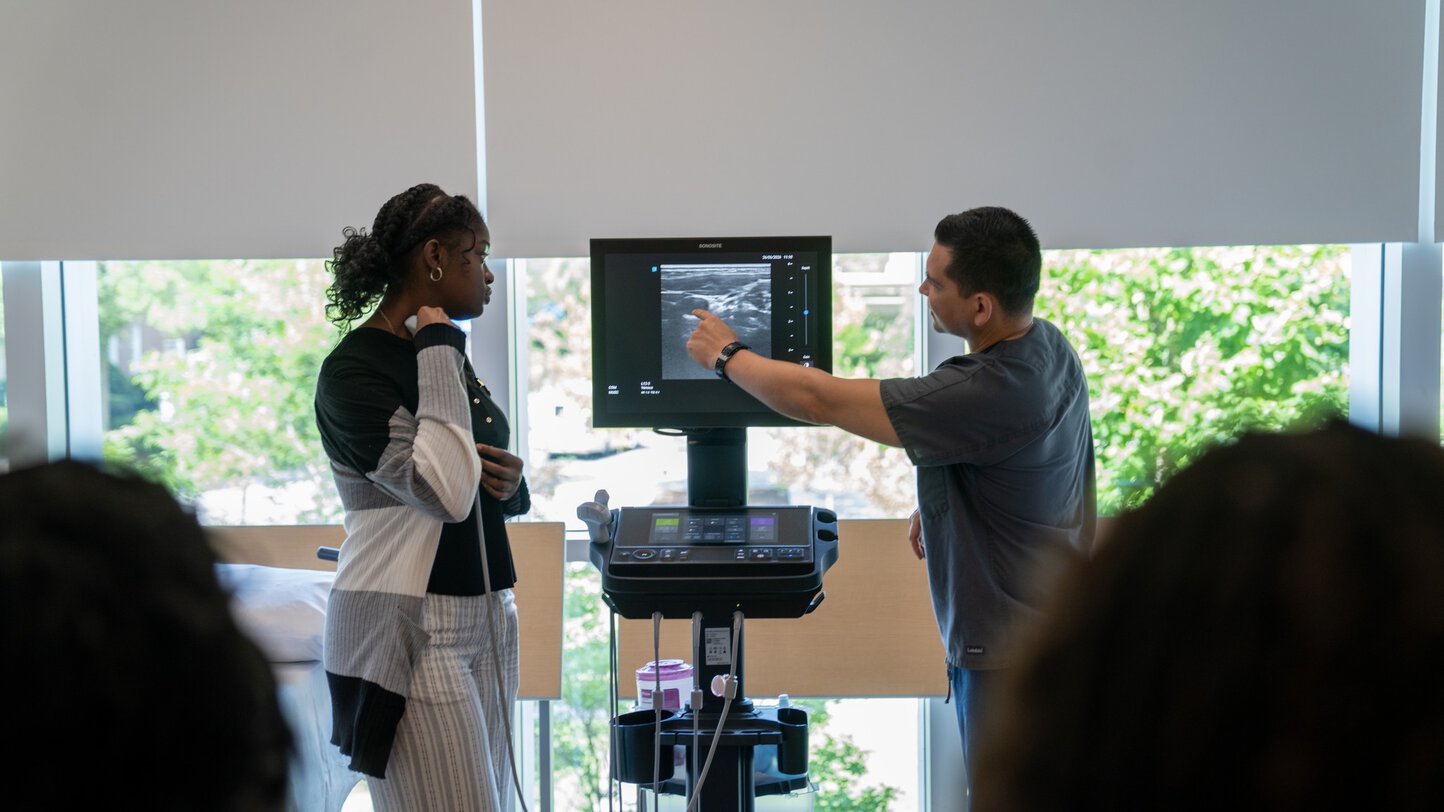
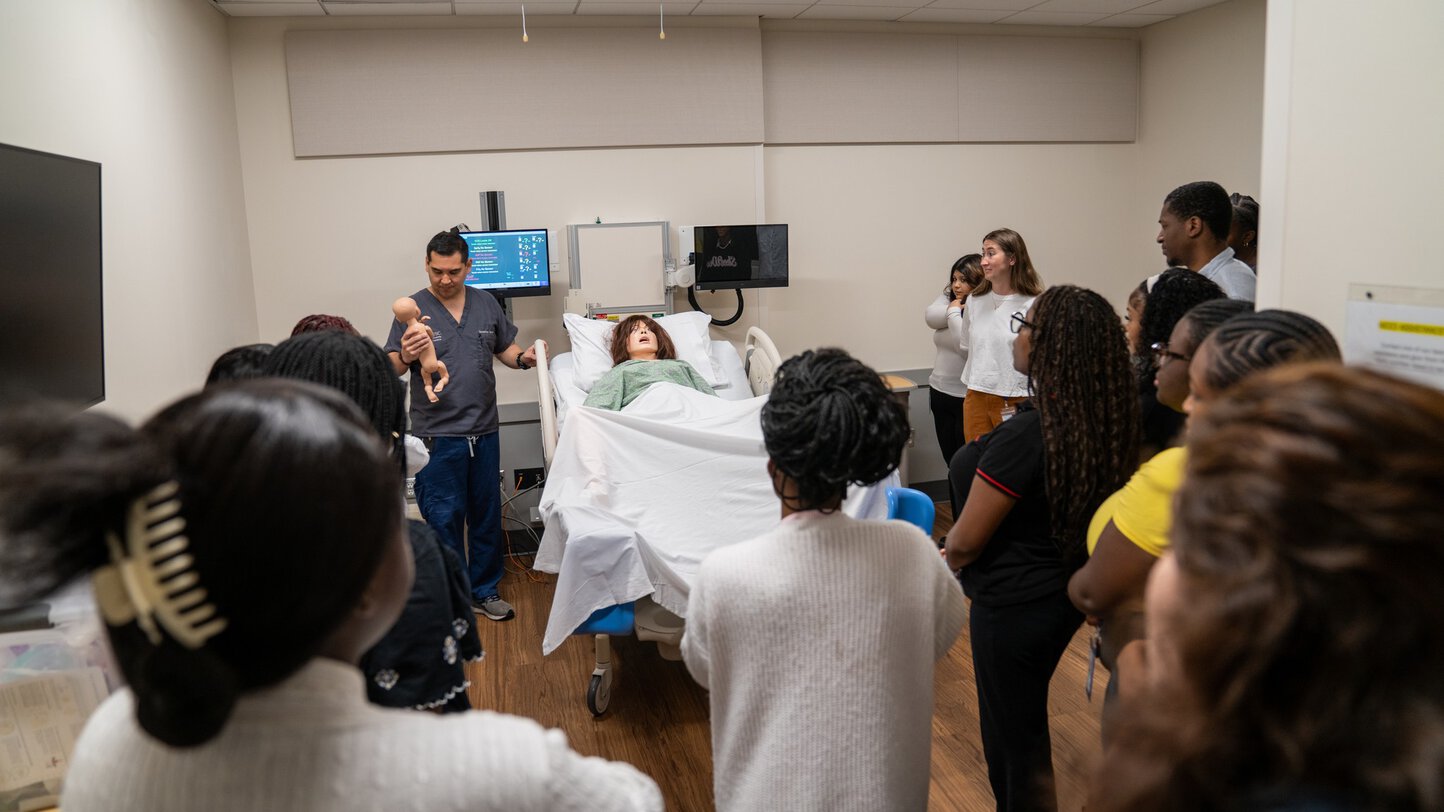
Students spend their days embedded in Hollings laboratories, gaining hands-on research experience while attending lectures, presentations and professional development sessions. The program consists of seven-week paid internships over two consecutive summers, with continued engagement throughout the school year. Students who complete the two-year program can earn up to 15 college credit hours as they prepare for careers in science, medicine and cancer research.
The program has been eye-opening for rising senior Andreana Grant, who attends Burke High School.
“I thought research would be like what you see on TV. It’s very intricate, but once you get into it, it's much less intimidating than it seems. Before this program, I wanted to become a psychiatrist. Now I realize I wouldn't mind doing cancer research because it’s very interesting, and I’ve had family members affected by cancer, so it’s important to me."
Grant is spending the summer working in the lab of Martin Kang, Ph.D., on a gene therapy project evaluating potential treatments for infants with genetic diseases. Knowing her work could one day improve the lives of young patients has made the experience especially rewarding.
“It would be fascinating to say I was part of research that could save lives. That would be a huge accomplishment for me.”
Connecting science with purpose
Mackynzie Jones, a rising sophomore at Charleston Charter, joined the program with a passion for understanding why cancer affects some communities more than others.
“I really enjoy researching cancer, especially cancer disparities,” Jones said. “Breast and prostate cancer heavily affect the African American population, so getting to study why that happens and represent my community through this work was something I really wanted to do.”
Jones is working in the lab of Rachel Tomko, Ph.D., where she studies cannabis and tobacco use and their long-term effects on health.
“My part is looking through data about people who use cannabis and tobacco and how those substances affect health, contribute to cancer risk and impact other parts of the body,” she said.
It’s a great environment because everybody has that same curiosity. Everyone constantly wants to learn more, ask questions and figure things out together.
While Jones enjoys learning the science, one of the biggest surprises has been discovering how much she enjoys interacting with study participants – an experience that is reinforcing her goal of becoming a physician.
“I’ve really valued being able to talk to people,” she said. “Getting to be in a lab where I interact directly with participants is really cool because that’s something I’ve been wanting to do. It’s helping develop my bedside manner, which is important because I want to work directly with patients one day.”
Turning curiosity into experience
For Mason, one of the program’s greatest benefits has been gaining research experience before applying to medical school.
“I really wanted this kind of experience because I plan on going to medical school, and it’s one of the few programs that’s perfect for someone with zero prior research experience,” Mason said. “This program is a very good stepping stone for me.”
Now, Mason is conducting experiments and building technical skills under the guidance of experienced researchers. Beyond lab work, he participates in research presentations, engages in discussions with fellow trainees and attends his lab’s journal club, where researchers and students analyze scientific papers related to their work. Mason said the conversations expose him to new ideas and challenge him to think more deeply about the science.
“It’s a great environment because everybody has that same curiosity,” he said. “Everyone constantly wants to learn more, ask questions and figure things out together.”
Discovering what’s possible
At the end of the summer, each student will present their research during the program’s closing colloquium, sharing the projects they have developed with faculty mentors, fellow students, family members and the Hollings community. For many, it will be their first opportunity to present scientific findings in a professional setting – an experience that mirrors how researchers communicate discoveries throughout their careers.
Strock and the faculty mentors hope that the end of the summer marks the beginning of lifelong careers in medicine and research.
“Instead of someone telling them this could be a career, they’re actually experiencing it and discovering opportunities they may not have even known existed,” Strock said.
By opening those doors early, SC CHEER YES is building the next generation of cancer researchers while strengthening the future of cancer discovery and care in South Carolina.
SC CHEER YES participation
The program is open to high school students attending:
- Burke High School.
- Charleston Charter School for Math and Science.
- North Charleston High School.
- St. John’s High School.
Eligibility also extends to undergraduate students attending:
- Claflin University.
- South Carolina State University.
- Voorhees University.
Hayley Kamin
Communications Manager
Hayley Kamin is the communications manager for the Hollings Cancer Center Communications and Marketing team, having joined the team in 2025 after three years as a communications specialist at the National Institutes of Health (NIH). As a science communicator with a Ph.D. from the University of Florida, she has extensive experience translating complex research into clear, engaging content. Her career has included roles at the NIH’s National Institute of Mental Health and the American Psychological Association, where she led content development and editorial strategy, developed science and health communications and worked with researchers and clinicians to strengthen public understanding of research.
Contact Hayley at kamin@musc.edu.
Recent Cancer Education and Training stories