New cancer treatments, screening tests and prevention strategies all have one thing in common: They depend on people volunteering to participate in research.
But a new study from MUSC Hollings Cancer Center suggests that one of the biggest barriers to research participation may be trust.
Researchers found that people who have lower levels of trust in the medical community are significantly less willing to participate in cancer research, from clinical trials and genetic testing to donating biospecimens or sharing medical records. The study offers one of the most comprehensive looks to date at how trust influences willingness to engage in cancer research and underscores the need for public education and community engagement.
“Research only moves forward when people are willing to participate,” said Marvella Ford, Ph.D., associate director of Community Outreach and Engagement at Hollings. “If people don’t trust researchers or don’t understand what research involves, it limits our ability to develop better ways to prevent, detect and treat cancer.”
The study, published in The Oncologist, surveyed 1,780 adults across South Carolina using a validated questionnaire designed to measure trust in medical researchers. The research team designed the study to reflect South Carolina’s population, recruiting participants from rural and urban communities throughout the state with varying ages, education levels and racial backgrounds.
The Trust in Medical Researchers Scale used in the study is a validated 12-question survey that asked participants about their perceptions of researchers’ honesty, communication and commitment to protecting participants. Ford said using the prevalidated tool allowed the team to assess trust levels accurately among South Carolinians and compare their findings with national trends. Researchers also asked participants whether they would be willing to take part in a variety of specific cancer research activities.
Although most participants reported moderate levels of trust in medical researchers, willingness to participate in cancer research was relatively low for most activities. For instance, fewer than half of participants said they were willing to engage in genetic testing, cancer screening or community-based research. Participants were slightly more willing to donate biospecimens, such as saliva or urine samples.
But trust mattered regardless of the type of research activity. People with moderate or low levels of trust in medical researchers were consistently less willing to participate in cancer research than those with high levels of trust.
When people understand that today’s treatments and preventions exist because others participated in research before them, it helps make research feel less mysterious and more approachable.
Perhaps most concerning to researchers was the fact that fewer than one in three respondents said they would participate in a clinical trial – studies that make tomorrow's cancer breakthroughs possible. Clinical trials are considered the gold standard for cancer research and play a key role in most advances in cancer care. They can lead to new medications, screening methods, lifestyle interventions and other promising approaches.
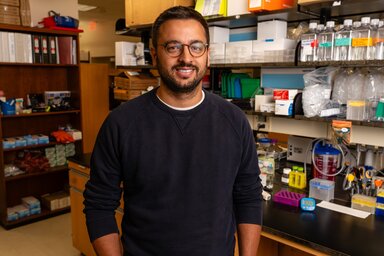
“Clinical trials are incredibly important, but many people don’t understand what they are or why they’re necessary,” said Kalyani Sonawane, Ph.D., assistant director of Data Science and Analytics at Hollings. “Cancer centers have a responsibility to understand the communities they serve and identify barriers that prevent people from participating in research.”
According to Sonawane, some of that mistrust may reflect broader declines in public trust in science and medicine in recent years.
“We’re living in a time when misinformation spreads very quickly, particularly online. When people are exposed to misleading information about cancer treatments, public health or scientific research, it can influence whether they trust researchers and, ultimately, whether they’re willing to engage in research.”
But the findings also offer an encouraging sign that public perceptions of medical research may be improving and can be strengthened through public education and community engagement.
This study is the latest chapter in Ford’s longstanding efforts to understand how trust influences research participation and how to strengthen it. More than a decade ago, she led a study showing that community-based education improved perceptions of research among predominantly African American communities in South Carolina. Initial levels of trust in clinical trials in that study were considerably lower than those observed in the current study, suggesting that public understanding of medical research has grown over time.
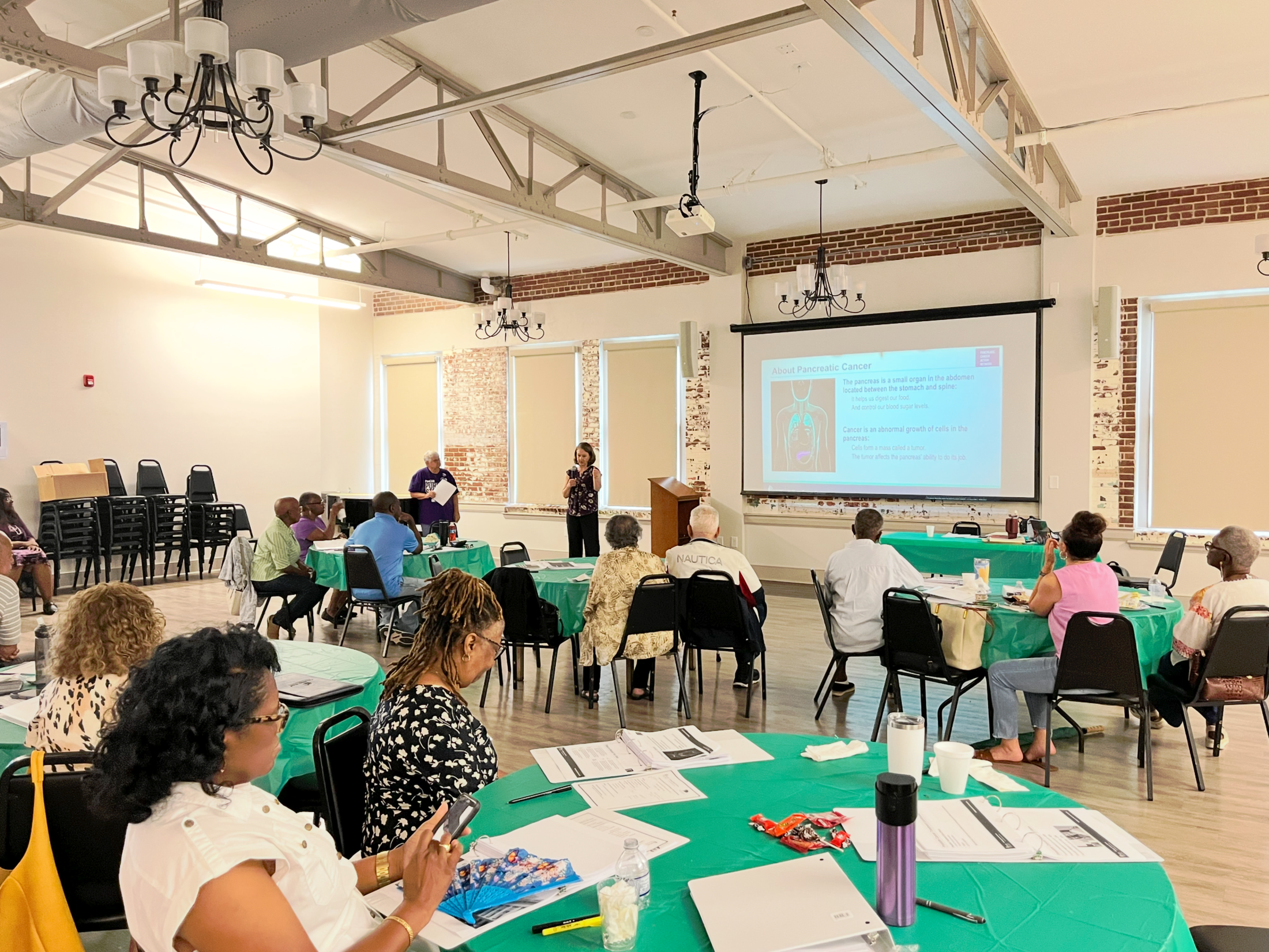
The Hollings Office of Community Outreach and Engagement is building on that work through the MOVENUP program, a community-based train-the-trainer initiative that brings information about cancer prevention, screening and research directly to South Carolinians. The program includes education about clinical trials that explains what they are, why they matter and the safeguards that protect participants. The research team plans to use these findings to understand more fully the barriers that influence participation in clinical trials and to develop more effective ways to communicate the importance of medical research.
Ford said the findings also underscore that the way researchers talk about clinical trials matters as much as what they say. Outreach efforts have reinforced the importance of talking about research in ways that are clear, accessible and responsive to people’s questions and concerns.
Sometimes, that starts with something as simple as an item most people have in their medicine cabinets: a bottle of Tylenol.
“During community education presentations, I hold up a bottle of Tylenol and ask where people bought it. They naturally say the grocery store or pharmacy. Then we talk about how hundreds of thousands of people participated in clinical trials over many years to determine the safety, effectiveness and proper dosing of that common medication. Clinical trials are the reason we know it’s safe and effective to use today. When people understand that today’s treatments and preventions exist because others participated in research before them, it helps make research feel less mysterious and more approachable.”
Ford’s example underscores an important message: The cancer breakthroughs of tomorrow depend on people choosing to participate in research today.
“Public participation is foundational to cancer research,” Sonawane emphasized. “Without it, we can’t generate the evidence needed to improve cancer prevention, screening, treatment and survivorship care. Building trust with communities is essential if we want to continue making progress against cancer.”
Featured in this story
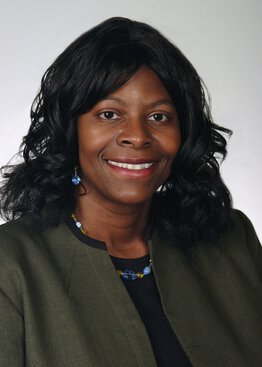
Marvella E. Ford, Ph.D.
A professor of public health sciences, Marvella E. Ford, Ph.D., oversees the center’s effort to address the state’s critical cancer disparities. Through community outreach and educational programs, Ford and her team work with leaders throughout the state to build bi-directional, trusting, and long-lasting partnerships, which are critical to Hollings investigators in tailoring culturally and contextually knowledgeable cancer interventions. She also works with the South Carolina Department of Public Health to implement cancer-focused initiatives, including the State Cancer Plan.

Kalyani "Kelly" Sonawane, Ph.D.
My expertise is in analyzing healthcare databases for understanding the epidemiology of diseases and assessing the health outcomes of medical interventions. My statistical expertise supplements the methodological rigor required to conduct observational database research. Over the last ten years, my research has been focused on understanding disparities across the cancer continuum (prevention, screening, and treatment) among vulnerable and underserved groups. I have extensive experience in conducting research using national surveys, surveillance data, commercial claims databases, electronic medical records, and data from clinical studies.
South Carolina Cancer Surveillance for Population Health Research and Outreach Tool
Reference
Kalyani Sonawane, Alexander V. Alekseyenko, Gayenell S. Magwood, Shikhar Mehrotra, Gayathri R. Devi and Marvella E. Ford. Trust in researchers and willingness to engage in cancer research. The Oncologist [30 April 2026]. doi: 10.1093/oncolo/oyag170.
Grants from the South Carolina Cancer Disparities Research Center (U54CA210962), National Library of Medicine (G08LM014413) and National Cancer Institute (P30CA138313) supported this research.
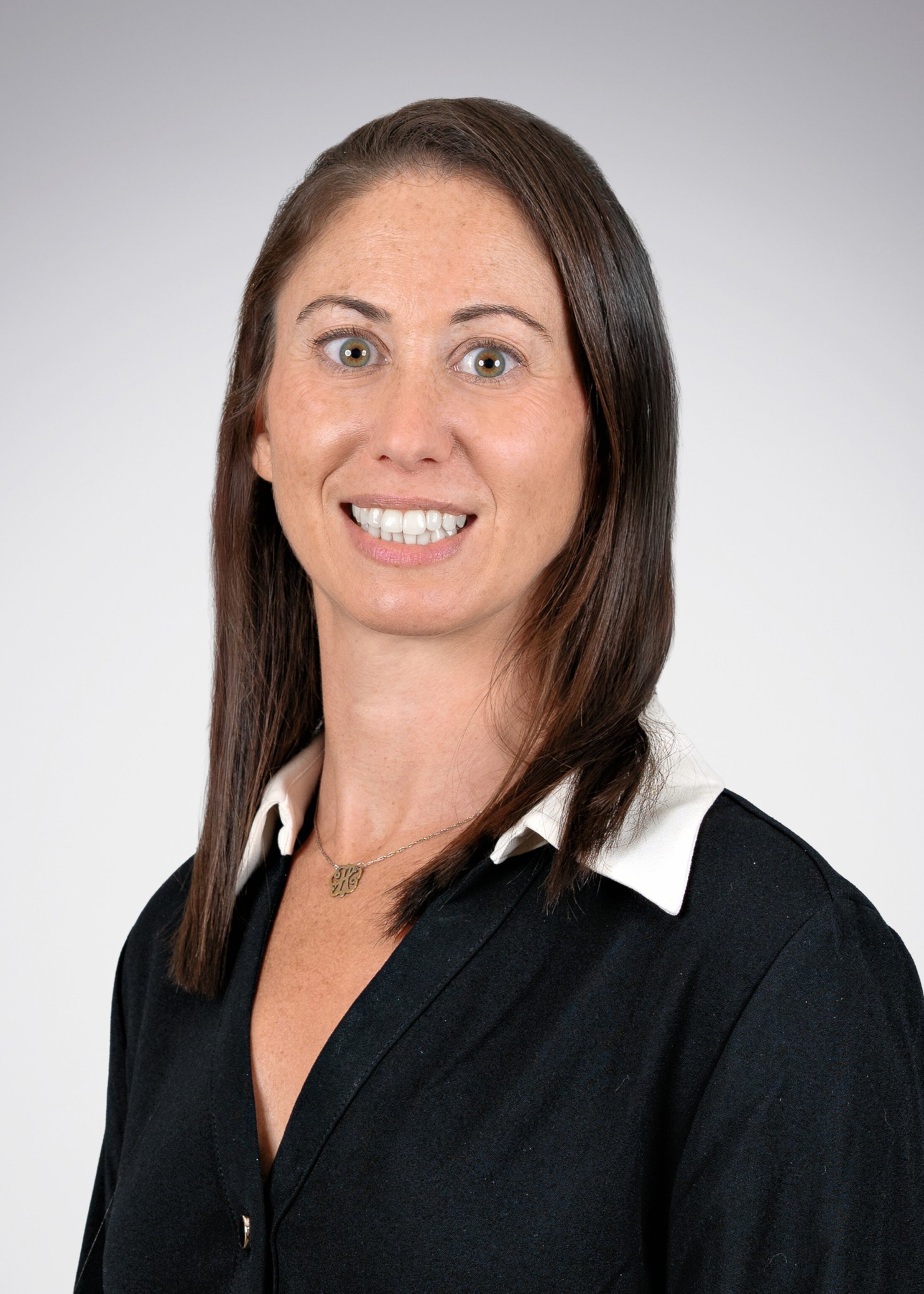
Hayley Kamin
Communications Manager
Hayley Kamin is the communications manager for the Hollings Cancer Center Communications and Marketing team, having joined the team in 2025 after three years as a communications specialist at the National Institutes of Health (NIH). As a science communicator with a Ph.D. from the University of Florida, she has extensive experience translating complex research into clear, engaging content. Her career has included roles at the NIH’s National Institute of Mental Health and the American Psychological Association, where she led content development and editorial strategy, developed science and health communications and worked with researchers and clinicians to strengthen public understanding of research.
Contact Hayley at kamin@musc.edu.
Recent Cancer Research stories