Healing After Cancer
Years after completing head and neck cancer treatment, Jennifer Gross was struggling with side effects. The survivorship clinic at Hollings helped.


Hollings Horizons is MUSC Hollings Cancer Center’s bi-annual magazine featuring the innovative and inspiring work happening in our clinics, labs, and community.
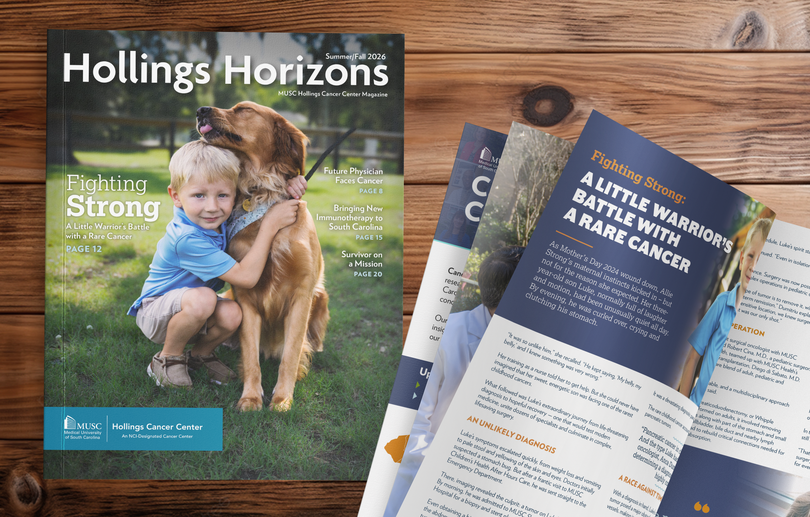
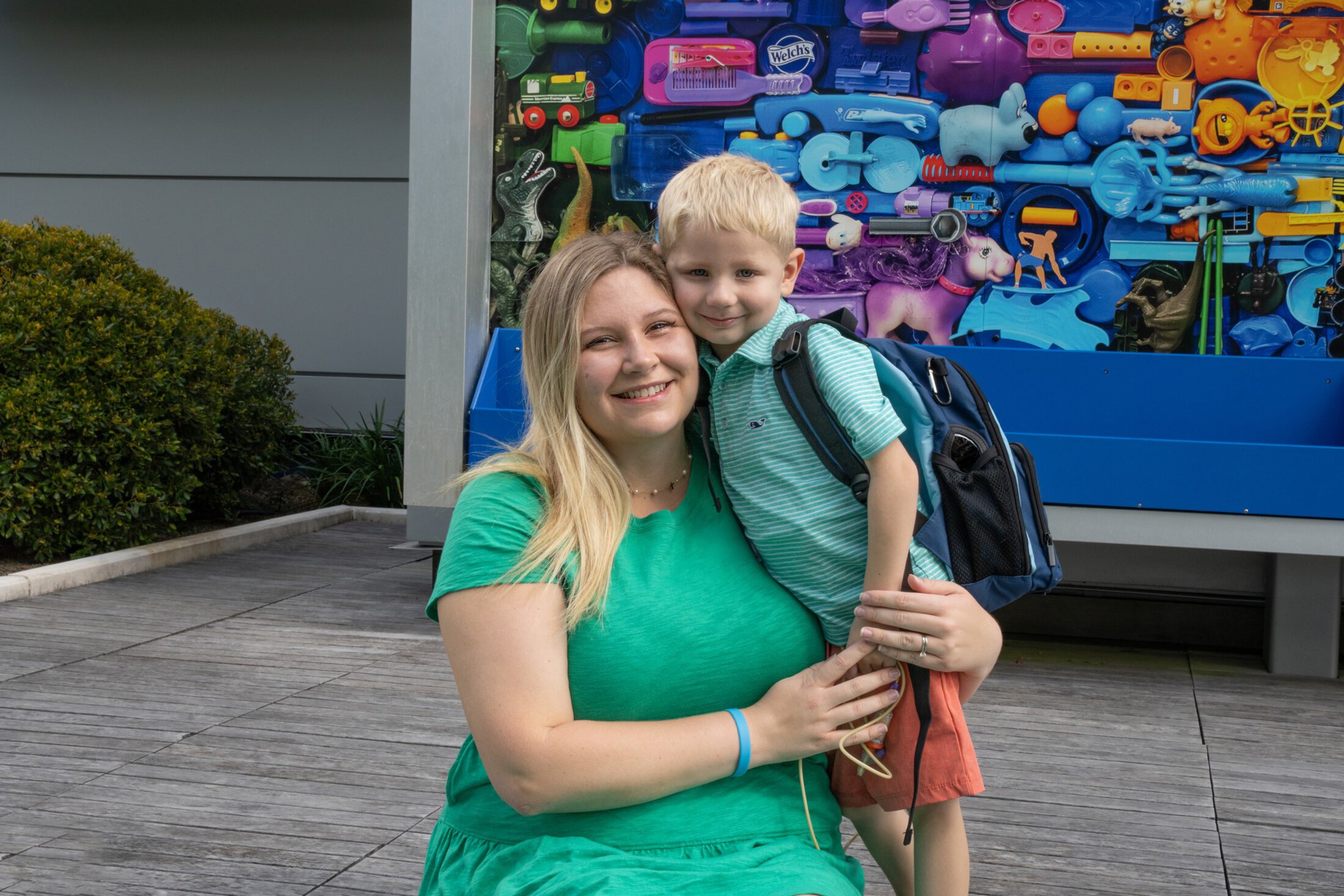
Watch Luke Strong's extraordinary journey from life-threatening cancer diagnosis to hopeful recovery – one that would test modern medicine, unite dozens of specialists and culminate in complex, lifesaving surgery. Read more about Luke's story
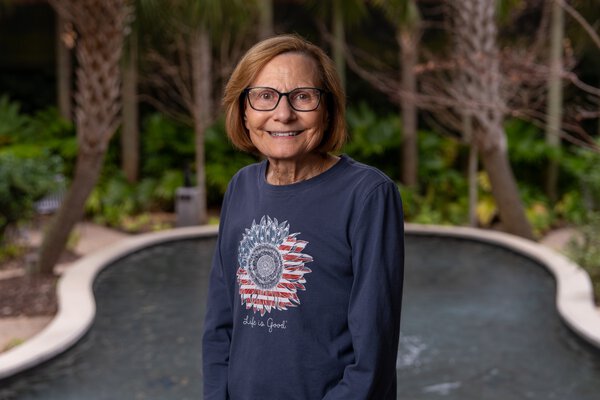
Years after completing head and neck cancer treatment, Jennifer Gross was struggling with side effects. The survivorship clinic at Hollings helped.
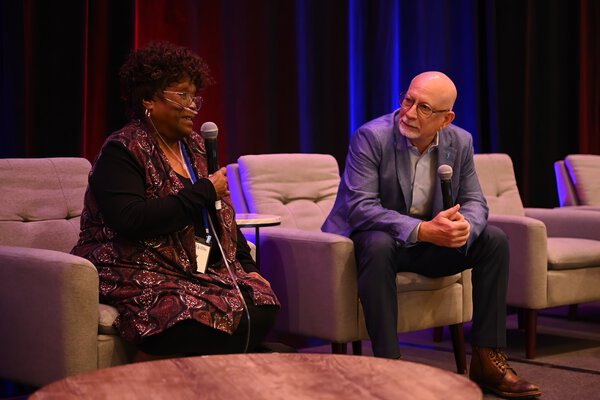
Betty Frasier has lived through four cancer diagnoses, but what she thinks of most is the relationships that have carried her through treatment.
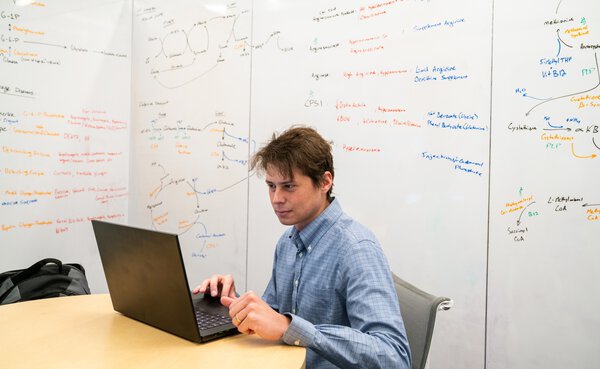
A rare living donor liver transplant allowed MUSC medical student Hayden Braun to continue his path to becoming a physician.
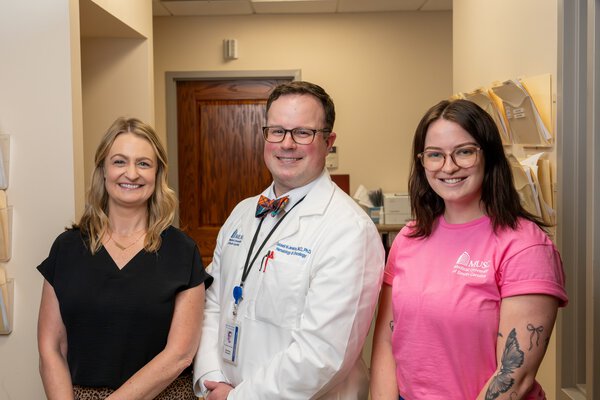
Tumor-infiltrating lymphocyte therapy offers a personalized, one-time treatment for patients with advanced melanoma.
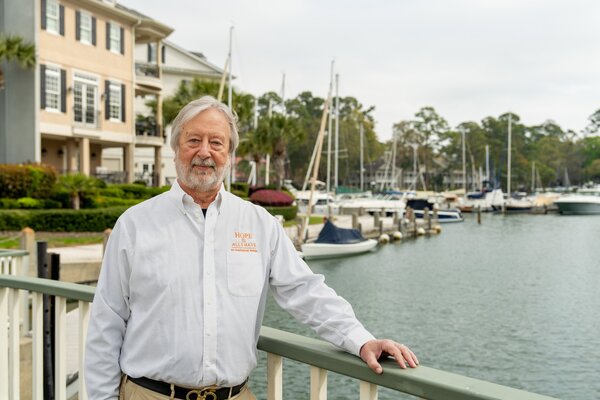
After surviving advanced kidney cancer, Billy Douglas is determined to educate more people about cancer prevention and cancer care.
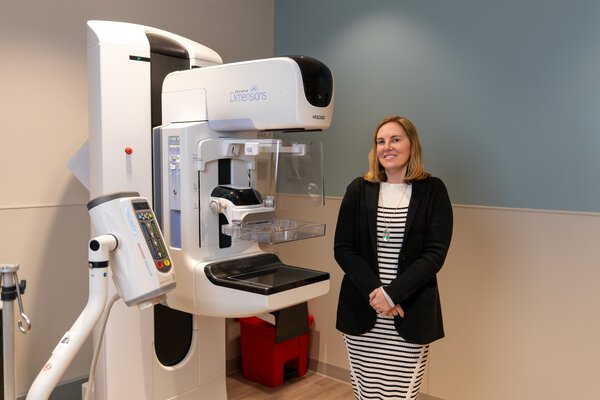
MUSC Health now offers contrast-enhanced mammography in West Ashley for patients who are restricted from getting MRIs.

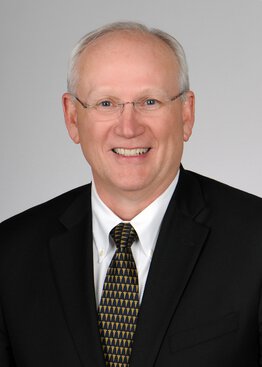
Raymond N. DuBois, M.D., Ph.D., is the director of MUSC Hollings Cancer Center and the associate provost of cancer programs. As a physician-scientist, Dr. DuBois is passionate about cancer research and patient-centered care. He drives the strategy to strengthen and grow Hollings impact on cancer care in South Carolina.
An internationally known scientist, Dr. DuBois has made significant contributions to understanding the role of inflammation and inflammatory mediators in the progression of colon cancer and other gastrointestinal malignancies. His work has led to a better understanding of the molecular basis for anti-inflammatory agents, such as aspirin, in reducing cancer risk. It has also led to clinical trials showing how drugs that inhibit this pathway could prevent or intercept the cancerization process.
Dr. DuBois has over 160 peer-reviewed research articles out of 274 publications, more than 72 review articles, 25 book chapters, and three books during his career, and his work has been cited over 70,000 times with an H-index of 120. He is also a co-inventor of a method to identify and target cellular genes needed for viral growth and cellular genes that function as tumor suppressors in mammals, which led to the creation of a biotech company that utilized this technology to discover new drug targets for the treatment of cancer and viral infections.
DuBois has been recognized with numerous awards for his cancer research, including the Richard and Hinda Rosenthal Research Award, the Dorothy P. Landon-AACR Cancer Prize, the Margaret Foti Award for Leadership and Extraordinary Achievements in Cancer Research, the AACR Distinguished Service Award, and the Anthony Dipple Carcinogenesis Award from Oxford University Press. He was inducted as a National Academy of Medicine member in 2019. He is a Fellow of the American Association for the Advancement of Science, the Academy of the American Association for Cancer Research, the American Gastroenterology Association, and the Royal College of Physicians (London). In addition, he currently holds the position of Executive Chair of the Mark Foundation for Cancer Research and was previously Vice Chair of the Stand Up to Cancer Foundation as well as President and Chair of the AACR Foundation Board.
Dr. DuBois earned a bachelor’s degree in Biochemistry with honors from Texas A&M University, a Ph.D. in Biochemistry from The University of Texas Southwestern Medical Center, and a medical degree from The University of Texas School of Medicine in San Antonio. In addition, he completed his internship/residency in medicine and a gastroenterology fellowship at the Johns Hopkins Hospital, where he studied under Nobel Laureate Daniel Nathans as a Howard Hughes Research Associate.
I’m often asked about the most important advances in cancer research today. Many people expect me to point to new treatments — and those are certainly important and a priority at Hollings Cancer Center. But one area that deserves just as much attention, and is often overlooked, is cancer prevention. It’s just as complex as treatment and ultimately has the potential to save more lives.
Cancer develops slowly over time, influenced by factors like inflammation, the immune system, metabolism, aging, environmental exposures and genetics. As our understanding of these processes grows, so does our ability to prevent cancer before it starts.
At the same time, new technologies are helping us detect very early changes in the body. Advances in blood-based tests, imaging and data analysis allow us to identify people at higher risk and intervene sooner. This is what we call “precision prevention,” moving away from a one-size-fits-all approach toward more personalized strategies.
We are also seeing promising new directions in areas like immunology. The same types of approaches that help the immune system fight advanced cancers may eventually help prevent them from developing at all.
Many cancers are influenced by lifestyle and environmental factors, which means there are steps individuals can take to reduce their risk. It’s important for everyone to work with their doctors to understand which cancer screenings are appropriate and when to receive them. By combining scientific advances with personal responsibility, we can make meaningful strides toward a future with less cancer.
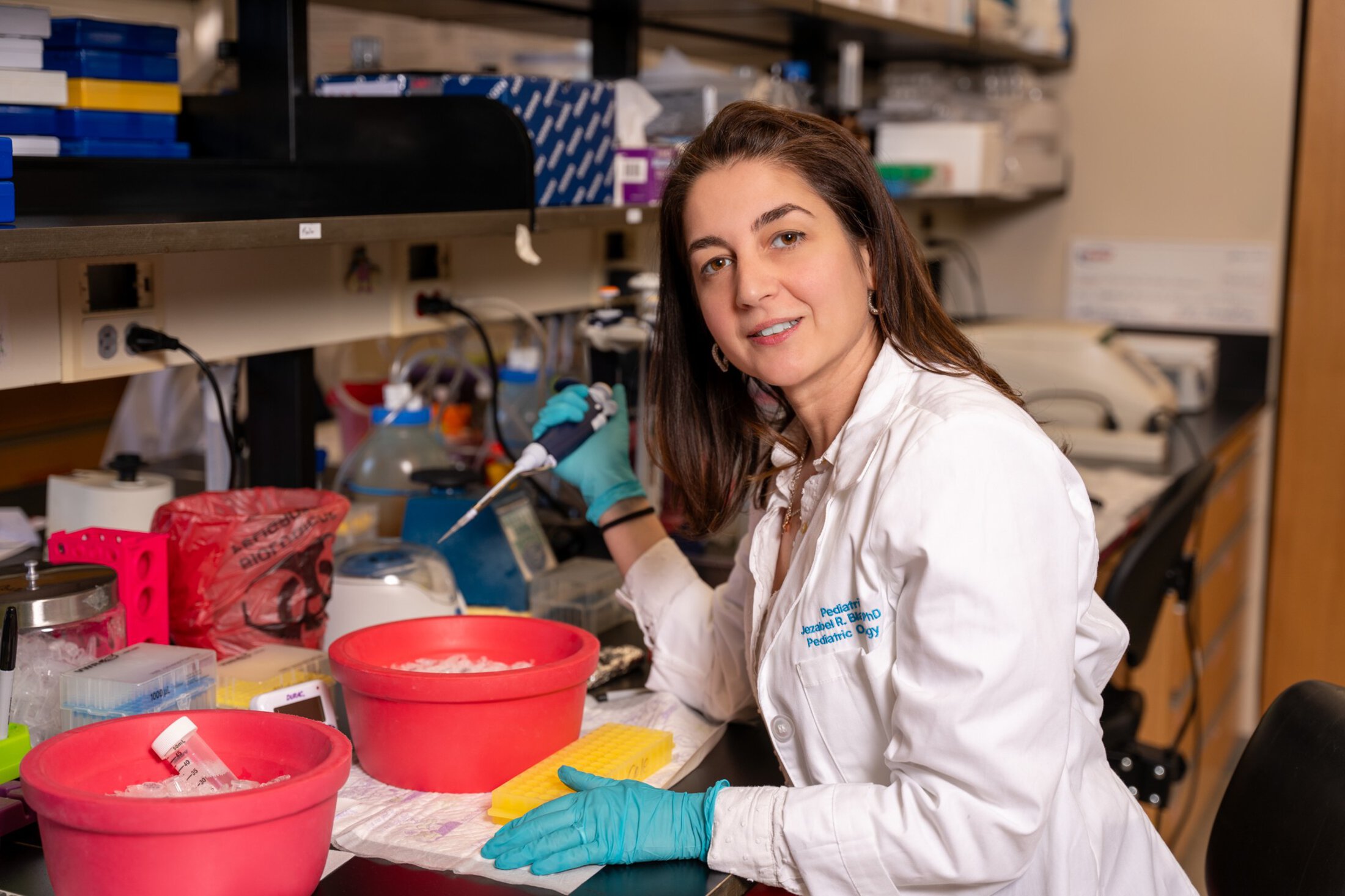
Hollings researcher Jezabel Rodriguez Blanco, Ph.D., identified a potential way to reduce relapse in medulloblastoma, an aggressive childhood cancer.
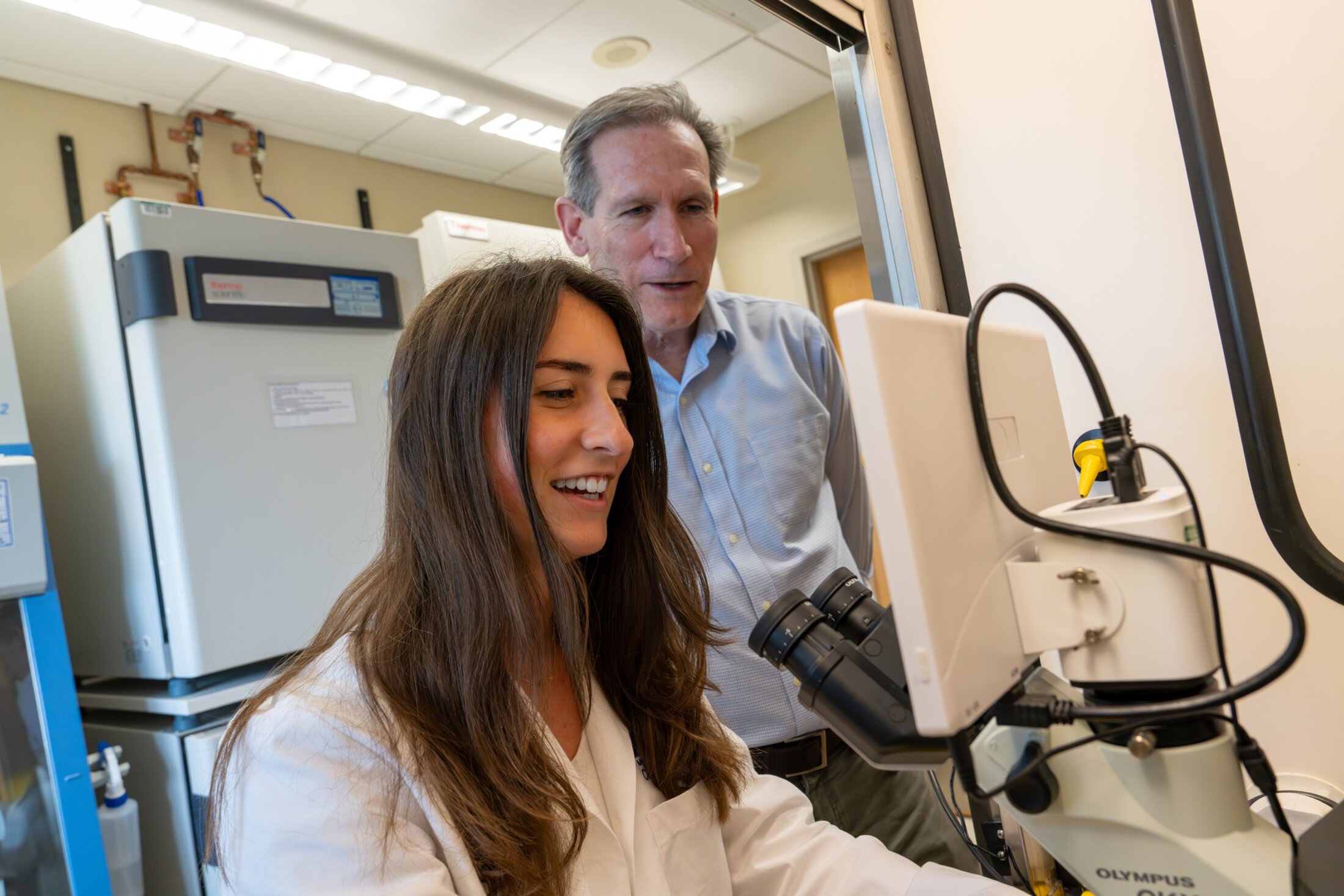
The muscle-wasting condition known as cachexia affects about half of all cancer patients but is especially prominent in pancreatic cancer. Hollings researchers have uncovered inflammatory signals that may drive this muscle loss.
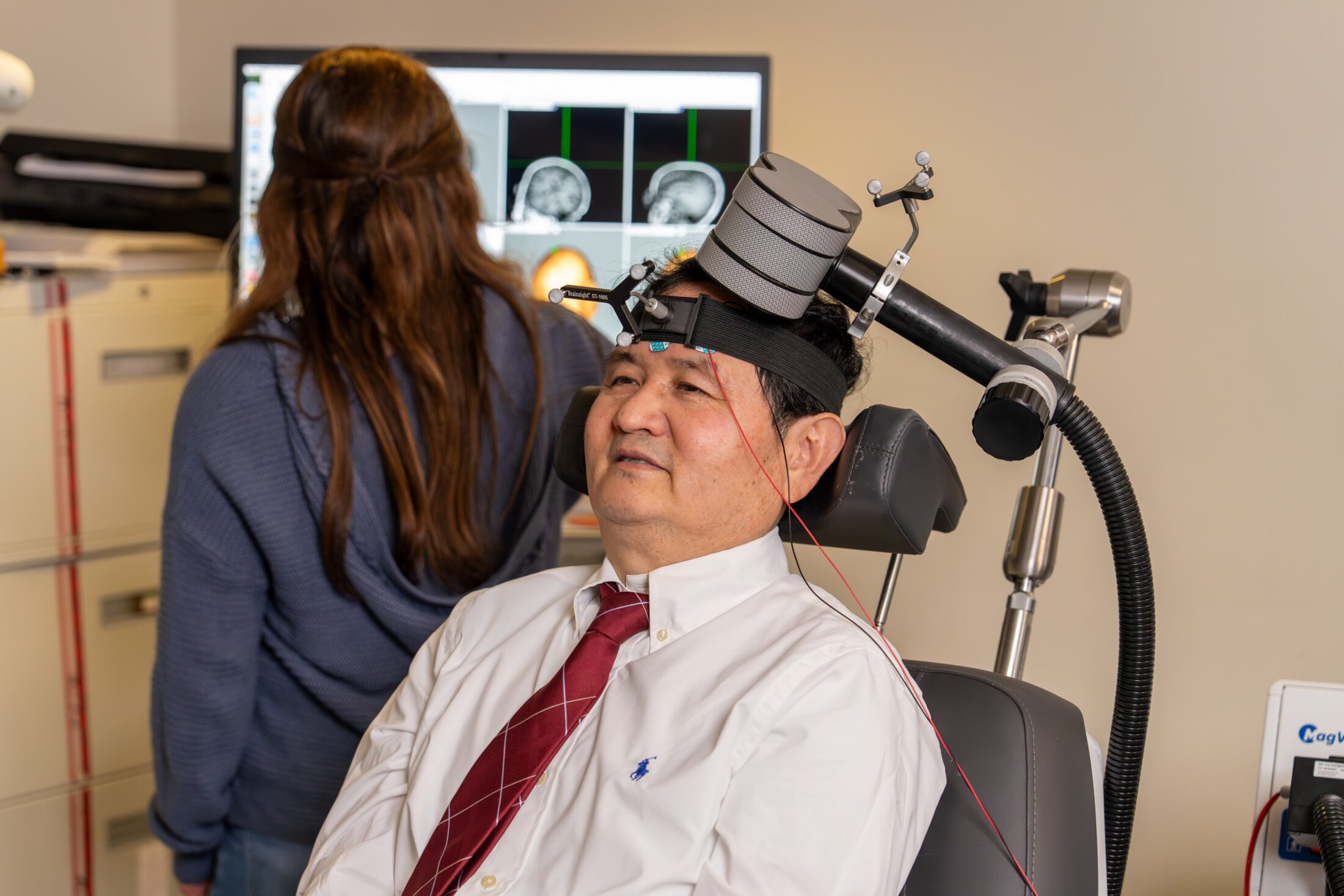
Researchers at Hollings are investigating using rTMS, a noninvasive brain stimulation technique, to help people to quit smoking. Their study found that stimulating a specific brain region that regulates self-control significantly reduced how much people smoked.
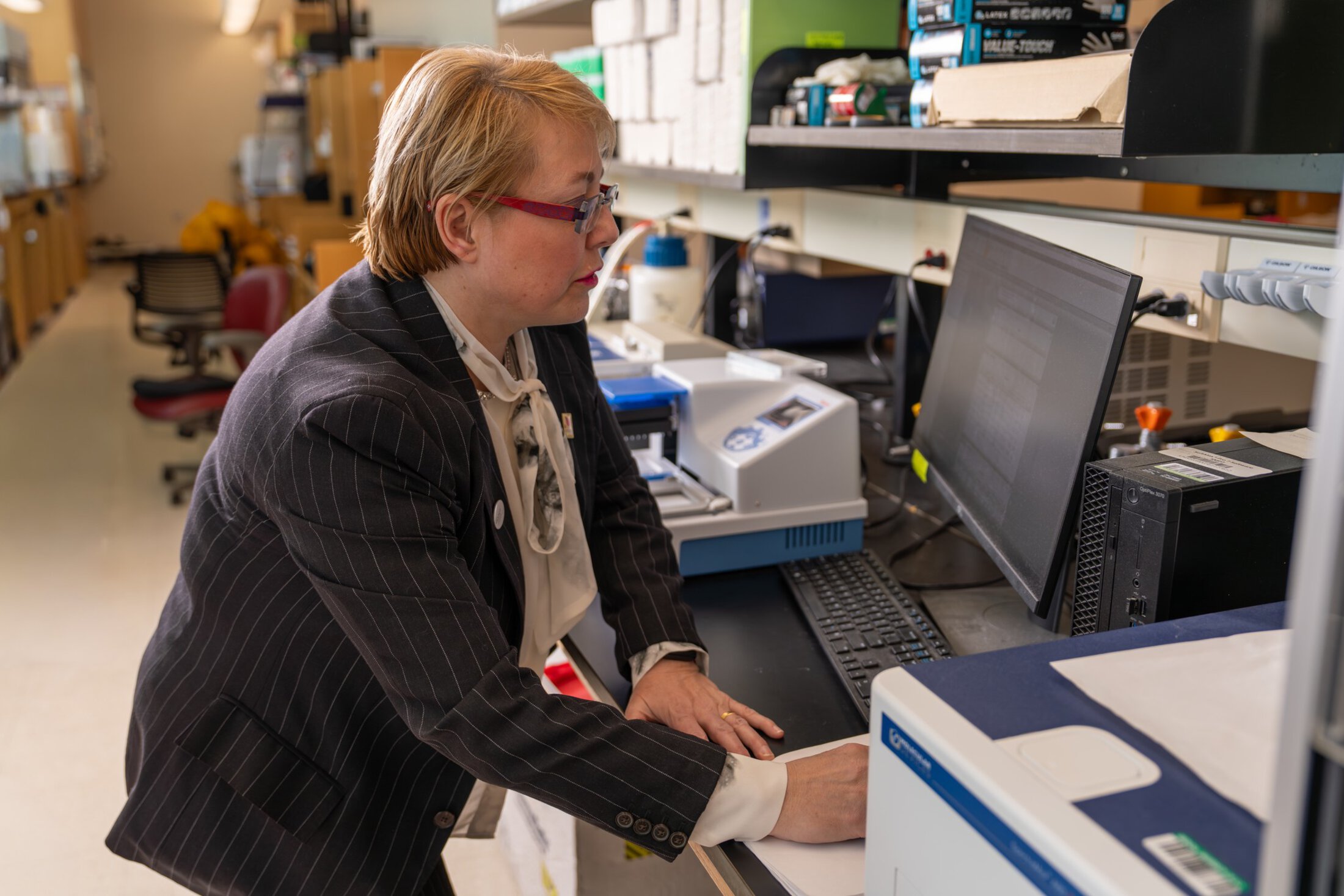
Hollings researcher Sophie Paczesny, M.D., Ph.D., led a team that developed an AI tool that uses blood biomarkers to better predict which stem cell and bone marrow transplant patients will suffer from chronic graft-versus-host disease, opening the door to earlier monitoring.
Keep up with the latest Hollings news by signing up for our monthly e-newsletter or subscribing to receive Hollings Horizons in print.