What if a powerful cancer treatment is already inside the body? At MUSC Health – the only hospital system in South Carolina offering tumor-infiltrating lymphocyte (TIL) therapy – doctors are unlocking the power of the immune system to treat advanced melanoma.
MUSC Hollings Cancer Center is an authorized treatment center for TIL therapy and performed its first collection this spring, marking a major step in bringing this advanced, cell-based therapy to patients across the state.
TIL therapy is currently approved for certain patients with advanced melanoma whose cancer cannot be removed through surgery alone. It is not a preventive treatment, and it is not intended for early-stage disease. Instead, it is designed for people whose cancer has spread, who have exhausted traditional therapies and who need a treatment that works throughout the body, targeting both visible tumors and microscopic disease.
Reawakening the immune system
The idea that the immune system can fight cancer is not new. Over the past decade, immunotherapy drugs have transformed care for melanoma and other cancers by helping immune cells to recognize tumors as a threat.
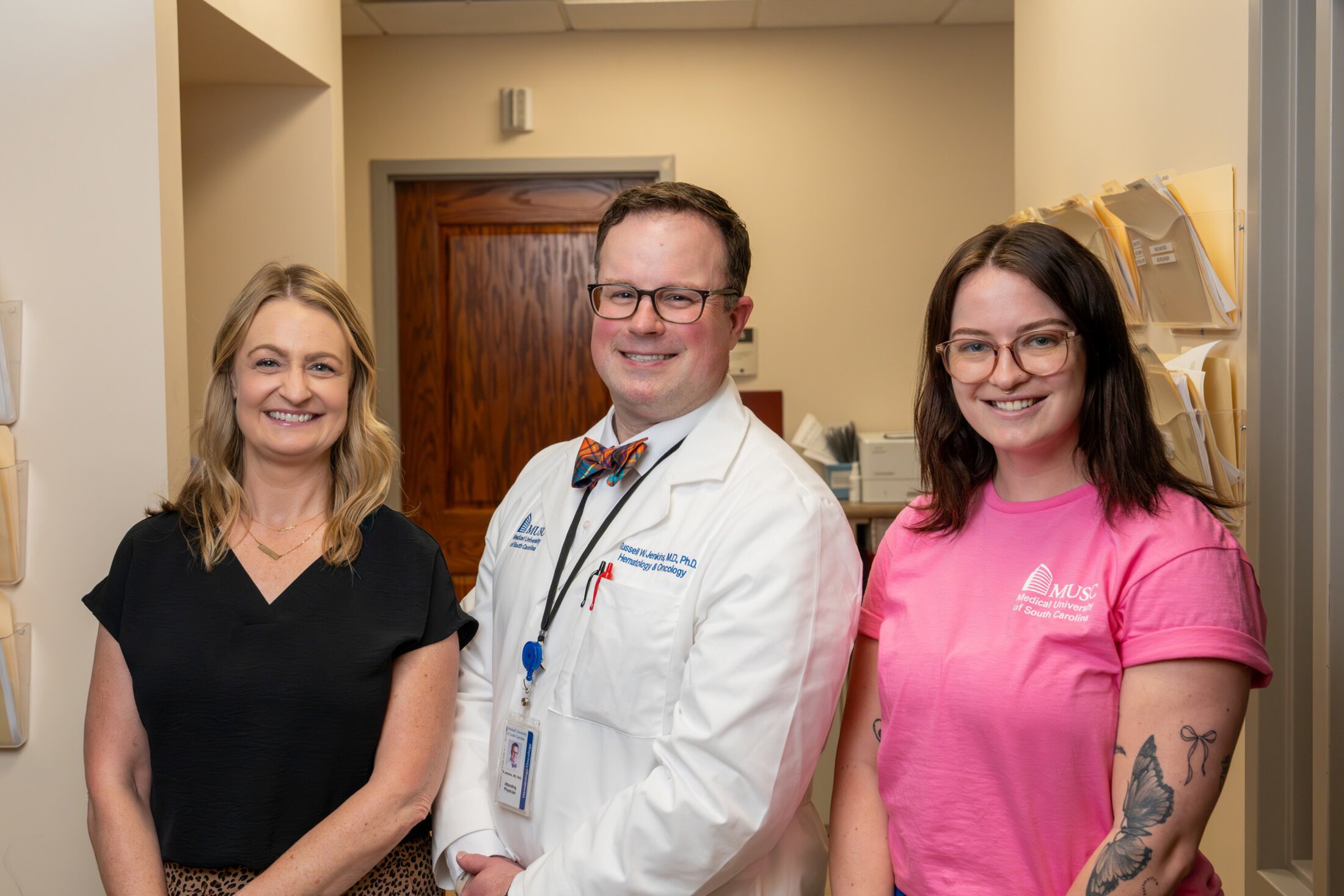
“When these treatments work, they work incredibly well,” said Russell Jenkins, M.D., Ph.D., a melanoma specialist at Hollings. “The immune system doesn’t just attack the cancer; it remembers it.”
That memory means some patients continue to benefit long after treatment ends. But existing immunotherapies do not work for everyone. That is where TIL therapy comes in.
TIL therapy harnesses the power of immune cells already inside the tumor. Often, those cells are there – just overwhelmed or exhausted. The goal is to give them a second chance at fighting cancer.
Doctors first remove a piece of the patient’s tumor through surgery. That tissue is sent to a specialized external lab, where the immune cells are isolated and expanded into the billions over several weeks. Once ready, the expanded cells are shipped back to MUSC, where the Cellular Therapy inpatient service team, including specialized doctors, nurses, physician assistants and pharmacists, oversees their infusion and patients’ clinical care.
“It’s the patient’s own immune system – just expanded and reactivated,” Jenkins explained. “Because this process takes time, the sooner we can meet potential candidates and get them started, the better.”
That process is already underway at Hollings. The first patient completed TIL collection this spring, starting with a “harvest” to procure tumor tissue performed by surgical oncologist Andrea Abbott, M.D., with the infusion to follow this summer. The expectation is that MUSC and Hollings will become a hub for patients from all over the state seeking this advanced cancer treatment.
A complex one-time treatment
Unlike many cancer therapies that require repeated treatments, TIL therapy is designed as a single, intensive course.
The process unfolds via a series of steps over several weeks:
- Surgery is performed to collect the tumor tissue.
- Tumor tissue is sent to a manufacturing site where the cells are isolated and expanded.
- A hospital stay for treatment follows that includes:
- Pre-conditioning chemotherapy.
- TIL infusion.
- IL-2 therapy, in which the TILs are expanded inside the body.
- Post-treatment monitoring.
It’s the patient’s own immune system – just expanded and reactivated. Because this process takes time, the sooner we can meet potential candidates and get them started, the better.
Delivering TIL therapy also requires far more than administering the treatment – it depends on close coordination across a multidisciplinary team. That team meets regularly to review cases, determine eligibility and coordinate care to ensure the safe delivery of this complex treatment.
Patients are first evaluated by melanoma specialists like Jenkins, but their care quickly expands into a highly coordinated, team-based effort. Surgical oncologists and cell lab technologists remove and collect the tissue samples, while cellular therapy nurse coordinators serve as the central hub – managing logistics and connecting the melanoma, cryo lab, surgical oncology and inpatient cellular therapy teams.
Behind the scenes, financial, quality and accreditation teams help to ensure everything runs smoothly, alongside the broader cellular therapy team that manages the hospital stay. Together, a network of nurses, navigators and support staff guides patients through each step.
“There’s a huge network just to get patients to the right place at the right time,” Jenkins said.
Bringing advanced care closer to home
Becoming the only hospital system in South Carolina to offer TIL therapy has required years of preparation and coordination across clinical, research and regulatory teams.
That work is now reaching patients. MUSC is currently the only authorized treatment center in the state, giving patients access to this therapy closer to home instead of having to travel out of state for intensive treatment during one of the most physically and emotionally demanding periods of their lives.
“Being close to home matters,” Jenkins said. “It means being near your family, your support system and a care team that knows you. It makes a demanding treatment a little more manageable, both physically and emotionally.”
While TIL therapy is currently approved only for melanoma, work is underway at Hollings to expand its reach.
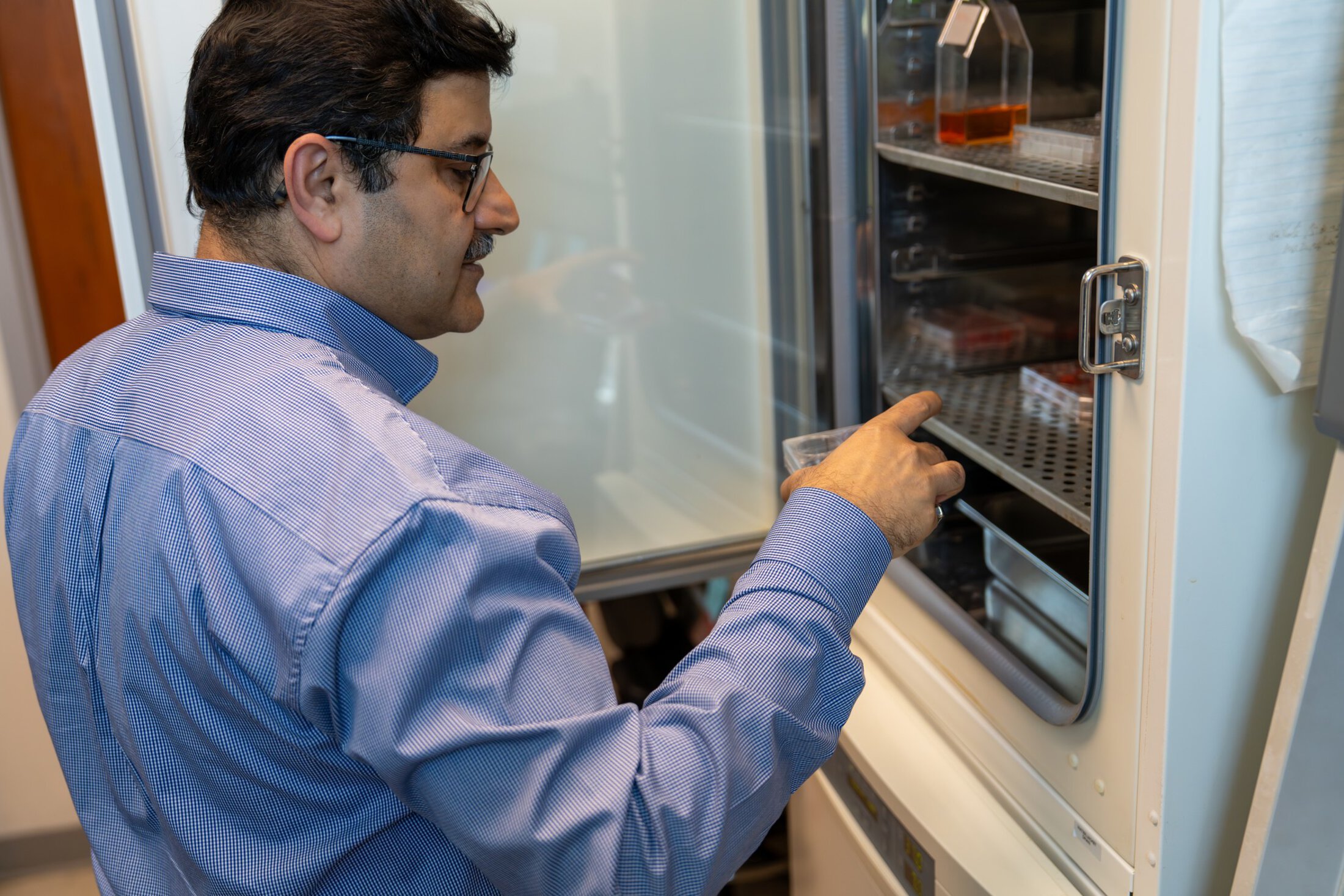
Clinicians and researchers across the cancer center are refining how the therapy works as well as exploring its use for other cancers. Mariam Alexander, M.D., Ph.D., is studying its potential in lung cancer, while Brian Orr, M.D., is investigating applications in gynecologic cancers. On the scientific side, Shikhar Mehrotra, Ph.D., co-scientific director of the MUSC Center for Cellular Therapy, is helping to refine how these immune cells are engineered and expanded to make them more effective and durable.
Together, these efforts reflect a push to bring cell-based therapies to more patients. For those patients, a single infusion, built from their own cells, may be enough to change the course of the disease.
Featured in this story
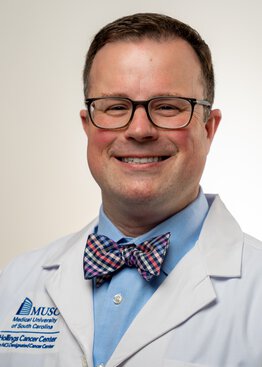
Russell Jenkins, M.D., Ph.D.
I am a physician-scientist medical oncologist with a clinical focus on melanoma and cutaneous malignancies. My research is focused on the development of novel therapeutic strategies to overcome immunotherapy resistance in melanoma and other cancers. In addition to established in vivo and in vitro models of cancer, my lab utilizes novel patient-derived tumor models. Our patient-derived organotypic tumor spheroids (PDOTS) platform involves ex vivo 3D microfluidic culture of multicellular tumor spheroids from tumor explants that retain native tumor-infiltrating immune and stromal elements. PDOTS profiling enables evaluation of tumor-immune dynamics in response to therapeutic pressure using clinically relevant biospecimens for preclinical and clinical applications.
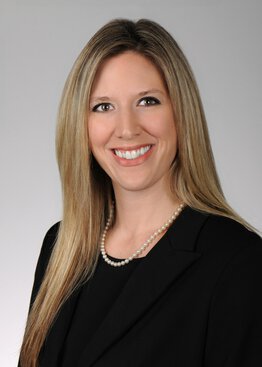
Andrea Abbott, M.D., MSCR
Andrea M. Abbott, M.D., MSCR is a board-certified surgical oncologist who specializes in the treatment of breast cancer, melanoma and non-melanoma skin cancer, and soft tissue sarcoma. Her clinical interests are breast cancer, breast cancer during pregnancy, Hidden Scar surgery, skin and nipple-sparing mastectomy, breast conserving surgery, melanoma and non-melanoma skin cancer, minimally invasive lymph node dissection, retroperitoneal sarcoma, and extremity soft tissue tumors.
Dr. Abbott obtained her medical degree from the University of Missouri-Kansas City and completed her general surgery residency at the University of Minnesota. She also obtained a Master's degree in clinical research during her residency from the University of Minnesota. She completed her surgical oncology fellowship at Moffitt Cancer Center in Tampa, Florida.
In addition to her surgical practice, Dr. Abbott is involved in clinical research and evaluating ways to improve information delivery to patients in order to enhance the patient-physician relationship and decision-making process. She is also working on ways to reduce opioid addiction after cancer surgery. She is Hidden Scar certified and uses this approach to improve cosmetic outcomes after breast cancer surgery without compromising cancer care. She is committed to finding a way for each patient to receive the best possible cancer care while honoring each patient's individual wishes and goals for his or her care.
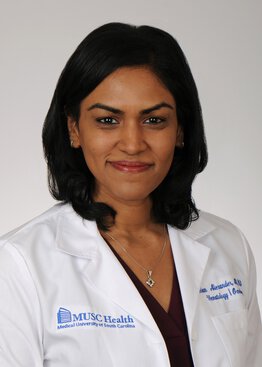
Mariam Alexander, M.D., Ph.D.
Dr. Mariam Alexander is a physician in the Hematology/Oncology division. Her clinical and research interests are in solid tumor biology, with a special focus on lung cancer and targeted therapies. Her mission is to improve access to state of the art, personalized care for cancer patients and support them through their challenging diagnoses.She earned her Ph.D. in molecular biology and genetics at the University of Toronto, Canada. Her training in hematology and oncology was done at the Montefiore Medical Center in NYC. Prior to that, she did her medical training at Saba University School of Medicine and completed her internal medicine residency at SUNY Upstate Medical University in Syracuse, NY.
Shikhar Mehrotra, Ph.D.
Dr. Shikhar Mehrotra completed his Ph.D. in Immunology in India and post-doctoral fellowship at the University of Connecticut Health Center in Farmington, CT. He joined MUSC in 2006, where his research focuses on understanding T cell biology for improving immunotherapy of cancer.
Dr. Mehrotra has held numerous leadership roles at MUSC alongside his highly productive research career. He is currently the co-scientific director of Oncology and Immunotherapy Programs for the Center for Cellular Therapy, an FDA registered cGMP level facility with capabilities ranging from immunomonitoring of patient samples to manufacturing of cellular products for immunotherapy. He has served on the College of Medicine’s Research Oversight Committee since its inception in 2020.
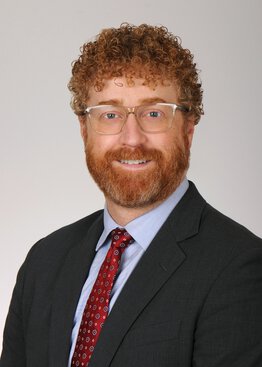
Brian Orr, M.D.
Dr. Brian Orr is a gynecologic oncologist at Hollings Cancer Center and associate professor at Medical University of South Carolina. He completed residency at the University of South Florida and fellowship training at the University of Pittsburgh. As faculty at University of Pittsburgh, he completed a master's degree in Clinical and Translational Science.
In addition to clinical activities of minimally invasive surgery, chemotherapy, and HIPEC for gynecologic cancer patients, he is active in clinical research. Dr. Orr's research interests are in translational clinical trial development for ovarian, uterine, cervical, and vulvar cancers. His expertise is in immunotherapy and targeted therapies.
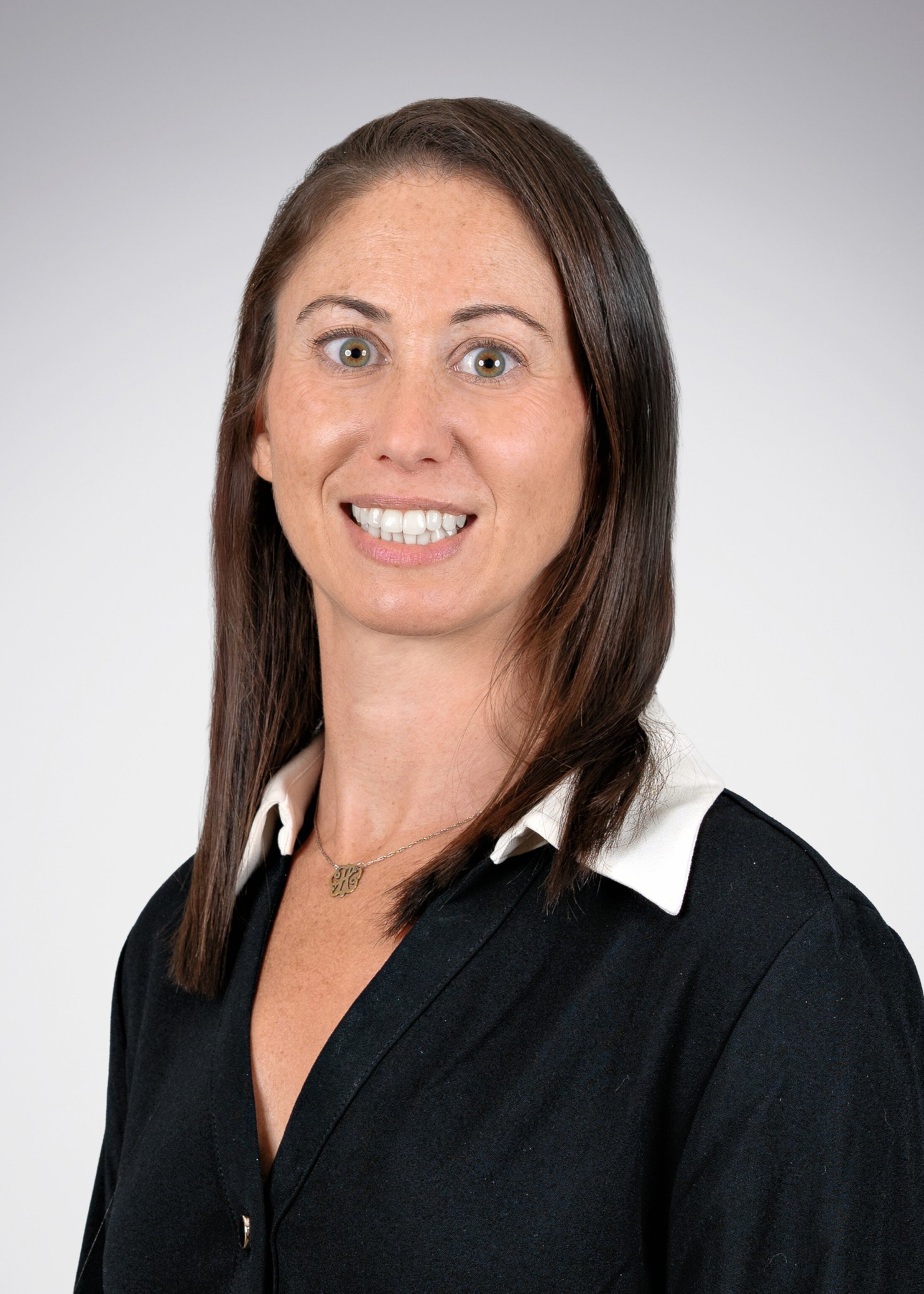
Hayley Kamin
Communications Manager
Hayley Kamin is the communications manager for the Hollings Cancer Center Communications and Marketing team, having joined the team in 2025 after three years as a communications specialist at the National Institutes of Health (NIH). As a science communicator with a Ph.D. from the University of Florida, she has extensive experience translating complex research into clear, engaging content. Her career has included roles at the NIH’s National Institute of Mental Health and the American Psychological Association, where she led content development and editorial strategy, developed science and health communications and worked with researchers and clinicians to strengthen public understanding of research.
Contact Hayley at kamin@musc.edu.
Recent Melanoma and Skin Cancer stories