A new weapon in the fight against skin cancer is coming to U.S. sunscreen aisles.
For the first time in more than 25 years, Americans will soon have access to a new sunscreen ingredient that experts say could improve protection against the ultraviolet radiation responsible for most skin cancers.
On June 9, the U.S. Food and Drug Administration (FDA) approved bemotrizinol, a broad-spectrum UV filter that has been used safely in other countries for years. The decision marks the first addition to the FDA's list of approved sunscreen active ingredients in decades and could pave the way for a new generation of sun-safe products in the U.S.
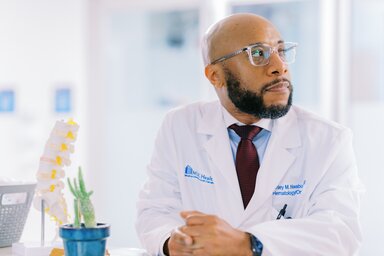
For Graciela De Jesus, M.D., an MUSC Health dermatologist and skin cancer specialist who works closely with colleagues at MUSC Hollings Cancer Center, the approval is noteworthy because of what it could mean for skin cancer prevention.
"It's a huge, huge deal because it's the first new sunscreen ingredient approved in over two decades," she said. “Any advance that helps people better protect themselves from ultraviolet radiation has the potential to make a real impact on skin cancer prevention, including reducing the risk of melanoma."
Expanding the sunscreen toolbox
Bemotrizinol stands out from many sunscreen ingredients currently available in the U.S. because it provides broad-spectrum protection against both ultraviolet A (UVA) and ultraviolet B (UVB) radiation. While UVB rays are primarily associated with sunburn, UVA rays penetrate deeper into the skin. Both contribute to DNA damage that can ultimately lead to skin cancer.
Bemotrizinol also offers several practical advantages. The ingredient remains stable when exposed to sunlight, has very low absorption into the bloodstream and is rarely associated with skin irritation or allergic reactions. Because it is oil-soluble, it can be incorporated into formulations that are easier to apply and less likely to leave behind the white residue that some people dislike. The result is a sunscreen that feels more comfortable on the skin and works well across a range of skin tones.
Those benefits may seem cosmetic, but they address a longstanding challenge in skin cancer prevention: getting people to use sunscreen consistently. Products that are comfortable to wear and fit seamlessly into daily routines are more likely to become habits, helping people to better protect themselves from harmful UV exposure over time.
It can make for more cosmetically pleasing products, which in turn impacts compliance. The easier and more comfortable a sunscreen is to wear, the more likely people are to make it part of their daily routine. Because, ultimately, a sunscreen only protects you if you use it.
"It can make for more cosmetically pleasing products, which in turn impacts compliance," De Jesus said. “The easier and more comfortable a sunscreen is to wear, the more likely people are to make it part of their daily routine. Because, ultimately, a sunscreen only protects you if you use it."
A proven tool for cancer prevention
The approval comes as melanoma and other skin cancers continue to affect hundreds of thousands of Americans each year. Most skin cancers, including melanoma, are linked to damage caused by ultraviolet radiation, making sun protection one of the most powerful cancer prevention tools available.
"We know that most skin cancers, including malignant melanoma, are associated with DNA damage caused by ultraviolet radiation," De Jesus emphasized.
The connection between sunscreen use and melanoma prevention is well-established. De Jesus pointed to a landmark randomized clinical trial that found that regular sunscreen use reduced invasive melanoma risk by up to 50%. More recently, an analysis by the International Agency for Research on Cancer estimated that more than 80% of cutaneous melanoma cases diagnosed worldwide in 2022 were due to ultraviolet radiation exposure, underscoring the critical role of sun protection in melanoma prevention.
Beyond reducing cancer risk, sun protection can also prevent premature skin aging, another consequence of cumulative UV exposure.
More than sunscreen alone
While sunscreen plays an important role in protecting skin, De Jesus emphasized that it works best as part of a broader sun-safety strategy. She recommends combining regular sunscreen use with other protective measures:
- Use a broad-spectrum sunscreen with SPF 30 or higher.
- Reapply sunscreen every two hours and after swimming or heavy sweating.
- Seek shade during prolonged outdoor activities.
- Wear sun-protective clothing, sunglasses and broad-brimmed hats.
- Limit direct sun exposure during peak UV hours between 10 a.m. and 3 p.m.
As a dermatologist, De Jesus frequently sees the long-term consequences of cumulative sun exposure, from patients requiring skin cancer surgeries to those facing advanced melanoma treatments. She encourages patients to think beyond the immediate behaviors and consider the impact those choices can have years later.
"I try to get younger patients to imagine themselves as an older person," she said. "If you can save your older self from that pain, I think it would be great. I see patients every day dealing with the consequences of years of sun damage, and many of those cases could have been prevented with simple sun-safe habits. A few minutes to apply sunscreen can pay off years down the road."
For sun lovers, the most important message remains simple: Use sun protection consistently.
With dozens of sunscreen brands and formulations already available, De Jesus encourages people to find a product that they enjoy and can easily incorporate into their daily routine.
"The best sunscreen is the one you’ll actually use," she said.
As summer arrives and people head outdoors, that habit may be one of the simplest – and most effective – steps they can take to lower their risk of melanoma and other skin cancers.
Featured in this story

Graciela De Jesus, M.D.
Graciela De Jesus, M.D., FAAD was born and raised in San Juan, Puerto Rico. She obtained her medical degree summa cum laude from the University of Puerto Rico, Medical Sciences Campus. Following her Internal Medicine internship at the Long Island Jewish Medical Center in Long Island, NY, she completed her Dermatology Residency training in SUNY Downstate Health Sciences University in Brooklyn, NYC. She was elected to the Alpha Omega Alpha Honor Society during her Dermatology training. Dr. De Jesus furthered her training by pursuing a dermatopathology fellowship in the prestigious Ackerman Academy of Dermatopathology in NYC.
Dr. De Jesus is Board Certified in Dermatology and in Dermatopathology. In addition to her role as a Dermatologist at MUSC, Dr. De Jesus is proud to serve our nation's veterans as the Dermatology Section Chief at the Ralph H. Johnson VAMC. Dr. De Jesus's interests include General Dermatology for Adults, Medical Dermatology, Skin Cancer and Skin Cancer in patients with pathogenic genetic variants that predispose them to an increase in skin cancer (BRCA1, BRCA2, MITF, CDKN2A, etc.). She runs a clinic in collaboration with Hollings Cancer Center that seeks to care for patients carrying mutations that increase their risk of developing skin cancer.
Hayley Kamin
Communications Manager
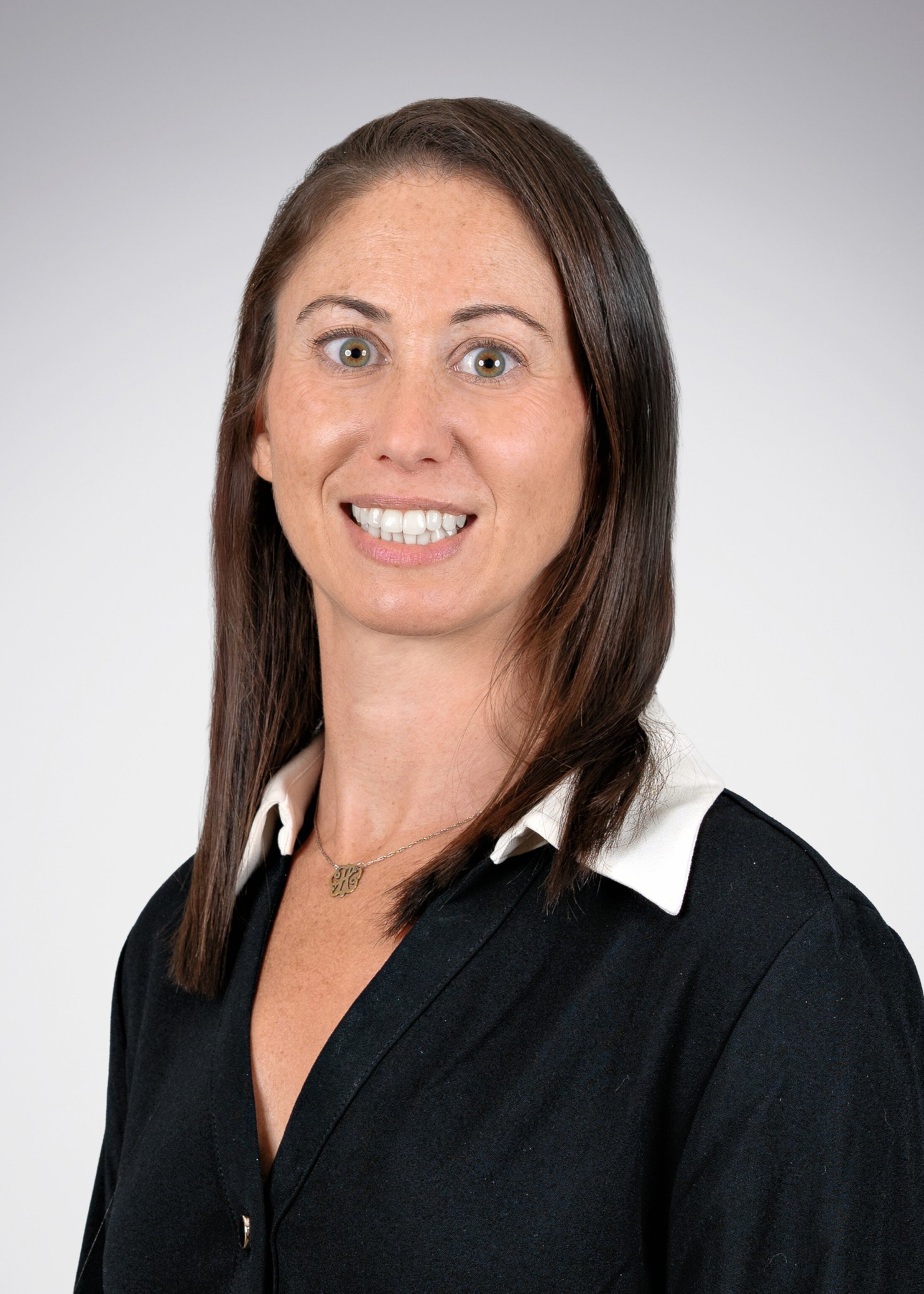
Hayley Kamin is the communications manager for the Hollings Cancer Center Communications and Marketing team, having joined the team in 2025 after three years as a communications specialist at the National Institutes of Health (NIH). As a science communicator with a Ph.D. from the University of Florida, she has extensive experience translating complex research into clear, engaging content. Her career has included roles at the NIH’s National Institute of Mental Health and the American Psychological Association, where she led content development and editorial strategy, developed science and health communications and worked with researchers and clinicians to strengthen public understanding of research.
Contact Hayley at kamin@musc.edu.