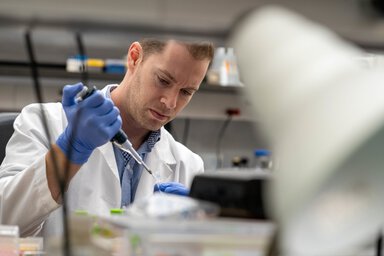
A new MUSC pilot study is exploring whether self-collection could shape the future of cervical cancer screening by giving patients another option for how they are screened.
Led by MUSC Hollings Cancer Center researcher Trisha Amboree, Ph.D., the study is examining how patients feel about self-collection for testing for human papillomavirus (HPV), the infection linked to 90% of cervical cancer cases. While HPV vaccination has dramatically reduced rates of the virus and related cancers, screening remains an essential pillar of prevention and detection because not everyone is vaccinated, and vaccines do not protect against every cancer-causing HPV type.
The project is still in its early stages. However, researchers say it represents an important step toward understanding whether self-collection could one day expand screening access for women who currently go unscreened.
“We haven’t assessed self-collection at MUSC yet,” Amboree said. “While acceptability has been high in other settings, we don’t yet know how our patients feel about it or if they like it. This is a necessary step to move toward getting this option broadly available within our system.”
Currently, cervical cancer screening involves a Pap test and/or HPV test – both of which require that a healthcare provider insert a speculum into the vagina to collect cells from the cervix. With self-collection, a woman collects the sample herself using a long swab. Research has shown that this method performs similarly to clinician-collected samples in identifying high-risk HPV infections that can lead to precancer or cancer.
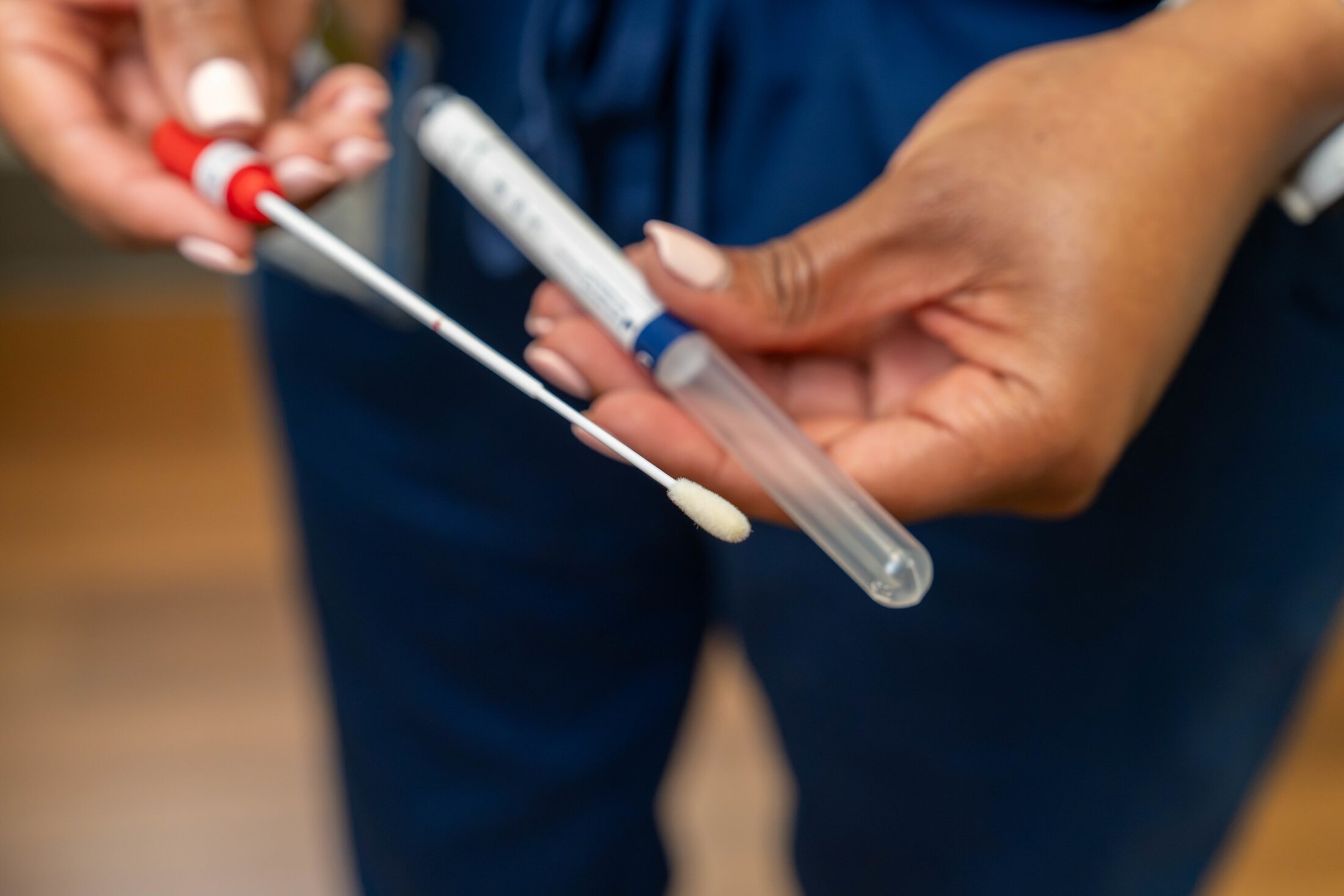
What makes self-collection promising is its potential to reduce barriers that prevent some women from getting screened.
“There are women who are not able to tolerate a pelvic exam,” Amboree said. “There may also be issues with accessing care, for which home-based testing can be a good option.”
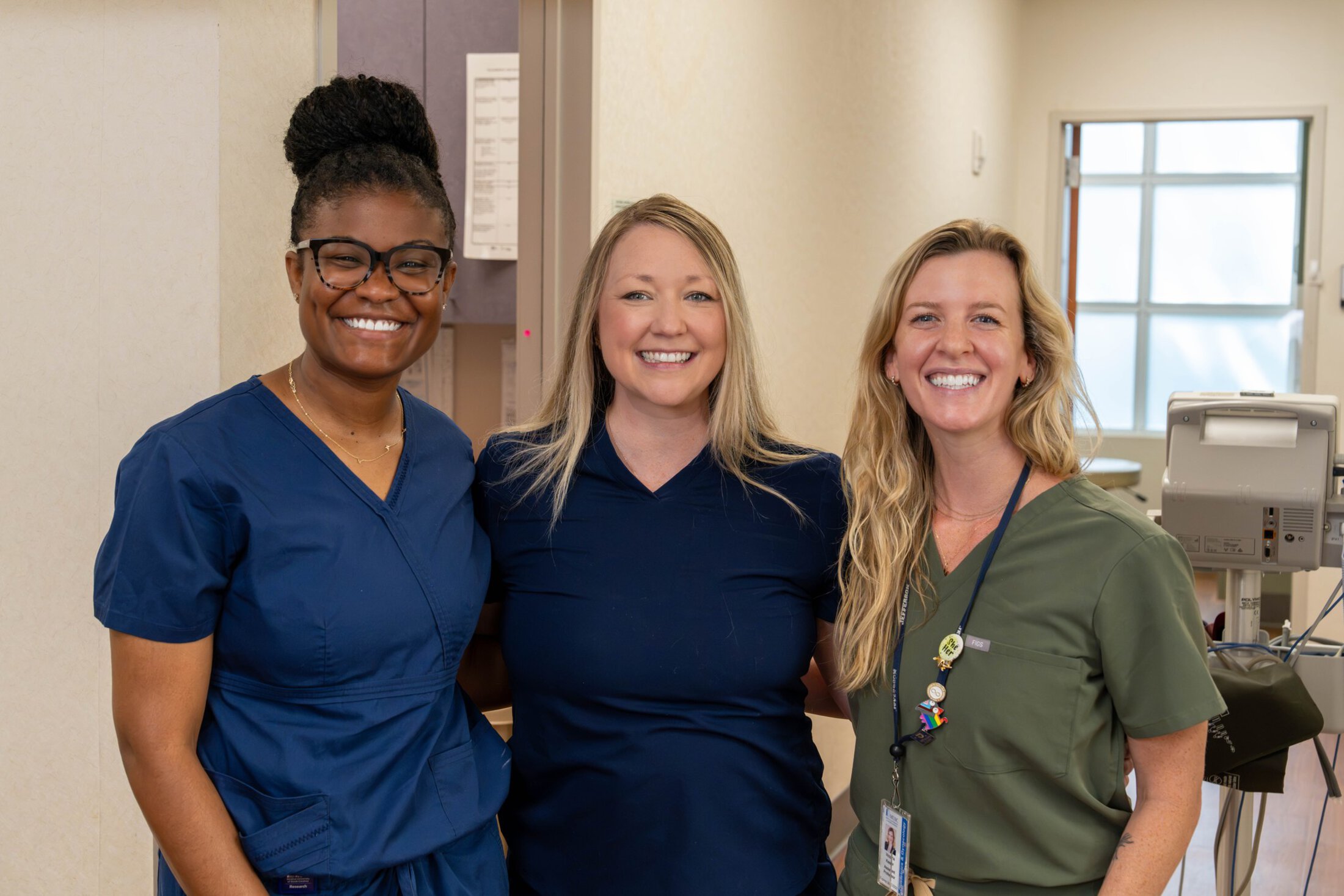
For now, the self-collection is taking place within a clinic. MUSC Health OB-GYNs Britton Gibson, M.D., and Victoria Keiser, M.D., will offer the option to their patients. At this stage, the study team is focusing on understanding whether patients find self-collection to be acceptable, comfortable and useful.
“I believe everyone should have access to routine gynecologic care and cervical cancer screening – but the reality is that traditional office exams aren’t always possible for every patient,” Gibson said. “Self-collected HPV testing gives us another way to reach people who may not be open to screening because of trauma history, physical or geographic limitations or cost-related barriers to care. If we can identify high-risk HPV infections earlier, hopefully we can connect these individuals to the follow-up care they need to prevent cervical cancer.”
Although the pilot is being conducted in clinics rather than at home, Amboree said the long-term vision is to understand more fully how self-collection could be integrated into health systems to reach women who are due or overdue for screening. She emphasized that the goal is not to replace screening for women who already receive traditional provider-performed exams but to provide another option for people who face barriers to care or avoid screening altogether.
The researchers plan to enroll about 100 patients over the course of a year. Support for the project came from Matt Prisby, through the Sheryl Sirisky Prisby Foundation, with Hollings researcher Joe Delaney, Ph.D., helping to connect the team with the funding needed to launch the feasibility study.
HPV infections are extremely common, Amboree explained, but persistent high-risk infections are what concern providers most because they can lead to precancerous changes or cancer over time.
Cervical cancer is one of the most preventable cancers when screening occurs regularly. If self-collection helps even a portion of patients complete recommended screening who might otherwise delay or avoid testing, it could have a meaningful impact on early detection and prevention.
Nationally, roughly 25% of eligible women are not up to date on cervical cancer screening. But previous research suggests that self-collection could help to close that gap. Amboree was part of a team of researchers who conducted a randomized clinical trial of almost 2,500 women and found that self-collection more than doubled cervical cancer screening participation among persistently underscreened women.
That matters because cervical cancer is highly preventable when abnormalities are detected early. According to the American Cancer Society, five-year survival for localized cervical cancer is about 91%, but survival drops to 20% once the disease has spread.
“Cervical cancer is one of the most preventable cancers when screening occurs regularly,” Kesier said. “If self-collection helps even a portion of patients complete recommended screening who might otherwise delay or avoid testing, it could have a meaningful impact on early detection and prevention.”
Federal guideline updates and insurance coverage changes are paving the way for self-collection to become more widely available. Amboree noted that primary HPV testing with self-collection is now endorsed as an option under federal screening guidelines, and it is expected to gain broader insurance coverage beginning next year.
If the pilot is successful, it could lay the groundwork for larger implementation studies examining how self-collection could be sustainably integrated into clinical workflows, laboratory systems and electronic health records across the MUSC Health system.
For now, Amboree hopes the study keeps attention on the importance of cervical cancer screening and prevention.
“We have a cancer that we can prevent,” she said. “It’s a disease that we can intervene early on and have good outcomes. The more people we can reach with effective screening, the more cervical cancers and related deaths we can prevent.”
Featured in this story

Trisha Amboree, Ph.D.
Dr. Trisha Amboree is an Assistant Professor of Public Health Sciences at the Medical University of South Carolina and a member of the Cancer Prevention and Control research program at MUSC Hollings Cancer Center with research training in epidemiology, health disparities, access to and utilization of preventive healthcare services among minoritized and medically underserved populations, and epidemiological methods to access hard-to-reach populations. Much of my current research focuses on elucidating and addressing disparities in access to and utilization of cervical cancer prevention and treatment, as well as mitigating disparate cervical cancer outcomes.
Joe Delaney, Ph.D.
Dr. Delaney studies the impact of monoallelic alterations to cell biology. His lab’s focus is the investigation of cellular biology causally driven by copy-number alterations (CNA) in cancer cells. Ovarian cancer is a uniquely applicable and challenging model for systems biology and genetics due to the prevalence of 1,000+ gene-level CNAs (16,000 on average per tumor). While ovarian cancer has amongst the most CNAs of any cancer, these alterations are present in all solid tumors, with the median solid tumor having 39% of its genome altered by CNAs. These alterations are present in tumors without any other means of targeted therapy: no mutations in oncogenes or targetable tumor suppressor losses.
His research discovered allelic losses of autophagy to be important for ovarian cancer oncogenesis via impairment of chromosome homeostasis and developed drug strategies to target this system, which outperformed chemotherapy. Metallothionein proteins, small chelators of heavy metals and zinc ions, are a major new focus of the lab. Overall, the Delaney Lab investigates how copy-number alterations alter the biology of mammalian cells and how those changes lead to oncogenic phenotypes and treatment vulnerabilities.
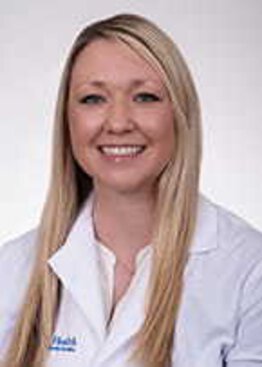
Britton Gibson, M.D., MPH
Residency: University of Connecticut, Obstetrics & Gynecology; Farmington, CT
Medical School: Frank H. Netter MD School of Medicine, Quinnipiac University; North Haven, CT
Britton Gibson, M.D., grew up in Flat Rock, MI. She went to medical school at Frank H Netter MD School of Medicine - Quinnipiac University and was drawn to MUSC by the reproductive infectious disease fellowship and her goal is to help women with HIV when she graduates and is leaning toward a generalist career. In her free time, she enjoys spending time with her family and cooking with her daughter. She also enjoys trying new restaurants and traveling.
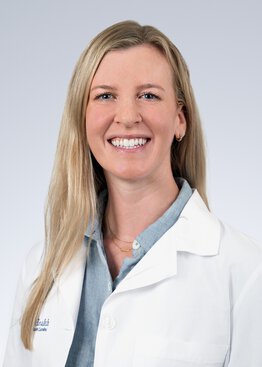
Victoria Keiser, M.D.
Dr. Victoria Keiser grew up in East Hanover, New Jersey. She earned a Bachelor of Science degree in Human Physiology from Boston University. She attended medical school at Virginia Commonwealth University. She then went on to complete her residency training in Obstetrics & Gynecology at Thomas Jefferson University Hospital in Philadelphia, Pennsylvania.
During her training, Dr. Keiser gained interest in reducing health disparities and improving outcomes for marginalized patient populations, particularly patients experiencing homelessness and substance use disorders.
Dr. Keiser provides comprehensive and evidence-based OBGYN care. Her primary clinical interests include minimally invasive GYN surgery, abnormal uterine bleeding, contraception, and obstetrics. She is active in the training of both medical students and residents.

Hayley Kamin
Communications Manager
Hayley Kamin is the communications manager for the Hollings Cancer Center Communications and Marketing team, having joined the team in 2025 after three years as a communications specialist at the National Institutes of Health (NIH). As a science communicator with a Ph.D. from the University of Florida, she has extensive experience translating complex research into clear, engaging content. Her career has included roles at the NIH’s National Institute of Mental Health and the American Psychological Association, where she led content development and editorial strategy, developed science and health communications and worked with researchers and clinicians to strengthen public understanding of research.
Contact Hayley at kamin@musc.edu.
Recent Gynecologic Cancer Research stories