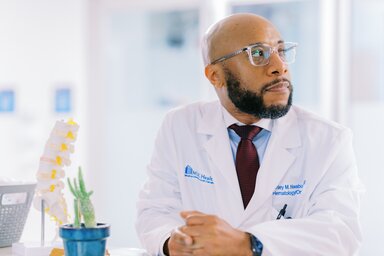
For many people, skin cancer risk feels straightforward: too much sun, not enough sunscreen. But for some, the risk runs deeper – written into their DNA.
Research from MUSC Hollings Cancer Center suggests that a critical step – connecting patients with specialized genetic care – can improve whether they follow through on potentially lifesaving skin cancer screenings.
The research, published in JEADV Clinical Practice, suggests that a simple clinic visit may be a key factor in catching skin cancer early.
When risk is more than skin deep
Advances in genetic testing have made it possible to identify people who carry inherited changes, known as pathogenic variants, that increase their risk of developing cancer. Some of these, like BRCA1, BRCA2 or Lynch syndrome genes, are best known for their links to breast or colorectal cancer. But their impact does not stop there.
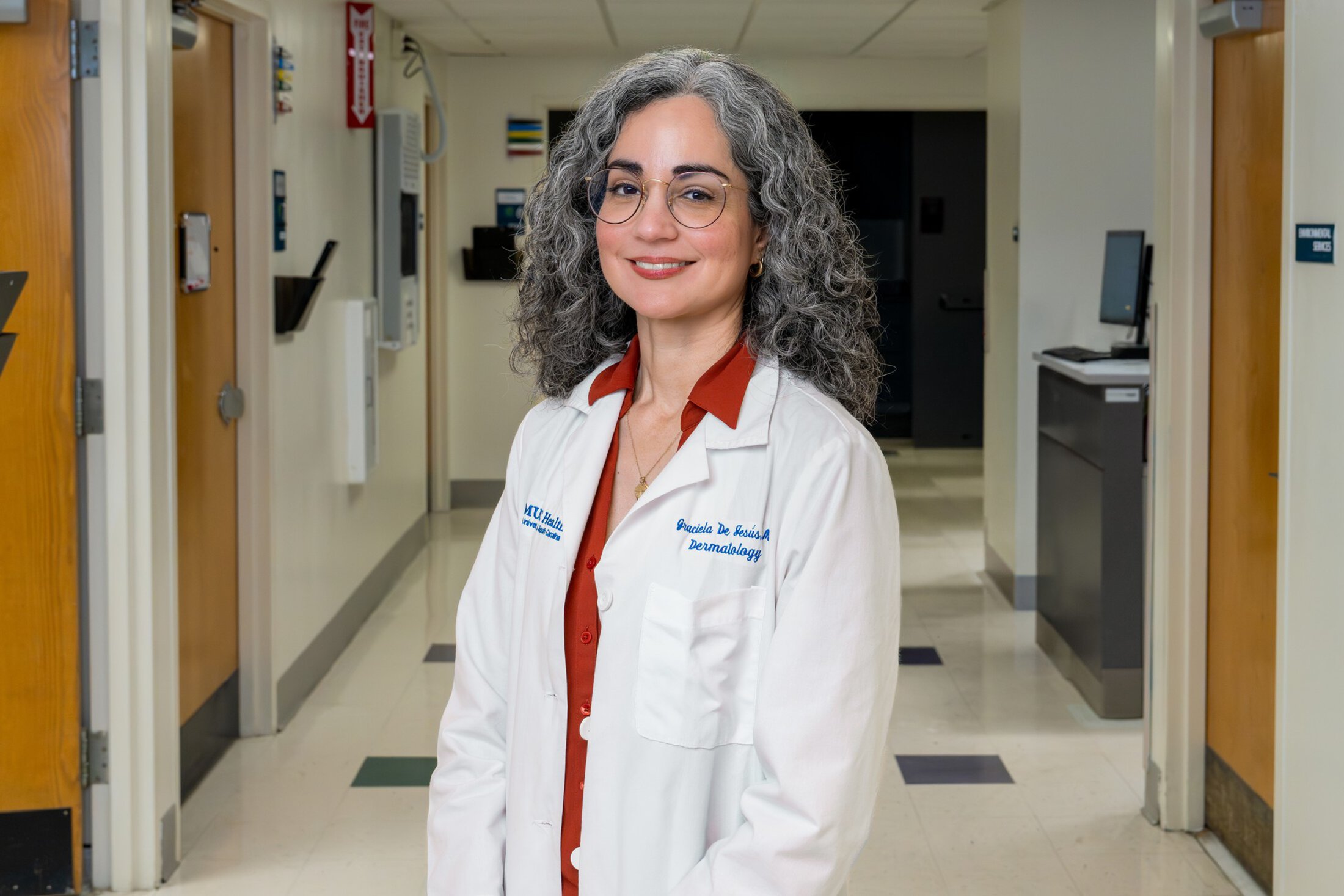
“These mutations can affect multiple cancer risks,” said lead researcher Graciela De Jesús, M.D., a dermatologist at MUSC Health. “For some patients, that includes melanoma or other skin cancers.”
That complexity is part of the challenge. A patient may know they are at risk for one type of cancer but not realize they should also be screened for another.
Hollings’ Hereditary Cancer Clinic was designed to close that gap. The program brings together expertise that most patients – and even many providers – usually cannot access in one place. The clinic takes a comprehensive view of cancer risk tied to a patient’s genetic profile. That involves identifying cancers an individual patient is most at risk for, recommending appropriate screenings and helping to navigate screening and prevention.
“The goal is to make sure patients aren’t just screened for the most obvious cancer,” De Jesús said. “We’re thinking about everything their genetics might predispose them to.”
A closer look at who actually follows through
To determine whether patients were receiving recommended skin exams, the researchers reviewed health records from 230 adults seen at the Hollings Hereditary Cancer Clinic. They assessed whether those patients went on to follow national dermatology screening guidelines from the National Comprehensive Cancer Network.
Before visiting the clinic, only 11% of patients completed recommended skin screenings. After a visit, that number rose to 37%, reflecting more than a threefold increase in follow-up care if they had been seen in the specialized genetic clinic.
“That’s a key finding,” De Jesús said. “Because we can’t find a cancer we’re not looking for.”
The study also found patterns in who was most likely to follow through with dermatology visits. Patients were more likely to be screened if they had a personal or family history of skin cancer or were between the ages of 45 to 50. That pattern suggests that when patients recognize their risk, especially through personal or family experience, they may be more likely to follow through on screening.
The goal is to make sure patients aren’t just screened for the most obvious cancer. We’re thinking about everything their genetics might predispose them to.
“If someone has seen a family member go through melanoma, they’re more aware,” De Jesús explained. “They better understand what’s at stake.”
Among patients who attended dermatology visits, the findings further underscore why screening matters. More than one-third of biopsies revealed abnormal skin lesions, including precancerous changes and skin cancers.
That means these visits were not just precautionary. They enabled specialists to identify real problems, often at early stages when treatment is most effective.
Genetics is only part of the story
Even with genetic risk, skin cancer does not follow a single path.
“What we see in dermatology is that risk is not just genetic,” De Jesús said. “It’s also shaped by sun exposure, skin type and family history.”
In places like South Carolina, where sun exposure is high and many people have fair skin, those environmental factors can amplify the risk. That interplay makes personalized screening all the more important.
For most people, the takeaway is not to rush out for genetic testing but to understand their risk and act on it. Cancer screening guidelines are not one-size-fits-all and depend on a combination of genetics, personal history and lifestyle.
De Jesús encourages people to be proactive:
- If you have fair skin, significant sun exposure or a family history of skin cancer, prioritize regular skin checks.
- If you have been diagnosed with a genetic mutation linked to cancer, ask whether dermatology or other cancer screenings should be part of your care.
- If you have new or changing moles or spots that bleed, do not heal or look unusual, schedule an appointment with a dermatologist.
“Early detection makes all the difference,” she said. “That’s when we can best treat and cure these cancers.”
References
Stephen J. Gadomski, Kevin S. Hughes, Jihad S. Obeid, Courtney Rowley and Graciela De Jesús. Compliance of Dermatology Screening Visits Among Patients With Skin Cancer‐Predisposing Pathogenic Variants. JEADV Clinical Practice [25 August 2026]. doi: 10.1002/jvc2.70173.
Grants from the National Cancer Institute (P30CA138313) and the Cancer Integrated Data‐Enabled Resource at the Medical University of South Carolina supported this research.
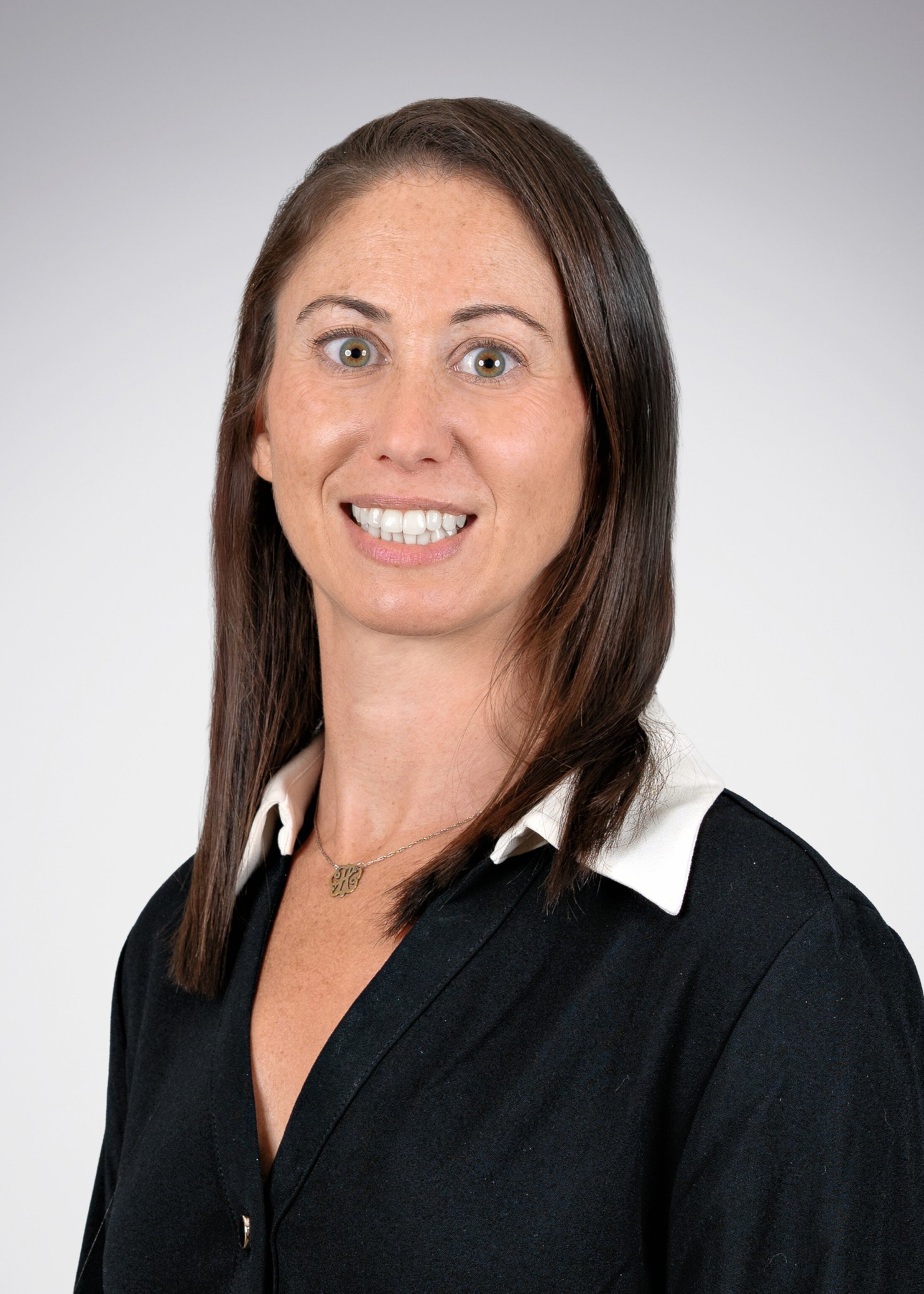
Hayley Kamin
Communications Manager
Hayley Kamin is the communications manager for the Hollings Cancer Center Communications and Marketing team, having joined the team in 2025 after three years as a communications specialist at the National Institutes of Health (NIH). As a science communicator with a Ph.D. from the University of Florida, she has extensive experience translating complex research into clear, engaging content. Her career has included roles at the NIH’s National Institute of Mental Health and the American Psychological Association, where she led content development and editorial strategy, developed science and health communications and worked with researchers and clinicians to strengthen public understanding of research.
Contact Hayley at kamin@musc.edu.