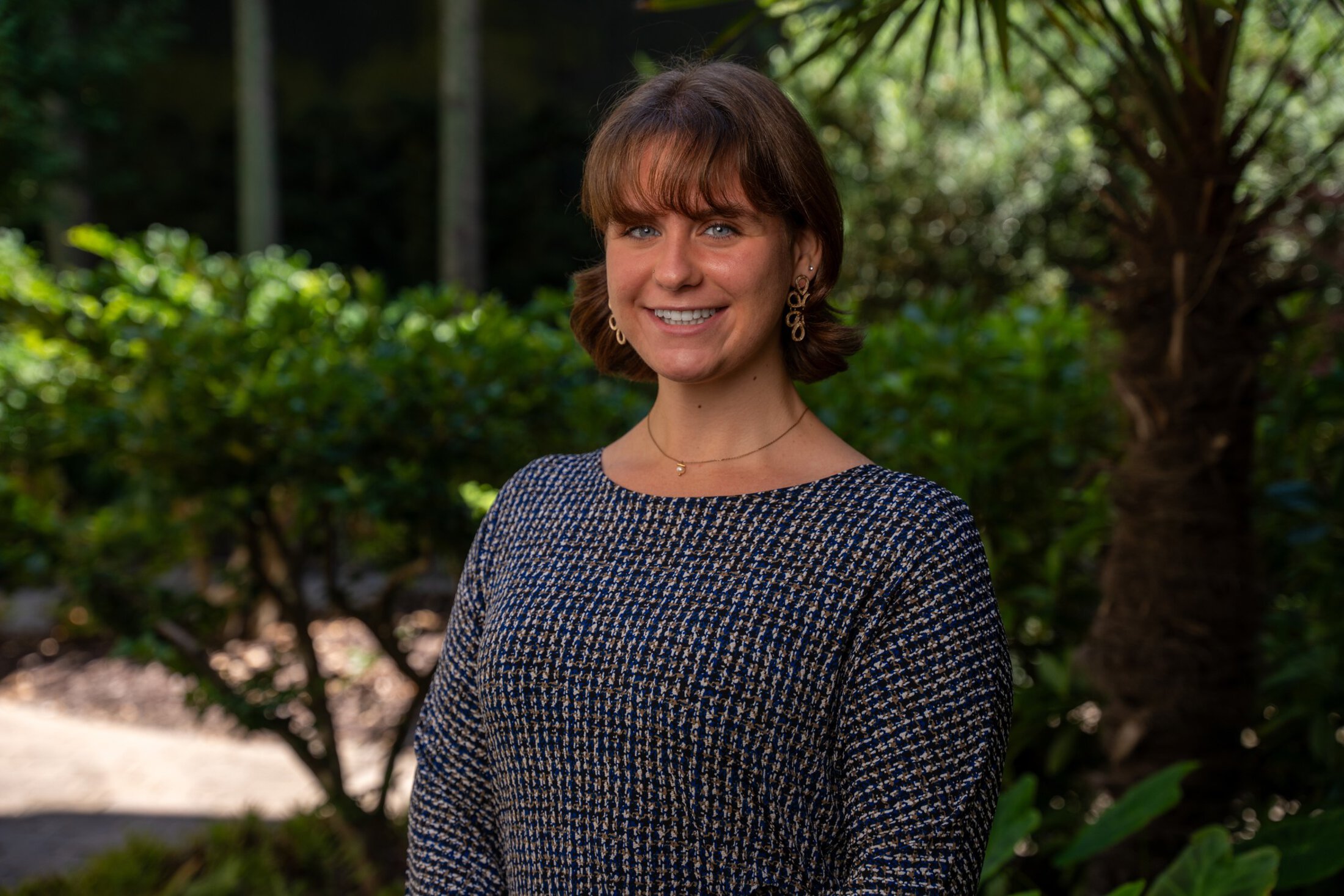
Matthew Carpenter, Ph.D.
Faculty Profile
carpente@musc.edu
Dr. Carpenter is the Flora McLeod Edwards Distinguished Chair in Cancer Research and a tenured professor. He is Associate Director for Behavioral and Population Science at MUSC Hollings Cancer Center, a National Cancer Institute-designated cancer center. He has been a part of the Cancer Prevention and Control Program at HCC since the program’s inception in 2006.
Dr. Carpenter’s primary body of research falls into several thematic areas. The first focuses on randomized trials of medication sampling, a pragmatic and scalable behavioral exercise that allows smokers to get further engaged in the cessation process. His team has conducted a number of trials, often large scale and nationwide, to evaluate medication sampling among smokers across the motivational spectrum.
A second theme of his work is to apply the same naturalistic product sampling approach, within a randomized design (minimizing self-selection bias), to evaluate the effects of alternative products, namely e-cigarettes. This design allows examination of naturalistic yet causal effects of e-cigarettes on uptake, outcomes, and biomarkers.
Throughout these large scale, remote clinical trials, his team continues to push the envelope for what can be done remotely, and how it can be done. New mHealth tools allow researchers to reach large and varied study samples (external validity) while maintaining the methodological rigor (internal validity) that all trials must balance. These tools became much more popular during COVID, but have only opened the doors of possibility to what lies ahead for clinical research.
More recent developments include: a) adaptive treatment studies, in which treatments potentially change dependent upon a participant’s initial response, and b) natural surveillance studies, in which we track the patterns and trajectories of alternative tobacco product use.
Across these themes, Dr. Carpenter led a wide range of large scale randomized clinical trials (RCTs) on: 1) smoking reduction (N=616), 2) several trials of nicotine replacement therapy (NRT) sampling (Ns=849, 157, 1245) and varenicline sampling (N=651), and 3) alternative tobacco products (N=1236). He recently led what we believe is the largest (N=638) naturalistic clinical trial of e-cigarettes in the U.S. These pragmatic trials test the real-world impact of providing sampling (NRT or e-cigarettes) to smokers.
Dr. Carpenter has reviewed grants across many NIH study sections, including several as Chair. He served as a CSR Advisory Committee Member. Since his arrival to MUSC, he has had a continual line of trainees that includes high school students, college students, predoctoral interns, postdoctoral fellows, and junior faculty. Several prior trainees now hold leadership positions at the national level. Among primary trainees to date (10), they have produced >50 unique first authored publications, and have received ample funding: 4 K awardees, 1 F32, 1 R03, 2 R41, 2 ACS, and numerous NIH Loan Repayment recipients. He has formally or informally mentored many early-stage faculty toward their first R01, here within the Hollings Cancer Center and elsewhere. Among recent awards, Dr. Carpenter is particularly proud to have received the Peggy Schachte Mentoring Award at MUSC.