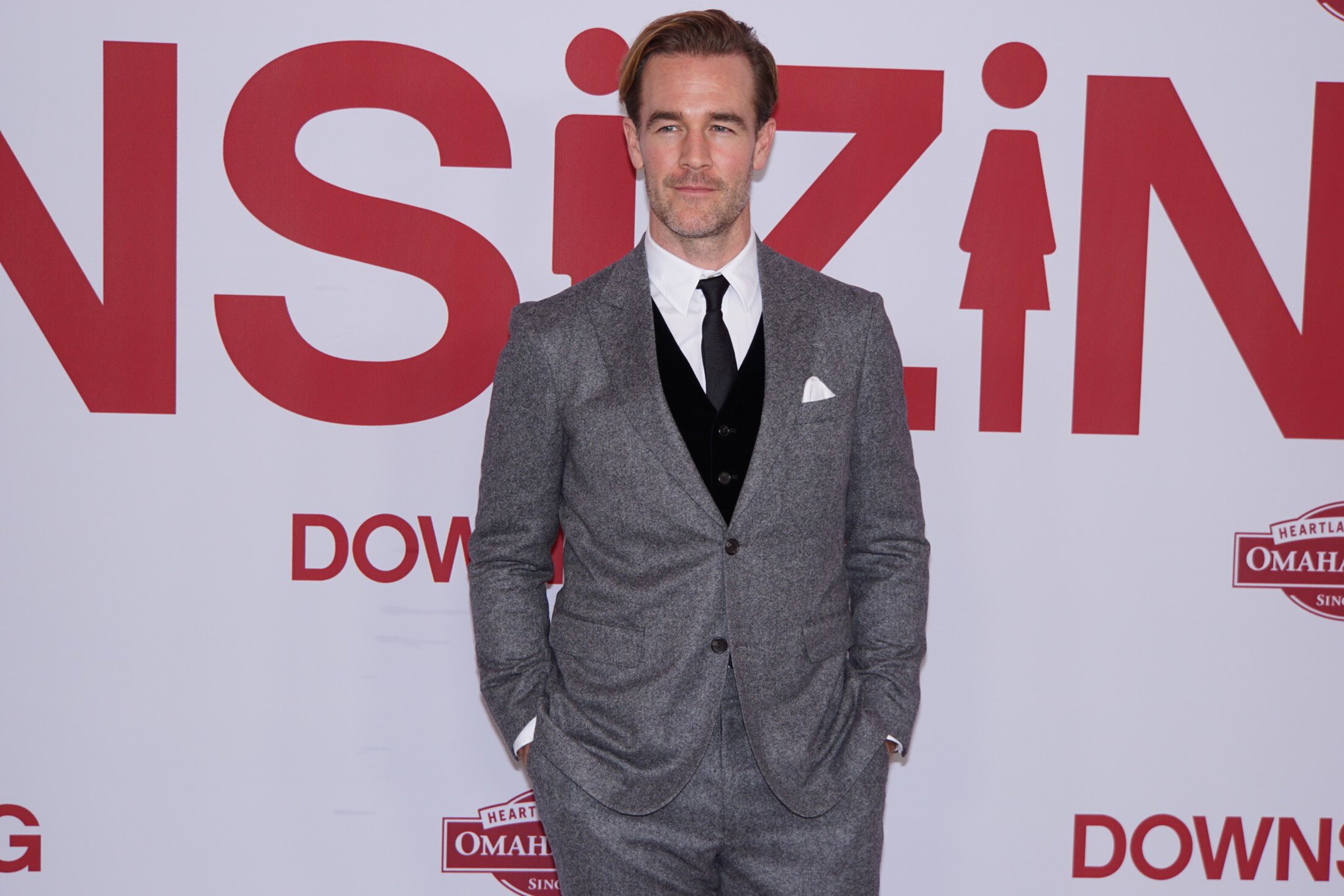
When news broke of the recent death of James Van Der Beek from colorectal cancer, many people were struck not only by the loss of a beloved star but also by his age. At just 48, he is part of a growing number of adults diagnosed with cancers once considered far more common later in life.
That trend has sparked efforts to better understand what is driving the increase and what it means for prevention, screening and care. Researchers and clinicians at MUSC Hollings Cancer Center are among those working to uncover the causes and to help to improve outcomes for patients and their families.
A shift in who gets cancer
Historically, cancer risk increases with age – and that holds overall. Cancer remains far more common in older adults, although rates in that group have plateaued in recent years.In contrast, researchers and clinicians are seeing something markedly different in younger adults. Early-onset disease – defined as a diagnosis before age 50 – has increased steadily for more than a decade.
“We’ve seen the incidence in early-onset cancer diagnoses rise about 1% to 2% per year over the last 10 to 15 years,” said Maggie Westfal, M.D., a colorectal surgeon at Hollings. “That’s what makes this so concerning. We’re seeing patients as young as their 20s, even teens, with significant disease.”
Colorectal cancer, the disease that Van Der Beek had, has drawn particular concern. It is now one of the leading causes of cancer death in younger adults.
Westfal noted that projections suggest that within the next decade, 10% to 15% of all colon cancers and up to 20% to 30% of all rectal cancers may occur in patients under 50.
“Even though the majority of cases are still in older adults, we are clearly seeing more young-onset colorectal cancer,” added Thomas Curran, M.D., a colorectal surgeon and researcher at Hollings.
And colorectal cancer is not alone. Rising rates have also been observed in several other cancers, including breast, kidney, pancreatic, prostate, stomach and uterine cancers, among others.
Another concerning trend is that younger patients are often diagnosed later, once the cancer has reached Stage 3 or Stage 4, when it is harder to effectively treat.
We can no longer wait six months to a year to treat a 20- or 30-year-old for benign causes without fully evaluating them. Patients need to advocate for themselves, and physicians need to advocate for their patients. We can’t rule out cancer until we look.
“Unfortunately, colorectal cancer is frequently diagnosed at a more advanced stage in younger people,” Curran said. “Because they are typically below screening age, their cancers are often found only after symptoms appear and, by then, the disease may have spread to lymph nodes or other organs.”
Factors driving the rise in cancer diagnoses among younger adults
There is no single cause behind the concerning rise in early-onset cancers.Greater awareness, more advanced imaging and increased use of diagnostic tests are identifying more cancers that may have previously gone undiagnosed. But improved detection alone does not fully explain the steady rise.
“The very short answer is that no one knows for sure why,” Curran was quick to say.
Instead, experts point to a combination of factors – biological, behavioral and environmental – that may be interacting in new ways. Hollings experts emphasize that the trend likely reflects multiple overlapping influences rather than one single explanation.
“Only about 20% of early-onset colorectal cancers are driven by identifiable genetic abnormalities, meaning 80% are not genetically predisposed,” Westfal explained. “That said, the number of genes we can test for cancer predisposition has jumped dramatically. It may be that we haven’t identified the specific gene or genes yet. Nevertheless, something is driving this trend – and it’s not just genes.”
Researchers also point to a “birth cohort effect,” meaning that people born more recently appear to face a higher risk of certain cancers at younger ages than prior generations did at the same age. That pattern suggests that something about modern life, namely lifestyle, environment or early exposures, may be shaping cancer risk.
Lifestyle, environment and the microbiome
Rising rates of obesity, sedentary behavior, highly processed diets and alcohol use have all been linked to several cancers. These exposures often begin early in life and accumulate over time, contributing to chronic inflammation, hormonal changes and DNA damage that can promote cancer development.In gastrointestinal cancers, Curran noted that the rise in younger cases mirrors a parallel increase in metabolic disorders.
“If you look at the rise in obesity and diabetes over the last 20 to 30 years, it mirrors the increase in gastrointestinal cancers,” Curran said. “There are plausible mechanisms – inflammation, disturbances in metabolic processes – that could contribute.”
But he emphasized that those associations do not fully explain the trend.
“At the same time, we’ve seen marathon runners develop early-onset colorectal cancer. So on a population level, we observe trends. But applied to the individual, it doesn’t work perfectly.”
Westfal pointed to another major area of investigation: the gut microbiome.
“One of the leading theories is microbiome disruption,” she said. “Changes in gut bacteria can create a pro-inflammatory environment that predisposes patients to precancerous polyps, and ongoing inflammation can allow those polyps to progress to cancer.”
If you look at the rise in obesity and diabetes over the last 20 to 30 years, it mirrors the increase in gastrointestinal cancers. There are plausible mechanisms – inflammation, disturbances in metabolic processes – that could contribute.
Researchers are now studying how antibiotic use, dietary shifts and environmental exposures may be altering the microbiome and whether those changes could eventually be targeted with interventions.
Additional lines of research are looking at long-term exposure to pollutants, microplastics, food additives and other environmental agents that may contribute to earlier diagnoses, while working to identify which exposures carry the greatest risk and why.
The emerging view is that cancer risk reflects an “ecosystem” of influences over time.
“It’s likely some confluence of environmental factors and genetic factors working in tandem,” Curran said.
What this means for screening
The rise in early-onset cancers is already influencing cancer screening guidelines.
Average-risk colorectal cancer screening used to begin at age 50. But after large population studies in the U.S. and globally showed rising rates in younger adults, the screening age was lowered to 45. Westfal noted that it will take time to see the full impact of that change.
“Our hope is that with the decrease in screening age, we’ll see cancers diagnosed at earlier stages,” Westfal said. “But we need more time to see that data.”
Similarly, updated guidelines now recommend that many women begin breast cancer screening at age 40. Cervical cancer screening guidelines have also evolved, with greater emphasis on HPV testing to detect risk sooner.
For people with strong family histories or inherited genetic mutations, screening for several cancers may begin even earlier.
Despite its central role in prevention, screening has limits. Particularly for those who are not yet eligible for screening, vigilance about symptoms is equally critical.
What young adults can do
While researchers continue to investigate causes, experts emphasize actionable steps.
“Leading the healthiest lifestyle possible makes a huge difference,” Westfal emphasized.
She pointed to:
- Minimizing alcohol.
- Not smoking.
- Exercising regularly.
- Maintaining a healthy weight.
- Prioritizing fiber-rich foods to support gut health.
But awareness may be the strongest tool.
“The biggest takeaway is not to disregard concerning symptoms,” Curran said. “A prime example is blood in stool – that is never normal.”
Westfal echoed that message – for both patients and physicians. Even younger patients with symptoms may warrant tests that can detect cancer, like a colonoscopy.
“We can no longer wait six months to a year to treat a 20- or 30-year-old for benign causes without fully evaluating them,” she said. “Patients need to advocate for themselves, and physicians need to advocate for their patients. We can’t rule out cancer until we look.”
Because symptoms may overlap with more common and less serious conditions, they can be easy to dismiss. But even a seemingly minor symptom is worth getting checked.
“It is still far more likely that a 25-year-old with concerning symptoms has something non-cancerous,” Curran said. “But we can’t say that for sure without doing due diligence.”
Both Curran and Westfal stressed that persistent, unusual or worsening symptoms, especially those that do not resolve over time, deserve medical attention, regardless of age.
A call for awareness
The rising risk of cancer among younger people signals that cancer prevention, symptom awareness and timely evaluation cannot wait.
For the many who grew up watching Van Der Beek on Dawson's Creek, the show’s theme song, “I Don’t Want to Wait,” carries new meaning. The lyric now feels less like nostalgia and more like advice: When something feels wrong, don’t wait, seek care, ask questions. And prioritize prevention – at every age.
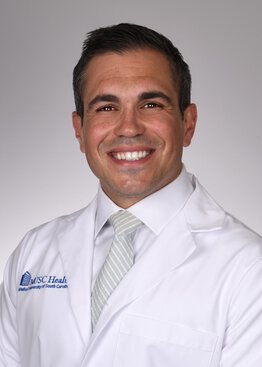
Thomas Curran, M.D., FACS, FASCRS
Thomas Curran, M.D., MPH, is a fellowship trained colorectal surgeon. His clinical interests include benign anorectal conditions, diverticulitis, inflammatory bowel disease (ulcerative colitis and Crohn's disease), and colon and rectal cancer with a particular focus on minimally invasive and robotic surgical procedures. His research program focuses on comparative effectiveness and quality improvement in colon and rectal surgery. He has authored numerous peer-reviewed scientific publications and is active in multiple national surgical societies related to colon and rectal surgery.
Dr. Curran received his undergraduate degree from Duke University and subsequently his medical degree from the Icahn School of Medicine at Mount Sinai in New York City. He completed general surgery residency and research fellowship at the Harvard-affiliated Beth Israel Deaconess Medical Center in Boston during which time he received a Master of Public Health degree from the Harvard T.H. Chan School of Public Health. From there he pursued a year of specialty fellowship training in colon and rectal surgery at the University of Minnesota before joining the faculty at the Medical University of South Carolina.
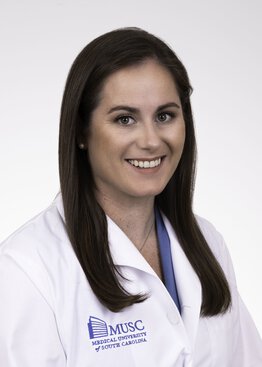
Maggie Leigh Westfal, M.D., MPH
Maggie Westfal, M.D., MPH, is a fellowship-trained colon and rectal surgeon specializing in both benign and malignant diseases of the colon, rectum, and anus. Clinically she is interested in colon, rectal, and anal cancer as well as benign anorectal disease, inflammatory bowel disease, diverticular disease, and rectal prolapse. From a surgical perspective, Dr. Westfal has been trained in all techniques of colon and rectal surgery but is specifically interested in minimally invasive and robotic approaches.
Dr. Westfal earned her medical degree and Master of Public Health degree at Tufts University School of Medicine in Boston. She remained in Boston for general surgery residency at the Massachusetts General Hospital where she spent three years performing clinical outcomes research and implementing the research skills that she acquired during her public health studies. Her research interests include early onset colorectal cancer, including patients with both hereditary and non-hereditary disease. She completed her fellowship training in colon and rectal surgery at Barnes Jewish Hospital/Washington University in St. Louis.
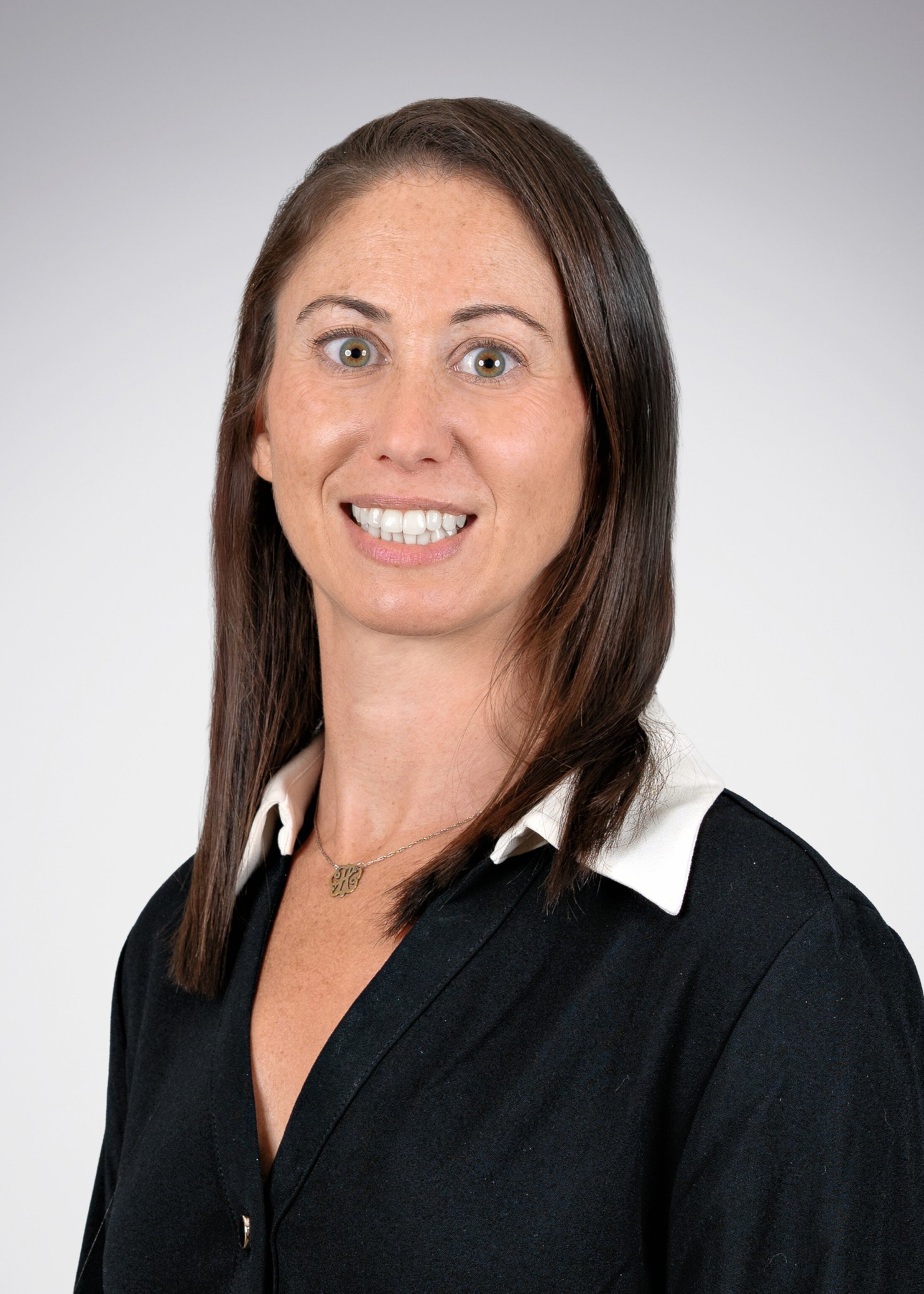
Hayley Kamin
Communications Manager
Hayley Kamin is the communications manager for the Hollings Cancer Center Communications and Marketing team, having joined the team in 2025 after three years as a communications specialist at the National Institutes of Health (NIH). As a science communicator with a Ph.D. from the University of Florida, she has extensive experience translating complex research into clear, engaging content. Her career has included roles at the NIH’s National Institute of Mental Health and the American Psychological Association, where she led content development and editorial strategy, developed science and health communications and worked with researchers and clinicians to strengthen public understanding of research.
Contact Hayley at kamin@musc.edu.