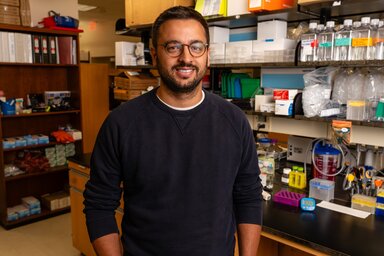
With support from the U.S. Department of Defense (DOD), researchers at MUSC Hollings Cancer Center are advancing precision medicines for bladder cancer, a disease with limited treatment options that is a growing burden among veterans. The new project aims to develop targeted therapies for bladder cancer by focusing on a common genetic mutation found in nearly one-third of patients.
Daniel Sprague, M.D., Ph.D., a drug discovery scientist at Hollings, received a four-year, $1.1 million Career Development Award from the DOD Peer-Reviewed Cancer Research Program to study mutations in ARID1A, a gene that regulates how DNA is packaged and read inside cells. Loss of ARID1A is common in bladder cancer and associated with more aggressive forms of the disease.
“Our goal is to find new treatments that selectively kill cancer cells with ARID1A mutations while sparing healthy cells,” Sprague said. “That’s the promise of precision medicine: more effective therapies with fewer side effects.”
The project brings together expertise in drug discovery, cancer biology, urology and regenerative medicine to tackle bladder cancer from multiple angles. By drawing on expertise across Hollings, including collaborators Joe Delaney, Ph.D., and Stephen Duncan, Ph.D., in the Cancer Biology and Immunology Research Program, and Thai Ho, M.D., Ph.D., and Eric Wallen, M.D., in the Developmental Cancer Therapeutics Research Program, the project reflects a collaborative, team-science approach to developing more precise treatments for patients with hard-to-treat cancers.
A common mutation with few treatment options
Bladder cancer is the sixth most common cancer in the U.S. and the fourth most common in men, with most diagnoses occurring later in life. While the disease is often highly treatable if found early, outcomes for advanced or treatment-resistant bladder cancer have changed little in decades.

“Once the tumor becomes resistant to current therapies, the treatment options are limited,” Sprague said. “In some cases, the bladder has to be removed, which significantly affects quality of life, especially for older patients.”
Bladder cancer is a priority for the DOD, due to its disproportionate impact on veterans, who are at higher risk because of exposure to occupational and environmental conditions and hazardous chemicals during military service.
“As veterans age, we’re seeing the long-term effects of toxic environmental exposures,” Sprague said. “That’s a major reason the department is investing in this type of research.”
ARID1A mutations occur in about 30% of bladder cancers and are also common in other cancers, including certain endometrial cancers. ARID1A encodes a chromatin-remodeling protein that acts as a tumor suppressor, helping cells to control which genes are turned on or off. When the protein is lost, cancer cells can grow more aggressively.
“ARID1A helps remodel chromatin – the tightly packed structure that DNA is wound into – so cells can turn genes on or off at the right time,” Sprague explained. “When that system breaks down, cells can lose control over growth and behavior.”
Working toward less toxic cancer treatments
Current bladder cancer treatments include surgery, chemotherapy, immunotherapy and a small number of targeted therapies. However, only one FDA-approved precision therapy is available, and it benefits fewer than 20% of patients and often causes unwanted side effects.
“Most therapies are broad; they damage cancer cells, but they also harm healthy tissue,” Sprague said. “Precision therapies are designed to exploit cancer-specific weaknesses, which can reduce toxicity and improve quality of life.”
This is especially important for bladder cancer patients, who are often older and may have difficulty tolerating aggressive treatments.
“We need therapies that are not only effective but also easier for patients to live with,” he added. “The goal isn’t just to extend life – it’s to improve how people live during and after treatment.”
Finding new drug targets
Sprague’s research sits at the intersection of basic and translational science – the early stages of discovery that make clinical advances possible.
“You can’t get to the bedside without starting at the bench,” he said. “Basic research is the foundation of everything in translational science.”
We need therapies that are not only effective but also easier for patients to live with. The goal isn’t just to extend life – it’s to improve how people live during and after treatment.
To uncover new treatment pathways for ARID1A-mutated bladder cancers, Sprague’s team is taking a multi-pronged approach.
In one arm of the study, researchers will create matched cancer cell lines that differ only in whether ARID1A is present. Using genomewide screening techniques, they will systematically knock out individual genes to identify pathways that are essential for cancer cells lacking ARID1A – but not for normal cells.
“If we pinpoint genes that are critical only in ARID1A-mutated cells, those pathways become potential drug targets,” Sprague said. “If an approved drug already hits that pathway, we could potentially repurpose it for clinical trials even quicker.”
In the second arm, the team will study specific ARID1A mutations identified in Hollings patients. By recreating these mutations in the laboratory, they can determine which variants actively drive cancer growth and which disrupt ARID1A in meaningful ways.
“The long-term goal is precision therapeutics,” Sprague said. “If we know a patient’s exact mutation and how it affects ARID1A, we can tailor treatments based on that biology.”
The project also involves testing a drug already approved by the Food and Drug Administration that has shown promise in preliminary models, with plans to evaluate its effects in mouse models of bladder cancer.
As Hollings continues to expand its precision oncology research, this project represents a step toward more individualized, less toxic cancer treatments, especially for patients who have few options. By the end of the project, the team aims to identify and validate at least one new therapeutic target, setting the stage for future drug development and clinical trials.
“What excites me most is the possibility of providing better treatment options and improving quality of life for patients,” Sprague said. “At the same time, it’s thrilling to explore completely new biology – pathways that no one has studied before.”
Funding from the U.S. Department of Defense (CA250367) supported this research.
Featured in this story
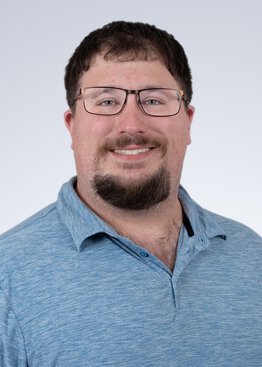
Daniel Sprague, M.D., Ph.D.
Dr. Daniel Sprague is an Assistant Professor in the Department of Biochemistry and Molecular Biology at the Medical University of South Carolina (MUSC), and a member of the Hollings Cancer Center (HCC). He is an organic chemist and drug discovery scientist with a long-standing interest in developing new small molecules to study and treat different diseases. Throughout his career, Dr. Sprague has discovered new ways to drug epigenetic pathways in cancer, developed small molecules to treat inflammatory disorders, and uncovered new druggable targets and first-in-class treatments for drug-resistant parasitic infections.
Current interests in his lab combine cell & chemical biology, molecular pharmacology, and medicinal chemistry to ask important questions about receptor signaling pathways, epigenetics, and the adverse effects of different therapies (e.g. opioids). His lab applies this to a variety of diseases ranging from cancer, through neurotransmitter signaling, and into Neglected Tropical Diseases and other infections. Ultimately, his lab's goals are to apply cross-disciplinary techniques, mentor the next generation of drug-discovery scientists, and develop translational science from the bench, to the bedside.
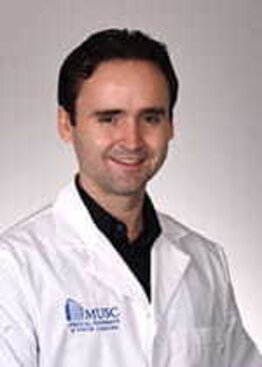
Joe Delaney, Ph.D.
Dr. Delaney studies the impact of monoallelic alterations to cell biology. His lab’s focus is the investigation of cellular biology causally driven by copy-number alterations (CNA) in cancer cells. Ovarian cancer is a uniquely applicable and challenging model for systems biology and genetics due to the prevalence of 1,000+ gene-level CNAs (16,000 on average per tumor). While ovarian cancer has amongst the most CNAs of any cancer, these alterations are present in all solid tumors, with the median solid tumor having 39% of its genome altered by CNAs. These alterations are present in tumors without any other means of targeted therapy: no mutations in oncogenes or targetable tumor suppressor losses.
His research discovered allelic losses of autophagy to be important for ovarian cancer oncogenesis via impairment of chromosome homeostasis and developed drug strategies to target this system, which outperformed chemotherapy. Metallothionein proteins, small chelators of heavy metals and zinc ions, are a major new focus of the lab. Overall, the Delaney Lab investigates how copy-number alterations alter the biology of mammalian cells and how those changes lead to oncogenic phenotypes and treatment vulnerabilities.
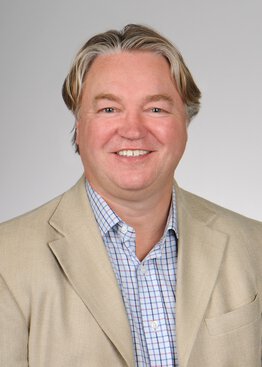
Stephen Duncan, D.Phil.
My research focuses on the use of mice and stem cells to understand the contribution of transcription factors toward embryonic development and function of the liver. Traditionally, my laboratory has relied on the use of mouse models including knockout mice and mouse embryonic stem cells. During this time, we have garnered a substantial understanding of the basic molecular pathways controlling liver function and hepatogenesis.
While the mouse has been a valuable model, we have introduced the use of induced human pluripotent stem cells (iPSCs) because we believe that they could offer a new and robust experimental model. We have shown that we can control differentiation of human pluripotent stem cells to hepatocytes with high efficiency, to the extent that >95% of cells in the culture dish express characteristic markers of differentiated hepatocytes. In addition, we have developed novel technologies to facilitate the efficient culture and reprogramming of human iPSCs. Such approaches have raised the possibility of using stem cell-derived cells for the study of hepatocyte differentiation and to potentially treat liver disease.
Thai Ho, M.D., Ph.D.
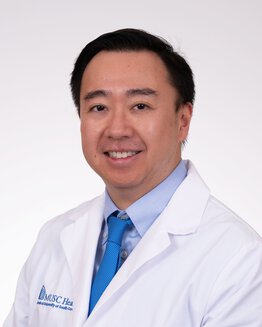
Dr. Thai Ho is an oncologist specializing in treating genitourinary cancers (bladder, upper tract, kidney). In the lab, Dr. Ho investigates clear cell renal cancer (ccRCC), which is among the top 10 leading causes of cancer deaths in the United States. He uses SETD2 mutations in ccRCC as a paradigm for investigating the mechanisms that underpin how these mutations drive cancer progression and to look for novel ways to target these mutations, which are still mostly regarded as undruggable.
Eric Wallen, M.D.
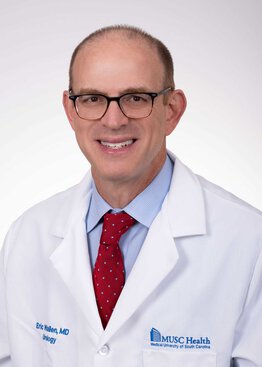
Dr. Wallen specializes in care and treatment of patients with cancers of the prostate, kidney, bladder and testis. He was an early adopter and innovator in robotic surgery in urology. He is an expert in robotic kidney and prostate surgery. Dr. Wallen is a strong advocate for patient-centered care, who counsels patients so that they can make informed decisions about their care, such as having surgery for a small kidney tumor or having an MRI, a biomarker test, or a biopsy for elevated PSA (the blood test that screens for prostate cancer). He uses the latest prostate biopsy techniques to decrease pain and the risk of infection.
As a member of the Hollings Cancer Center, he also works closely with community groups, especially those with a higher risk of prostate cancer, to raise awareness and increase access to healthcare in rural and underserved communities.
A native of Setauket, New York, Dr. Wallen graduated from Yale College, then attended UCLA Medical School and completed urology training at Stanford University. His first faculty appointment was at Dartmouth Medical School where he established a minimally invasive urology program. He was on faculty at the University of North Carolina at Chapel Hill for over 20 years prior to his appointment as MUSC Chair of Urology in November 2024.
During his tenure at UNC Chapel Hill Dr. Wallen established the robotic urology program and served as Vice Chair of Education, Urology Program Director, Director of the UNC Men’s Health Program, member of the UNC Lineberger Comprehensive Cancer Center, and Medical Director of the UNC System Supply Chain. An acclaimed educator in the field, Dr. Wallen was awarded the national American Urological Association’s (AUA) “Teacher of the Year” Award, and in 2020 was elected the Chair of the ACGME Residency Review Committee for Urology. In 2021, Dr. Wallen received the UNC School of Medicine Academy of Educators Lifetime Achievement Award in Medical Education, which recognized his 20+ years of sustained excellence in teaching and mentoring medical students, residents, and fellows.
Dr. Wallen’s commitment to global health has taken him to Cuba and China on multiple visiting professorships. He was part of the development of the UNC Project Malawi, establishing an elective rotation for urology residents to experience healthcare delivery in Malawi, starting in 2017.
Dr. Wallen is the author of over 150 publications and book chapters. He has presented his research nationally and internationally. He is certified by the American Board of Urology, is a fellow of the American College of Surgeons, and is a member of the American Urological Association, the Society of Academic Urology, the Society of Urologic Oncology, and the Endourologic Society.
Hayley Kamin
Communications Manager
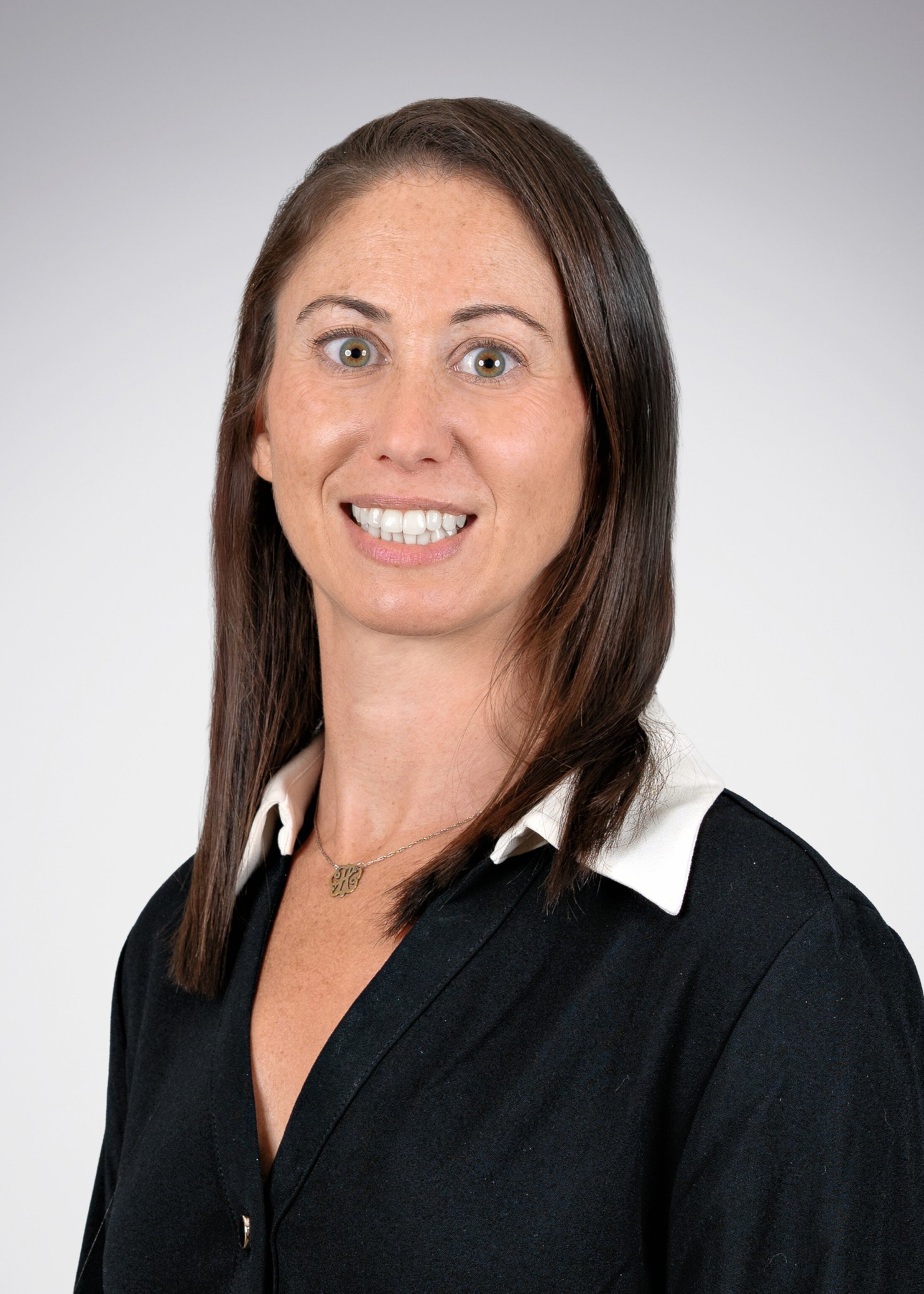
Hayley Kamin is the communications manager for the Hollings Cancer Center Communications and Marketing team, having joined the team in 2025 after three years as a communications specialist at the National Institutes of Health (NIH). As a science communicator with a Ph.D. from the University of Florida, she has extensive experience translating complex research into clear, engaging content. Her career has included roles at the NIH’s National Institute of Mental Health and the American Psychological Association, where she led content development and editorial strategy, developed science and health communications and worked with researchers and clinicians to strengthen public understanding of research.
Contact Hayley at kamin@musc.edu.
Recent Cancer Research stories