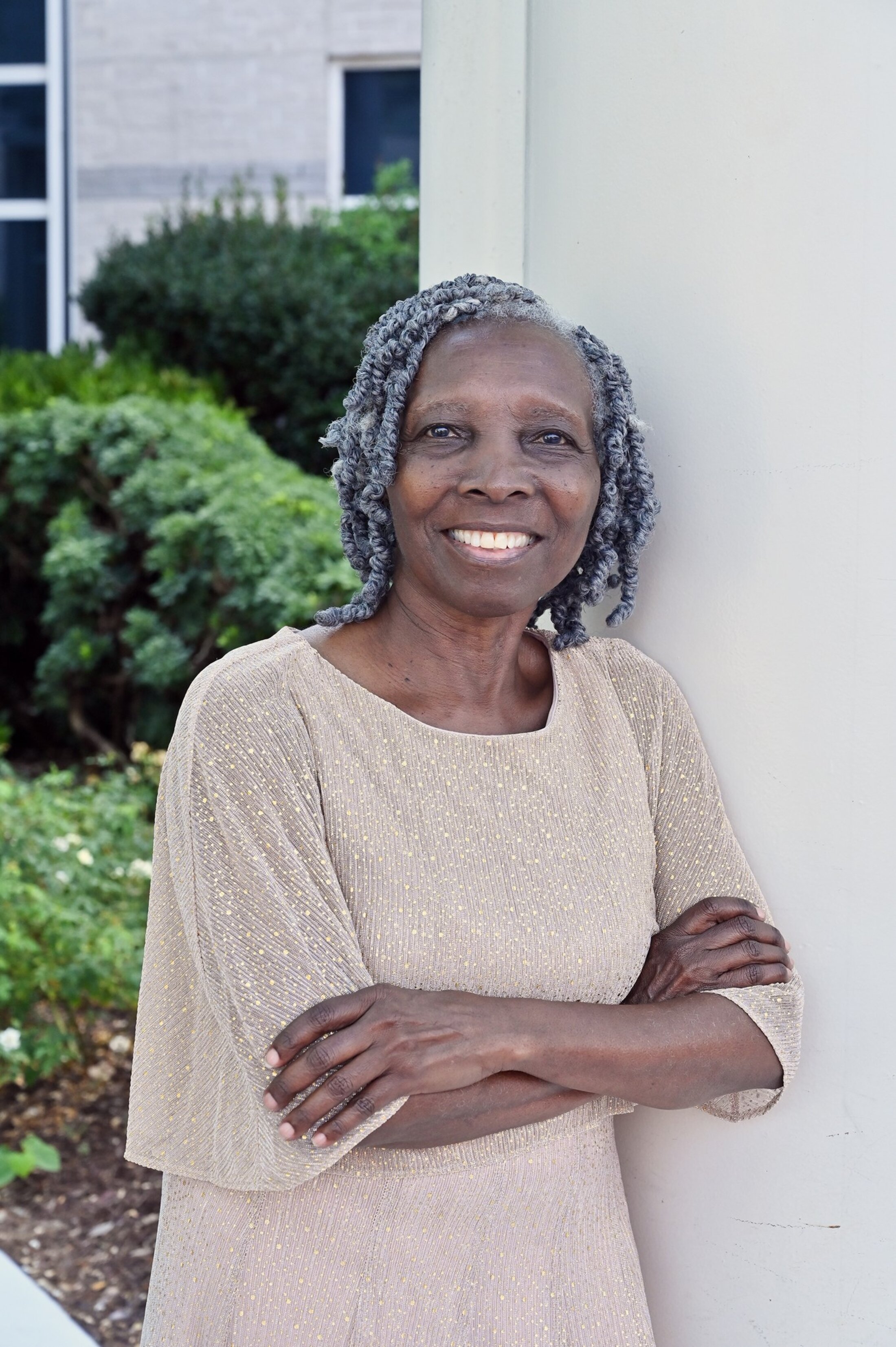
When Debra Jean Chandler felt a sudden, sharp pain in her right side, she thought an old problem had returned. About 20 years earlier, Chandler had undergone a hernia repair on her right side. So when the pain appeared, that was where her mind went first.
She made an appointment with her primary care doctor to get it checked out – a decision that would ultimately lead to a very different diagnosis.
Her doctor referred her to a gynecologist, who ordered an ultrasound. The scan revealed that the problem was not on Chandler’s right side at all. Instead, there was a mass on her left ovary. A blood test showed an elevated level of CA-125, a marker that can be associated with ovarian cancer, prompting a referral to an oncologist.
In October 2024, Chandler learned she had ovarian cancer. Initially, doctors thought the cancer was Stage 3, but additional testing and a biopsy revealed it was Stage 4, meaning it had spread beyond the abdomen.
The diagnosis was shocking. But Chandler remembers meeting it with a calmness that surprised even her, knowing that through prayer and faith, God would see her through.
“When I first heard about it, I took it as if the doctor was going to treat me for a minor headache,” she said.
She carried that outlook with her through the months of treatment ahead.
A plan to treat the cancer
Chandler, who lives with her husband of 43 years in Kingstree, South Carolina, was referred to MUSC Hollings Cancer Center through her doctor in nearby Florence. There, she came under the care of gynecologic oncologist Brian Orr, M.D., who would later perform her surgery in Charleston.
A diagnostic laparoscopy showed that Chandler’s cancer was too extensive to be removed successfully with surgery right away. She first received four rounds of chemotherapy at McLeod Regional Medical Center in Florence to shrink the tumor enough to make surgery possible.
I love to help people. Researchers can gather information by seeing how the treatment helped me and use what they learn to help someone else who needs treatment.
In February 2025, she traveled to Charleston, where Orr and his team performed cytoreductive surgery, a complex operation designed to remove all visible cancer from the ovary and areas in the abdomen where it had spread. Afterward, she returned to Florence for two more rounds of chemotherapy.
Chandler said she experienced relatively few side effects throughout treatment. And after spending seven days in the hospital in Charleston following surgery, she returned home and continued recovering without significant complications.
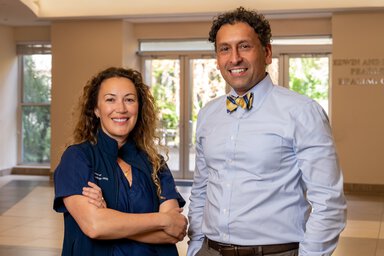
Today, Chandler sees Hollings gynecologic oncologist Taylor Orellana, M.D., for her ongoing care in Florence.
Her treatment reflects the close collaboration and coordination between teams in Charleston and Florence that defines Hollings care. Her physicians at the two sites worked together throughout, allowing Chandler to travel to Charleston for specialized surgery while receiving chemotherapy and follow-up care closer to home.
Chandler also took an active role in her recovery. She focused on eating well, staying hydrated, walking and being active – with her family helping to keep her motivated and accountable.
The mother of four and grandmother of 11, she said her family rallied around her from the moment she received her diagnosis. Every Thursday night, they gathered on Zoom to pray, sing and share testimonies. Her daughter accompanied her to appointments, while her son called every day to pray and read Scripture with her. Another son, who was stationed in Kentucky with the military when she was diagnosed, even requested a transfer to Fort Jackson in Columbia to be closer to her.
“It was just so great to have family supporting me all the way,” Chandler said.
Her faith became an anchor, too. Each day, she repeated a personal declaration affirming her faith, healing and determination to overcome cancer.
“I just give God thanks for how he took me through this journey,” she said.
A chance to improve ovarian cancer treatment
Chandler’s treatment also allowed her to contribute to research that could shape care for future ovarian cancer patients. Orr suggested that she participate in a national phase 3 clinical trial called the Heated Ovarian Treatment Trial, or HOTT.
The clinical trial is examining whether adding a treatment called heated intraperitoneal chemotherapy, or HIPEC, to ovarian cancer surgery can delay or prevent the cancer’s return. HIPEC delivers a concentrated dose of chemotherapy directly into the abdominal cavity, where ovarian cancer commonly spreads.
According to Orr, Chandler was a good fit for the study because “her advanced disease required chemotherapy before surgery, one of the trial’s eligibility criteria.” Tumor testing also showed that her cancer was positive for homologous recombination deficiency, or HRD, a marker associated with ovarian cells having difficulty repairing DNA damage.
All patients in the trial receive chemotherapy and then are randomly assigned to surgery with or without HIPEC. After recovering, patients in both groups complete additional chemotherapy and then receive niraparib, a targeted maintenance therapy intended to keep the cancer under control. Patients can remain on the maintenance treatment for up to three years if their cancer does not progress.
We’re in a new era in oncology. After decades when progress was relatively slow, we’re now seeing new therapies emerge at a remarkable pace. Clinical trials are essential for determining whether those treatments are safe, effective and ultimately ready to become part of care for more patients.
By following patients over time, researchers will compare how long patients in the two groups live without their cancer growing or returning, while also tracking overall survival and treatment side effects.
“The hope is that adding HIPEC will keep the cancer from coming back and ultimately help patients live longer,” Orr said.
For Chandler, joining the study was not an automatic decision. She initially had concerns because she was unfamiliar with how clinical trials work. Her family helped her to think through the decision while conversations with her Hollings team put her at ease. They made it clear that participation was her choice, and she could leave the study at any time.
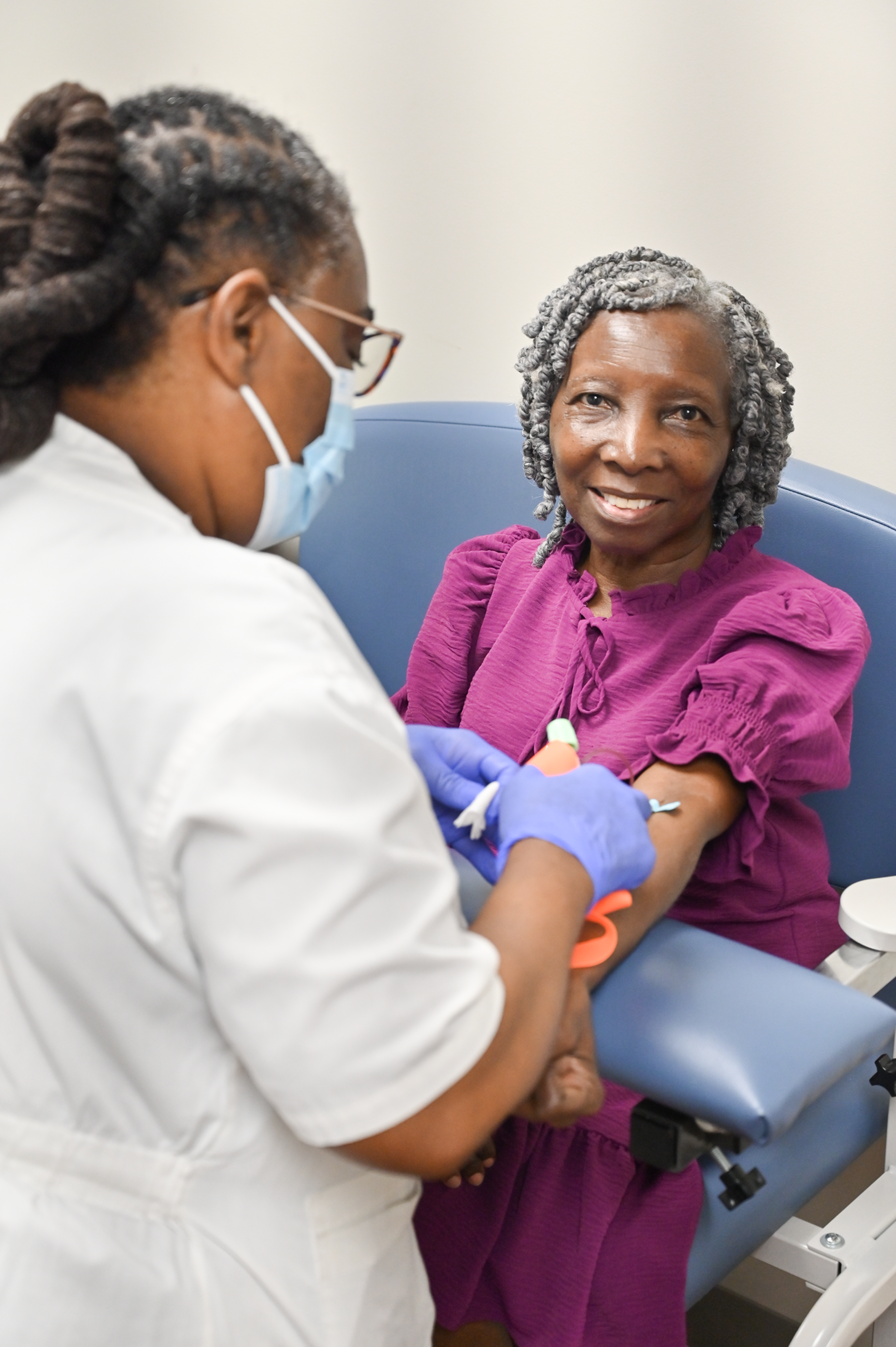
Chandler undergoes regular lab work and CT scans in Florence, allowing her team to monitor her health closely. She has responded well to treatment and continues to show no evidence of disease on her most recent scans.
“They’re keeping a close eye on me,” she said of her care team. “And I’m so grateful for that.”
“We’re overjoyed that Debra has done exceptionally well – but also grateful for her role in improving cancer care for future patients that may be in her place one day,” added Orr.
Chandler’s decision to participate in research was about more than her own care. She spent 42 years working at Williamsburg Regional Hospital, first as a switchboard operator and later as a financial counselor. Whether helping patients to navigate their medical bills or stepping in to assist with other needs, Chandler said that helping others has always been an important part of who she is.
She sees her participation in the HOTT trial as another way to do that.
“I love to help people,” she said. “Researchers can gather information by seeing how the treatment helped me and use what they learn to help someone else who needs treatment.”
Chandler likes knowing that her experience could one day benefit someone else facing ovarian cancer. It is why she encourages others to learn about available clinical trials and talk with their doctors about whether participating might be right for them.
For Orr, participation by patients like Chandler is particularly important at a time when cancer treatment is changing rapidly.
“We’re in a new era in oncology,” he said. “After decades when progress was relatively slow, we’re now seeing new therapies emerge at a remarkable pace. Clinical trials are essential for determining whether those treatments are safe, effective and ultimately ready to become part of care for more patients.”
For Chandler, her journey has been about more than overcoming cancer. It has been about faith, family, resilience and the opportunity to help others who may face the same diagnosis.
Featured in this story

Taylor Orellana, M.D.
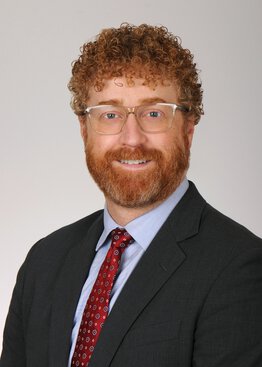
Brian Orr, M.D.
Dr. Brian Orr is a gynecologic oncologist at Hollings Cancer Center and associate professor at Medical University of South Carolina. He completed residency at the University of South Florida and fellowship training at the University of Pittsburgh. As faculty at University of Pittsburgh, he completed a master's degree in Clinical and Translational Science.
In addition to clinical activities of minimally invasive surgery, chemotherapy, and HIPEC for gynecologic cancer patients, he is active in clinical research. Dr. Orr's research interests are in translational clinical trial development for ovarian, uterine, cervical, and vulvar cancers. His expertise is in immunotherapy and targeted therapies.
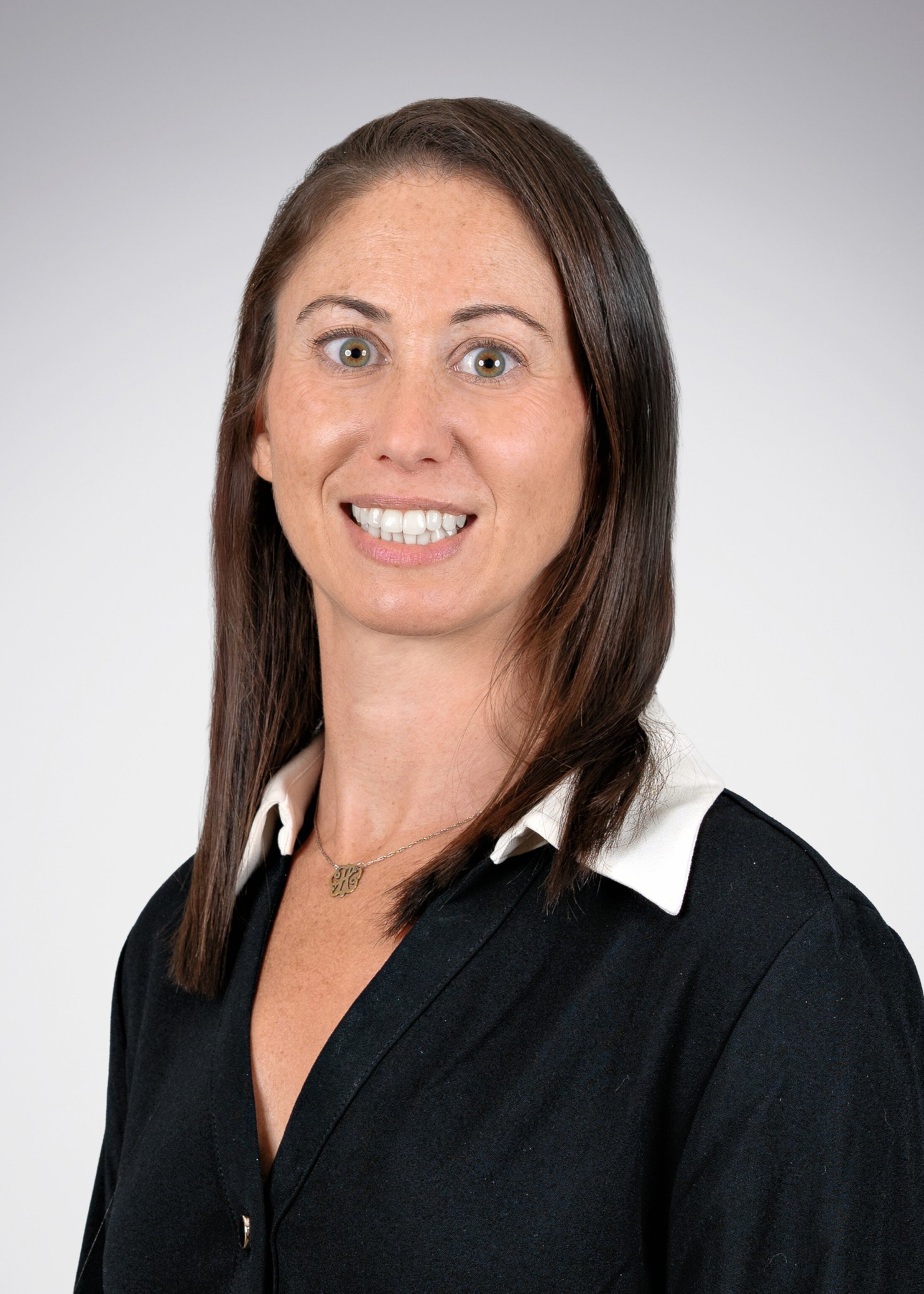
Hayley Kamin
Communications Manager
Hayley Kamin is the communications manager for the Hollings Cancer Center Communications and Marketing team, having joined the team in 2025 after three years as a communications specialist at the National Institutes of Health (NIH). As a science communicator with a Ph.D. from the University of Florida, she has extensive experience translating complex research into clear, engaging content. Her career has included roles at the NIH’s National Institute of Mental Health and the American Psychological Association, where she led content development and editorial strategy, developed science and health communications and worked with researchers and clinicians to strengthen public understanding of research.
Contact Hayley at kamin@musc.edu.
Recent Cancer Clinical Trials stories