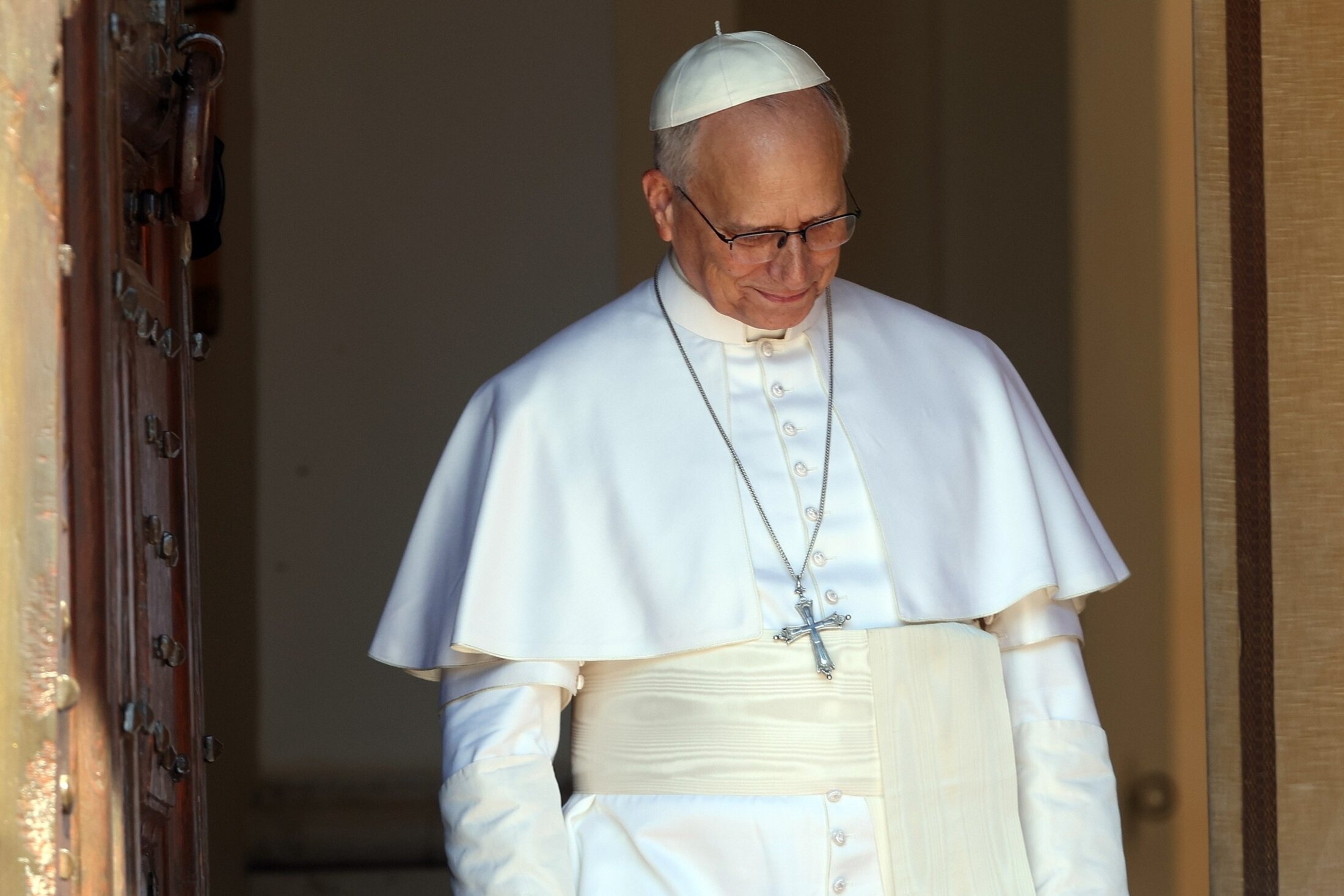
When news broke that doctors had found a nodule – sometimes referred to as a spot or shadow – in Pope Leo XIV’s lung, it raised questions about what these spots mean and whether they are a sign of cancer.
On Oct. 13, the Vatican confirmed that the 71-year-old pope had been diagnosed with lung cancer after undergoing surgery to remove the nodule. The diagnosis drew particular attention because the pope has no known history of smoking.
His experience highlights three important facts:
- Lung cancer can develop in people who have never smoked.
- A lung nodule does not always mean cancer.
- For those who qualify, lung cancer screening can be lifesaving.
At MUSC Hollings Cancer Center, lung specialists help patients to understand what lung nodules mean, when further testing may be needed and how early detection can improve treatment options.
What is a lung nodule?
Lung nodules are small round or oval areas of abnormal tissue in the lungs. They are fairly common and often found by chance during scans performed for other reasons or through routine lung cancer screening.
Although most lung nodules are benign, or noncancerous, some can be early signs of lung cancer. Knowing what to look for and when to follow up can make a big difference.
“At Hollings, our pulmonologists and lung surgeons specialize in evaluating lung nodules and helping patients understand what their findings mean,” said Hollings pulmonologist Gerard Silvestri, M.D. “We determine which nodules need further testing or treatment and which can be safely monitored over time.”
What causes lung nodules?
Lung nodules can result from infection or inflammation, represent areas of scar tissue or be benign growths. Only a small percentage are cancerous, Silvestri said.
Doctors examine a nodule’s size, shape and appearance to assess the likelihood of cancer. They also look for changes over time and consider the patient’s age, smoking history and other risk factors.
What happens if a lung nodule is found?
Finding a lung nodule does not always mean treatment is needed, but follow-up care is important.
“Lung nodules should never be ignored – though not every nodule needs immediate care,” said Hollings cardiothoracic surgeon Quynh Chu, M.D. “In many cases, we can safely monitor a nodule over time. How often we check depends on the patient’s risk for cancer.”
In many cases, we can safely monitor a nodule over time. How often we check depends on the patient’s risk for cancer.
Small nodules that stay the same size over time are less concerning. Nodules that grow or have unusual features may require more tests, such as a PET scan and/or a biopsy, which involves collecting a small tissue sample. Doctors may also order a blood test that can help to determine a person’s risk of cancer.
The goal is to find cancer as early as possible while avoiding tests or procedures that a person may not need.
How does lung cancer screening help?
Lung cancer is the leading cause of cancer-related deaths in the world. One reason is that the disease often develops without clear warning signs. By the time symptoms, such as a lasting cough, chest pain or coughing up blood, appear, the cancer may be more advanced.
Lung cancer screening can detect the disease before symptoms appear, when treatment may be more effective. Research has shown that screening people at high risk can reduce their risk of dying from lung cancer.
That is why screening is so important.
Hollings’ Lung Cancer Screening Program offers screening and consultation at locations across South Carolina, bringing these specialized services closer to home.
Screening uses a low-dose computed tomography (CT) scan, which creates detailed images of the lungs using a small amount of radiation. Unlike a traditional chest X-ray, a low-dose CT scan can reveal very small nodules that might otherwise go undetected.
The scan is quick and painless and does not involve needles or dye. During the scan, a patient lies on a table with their arms raised above their head. The table slides through the scanner, and the patient briefly holds their breath while images are taken.
Specialized radiologists review the images, and the results are shared with the patient's physician. The patient is then contacted with the results and any recommended next steps.
For people who currently smoke, the program also offers access to resources and counseling to help them to quit through the MUSC Health Tobacco Treatment Program.
Who should get screened for lung cancer?
Not everyone needs regular lung cancer screening. Current screening recommendations focus on people who are at higher risk because of their age and smoking history.
Importantly, screening is meant for people at higher risk who do not have symptoms of lung cancer. Anyone experiencing concerning symptoms should speak with a healthcare provider about diagnostic testing.
You may qualify for annual lung cancer screening if you:
- Are between 50 and 80 years old.
- Have a smoking history of at least 20 pack-years. That could mean smoking one pack of cigarettes a day for 20 years or two packs a day for 10 years.
- Currently smoke cigarettes or quit within the past 15 years.
People who meet these criteria should talk with a healthcare provider about whether screening is right for them.
What about people who have never smoked?
As the pope’s diagnosis shows, lung cancer can affect nonsmokers as well as smokers.
People who have never smoked typically do not need routine screening. However, a lung nodule found during another scan may still need follow-up, regardless of a person’s smoking history.
A finding, not a diagnosis
The news surrounding Pope Leo XIV has brought new attention to lung nodules and the importance of finding cancer early.
For most people, these small spots will turn out to be noncancerous. But when a nodule raises concerns about lung cancer, timely evaluation can lead to an earlier diagnosis and, when appropriate, treatment.
At MUSC Health, lung cancer screening coordinators guide patients through the evaluation process and connect them with specialists when more testing or care is needed. If cancer is found, patients can access the multidisciplinary expertise, advanced treatments and clinical trials offered through Hollings’ Lung and Thoracic Cancer Program.
Whether a nodule is discovered unexpectedly or through routine screening, understanding your risk and following the recommended next steps can make sure you get the care you need when you need it.
Featured in this story
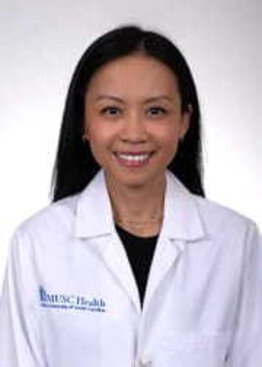
Quynh Chu, M.D.
Quynh Chu, MD is a cardiothoracic surgeon who specializes in treating diseases of the lung, esophagus, airway, mediastinum, and chest wall with a particular interest in thoracic surgical oncology and minimally invasive and robotic surgical techniques.
Dr. Chu received her undergraduate degree from Yale University and her medical degree with honors from the Geisel School of Medicine at Dartmouth. She completed general surgery residency at Harvard-affiliated Beth Israel Deaconess Medical Center in Boston, during which time she pursued a research fellowship at Brigham and Women's Hospital and Massachusetts General Hospital. Shen then completed specialty training in cardiothoracic surgery at Memorial Sloan Kettering Cancer Center and its partner institution New York Presbyterian/Weill Cornell Medical Center in New York City.
She has performed extensive research in tumor immunology and investigated novel methods of drug delivery to prevent cancer recurrence, authoring numerous peer-reviewed scientific publications.
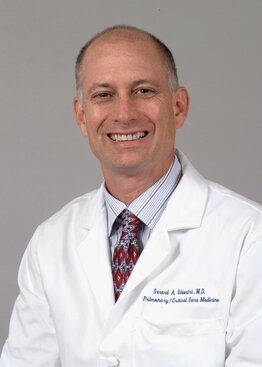
Gerard A. Silvestri, M.D., MS
I am a lung cancer pulmonologist with expertise in the evaluation, management, and improvement of outcomes of patients with lung cancer. I conduct patient-oriented clinical research studies that encompass nearly every aspect of lung cancer care, including lung cancer screening, disparities in cancer care, shared decision-making, and the evaluation and management of pulmonary nodules. I have a graduate degree in the evaluative clinical sciences, and I apply the health services research techniques I learned to many aspects of lung cancer care.
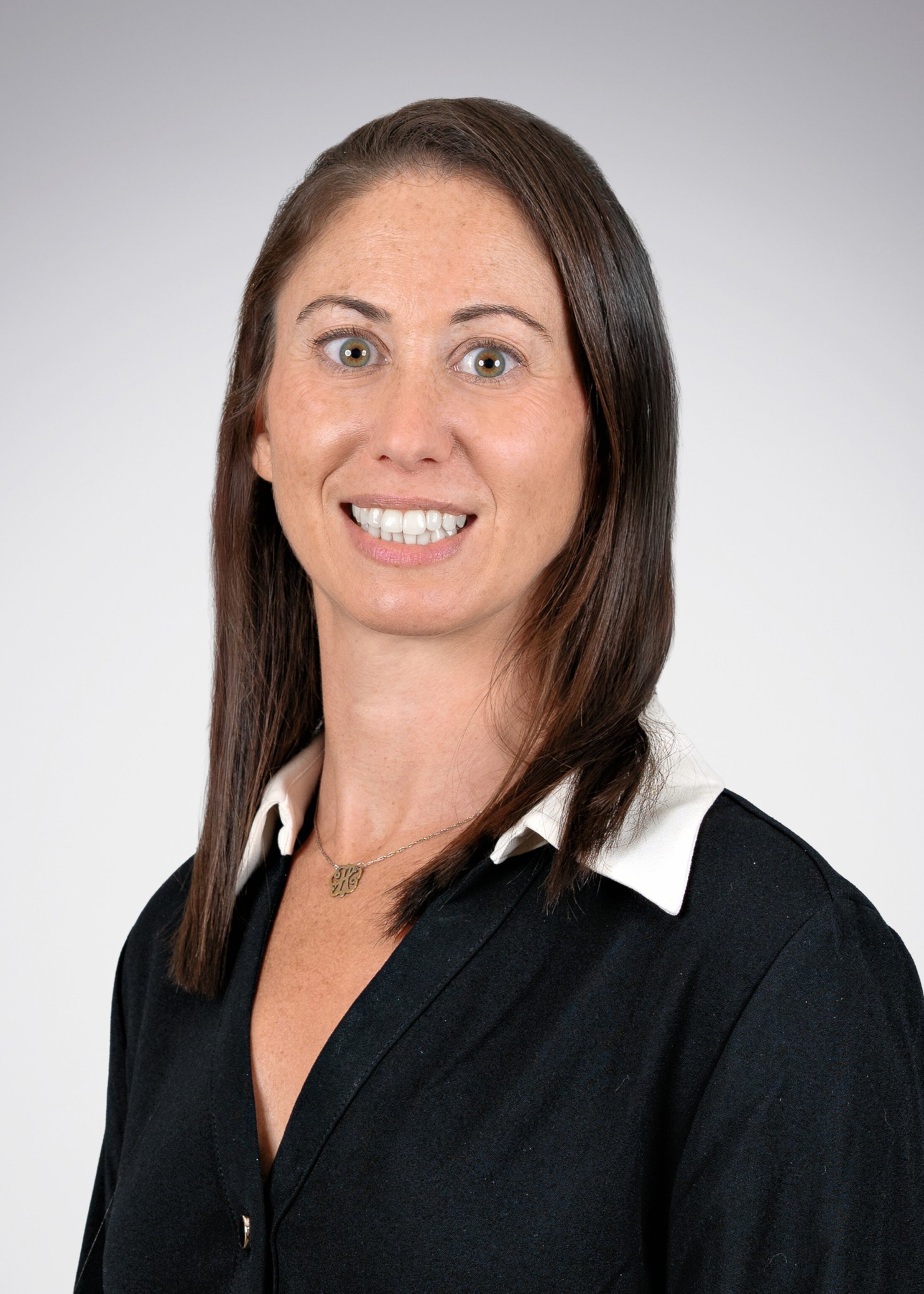
Hayley Kamin
Communications Manager
Hayley Kamin is the communications manager for the Hollings Cancer Center Communications and Marketing team, having joined the team in 2025 after three years as a communications specialist at the National Institutes of Health (NIH). As a science communicator with a Ph.D. from the University of Florida, she has extensive experience translating complex research into clear, engaging content. Her career has included roles at the NIH’s National Institute of Mental Health and the American Psychological Association, where she led content development and editorial strategy, developed science and health communications and worked with researchers and clinicians to strengthen public understanding of research.
Contact Hayley at kamin@musc.edu.