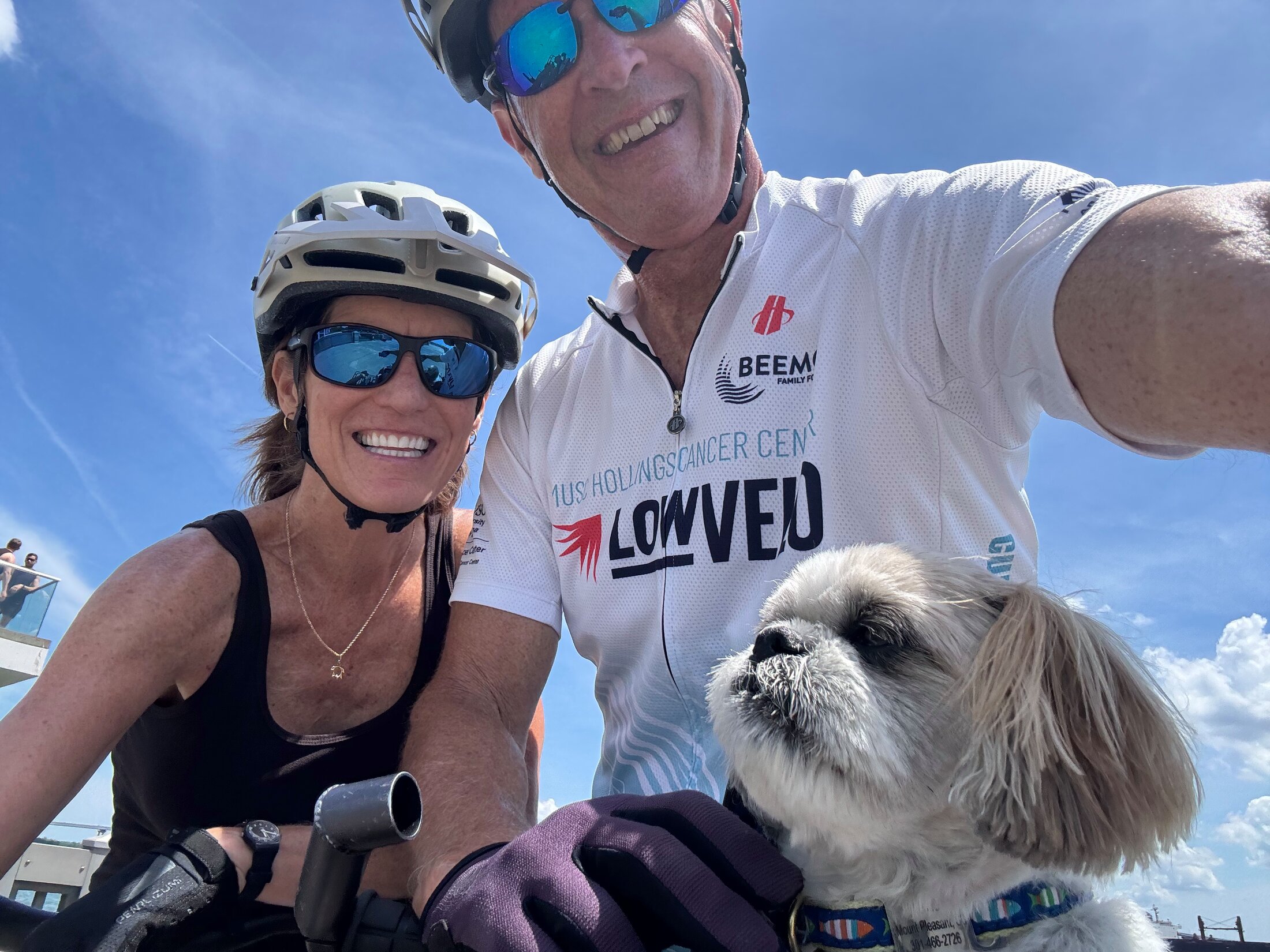
Kathy McKee was riding her bike with her husband, Jamie, when her lower jaw suddenly began shaking uncontrollably. Frightened by the sensation, she grabbed her jaw with her hand and pulled over.
An ambulance rushed her to the hospital, where doctors initially suspected a stroke. Instead, brain imaging revealed something she never imagined: tumors in her brain.
The news came just days after another frightening discovery. McKee, a healthy, active 61-year-old who had never smoked, had learned that a CT scan showed a suspicious mass in her lung. Doctors were still working to determine whether it was cancer when the episode on her bike sent her back to the hospital.
In July 2026, testing confirmed that McKee had stage 4 non-small cell lung cancer that had spread to her brain, lymph nodes and spine.
For McKee, an avid cyclist who had spent years raising money for cancer research through LOWVELO, the annual cycling fundraiser benefiting cancer research at MUSC Hollings Cancer Center, the diagnosis was almost impossible to comprehend.
She had ridden countless miles to support others facing cancer. Now she was one of them, and the research she had supported would become central to her treatment.
The warning signs she almost missed
Looking back, McKee recognizes some of the subtle changes that preceded her diagnosis.
During bike rides, she began feeling the need to take unusually deep breaths, almost like yawning to get enough air. She noticed the change but was not particularly alarmed. A competitive athlete, she was accustomed to cycling, staying active and pushing herself.
It was a different symptom that finally prompted a call to her primary care doctor: pain around a hip she had replaced more than a decade earlier. Stretching and yoga were not helping, and McKee wondered whether something might be wrong with the replacement.
Her primary care doctor, whom she had known for almost 10 years, took her concerns seriously.
An initial X-ray and blood work did not reveal an obvious problem. But a D-dimer blood test, which helps doctors to assess the possibility of a blood clot, came back unusually high.
Her doctor called that evening and urged her to go to the Emergency Department. There, a CT scan revealed a suspicious mass in her lung.
McKee remembers the shock of hearing the news. She had arrived expecting doctors to investigate a blood clot. Instead, she was confronting the possibility of cancer.
Her husband, who had been away on a motorcycle trip, immediately headed back home when he heard the news.
The days that followed were a blur.
McKee was referred to Gerard Silvestri, M.D., a pulmonologist at Hollings specializing in lung abnormalities. Silvestri explained that the imaging findings were concerning, but additional testing was needed to determine whether the mass was cancer and, if so, what type of cancer it was.
While McKee awaited further testing, the frightening episode on her bike brought her back to the hospital. This time, doctors discovered tumors in her brain, raising even more urgent questions about the extent of her disease.
Imaging and a biopsy later confirmed that McKee had lung cancer that had spread to her brain, where doctors found 11 tumors, as well as her lymph nodes and spine.
The news changed McKee’s world overnight. Concerns that once occupied her thoughts suddenly seemed insignificant.
“Everything I thought was important in my world wasn’t anymore,” she recalled.
Finding hope in a specific type of lung cancer
Despite her cancer’s advanced stage, McKee learned that her diagnosis had a path forward.
Additional testing revealed that her lung cancer was ALK-positive, meaning it was driven by a change in a gene called ALK. This alteration helps cancer cells to grow and spread, but it also gives doctors a specific target for treatment.
That discovery opened the door to a more personalized treatment approach. At Hollings, Silvestri and medical oncologist Mariam Alexander, M.D., Ph.D., who specializes in lung cancer, are leading a care plan shaped by the specific characteristics of McKee’s illness.
She now takes a daily medication called lorlatinib, a targeted therapy known as a third-generation ALK inhibitor. Clinical trials have shown that the drug can be highly effective against ALK-positive lung cancer, including tumors in the brain. McKee is tolerating treatment with manageable side effects. Her care team is optimistic, and follow-up scans will determine how well her cancer is responding.
Advances in lung cancer research have dramatically changed what we can offer patients like Kathy, even when their cancer is diagnosed at an advanced stage. Our goal is not only to control her cancer but also to help her continue the active, fulfilling life she loves.
“Kathy’s enthusiasm for life and remarkable resilience have been inspiring,” Alexander said. “Advances in lung cancer research have dramatically changed what we can offer patients like Kathy, even when their cancer is diagnosed at an advanced stage. Our goal is not only to control her cancer but also to help her continue the active, fulfilling life she loves.”
To address the tumors in her brain, McKee underwent Gamma Knife radiosurgery performed by neurosurgeon Istvan Takacs, M.D., and radiation oncologist Charlotte Rivers, M.D. Gamma Knife uses highly focused radiation to target tumors in the skull or brain while limiting exposure to surrounding healthy tissue.
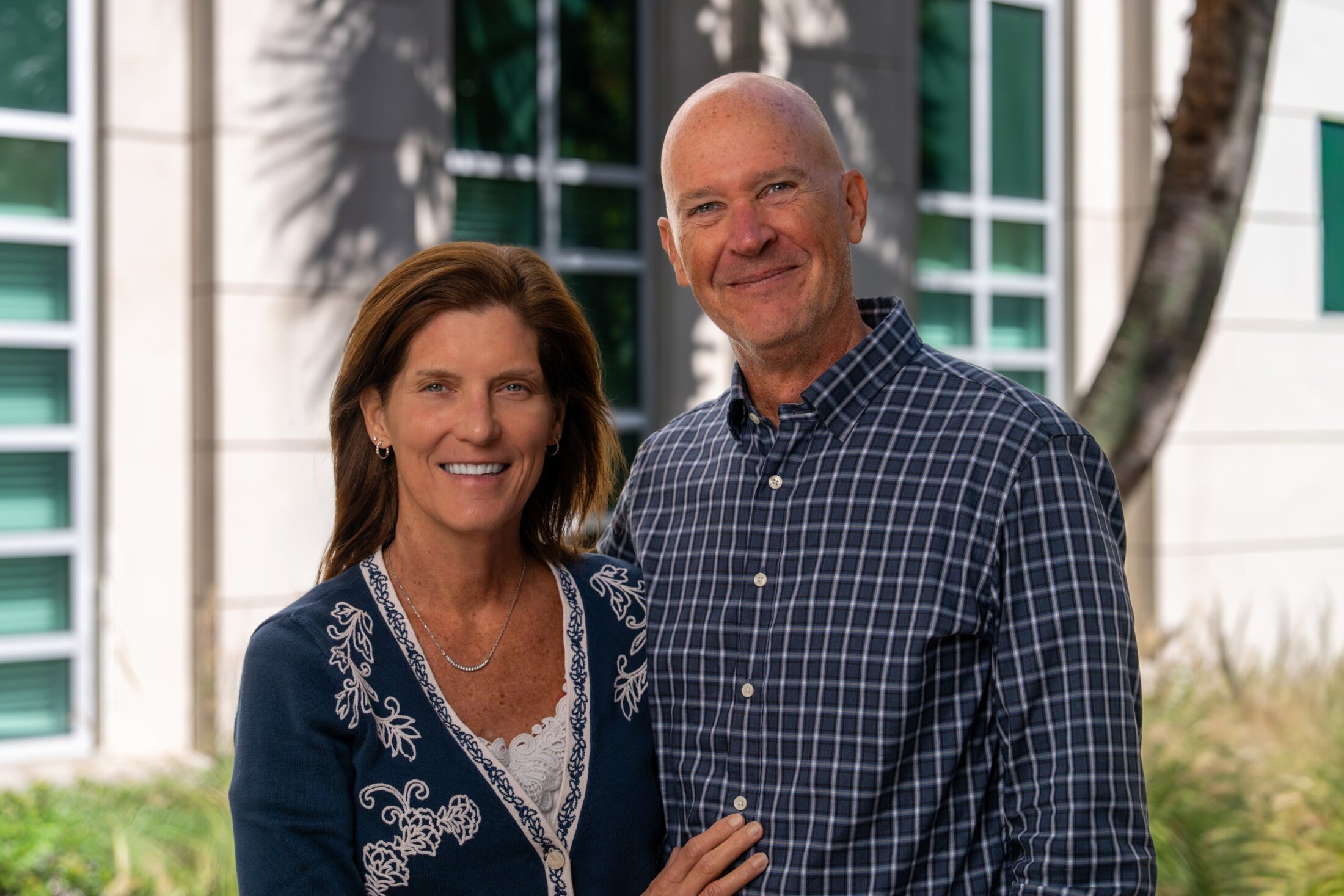
And through it all, Jamie has been by her side, helping with appointments, researching treatments and offering support. Their son, Kyle, rushed to be with his mom when she was hospitalized and has since followed developments in cancer research and shared new findings.
McKee does not pretend that living with stage 4 cancer is easy. Treatment has brought challenges, including swelling in her legs and a rash. She worries about what future scans will show, whether her treatment will keep working and what the disease will mean for her family.
Still, she is grateful to have options that years of cancer research have made possible.
Finding compassion in the small moments
Alongside medical advances, McKee has found reassurance in the compassion and respect she experienced from the people caring for her at Hollings.
“It’s like they’re happy to be there, and if they’re not, they’re hiding it very well. Just completely respectful of me and my situation.”
One experience, in particular, has stayed with her.
In the early days after her diagnosis, McKee was waiting for results from a tissue biopsy that could help to guide her treatment options. She also needed blood work, but by the time she and her husband reached the lab that day, the doors were locked. They were just minutes too late.
Determined not to lose more time, the couple knocked on the door, hoping someone was still inside. A staff member explained that the lab was closed, but instead of sending them away, she stayed nearly 45 minutes late to draw McKee’s blood. That extra effort mattered. The blood test results came back before those from the tissue biopsy, allowing her care team to identify a targeted therapy and begin treatment sooner. At a frightening time for McKee, someone had understood the urgency of her situation and chose to help.
“She was just so wonderful,” McKee said. “That has been the kind of care I have received over and over from the hospital.”
Riding with a new purpose
For years, McKee and her husband supported cancer research because they believed in its power to change lives. Both have backgrounds in research grants management and have seen firsthand how medical discoveries can lead to better treatments. That belief inspired their involvement in LOWVELO.
McKee is now experiencing the impact of that work as a patient. The medication she takes is the result of decades of scientific discoveries, clinical trials and advances in understanding the genetic changes that drive cancer. Today, increasingly precise therapies are allowing patients to live longer while managing their disease.
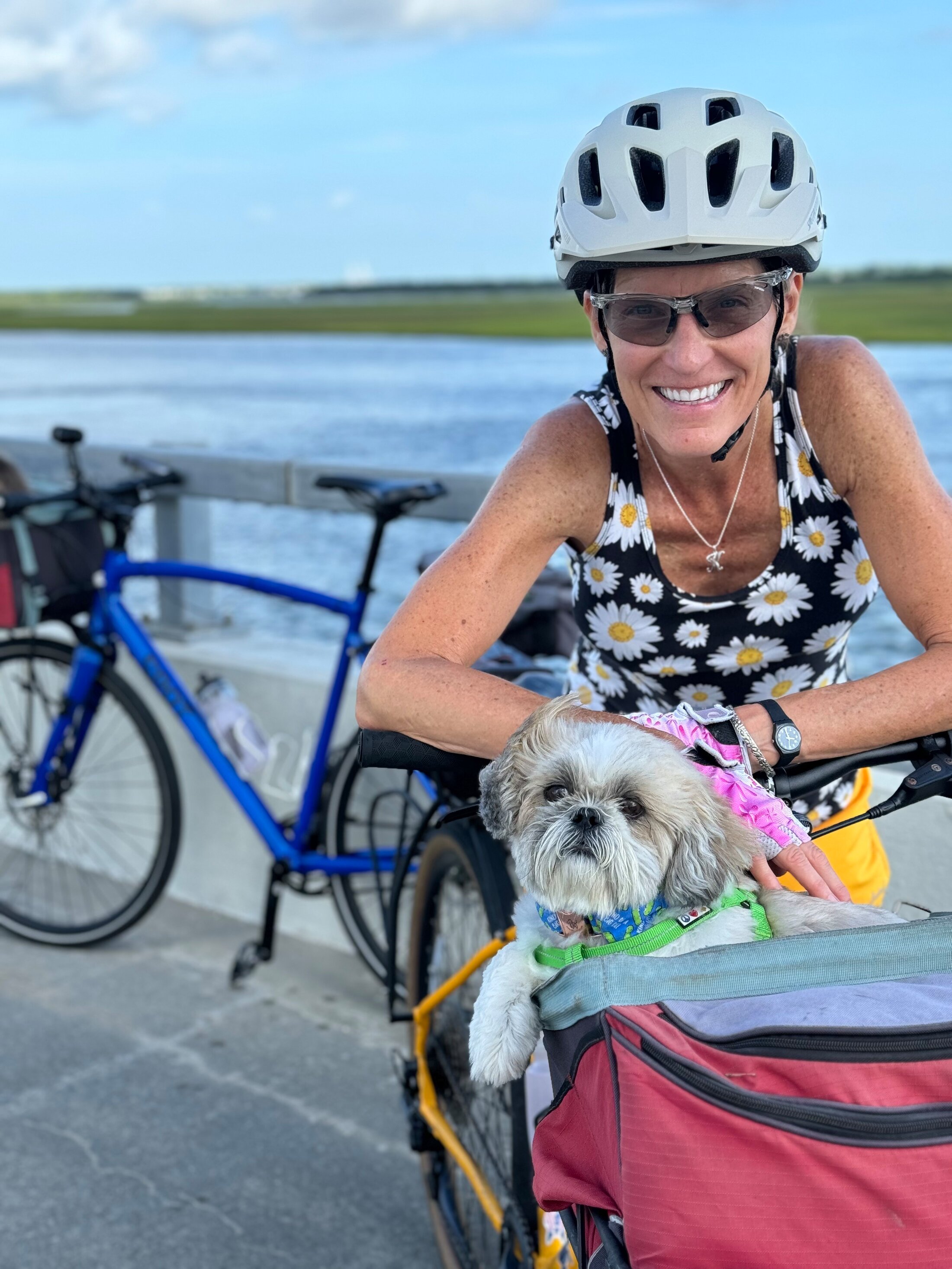
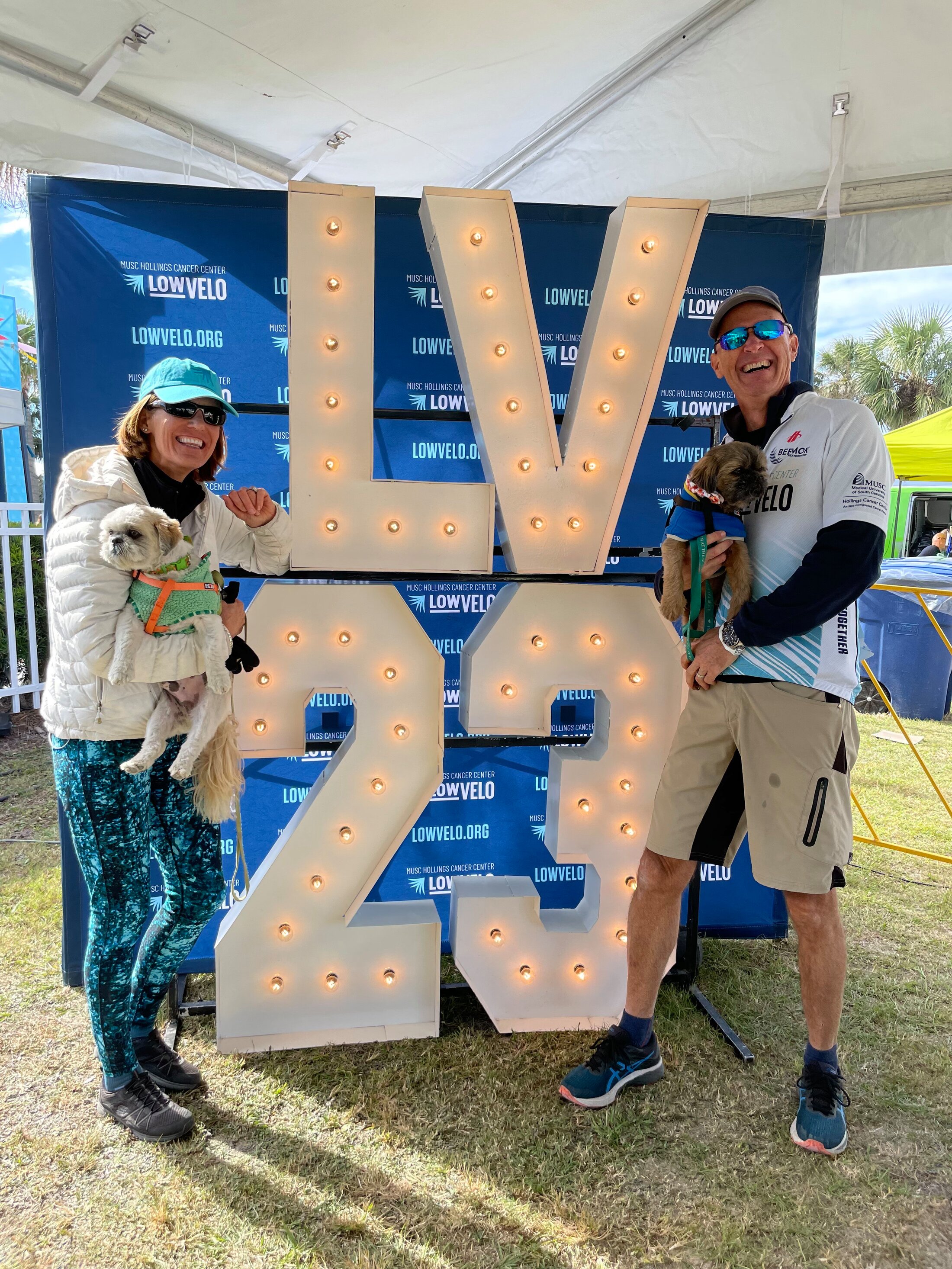
McKee has heard about people with ALK-positive lung cancer who have lived for years on targeted therapy. She knows every patient’s experience is different, but their stories have given her hope.
“It’s because of research,” she emphasized. “I can’t even imagine where I would be if there wasn’t cancer research.”
Determined not to put her life on hold, McKee has continued traveling, exploring places close to home and making time for what she enjoys. She is currently planning a trip with longtime friends, choosing to make memories despite the uncertainty she faces.
“I can’t say, ‘Oh, I’m Kathy, and I’m dying.’ I have to say, ‘I’m Kathy, and I’m living,’” she said.
That outlook extends to cycling, a longtime passion she shares with her husband. The couple are familiar faces at LOWVELO, riding with a dog in a basket on at least one of their bikes. But McKee sees the event differently these days. After years of raising money to support others, she now understands firsthand what advances in cancer research can mean for patients and families.
As Lung Cancer Awareness Month begins, McKee hopes her experience will remind others why continued investment in cancer research matters. She never expected to become one of the patients she was riding to help, but her diagnosis has given her an even more personal reason to keep pedaling.
Featured in this story
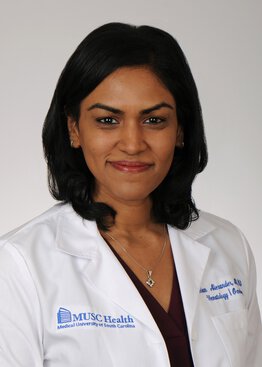
Mariam Alexander, M.D., Ph.D.
Dr. Mariam Alexander is a physician in the Hematology/Oncology division. Her clinical and research interests are in solid tumor biology, with a special focus on lung cancer and targeted therapies. Her mission is to improve access to state of the art, personalized care for cancer patients and support them through their challenging diagnoses.She earned her Ph.D. in molecular biology and genetics at the University of Toronto, Canada. Her training in hematology and oncology was done at the Montefiore Medical Center in NYC. Prior to that, she did her medical training at Saba University School of Medicine and completed her internal medicine residency at SUNY Upstate Medical University in Syracuse, NY.
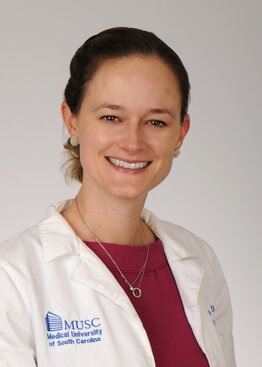
Charlotte Rivers, M.D.
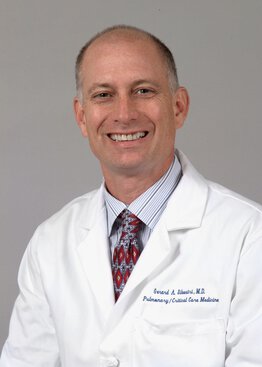
Gerard A. Silvestri, M.D., MS
I am a lung cancer pulmonologist with expertise in the evaluation, management, and improvement of outcomes of patients with lung cancer. I conduct patient-oriented clinical research studies that encompass nearly every aspect of lung cancer care, including lung cancer screening, disparities in cancer care, shared decision-making, and the evaluation and management of pulmonary nodules. I have a graduate degree in the evaluative clinical sciences, and I apply the health services research techniques I learned to many aspects of lung cancer care.

Istvan Takacs, M.D.
Residency: University of Linkoping, Karolinska Hospital
Fellowship: Functional Neurosurgery at University of Toronto and University of Arizona
Interests: Functional Neurosurgery
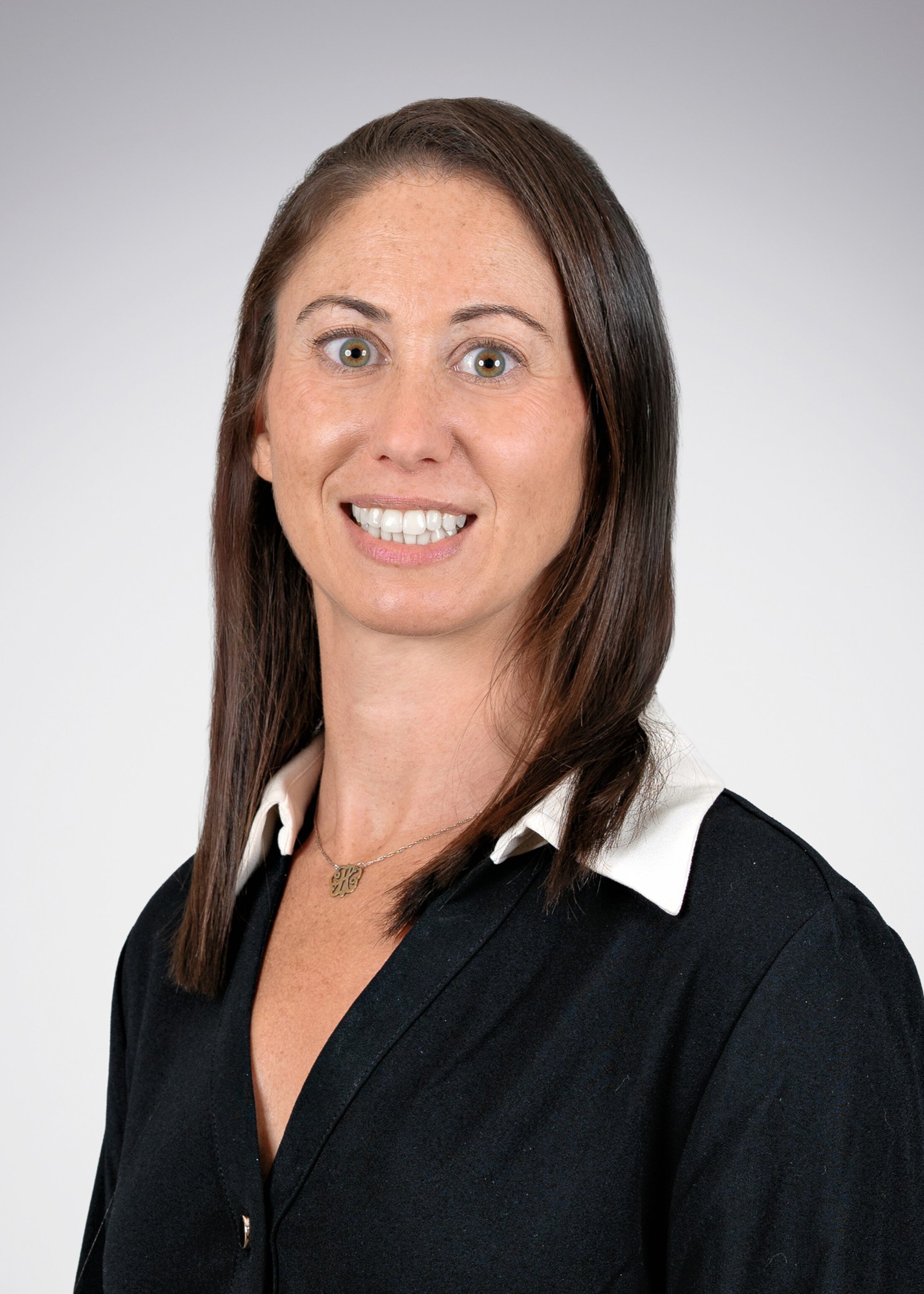
Hayley Kamin
Communications Manager
Hayley Kamin is the communications manager for the Hollings Cancer Center Communications and Marketing team, having joined the team in 2025 after three years as a communications specialist at the National Institutes of Health (NIH). As a science communicator with a Ph.D. from the University of Florida, she has extensive experience translating complex research into clear, engaging content. Her career has included roles at the NIH’s National Institute of Mental Health and the American Psychological Association, where she led content development and editorial strategy, developed science and health communications and worked with researchers and clinicians to strengthen public understanding of research.
Contact Hayley at kamin@musc.edu.