For children with an aggressive form of brain cancer, treatment options are limited, in part because scientists still do not know exactly how the disease begins. A new grant from the Rally Foundation for Childhood Cancer Research is giving an MUSC Hollings Cancer Center researcher the chance to find out – and use that knowledge to drive better treatments.
The award comes as Hollings continues to expand its focus on pediatric cancer research, building momentum in a field where new approaches are urgently needed.
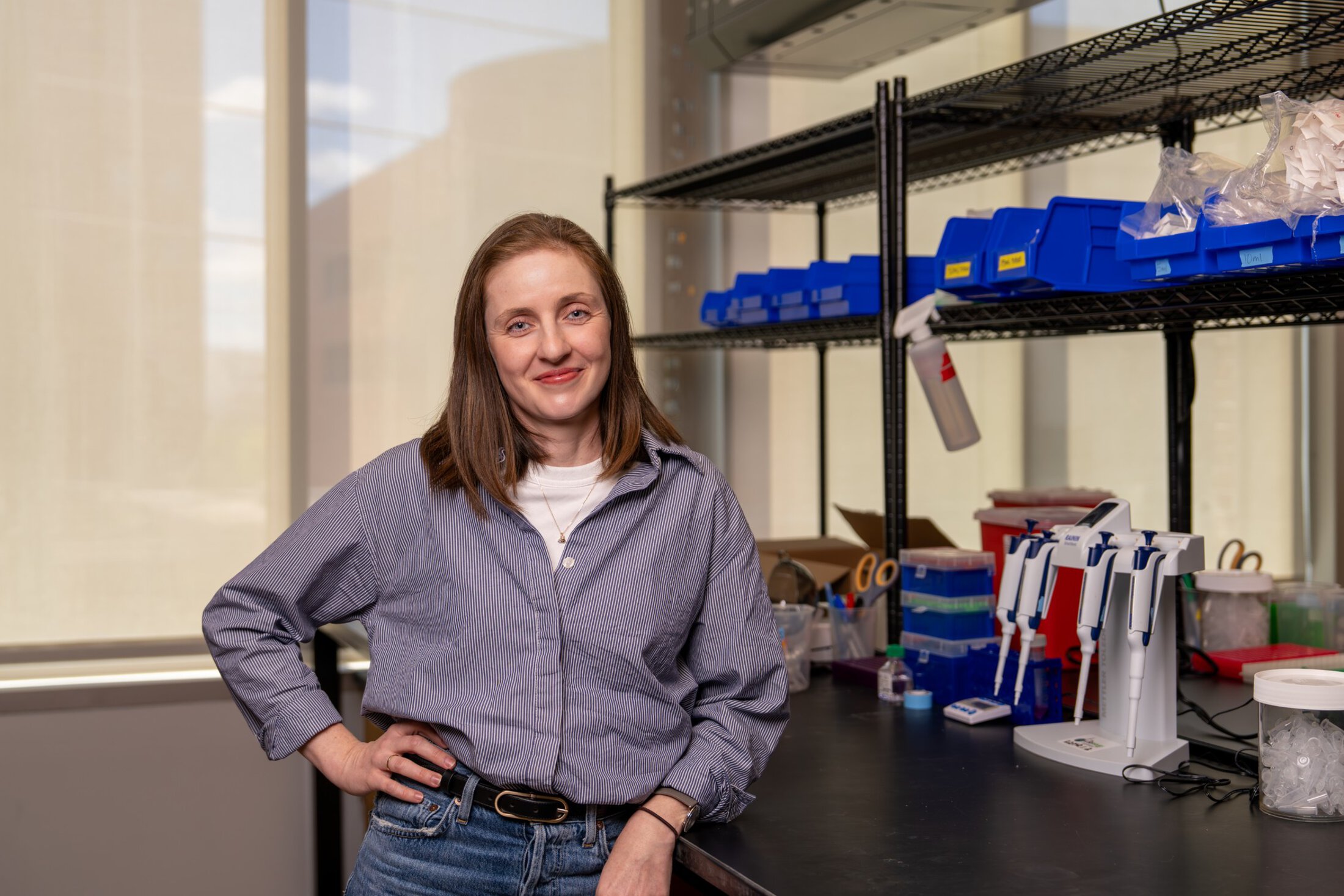
Christin Schmidt, Ph.D., who is also an affiliate of the Darby Children’s Research Institute at MUSC, is focusing her newly launched lab on medulloblastoma, the most common malignant brain tumor in children and on a particularly challenging subtype of the disease known as Group 4.
“We don’t know the origin of this cancer. We don’t have a good understanding of the genetics. And because of that, we don’t have good therapeutic options,” Schmidt said.
That gap is exactly what this $300,000 three-year grant is designed to address.
Building new models of medulloblastoma
Progress in studying this childhood cancer has been held back by a fundamental problem: Researchers do not have reliable ways to model Group 4 medulloblastoma.
There are no well-established cell lines or experimental systems that accurately mimic how the cancer forms and develops in the human brain. Without those tools, it is difficult to test hypotheses and even harder to identify new treatments.
Schmidt’s project aims to change that by developing two complementary model systems.
The first model involves creating a rare type of brain cell – called a unipolar brush cell – believed to be the likely cell of origin for this cancer. Found in the cerebellum, which controls movement and coordination, these cells have been largely overlooked in research.
“They’re very rare and not well-studied,” Schmidt said. “But tumor cells from cancer patients look a lot like them.”
By guiding neural stem cells to become unipolar brush cells and then introducing genetic changes seen in actual patients with Group 4 medulloblastoma, Schmidt aims to recreate the earliest steps of tumor formation in the lab.
The second approach is creating organoids – three-dimensional, miniaturized versions of human brain tissue. Considered “mini-hindbrains,” these organoids will contain many of the same cell types and structures found in the human cerebellum, allowing researchers to watch development unfold in real time and test why and when certain cells become vulnerable to cancer.
Together, these models would offer the first window into how Group 4 medulloblastoma forms.
Understanding where the cancer starts could have a far-reaching impact. If Schmidt’s team can pinpoint the cell of origin and the genetic drivers that transform those cells into cancer, it could fundamentally change how future researchers study and treat it.
“It would be a complete shift,” she explained. “We would finally have models to actually figure out better treatments for these kids.”
That urgency is clear. Group 4 medulloblastoma is one of the more aggressive subtypes, with survival rates around 60% to 70%. And for children who do survive, the consequences of treatment can be lifelong.
Current therapies rely heavily on chemotherapy and radiation – approaches adapted largely from adult cancers. In children whose brains are still developing, those treatments can lead to significant long-term effects, including cognitive and developmental challenges.
According to Schmidt, “Treating kids very early with these therapies is really not the best option – it’s just the only option we have right now.”
The long-term goal of her research is to move beyond that reality to develop targeted therapies that treat the cancer more precisely, with fewer lasting side effects.
The Rally Foundation funding will support early experiments and generate the preliminary data needed for larger grants. It also supports trainees, including a graduate student, to help to conduct the research.
Schmidt’s timeline is ambitious. In the first grant year, she plans to establish the organoids and early cell-based systems. In years two and three, the focus will shift to modeling the cancer itself, identifying genetic changes that drive it and beginning early drug screening.
By the end of the grant period, she hopes to share those models with the wider research community – creating tools that could accelerate discoveries far beyond her lab.
Building momentum in pediatric cancer research
At Hollings, Schmidt’s work is part of a growing effort to expand pediatric cancer research and build a stronger pipeline of discoveries aimed at improving care for children.
In recent years, MUSC has recruited several early-career investigators focused on childhood cancer, including Jezabel Rodriguez-Blanco, Ph.D., and Casey Langdon, Ph.D., whose labs have also been advanced by organizations like the Rally Foundation. Leaders say this growing cohort of researchers reflects a wider strategy to position Hollings as a hub for pediatric cancer research and accelerate progress in treating these diseases.
That momentum is evidenced by a strong mentorship network across MUSC. Schmidt credits her chair in the Department of Neuroscience, Christopher Cowan, Ph.D.; her mentor at Hollings, Denis Guttridge, Ph.D.; and Hollings director, Raymond DuBois, M.D., Ph.D., for their guidance and support as she builds out her research program.
Against that backdrop, Schmidt’s award marks a milestone as much as a funding source. It is the first grant supporting her newly launched lab and will help to drive its early direction.
“This is kind of the starting point for my lab,” she emphasized. “It’s what allows us to begin developing the models and generating the data we’ll need for everything that comes next.”
As advances in genomic sequencing and lab technologies continue to reshape pediatric cancer research, Schmidt sees this work as part of a broader wave of progress – one that could lead to more precise treatments and better outcomes for children and their families. Because her research bridges cancer biology and developmental neuroscience, it may also offer new insights into brain development and other cerebellar disorders in children.
“I’m very optimistic,” she said, “that in the next few years, we can get to a place where we have these models and can use them to quickly develop targeted therapies for a range of diseases.”
Featured in this story
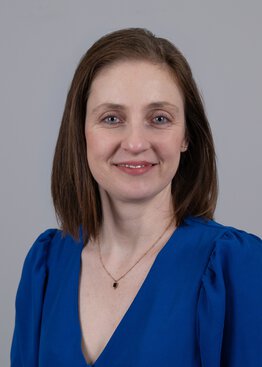
Christin Schmidt, Ph.D.
My overall research focuses on studying the origin of childhood brain cancers during the early development of the brain, identifying the abnormal genetic changes leading to those cancers and thereby uncovering therapeutic opportunities.
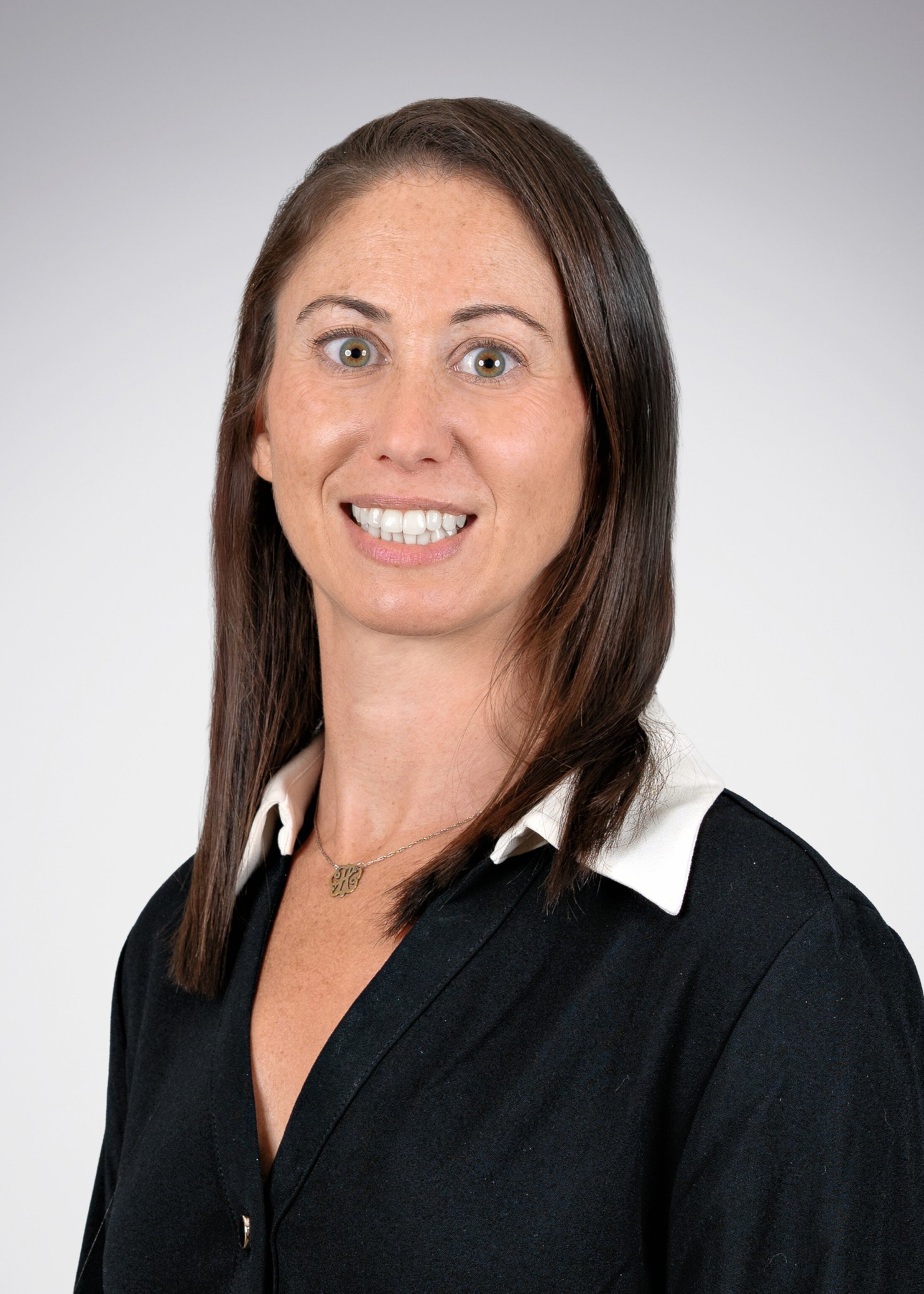
Hayley Kamin
Communications Manager
Hayley Kamin is the communications manager for the Hollings Cancer Center Communications and Marketing team, having joined the team in 2025 after three years as a communications specialist at the National Institutes of Health (NIH). As a science communicator with a Ph.D. from the University of Florida, she has extensive experience translating complex research into clear, engaging content. Her career has included roles at the NIH’s National Institute of Mental Health and the American Psychological Association, where she led content development and editorial strategy, developed science and health communications and worked with researchers and clinicians to strengthen public understanding of research.
Contact Hayley at kamin@musc.edu.
Recent Cancer Research stories