Cancer treatment is hard enough. Getting there shouldn’t be.
Yet for many patients, transportation is one of their biggest obstacles. Daily appointments, side effects that make driving difficult, limited family support and high transportation costs can make getting to treatment challenging or even impossible. And when patients miss appointments, critical treatments can be delayed or disrupted.
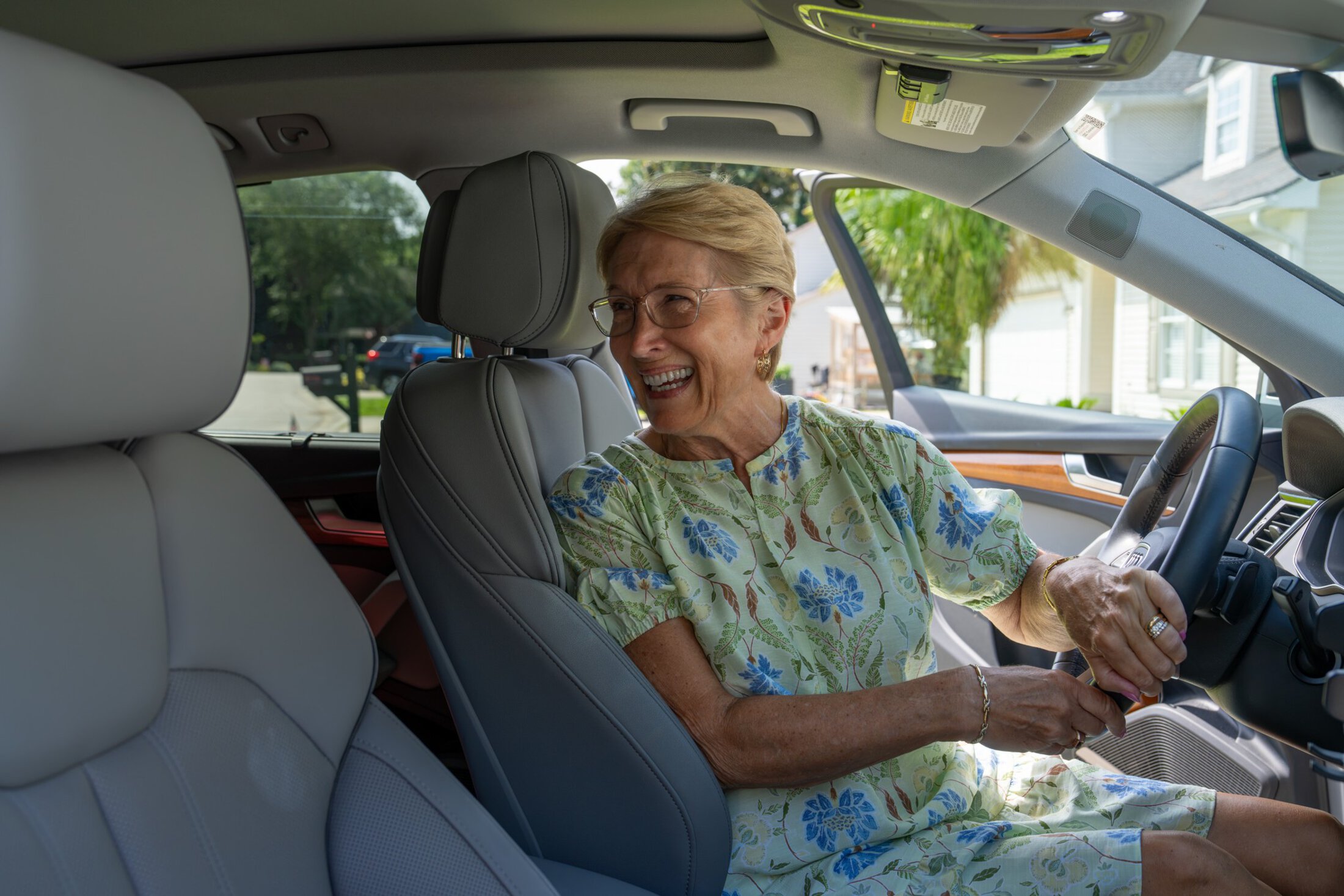
On any given week, volunteer driver Ginny Maglio may spend hours behind the wheel, picking up cancer patients and bringing them to MUSC Hollings Cancer Center for treatment. Whether the patient lives next door or across town, her goal is to make sure they get the care they need.
As a volunteer driver with the American Cancer Society (ACS) Road To Recovery program, Maglio provides rides to and from cancer-related medical appointments at Hollings and other cancer centers in the Charleston area at no cost to patients. The nationwide program works to prevent transportation barriers from standing in the way of lifesaving care.
Removing roadblocks to care
For patients receiving daily radiation or frequent chemotherapy, reliable transportation is essential. Missing appointments can interrupt carefully planned treatment schedules, making it harder for patients to achieve the best possible outcomes.
“Transportation is one of the biggest barriers to patients finishing cancer treatment,” said Becky Eaddy, associate director for Access to Care Solutions Delivery at ACS. “We believe that if a patient can’t get a ride, that shouldn’t mean they can’t get the care they need.”
To prevent transportation challenges from hindering cancer care, ACS launched Road To Recovery in the 1980s as a “neighbor helping neighbor” program. Decades later, that same spirit of community continues to fuel the program.
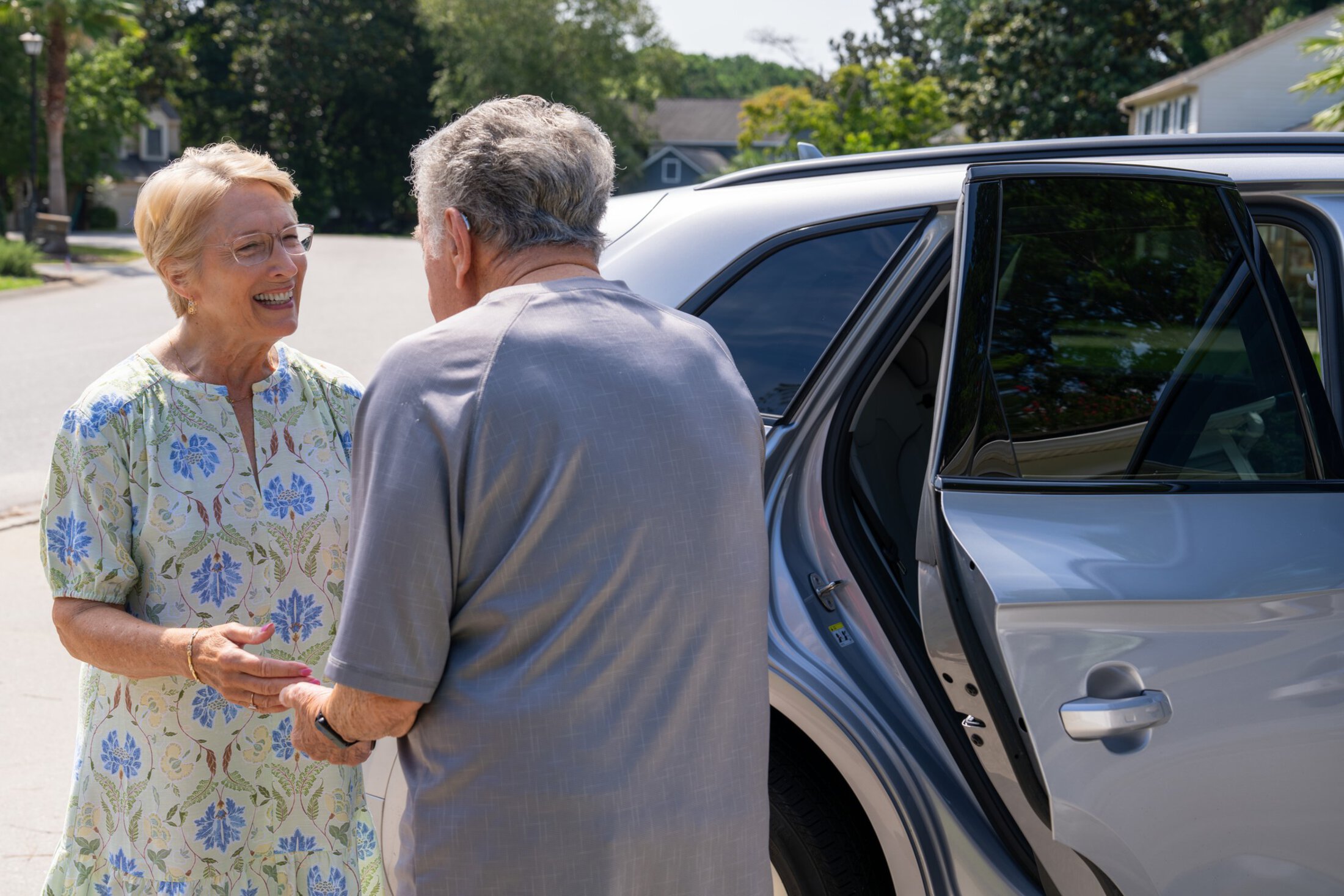
Volunteer drivers donate things often taken for granted: their vehicles, fuel and time. Before getting behind the wheel, every driver completes training, background checks and driving record reviews to ensure that patients can travel safely. Volunteers also have access to a dedicated support line for assistance while driving.
Patients or their social workers request rides through an online platform, while volunteers log in to accept trips that fit their schedules. Many drivers choose to transport the same patients, providing a familiar face during an otherwise stressful time.
That network of volunteers serves patients across the country, including in South Carolina. In 2025 alone, Road To Recovery volunteers provided more than 2,000 rides to 150 cancer patients statewide, many of whom received care at Hollings.
The need, however, continues to outpace the number of drivers. Only about 53% of requests in South Carolina were filled last year, leaving many patients without transportation.
“The biggest thing we need right now is volunteer drivers so we can help more patients,” Eaddy said. “We want that number to be as close to 100% as possible.”
Going the extra mile
For Maglio, that mission is deeply personal.
Years before volunteering, she cared for her sister with terminal cancer, driving her to appointments. After moving to Charleston, Maglio came across an article on Road To Recovery and immediately recognized an opportunity to help families that were facing similar challenges.
“When I read the article, I said, ‘I can do that,’” Maglio recalled. “I know how essential getting to treatment is to recovery, and I knew I could help people.”
A decade later, she is still doing that.
Since joining the program, Maglio has logged countless miles driving patients to appointments across the Charleston area. Every ride lets patients focus on treatment without worrying about how they will get there.
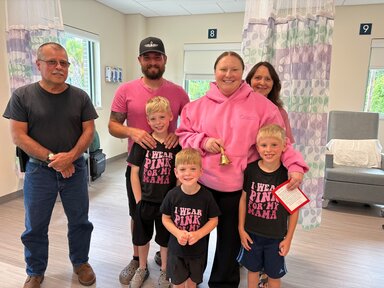
One of the patients she has come to know best is Fred Haynia, whom she has driven to appointments for several years. His wife now accompanies him to many visits, and Maglio continues to provide his rides whenever she can.
I know how essential getting to treatment is to recovery, and I knew I could help people.
For Maglio, relationships like the one she has built with the Haynias are among the most rewarding parts of volunteering. During rides, they rarely talk about cancer. Instead, they discuss family, current events, recipes and whatever else comes to mind. Maglio tries to make her passengers laugh and provide a small moment of normalcy.
Those relationships leave a lasting impression. Patients frequently express their gratitude through handwritten notes, flowers or homemade treats.
“Everyone says they love it. They love the flexibility. They say that the patients are just so grateful. They love the fact that they’re giving back,” Eaddy said of drivers.
Road To Recovery is one of many ways ACS works to improve access to cancer care. The organization also provides free accommodation through Hope Lodge communities for eligible patients traveling for treatment and operates a 24/7 cancer information helpline that connects patients and caregivers with information and support.
Eaddy said partnerships with cancer centers like Hollings are essential to making patients aware of those services.
“We’re so happy to partner with the Medical University of South Carolina to help more cancer patients in South Carolina,” she said.
Road To Recovery is available in many communities in the state, but volunteer shortages mean not every transportation request can be filled. ACS is actively recruiting additional drivers to meet the growing need.
“Jump on board,” said Eaddy. “It’s great. You might get more out of it than the patients do.”
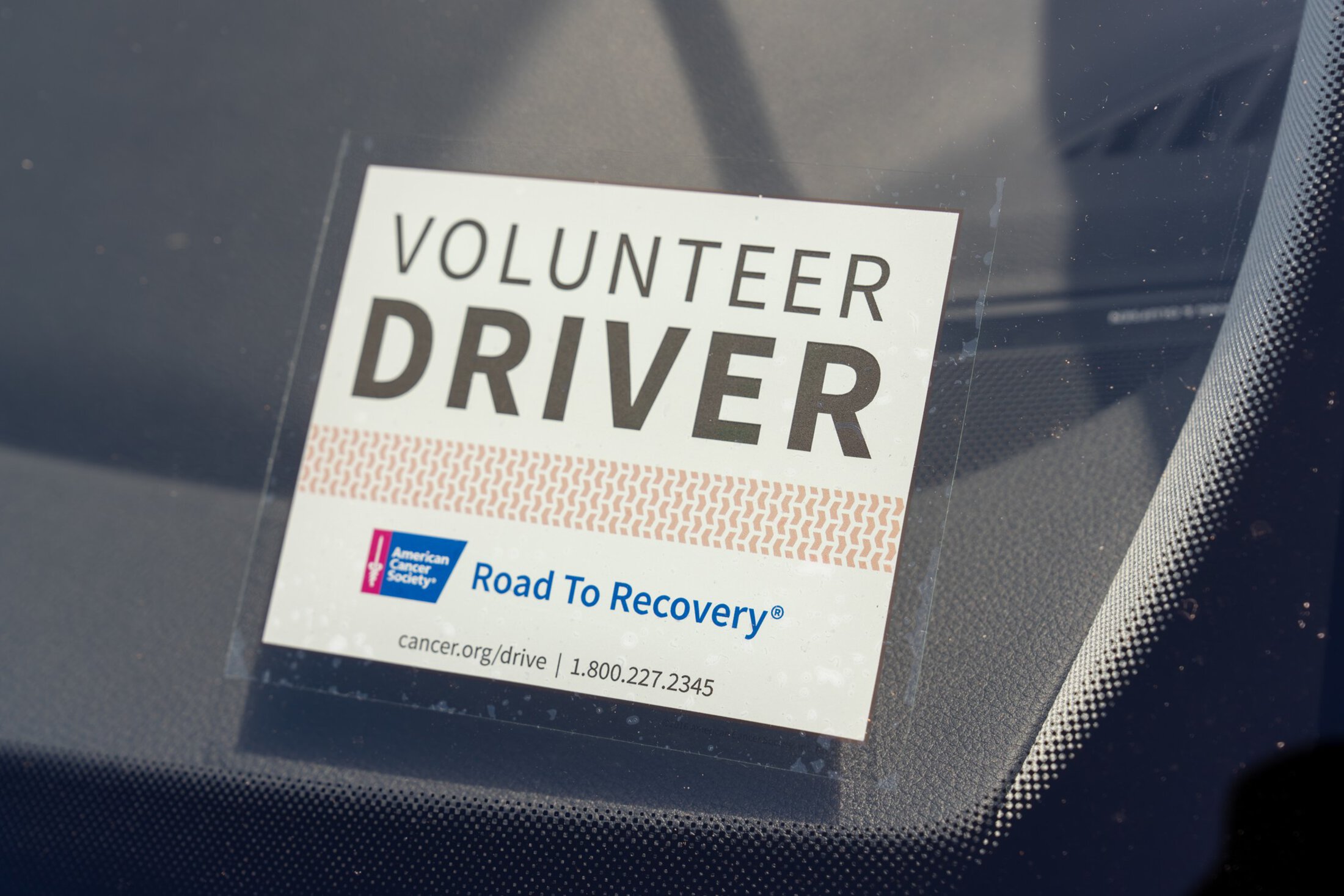
Need a ride or want to volunteer?
Cancer patients who need transportation to treatment appointments can call the American Cancer Society at 800-227-2345 to learn more about the program. Rides are subject to availability and must be booked in advance.
Individuals interested in becoming a Road To Recovery volunteer driver can learn more at https://www.cancer.org/drive.
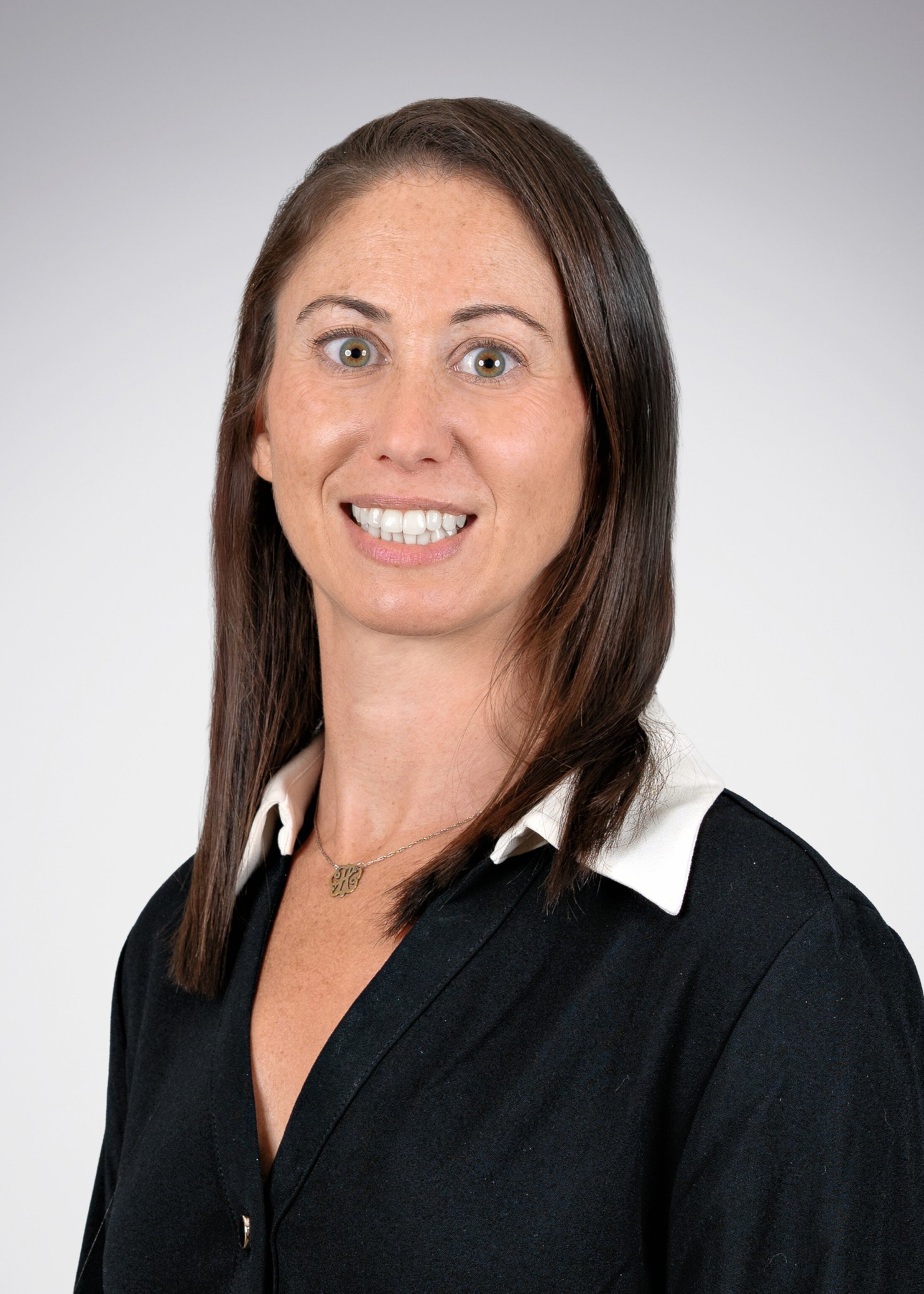
Hayley Kamin
Communications Manager
Hayley Kamin is the communications manager for the Hollings Cancer Center Communications and Marketing team, having joined the team in 2025 after three years as a communications specialist at the National Institutes of Health (NIH). As a science communicator with a Ph.D. from the University of Florida, she has extensive experience translating complex research into clear, engaging content. Her career has included roles at the NIH’s National Institute of Mental Health and the American Psychological Association, where she led content development and editorial strategy, developed science and health communications and worked with researchers and clinicians to strengthen public understanding of research.
Contact Hayley at kamin@musc.edu.
Recent Cancer Care stories