Thunderous applause at this year’s American Society for Clinical Oncology (ASCO) meeting in May – hardly the typical reaction at a medical conference – greeted the announcement of results of a phase III clinical trial for a new drug to treat metastatic pancreatic cancer.
Doctors and patients alike have been anxious to get their hands on the drug, daraxonrasib. Throughout the summer, it was available only under the Expanded Access Program (EAP), which allows patients with life-threatening illnesses who are unable to participate in clinical trials to receive treatments that are still considered investigational.
As of Aug. 26, however, the drug has received Food and Drug Administration (FDA) approval.
“This drug showed unprecedented results in an area of high unmet need,” said Angelo de Claro, M.D., director of the FDA’s Oncology Center of Excellence, in a press release.
For patients like Nancy, the new drug means hope for more time with their families. More time for, borrowing the words of a friend, appreciating the “holiness of the ordinary” – picking up the grandkids after school, spotting herons on a walk along the dock in the evenings, discussing the latest read in book club or grabbing coffee at a favorite local spot.
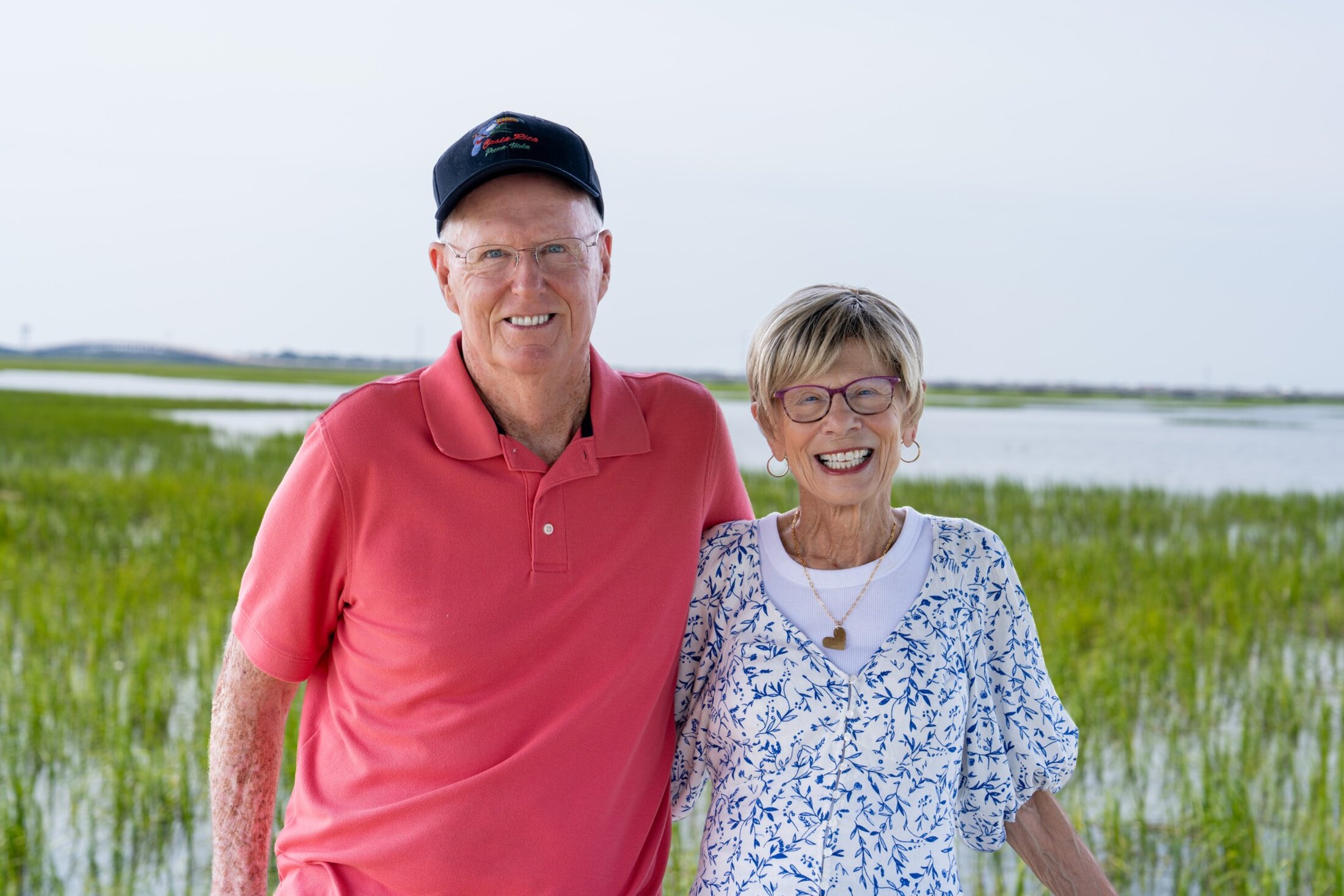
It’s something that she and Rick, her husband, have been waiting months for.
“We are looking to stop the progression of the illness, and we are thrilled that MUSC is giving us the opportunity to have more time together,” Rick said.
Craig Lockhart, M.D., associate director for clinical science at MUSC Hollings Cancer Center and Nancy’s oncologist, is thrilled as well.
“Pancreatic cancer, to my knowledge, has never had a day like that of the ASCO presentation where something’s come along that has the potential to have such meaningful improvements for patients,” he said. “There was a standing ovation. People were crying. It was pretty cool being there in the room to hear the presentation and then to see the response.”
A new option for metastatic pancreatic cancer
Pancreatic cancer is one of the more difficult cancers to treat. Most cases are diagnosed only after the cancer has already spread.
And KRAS, the gene that is mutated in nearly all cases of pancreatic cancer, was long considered “undruggable.” That was because the KRAS protein doesn’t offer any footholds for drugs to grab onto.
The researchers behind daraxonrasib took a different approach, Lockhart said. Instead of targeting KRAS itself, they focused on a chaperone protein that accompanies KRAS.
“They targeted that protein to form this sort of big sticking molecule that has the drug, the chaperone protein and KRAS all bound together in one big glob,” he said. “And that glob can’t signal down the KRAS pathway.”
The results presented at ASCO showed that daraxonrasib almost doubled survival time for patients. Survival time still isn’t comparable to other cancers, but it’s a start. In the trial, the median survival time for patients on daraxonrasib was 13.2 months compared with 6.7 months for those on chemotherapy. “Median survival time” measures the point at which half the people in the group have died.
Pancreatic cancer, to my knowledge, has never had a day like that of the ASCO presentation where something’s come along that has the potential to have such meaningful improvements for patients.
Another key feature of daraxonrasib – patients had fewer side effects than patients on chemotherapy.
Lockhart pointed out that this is just the beginning for how this drug could be used. The clinical trial tested the drug in people with metastatic pancreatic ductal adenocarcinoma who had already received another treatment. But there is potential for using the drug earlier in the course of treatment or in combination with other therapies.
“Can you give it to patients before surgery to reduce the size of the tumor to make surgery more feasible? Can you give it to them after surgery to reduce the chance of the cancer coming back? As a clinical trialist, I can think of about five or six different ways that they could use this to potentially really, really impact the way we take care of patients with pancreatic cancer,” he said.
A search for answers
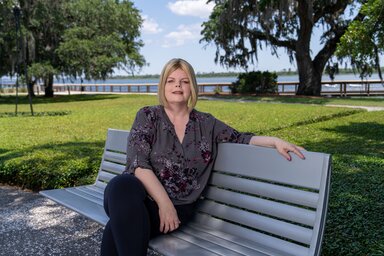
For Nancy, the news of her diagnosis last December – just two days after Christmas – was a particularly nasty shock. She had survived two bouts of breast cancer 20 years ago and had even had her ovaries removed as a precaution against additional cancers. When she started experiencing acid reflux recently, cancer wasn’t on her mind.
“For all these years, I’ve been getting checkups, bloodwork, and everything was A-OK. So the reason I’m saying that was this was a total shock is because we felt like I had gotten through the cancer, and I was safe. I’ve been taking care of myself, getting regular check-ups – and then this happened,” she said.
Her family – Rick, their two sons and their daughter-in-law – immediately rallied around her, holding a family meeting that included a physician friend and a friend who’s an eight-year survivor of pancreatic cancer.
“It was a shock. It was upsetting. And we all were emotional,” Nancy said. “But from that point, I said, ‘I’m not ready to go. I’m fighting this.’”
She looks to the example of three people she knows who have lived with pancreatic cancer far beyond the statistical averages as inspiration. And she and her family immediately began reading everything they could about the latest treatments. She visited two other National Cancer Institute-designated cancer centers, MD Anderson and Duke Cancer Institute, and everything they heard was about daraxonrasib, which she jokingly calls “the d-drug" to get around trying to pronounce it.
The issue was being able to get the drug. She couldn’t get into any clinical trials, so in the meantime, she was on other treatments. But one of her sons asked around and heard about Lockhart at Hollings, South Carolina’s only National Cancer Institute-designated cancer center. They decided to try to get Lockhart to take her as a patient.
“The three of us – my husband, myself and my oldest son – went to see Dr. Lockhart to get an opinion. This is funny because he said, ‘So you’re asking me to adopt you?’ And I said, ‘Please adopt me!’ He has a great sense of humor. And he agreed, ‘Yep, I’m going to adopt you.’”
Since then, Nancy has been on other treatments while waiting first for the EAP and then the official FDA approval.

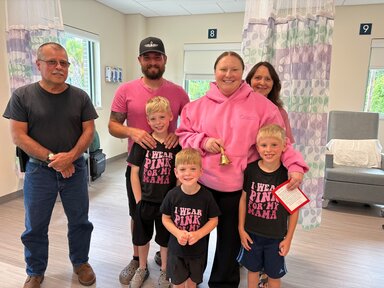
In August, she headed to the clinic for her regular appointment and finally got the news she’d been waiting for.
Nancy started the story: "His nurse navigator, Jenn, came in and said, ‘We have some good news for you.’ We just looked at each other and we whispered to each other, ‘Yes!’”
“What a great surprise!” Rick added.
“We’re cheering each other on the side. Here I am, with a CAT scan that’s plateauing, and I need to make a change. So I gave Dr. Lockhart a big hug. Rick gives him a high five. And he said, ‘You and I are doing this together.’ And I said, ‘I am all in. This is what I’ve been waiting for,’” Nancy said.
She is not alone. In the first week after Hollings was approved for the EAP, 10 patients signed up for the drug. It’s a pill that they’ll take every day.
Nancy and Rick are aware that the drug offers the possibility of extending her life expectancy.
For Rick, that is enough. There is nothing quite like the “special horror” of facing the possibility of losing one’s life partner of 49 years, he said. And he marvels at the years of research, coordination and meticulous oversight that have led to this point.
As for Nancy, she intends to continue living her life. She will be a part of all her family celebrations. She’ll be with her grandchildren at Charleston Fun Park, lunching with her friends, exercising daily and attending church on Sundays. She has a strong faith, she said. That faith, along with her family, friends and medical care, have gotten her to where she is today – feeling great.
“I plan on living a long, active and fulfilling life,” she said. “This new drug will help me to achieve this goal.”
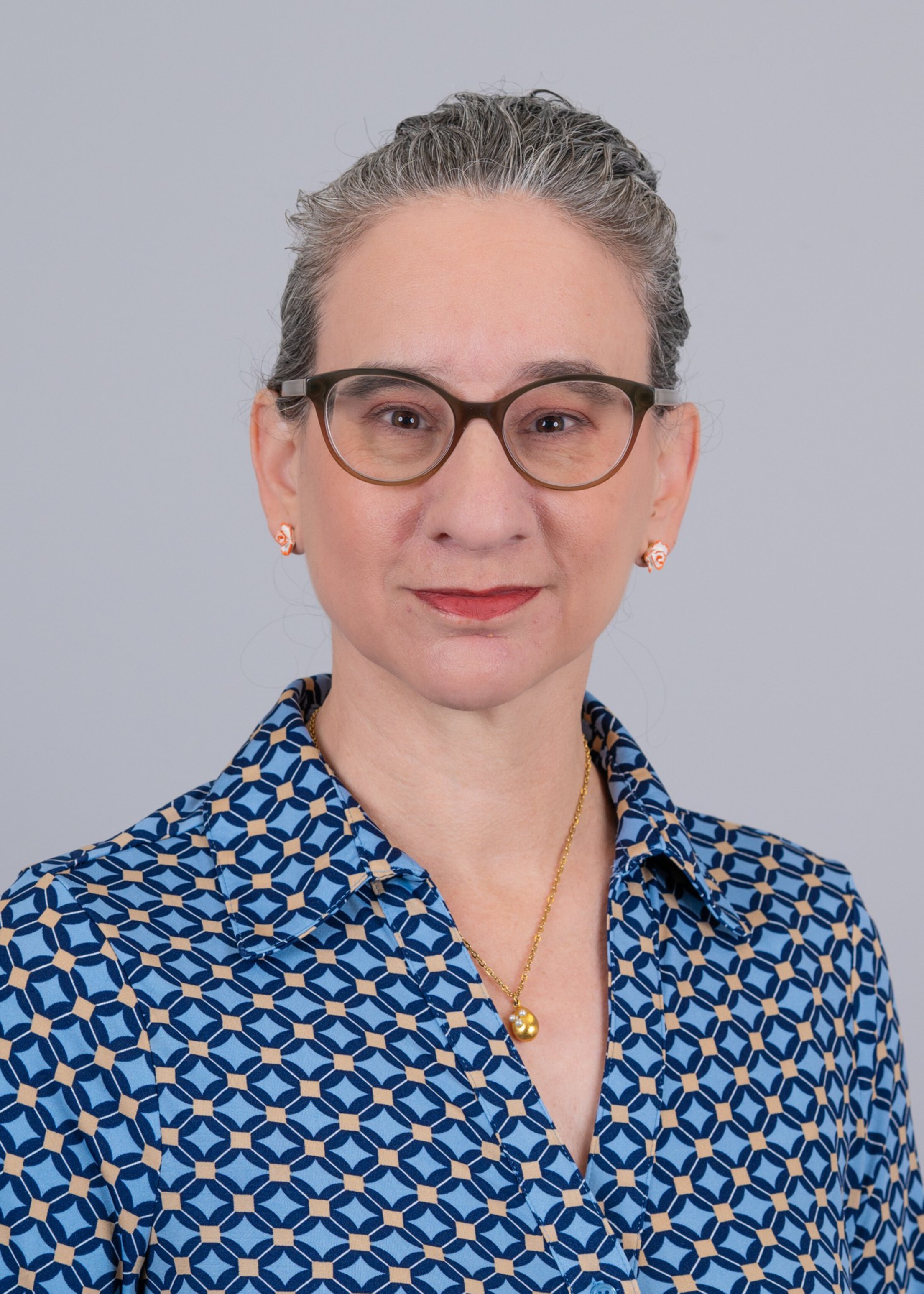
Leslie Cantu
Senior Communications Manager
Leslie Cantu is the senior communications manager at MUSC Hollings Cancer Center, where she works with researchers, clinicians and patients to tell the people of South Carolina about the innovative work being done to improve cancer care for everyone in the state. She joined the MUSC Office of Communications and Marketing in 2018 after a career as an award-winning writer, editor and producer at community newspapers and local TV news. She transferred to the communications office at Hollings in 2022, where she happily finds something new and interesting to write about every day. Her favorite stories to cover at MUSC have included Match Day, the Angel Tree Parade, a clinical trial of CAR-T cell therapy and the many patients who have agreed to share their very personal struggles and triumphs.
Contact Leslie at cantul@musc.edu.
Recent Cancer Patient Journeys stories