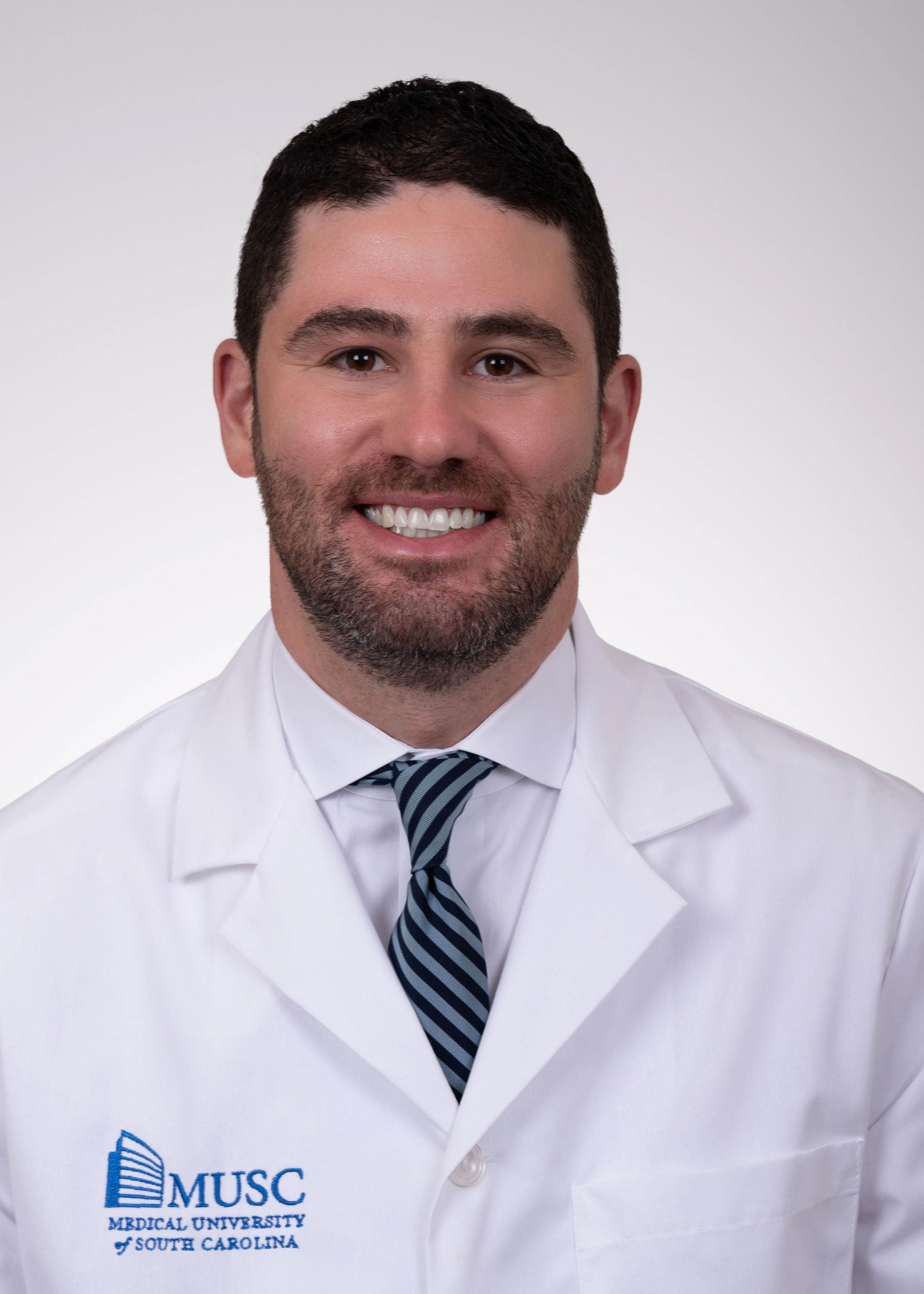
Eric Wallen, M.D., FACS
Specialties
- Urology
- Bladder Cancer
- Kidney Cancer
- Prostate Cancer
- Testicular Cancer
Locations (3)
- Bluffton, SC
- Charleston, SC
- Mount Pleasant, SC


Bladder cancer is a common cancer of the urinary system. When found early, it is highly treatable. But some bladder cancers can return after treatment, so ongoing monitoring is important. Early diagnosis and specialized care are key to better long-term outcomes.
At MUSC Hollings Cancer Center, you’ll be cared for by a multidisciplinary team of urologic, medical and radiation oncologists, radiologists, pathologists, genetic counselors and nurse navigators. This team works together to support you through diagnosis, treatment and recovery.

MUSC Hollings Cancer Center has been nationally recognized by U.S. News & World Report as High Performing for Cancer Care as well as ranked as the No. 1 hospital in South Carolina for Cancer Care 2026–2027, affirming our excellence in preventing, diagnosing, treating, and supporting patients with cancer. As the only National Cancer Institute (NCI)-designated cancer center in South Carolina, Hollings blends cutting-edge research, multidisciplinary clinical expertise and advanced treatments to deliver outcomes that stand out on a national scale.
Bladder cancer develops when abnormal cells grow in the lining of the bladder, the organ that stores urine. The most common type is urothelial carcinoma, also known as transitional cell carcinoma, which starts in the cells lining the inside of the bladder.
Bladder cancer can behave differently from person to person. Some tumors stay in the bladder’s inner lining, while others can grow into the muscle wall or spread to other parts of the body if not treated.
Blood in urine is often the first noticeable sign of bladder cancer and should be checked by a healthcare provider.
Other symptoms can include:
If you experience ongoing symptoms, it is important to talk with a healthcare provider.
Treatment for bladder cancer depends on several factors, including the cancer’s stage, grade, location and whether it has spread, as well as your overall health. Your care team will work with you to develop a personalized treatment plan that reflects your needs and goals.
Because every patient's cancer is different, having access to a multidisciplinary team and a full range of treatment options is important. Our specialists work together to recommend the approach that offers the best possible outcome while considering your quality of life, recovery and long-term health. The goal is to provide care that is tailored to you.
Doctors use a combination of tests to diagnose bladder cancer and determine how advanced the disease is, including how far the cancer has grown or spread. This information helps your care team recommend the most effective treatment plan.
Once bladder cancer is diagnosed, doctors determine its stage and grade. Understanding the stage and grade of your cancer helps your care team recommend the most effective treatment plan.
Understanding the cancer’s stage and grade helps your care team to choose the most effective treatment plan. Once staging is complete, our specialists work together to recommend the treatment approach that is right for you.
Early-stage bladder cancer that has not spread is usually treated with a procedure called transurethral resection of bladder tumor, or TURBT.
With TURBT, the doctor carefully threads a cystoscope – a long, thin tube with a camera – through the urethra into the bladder. This allows the doctor to see inside the bladder and view the tumor. The doctor then uses special instruments to remove the tumor.
After TURBT, patients might need intravesical therapy. This is chemotherapy or immunotherapy that’s delivered directly to the bladder instead of through an IV into the bloodstream.
Your care team will closely monitor your response to treatment to ensure that the cancer has not returned or progressed. Because bladder cancer can recur, ongoing surveillance is an important part of care.
Muscle-invasive bladder cancer is often treated with a combination of therapies. After staging is complete, patients meet with our multidisciplinary bladder cancer team to discuss the treatment options that are best suited to their diagnosis and goals.
Treatment may include chemotherapy or immunotherapy followed by surgery to remove the bladder or radiation therapy. These treatments may be given before, during or after your primary treatment to improve the chances of eliminating the cancer.
For some people with muscle-invasive bladder cancer, it may be possible to treat the cancer without removing the bladder. This approach, called bladder preservation, combines carefully selected therapies to treat the cancer while preserving bladder function. Determining whether bladder preservation is a safe and effective option requires a thorough evaluation of your cancer and overall health.
The goal is always to choose the treatment plan that offers the best chance of curing the cancer while preserving quality of life whenever possible.
Clinical trials are how we know which treatments work; results from clinical trials determine what becomes the standard of care across cancer centers. As a National Cancer Institute-designated cancer center, Hollings takes an active part in clinical trials to continue advancing knowledge of cancer care.
There are different types of clinical trials. Some test a new medication. Some look at whether the order of treatments (surgery, chemotherapy, radiation) makes a difference. Others look at ways to improve quality of life. Your doctor may suggest a clinical trial that you could benefit from.
Because therapies in clinical trials have the potential to become the standard of care in the future, you could have earlier access to a new treatment. You will also be helping future cancer patients, who will benefit from the information learned during the trial. In some clinical trials, you will receive at least the standard of care, and possibly something extra, while in others, you will receive a new drug that is being tested in your type of cancer. Your doctor and the research team will help to guide you.
Our clinical trials page includes more information as well as some questions to ask if you are considering a trial. You can also review our current bladder cancer clinical trials.
Call 843-792-9300 to make an appointment with one of our bladder cancer specialists.





Several factors can increase the risk of bladder cancer, including:
Even with these risk factors, many people will not develop bladder cancer. Recognizing the symptoms and understanding your risk can help guide conversations with a healthcare provider.
Have more questions about bladder cancer? Check out our answers to common questions.
There is no sure way to prevent bladder cancer, but you can lower your risk by:
No. Blood in urine can have many causes, including infection or kidney stones. However, it should always be checked by a healthcare provider.
There is no guaranteed way to prevent bladder cancer, but you can lower your risk by not smoking, avoiding harmful chemicals, drinking plenty of fluids and seeing a doctor for persistent urinary symptoms.
Most bladder cancers are not inherited. However, having a family history of bladder cancer may increase your risk. Some inherited genetic conditions can also raise cancer risk. Your doctor may recommend genetic counseling if there is a strong history of cancer in your family.
Some bladder cancers have a high chance of returning. Your care team will recommend regular follow-up to monitor for return of the disease.
Not everyone with bladder cancer needs their bladder removed. Early-stage cancers can often be treated without removing the bladder. For more advanced cancers, bladder removal may be recommended, but bladder-sparing approaches are an option for some patients. Your doctor will discuss the best approach based on your cancer stage and overall health.
Intravesical therapies deliver medications directly into the bladder through a catheter. This can include chemotherapy or immunotherapy, and it is often used for early-stage bladder cancer.
Some bladder cancer treatments can affect sexual function or fertility in both men and women, especially surgery or certain chemotherapies. If this is a concern, talk with your doctor before treatment. Options such as fertility preservation or supportive therapies may be available.
Yes. Although bladder cancer is more common in men, thousands of women are diagnosed each year. Women often face delays in diagnosis because early symptoms can resemble more common conditions, such as urinary tract infections (UTIs) or an overactive bladder.
Symptoms such as frequent urination, a sudden urge to urinate, painful urination or blood in urine can occur with both bladder cancer and UTIs. Women who experience persistent symptoms or recurrent UTIs that do not improve with treatment should talk with their healthcare provider about further evaluation.