In honor of National Cancer Prevention Month, experts at MUSC Hollings Cancer Center are sharing evidence-based tips to help people lower their cancer risk and stay healthy longer.
While different cancers can have unique risk factors, prevention starts with adopting healthy habits and staying up to date on screenings and vaccines. Here are some key prevention tips to help to reduce your risk.
Follow recommended cancer screening guidelines
Screening tests save lives because they find cancer early, when it is easier to treat. Hollings offers cancer screening guidelines for breast, cervical, colorectal, lung, oral, prostate and skin cancers. These guidelines are mostly geared toward people at average risk; people should speak with their doctors to understand whether anything in their personal health history warrants a different screening schedule.
- Breast cancer: Mammograms every year starting at age 40 for women at average risk. At MUSC Health, patients have multiple locations to choose from to schedule their annual mammograms.
- Cervical cancer: Pap smears every three to five years for women ages 21 to 29, and Pap smears and HPV tests every five years for women ages 30 to 65.
- Colorectal cancer: Stool-based tests every year or colonoscopies every 10 years starting at age 45 for men and women at average risk.
- Lung cancer: Low-dose CT scans every year for men and women ages 50 to 80 who currently smoke or who quit smoking in the last 15 years and have a 20-pack-per-year smoking history (one pack a day for 20 years, two packs a day for 10 years, etc.).
- Oral cancer: Oral exams every year by a dentist or an ear, nose and throat (ENT) provider for men and women of all ages.
- Prostate cancer: PSA tests or rectal exams every year starting at age 50 for men at average risk and at age 40 for Black men or those with a family history.
- Skin cancer: Skin checks every year for men and women of all ages.
The Hollings Mobile Health Unit brings cancer screening and education services directly to South Carolina communities, including breast and cervical cancer screenings.
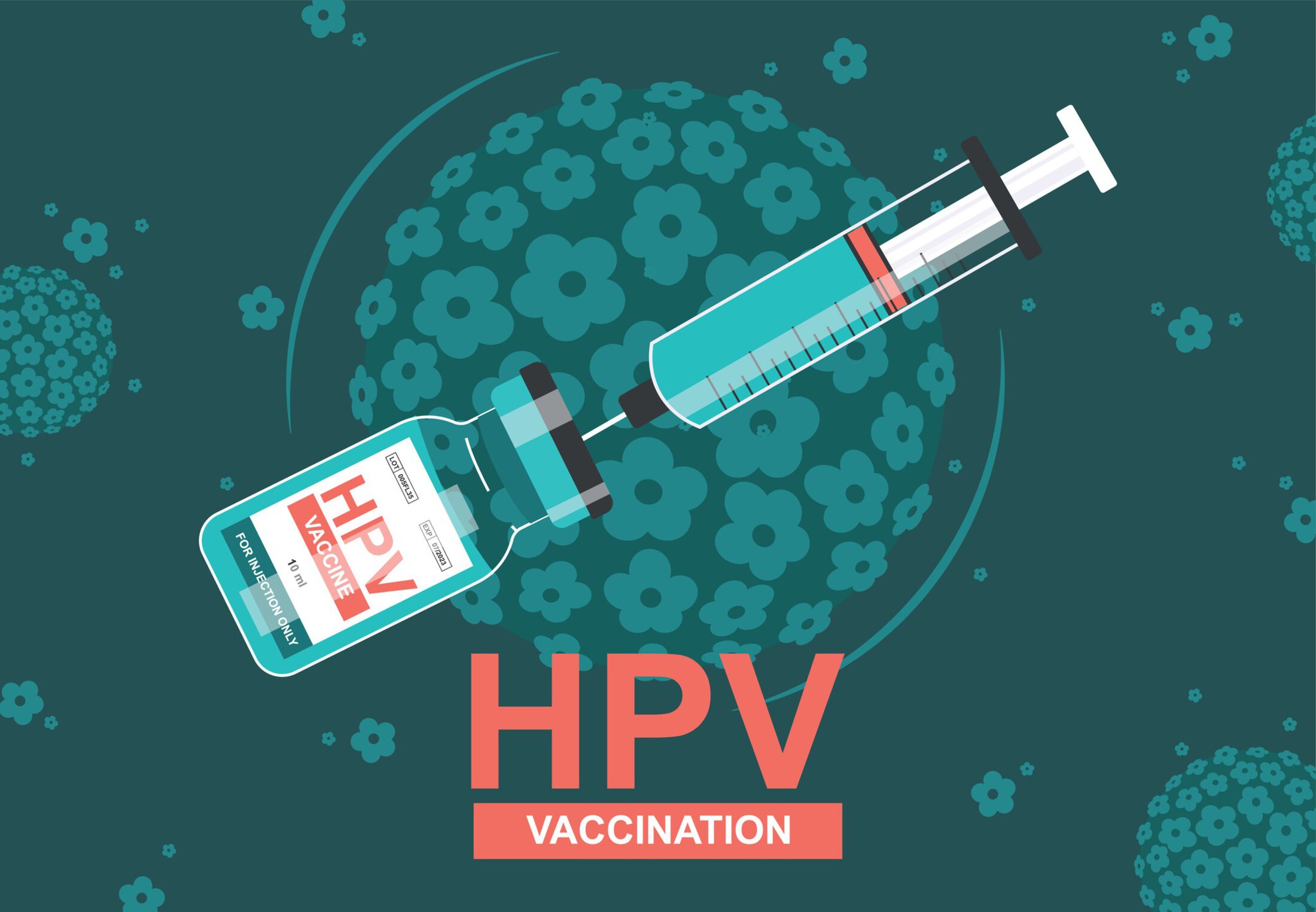
Get vaccinated against HPV
The human papillomavirus (HPV) causes several cancers, including cervical, anal and head and neck cancers.
“Part of my job is taking care of patients with throat cancer,” said Alexandra Kejner, M.D., a head and neck cancer surgeon at Hollings. “It can be a devastating disease – and HPV causes a majority of these tumors.”
Vaccination is one of the most powerful tools in cancer prevention. Research shows that the HPV vaccine can prevent about 90% of cancers caused by the virus.
“We know that the HPV vaccine can prevent certain types of cancer, including throat and cervical cancers,” Kejner said. “There aren’t a lot of things that we know for a fact can prevent cancer. And there’s really good data to show that the vaccine does – and that’s life-changing.”
The vaccine is recommended for boys and girls ages 11 and 12 as part of routine adolescent immunizations. Men and women can also be vaccinated up to age 45 if they have not already received the HPV vaccine.
To improve access, Hollings operates an HPV Mobile Vaccination Unit that travels across South Carolina to provide vaccines and cancer prevention education.
“At the end of the day, what we want to do is make it so fewer people have to go through this daunting disease,” Kejner emphasized.

Maintain a healthy weight, eat a balanced diet and stay physically active
Lifestyle choices play a major role in cancer prevention. Eating a balanced diet and staying physically active are among the most effective ways to lower your risk.
A balanced diet includes eating fruits, vegetables, lean proteins and whole grains and limiting high-fat and processed foods. These behaviors can help to maintain a healthy weight, which lowers the risk of many cancers.
At MUSC Nutrition Services, you can find more information on eating healthy and locate nutrition services near you.
Stop smoking, vaping and using tobacco products
If there is one step that can dramatically reduce your cancer risk, it is avoiding cigarettes and other tobacco products.
According to Benjamin Toll, Ph.D., director of the Hollings Tobacco Treatment Program, “Smoking is one of the biggest drivers of cancer and other serious diseases, contributing to a major share of cancer diagnoses and deaths.”
Research shows that smoking causes cancer almost everywhere in the body and is responsible for about one in three cancer deaths in the U.S. Quitting smoking or vaping lowers the risk for at least 12 different cancers and may improve survival for people already diagnosed with cancer.
Smoking is one of the biggest drivers of cancer and other serious diseases, contributing to a major share of cancer diagnoses and deaths.
“Because smoking contributes so much to the cancer burden, reducing tobacco use could have a major impact on cancer prevention and public health more broadly,” Toll noted.
Hollings offers comprehensive smoking cessation services through its Tobacco Treatment program. The program combines counseling and medication and is supported by a team of clinicians, pharmacists, staff and researchers dedicated to helping people to quit.
Limit alcohol consumption
If you drink alcohol, do so in moderation. Alcohol use increases the risk of developing at least seven types of cancer, including mouth, throat, esophageal, breast, liver, colon and rectal.
The more alcohol you drink, the higher your cancer risk. Cutting back or avoiding alcohol altogether can lower that risk and support overall health.
The MUSC Center for Drug and Alcohol Programs uses evidence-based approaches to help people who want to stop or reduce their drinking.
Protect your skin from the sun
Skin cancer is one of the most common cancers in the U.S, and South Carolina has some of the highest melanoma rates in the country.
Hollings recommends practicing sun safety by:
- Using sunscreen with SPF 30 or higher when outside.
- Limiting sun exposure during peak hours of 10 a.m. to 4 p.m.
- Wearing protective clothing, hats and sunglasses.
- Avoiding tanning beds.

See a doctor regularly and speak up when you notice changes
Routine checkups and awareness of cancer warning signs are important. Early detection improves treatment success, and talking with a health care provider about your risk factors can guide personalized screening and prevention strategies.
It is also important to pay attention to changes in your body and speak up if something does not feel right. Warning signs can include:
- Unexplained weight loss or fatigue.
- Persistent pain.
- Changes in bowel or bladder habits.
- Unusual bleeding or discharge.
- New lumps or skin changes.
- Sores that do not heal.
While these symptoms often have noncancerous causes, they should be checked by a health care provider.
Know your family history and consider genetic counseling
About 10% of cancers are hereditary, meaning they run in families due to inherited gene mutations.
Having a genetic mutation does not mean you will get cancer. But it does mean you are more likely to get cancer than the average person. Knowing this allows you to work with doctors on preventive measures. They may recommend different types of screening or more frequent screening.
Genetic testing looks for changes in a person’s genes that may indicate an increased risk for cancer. For those with a cancer diagnosis, genetic testing may also be helpful in personalizing screening recommendations or determining if family members are at risk, too.
Hollings offers genetic counseling for cancer to help people to understand their hereditary risks and take preventive steps.

Hayley Kamin
Communications Manager
Hayley Kamin is the communications manager for the Hollings Cancer Center Communications and Marketing team, having joined the team in 2025 after three years as a communications specialist at the National Institutes of Health (NIH). As a science communicator with a Ph.D. from the University of Florida, she has extensive experience translating complex research into clear, engaging content. Her career has included roles at the NIH’s National Institute of Mental Health and the American Psychological Association, where she led content development and editorial strategy, developed science and health communications and worked with researchers and clinicians to strengthen public understanding of research.
Contact Hayley at kamin@musc.edu.