When William Burr first noticed blood in his stool, he assumed it was something minor: an unnoticed injury, a problem with his diet, stress – anything but cancer.
Like many busy adults, Burr, a pool technician, husband and father of two, rarely visited the doctor. He spent most days working out of his truck and grabbing fast food between appointments, so he chalked up the symptoms to lifestyle changes he needed to make.
“I thought it was diet-related,” he said. “So I started changing what I ate, cutting out red meat, fried foods, trying different things. But it kept coming back.”
He searched online for answers but dismissed cancer as a possibility. He had no family history of cancer, and, at 34, felt far too young for that diagnosis.
Then came Memorial Day weekend.
After a night out celebrating his 13th wedding anniversary with his wife, Ashleigh – dinner and a movie, their annual tradition since high school – Burr woke up to a frightening amount of blood.
“I texted my wife and said, ‘I’m having a bunch of blood in my stool. What should I do?’” he recalled. “She immediately said, ‘You need to go to the doctor!’”
That decision changed everything.
A rectal cancer diagnosis at 34
At a local emergency department, imaging revealed a 5-centimeter mass in his rectum. The rectum is the last five inches or so of the large intestine, or colon. Burr’s first reaction was disbelief.
“I just laughed,” he recalled. “I was in shock. But I’m a glass-half-full person. My saying is, ‘If there’s a will, there’s a way. I’m a Will – so there has to be a way.’”
I’m a glass-half-full person. My saying is: If there’s a will, there’s a way. I’m a Will – so there has to be a way.
Within days, Burr was referred to MUSC Hollings Cancer Center, where a colonoscopy confirmed Stage 3 colorectal adenocarcinoma, the most common type of colorectal cancer.
Although colon and rectal cancers are often grouped together as colorectal cancer, their location within the large intestine can significantly influence both treatment decisions and long-term outcomes.
“Rectal cancer behaves differently than colon cancer and requires a different treatment strategy,” said Virgilio George, M.D., chief of the Division of Colorectal Surgery. “The location matters – especially when we’re talking about preserving quality of life.”
In younger adults, the pattern has shifted somewhat. Doctors are now seeing more cancers on the left side of the colon and in the rectum among this group. This pattern might help to explain why Burr was facing a rectal cancer diagnosis, a type of cancer that has become increasingly common among younger adults nationwide.
At Hollings, Burr met with a multidisciplinary team of doctors focused on rectal cancer, including George; radiation oncologist Brian Lally, M.D.; and medical oncologist Paul O’Brien, M.D.
In just two weeks, Burr said he saw more doctors than he had in his entire adult life.
“It was a whirlwind. CT scans, MRI, blood work, genetic testing. Everything moved incredibly fast.”
At the same time, serious health challenges were affecting his family in other painful ways. As Burr began cancer treatment, both his sisters were facing their own medical crises – one undergoing surgery for a noncancerous brain tumor and the other for a large ovarian cyst. Although their conditions were not cancer-related, the timing meant the family was navigating multiple surgeries and recoveries at once.
Despite those overlapping health concerns, genetic testing did not identify a clear inherited cancer mutation in Burr.
While inherited mutations account for a small percentage of colorectal cancers, most cases have no clear genetic cause – a reality that adds to the urgency surrounding the disease’s rise in younger adults and the importance of regular screening to catch cancer early. George estimates that roughly 10% of new colorectal cancer diagnoses now occur in patients younger than 45 – most with no known underlying cause.
“These are healthy people,” George said. “They eat well. They don’t smoke. They don’t have genetic warning signs. That’s why symptoms should never be ignored, even in your 20s or 30s.”
For Burr, the experience reinforced something else: perspective.
“When you see the people you grew up with struggling with their health, too, it changes you,” he said. “You realize how fragile everything is and how much you have to fight.”
He credits Hollings nurse navigator Sara Sneed, R.N., with helping him and his wife manage the intensity of appointments, decisions and logistics.
“She was my quarterback,” Burr said. “If I had a question, she had the answer, or she’d get it. She was an angel.”
Treating cancer aggressively – and keeping life going
Because of his age and diagnosis, Burr’s team recommended total neoadjuvant therapy, or TNT. Neoadjuvant means therapy given before the main treatment. In the past, the main treatment for rectal cancer would have been surgery. But TNT is an aggressive approach that combines radiation and chemotherapy with the goal of eliminating the tumor and avoiding surgery altogether.
“They told me it was basically a coin flip,” Burr said. “But if being aggressive gave me the best chance, I wanted to do it.”
National and international research worldwide shows that approximately half of rectal cancer patients can achieve a complete clinical response after TNT. For carefully selected patients, particularly those with mid- and lower-rectal cancers, where surgery could significantly affect bowel function or require a permanent ostomy bag, this approach may allow doctors to avoid major surgery altogether.
“It’s always better to be alive having had a colostomy than not alive,” George said. “But if we can cure the cancer and preserve quality of life, that’s incredibly powerful.”
Delivering radiation and chemotherapy first also allows doctors to observe the tumor’s biology.
“When we treat everything up front, the tumor shows us how aggressive it really is,” George added. “If it spreads early, we know. If it responds beautifully, we know that too.”
Burr completed 30 rounds of radiation over six weeks while taking daily chemotherapy pills. Each weekday, he drove from Ladson to Mount Pleasant or downtown Charleston for treatment, carefully timing his water intake so his bladder would be full for radiation.
“I continued to work throughout treatment,” Burr said. “My lunch break was my radiation session. Then I’d go right back into the field.”
Chemotherapy proved harder. Five cycles of intravenous chemotherapy every three weeks alongside oral medications brought serious side effects. He experienced extreme fatigue, neuropathy, sensitivity to cold and unusual symptoms like “first bite syndrome,” in which his jaw locked painfully whenever he began eating.
“It got progressively harder on my body,” he said. “But I kept saying, ‘I’m going to get through it.’”
Even while coordinating updates with his siblings, who were also in treatment, Burr refused to step away from the parts of his life that gave him purpose. He never stopped working and continued to coach his son’s YMCA soccer team.
“I wasn’t going to quit,” he said. “Coaching brought me joy. And when you’re going through something like this, you hold onto anything that feels normal.”
At home, he and Ashleigh chose honesty with their children, Michael and Marleigh. To make the diagnosis less frightening, they even gave the tumor a nickname: Theodore.
“My daughter would ask, ‘Is Theodore going to be gone soon?’” Burr said. “Kids are resilient. They were a huge part of my healing.”
After completing chemotherapy this past November, Burr underwent imaging and an endoscopy. Finally, some good news.
“The doctor came out and said it was gone,” he said. “No evidence of disease.”
Burr now receives surveillance scans every three months. After two years of this regimen, he will be able to space out the scans – first to every six months and then to once per year.
If you have bleeding, changes in your bowels, unexplained fatigue – demand to be evaluated. You are your best advocate.
He still experiences lingering neuropathy and occasional reminders of treatment, pointing to the port in his chest. While he expressed immense gratitude for his care at Hollings, Burr also described the emotional complexity that comes with survivorship, including survivor’s guilt in the present and uncertainty about his health in the future.
“It’s hard not to think about the people whose outcomes weren’t the same as mine. I’m grateful beyond words, but at the same time, I carry that with me,” he said. “And then there’s still a part of me waiting for the other shoe to drop. But I just have to keep going.”
Finding community as a young adult with cancer
Burr said one of the hardest parts of his journey was feeling out of place among mostly older patients.
“You walk into clinics, and everyone’s in their 60s or 70s,” he said. “You’re in your 30s, still raising kids, still working. It’s a different stage of life. It can feel very lonely.”
Screening for colorectal cancer now begins at age 45 for most people – but symptoms should never be ignored, regardless of age.
“People think it’s an older person’s disease. But it’s affecting more young people. If something feels off, don’t wait to get it checked,” Burr emphasized.
“If you have bleeding, changes in your bowels, unexplained fatigue – demand to be evaluated,” George said as well. “You are your best advocate.”
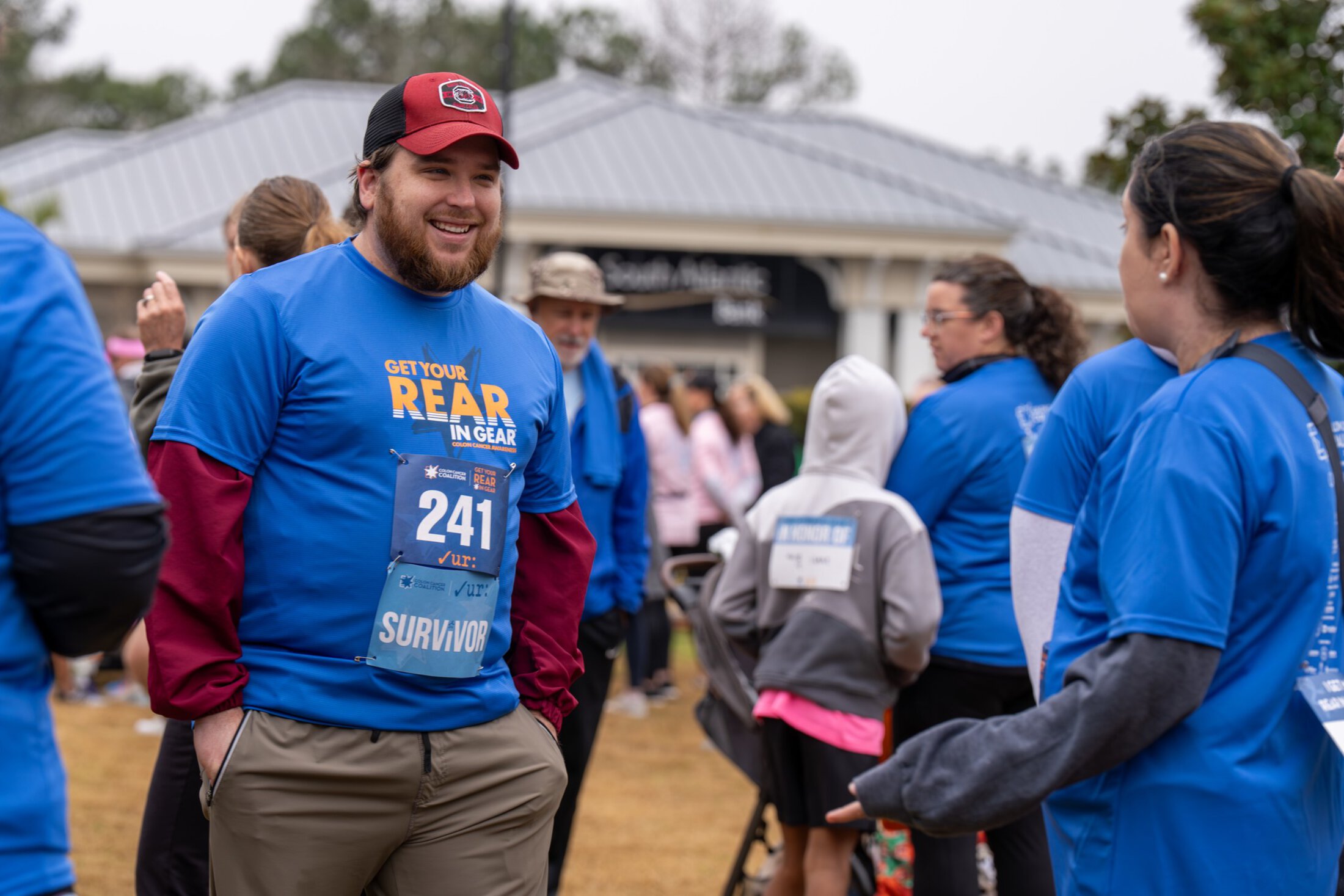
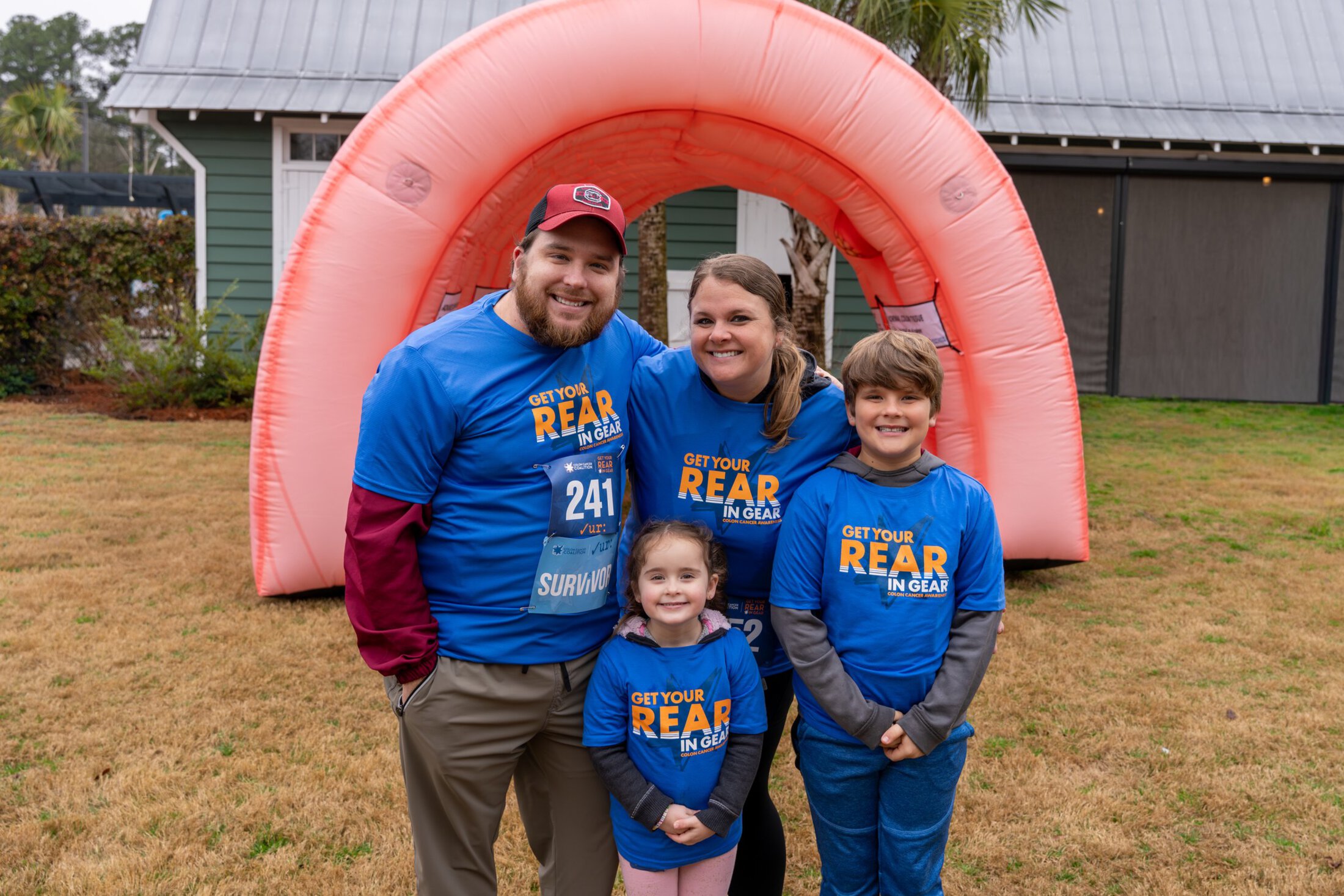
Burr found connection through groups like the Boon Project, which supports the unique needs of young adults diagnosed with cancer. He also joined the Colon Cancer Coalition and recently participated in an awareness walk, joined by nearly 40 friends and families from his soccer community.
Burr hopes that sharing his story will encourage others, especially younger adults, to take symptoms seriously and get screened regularly.
“I’m not really a sharer. But if my story helps even one person to get checked sooner, it’s worth it.”
Physician featured in this story
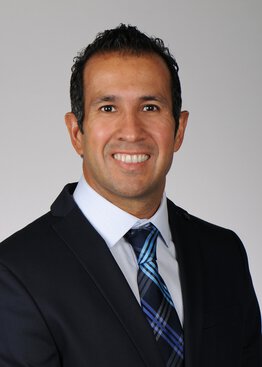
Virgilio George, M.D., FACS, FASCRS
Virgilio V. George, M.D. is a colorectal surgeon in Charleston, S.C. His primary academic and clinical focus is in the field of colorectal surgery including benign and malignant disease.
Dr. George is recognized for his excellence in colorectal surgery both nationally and internationally. His clinical interests cover the range of inflammatory bowel disease: Crohn's disease, ulcerative colitis, diverticular disease, colon and rectal cancer, benign anorectal disease with special interest in minimal invasive colon and rectal procedures, and transanal endoscopy microsurgery for rectal tumors.
Dr. George leads the multidisciplinary team at the MUSC Hollings Cancer Center, which recently earned a three-year accreditation from the National Accreditation Program for Rectal Cancer (NAPRC), recognizing the center's commitment to providing the best possible care for patients with the disease. Hollings is one of only 22 centers in the country to earn the accreditation and is the first in South Carolina, further highlighting the center as a national leader in treating cancers of the digestive system.
Dr. George is developing successful programs in minimally invasive colorectal surgery. This includes collaborations with the division of gastroenterology in the Department of Medicine for inflammatory bowel disease and with the Ralph H. Johnson VA Medical Center to provide specialty surgery services in colorectal surgeries to include robotic surgical techniques.
Symptoms to watch out for
- Blood in stool
- Changes in bowel habits that don't go back to normal
- Anemia
- Constant bloating
- Unexplained weight loss
- Stomach discomfort or cramping that doesn't get better
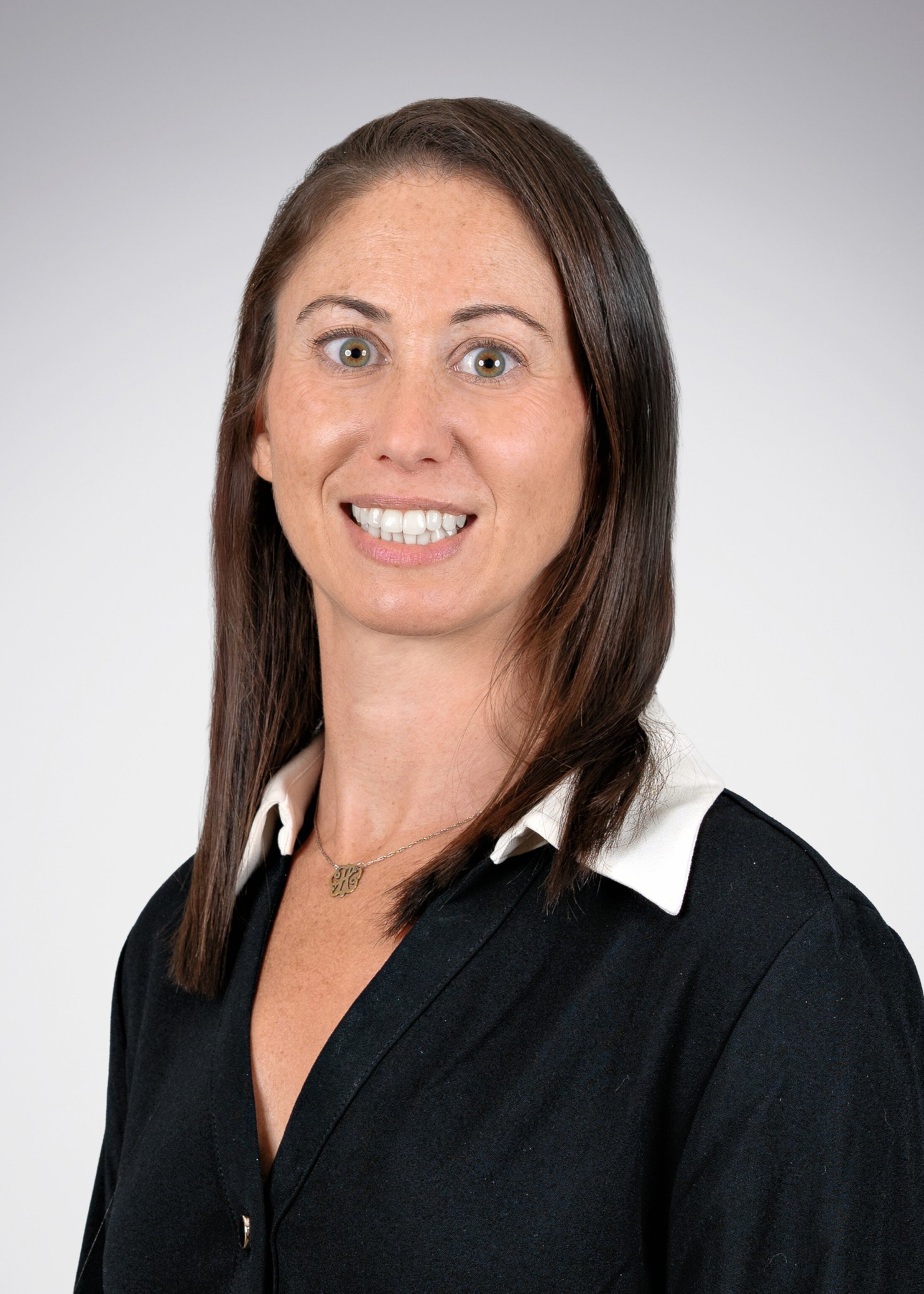
Hayley Kamin
Communications Manager
Hayley Kamin is the communications manager for the Hollings Cancer Center Communications and Marketing team, having joined the team in 2025 after three years as a communications specialist at the National Institutes of Health (NIH). As a science communicator with a Ph.D. from the University of Florida, she has extensive experience translating complex research into clear, engaging content. Her career has included roles at the NIH’s National Institute of Mental Health and the American Psychological Association, where she led content development and editorial strategy, developed science and health communications and worked with researchers and clinicians to strengthen public understanding of research.
Contact Hayley at kamin@musc.edu.