When Nancy Love was diagnosed with breast cancer at age 86, she was not shocked.
“I’d been expecting it for decades,” she said matter-of-factly. “It’s just such a part of my family history.”
At MUSC Hollings Cancer Center, Love’s diagnosis prompted more than treatment; it prompted a closer look at her family history, leading to a referral to Hollings’ genetic counseling program to evaluate risk and discuss testing and prevention strategies. That referral would in turn ripple across three generations, reshaping how her daughter and granddaughter also think about risk, prevention and the future.
A lifetime of family history
Love’s cancer was caught by a routine mammogram, one she had considered skipping.
“She doesn’t like going to doctors,” said her daughter, Katherine Sherwen. “She almost didn’t go that year.”
The tumor was small but fast-growing. Surgeons performed a lumpectomy, followed by radiation. After consulting multiple oncologists, Love chose not to undergo chemotherapy. Throughout treatment, she remained characteristically steady.
“I felt like I had cancer, and it was removed,” she said. “It never consumed me.”
But her doctors at Hollings saw a broader family pattern marked by multiple cases of breast and ovarian cancer across generations. That history prompted a referral to Hollings’ genetic counselor Libby Malphrus.
Malphrus said Love’s age stood out. But it was not a reason to skip counseling.
“Earlier in my career, people would have thought it was crazy to refer an 86-year-old woman for genetic counseling,” Malphrus said. “But this isn’t just about the individual patient. It’s about impact: what a result could mean for children and grandchildren.”
Love’s case underscores why surveillance matters, particularly for those at elevated risk. While most cancers occur by chance, about 5% to 10% are hereditary, caused by inherited gene mutations passed down through families.
“It’s about catching cancer at its earliest stages or even preventing it altogether,” Malphrus said.
Empowerment through knowledge
According to Malphrus, genetic counseling begins not with testing but with conversation. During sessions lasting 20 to 40 minutes, counselors map out detailed family histories and walk patients through their cancer risk and what it means for them and their relatives. They also review national guidelines, such as those from the National Comprehensive Cancer Network, to determine whether genetic testing is recommended.
When I started counseling 25 years ago, we tested one or two genes. Now we analyze panels of 70 or more genes at once.
“We talk through the likelihood that this is hereditary, the pros and cons of testing and what someone would do with that information,” Malphrus explained. “Our role as genetic counselors is not to push testing. It’s to empower people to make the best decision for them.”
For patients who choose genetic testing, the results can provide important information about cancer risk – not just for themselves, but for their families.
“The science has advanced tremendously,” Malphrus said. “When I started counseling 25 years ago, we tested one or two genes. Now we analyze panels of 70 or more genes at once.”
In Love’s case, testing via a simple saliva sample revealed she carries a pathogenic mutation in the BRCA1 gene – one of the most well-known genes linked to hereditary breast and ovarian cancer.
BRCA genes normally help to repair DNA and protect cells from becoming cancerous. A harmful BRCA1 mutation weakens that protection, significantly increasing lifetime breast and ovarian cancer risk. It can also raise the risk of prostate, pancreatic and other cancers in men and women.
Importantly, carrying the mutation does not guarantee someone will develop cancer. But it does change screening and prevention strategies.
Because Love tested positive, her children were offered genetic testing at no cost. That is when the conversation shifted to the next generation.
A 50/50 chance of inheritance
For Katherine Sherwen, age 63, the choice to get genetic testing had lingered for years. She had grown up watching relatives face cancer and had already undergone a hysterectomy after a prior scare.
“We’ve had so much cancer along the female side of our family,” she said. “I always knew it was possible.”
Still, practical concerns gave her pause. While federal law protects against discrimination in health insurance and employment, it does not extend to every type of insurance – a detail that many families consider before testing.
When her mom’s results came back positive, she decided she needed clarity.
“I felt I needed to know,” Katherine Sherwen said. “Not just for me – but for my daughter.”
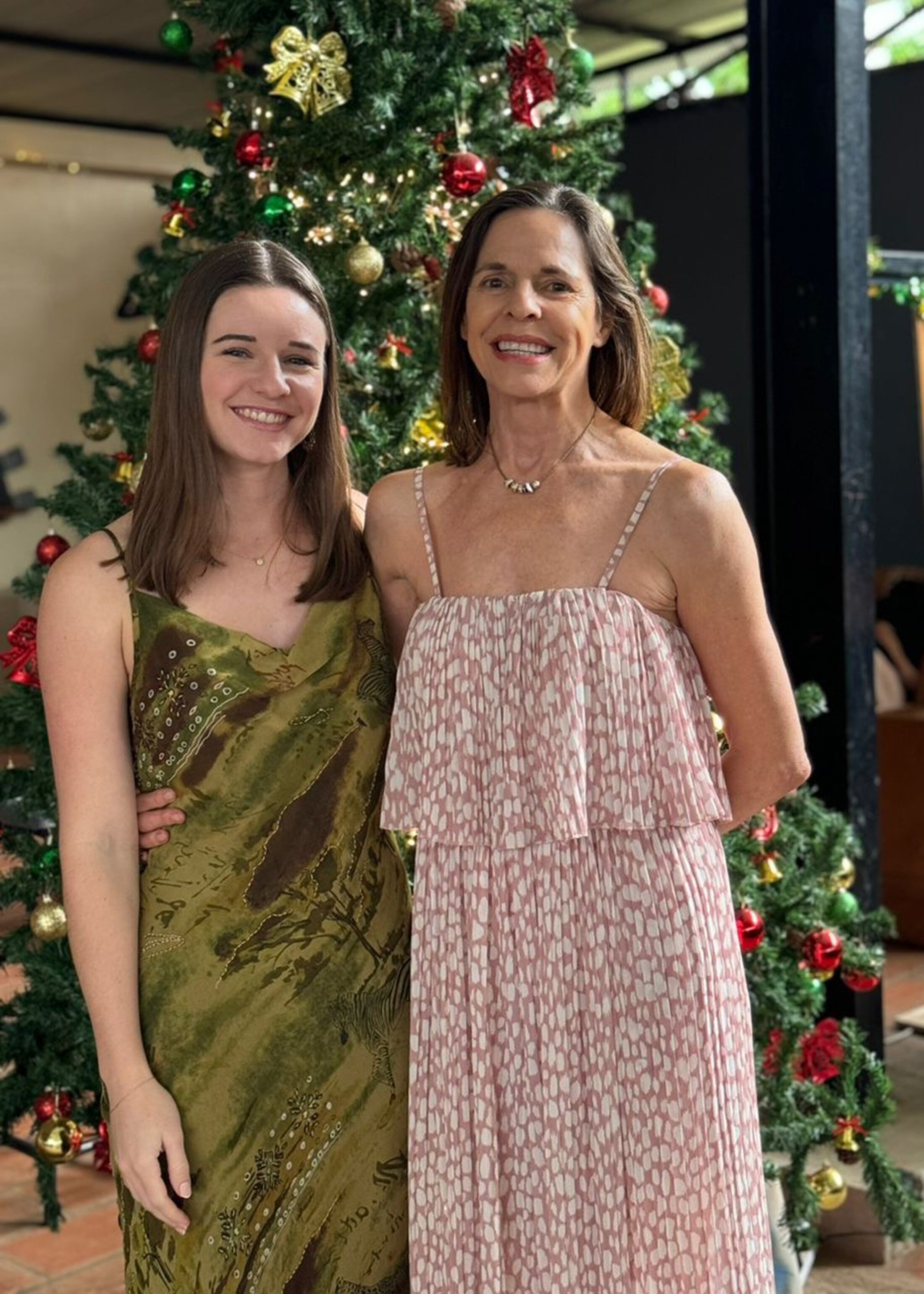
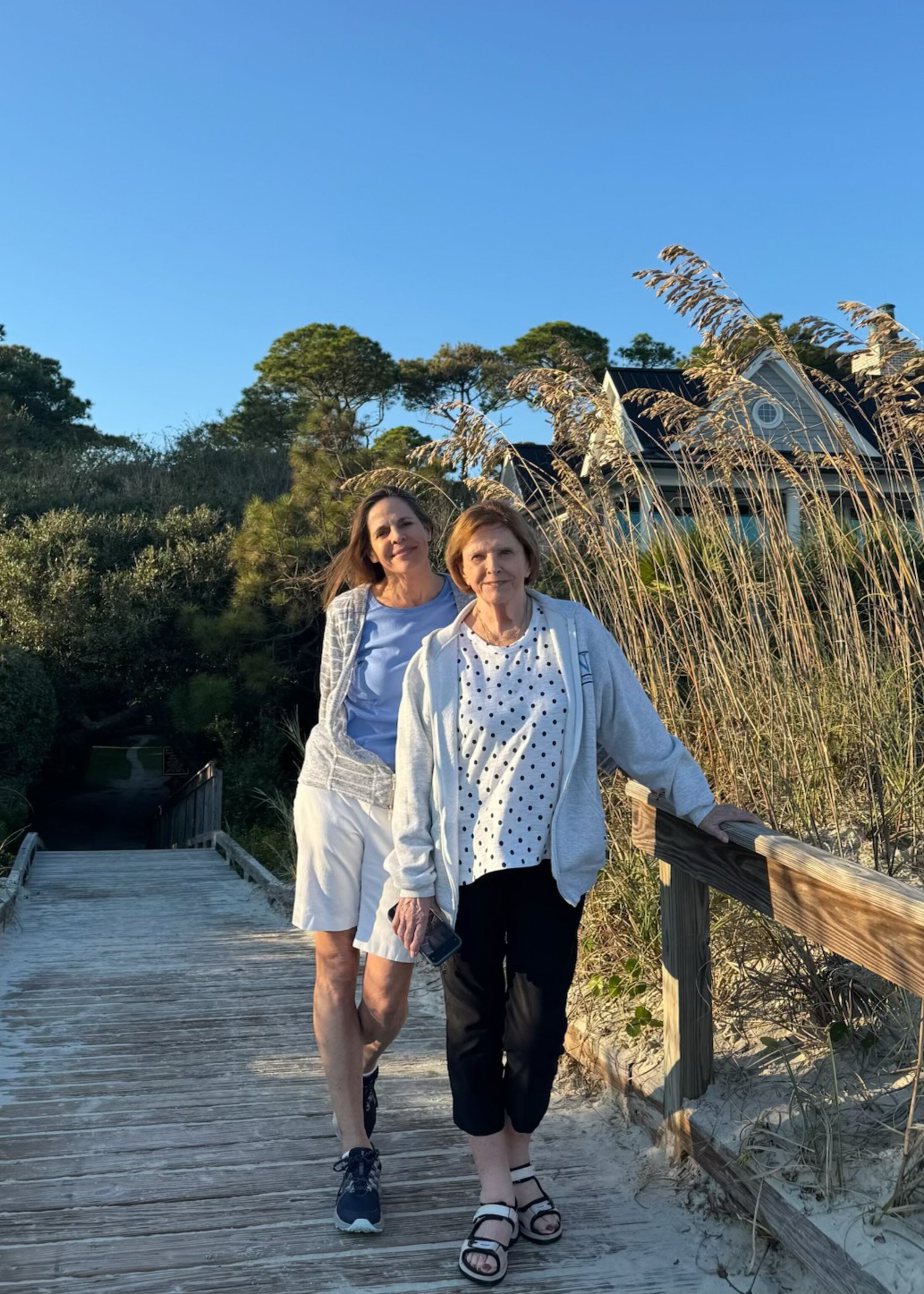
She also tested positive for BRCA1.
That knowledge reframed her care plan. Rather than standard annual mammograms, she now receives enhanced breast cancer screening that includes alternating mammograms and breast MRIs every six months. Preventive surgery, such as a prophylactic mastectomy, may also be considered.
“It shifts you from reactive to proactive,” Malphrus said of prevention strategies. “Instead of waiting, you’re actively managing risk.”
At 22, Katherine’s daughter, Margaux Sherwen, now stands at a crossroads. Because her mother carries the BRCA1 mutation, she has a 50% chance of carrying it as well. For the moment, though, she has chosen not to pursue genetic testing.
“It’s a very personal decision,” she said. “If insurance weren’t a factor, I’d probably do it tomorrow. I think more information is always better. But there are implications you have to think through.”
Malphrus said that deliberation is healthy. “Some people are ready to test immediately. Others need time. There is no right or wrong timeline. The key is informed choice.”
Even without testing, Margaux Sherwen has taken a crucial first step: awareness. She is focusing on establishing health care in her new home of Washington, D.C., making sure her doctors are informed of her family history and staying vigilant about recommended screenings.
A conversation across generations
For the family, the counseling session itself was unexpectedly powerful.
All three women met with Malphrus – three generations discussing family history in one room. That session transformed something abstract into something concrete.
“We mapped out the entire family tree,” Margaux Sherwen said. “We’ve always talked about cancer in our family, but seeing it visually was eye-opening.”
For a family shaped by unanswered questions, genetic counseling turned uncertainty into understanding. Katherine Sherwen asked about screening, Margaux Sherwen about long-term implications and Love about what the results might mean for her children and grandchildren. By the end, they understood their risks, their options and what would come next, allowing them to move forward with more clarity and greater confidence.
Featured in this story
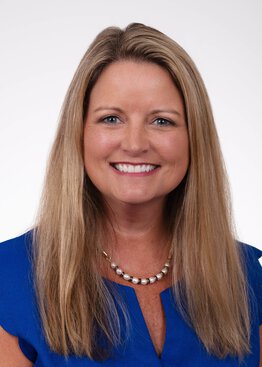
Libby Malphrus, MS, CGC
Libby Malphrus has been a certified genetic counselor for more than 20 years and is a South Carolina native. As a cancer survivor with a strong family history of cancer, she is passionate about helping individuals understand the impact of genetics on cancer prevention, screening, treatment and survivorship. Libby strives to empower patients with the knowledge they need to make informed healthcare decisions. Outside of her clinical role, she serves as Assistant Program Director for the MUSC Master of Science in Genetic Counseling Program, where she enjoys teaching, mentoring, and supporting the next generation of genetic counselors.
Consider genetic testing if:
- You or a close relative is diagnosed with cancer at a young age (i.e., before age 50).
- Multiple people on the same side of your family have the same or similar cancers.
- You or someone in your family has multiple cancer diagnoses.
- You or a family member has been diagnosed with a rare cancer or tumor (such as male breast cancer, medullary thyroid cancer, pheochromocytoma) or individuals with multiple colon polyps.
- You have been diagnosed with ovarian, pancreatic or high-risk prostate cancer.
- Tumor testing in you or someone in your family indicates a genetic mutation.
- You already know there is a genetic mutation related to cancer that runs in your family.
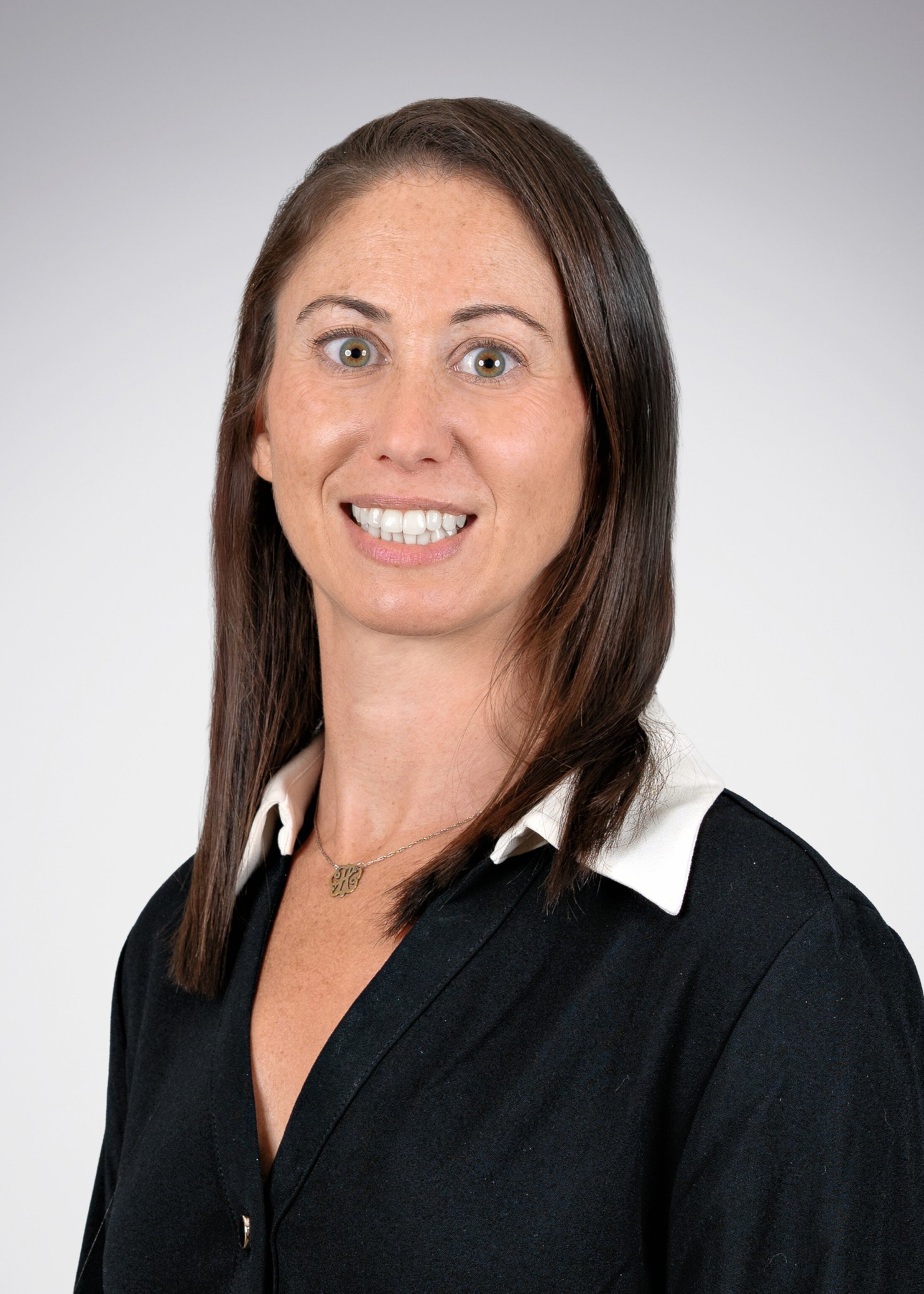
Hayley Kamin
Communications Manager
Hayley Kamin is the communications manager for the Hollings Cancer Center Communications and Marketing team, having joined the team in 2025 after three years as a communications specialist at the National Institutes of Health (NIH). As a science communicator with a Ph.D. from the University of Florida, she has extensive experience translating complex research into clear, engaging content. Her career has included roles at the NIH’s National Institute of Mental Health and the American Psychological Association, where she led content development and editorial strategy, developed science and health communications and worked with researchers and clinicians to strengthen public understanding of research.
Contact Hayley at kamin@musc.edu.