A cancer diagnosis changes a child’s trajectory. Hospital stays instead of homeroom. Clinic visits instead of extracurriculars. Even after treatment is finished, there can be long-term side effects that last well into adulthood – like the inability to have a child of one’s own.
Infertility is a known risk of childhood cancer treatments, and though it doesn’t affect all childhood cancer survivors, it’s a major worry for patients’ families and the survivors themselves as they grow up.
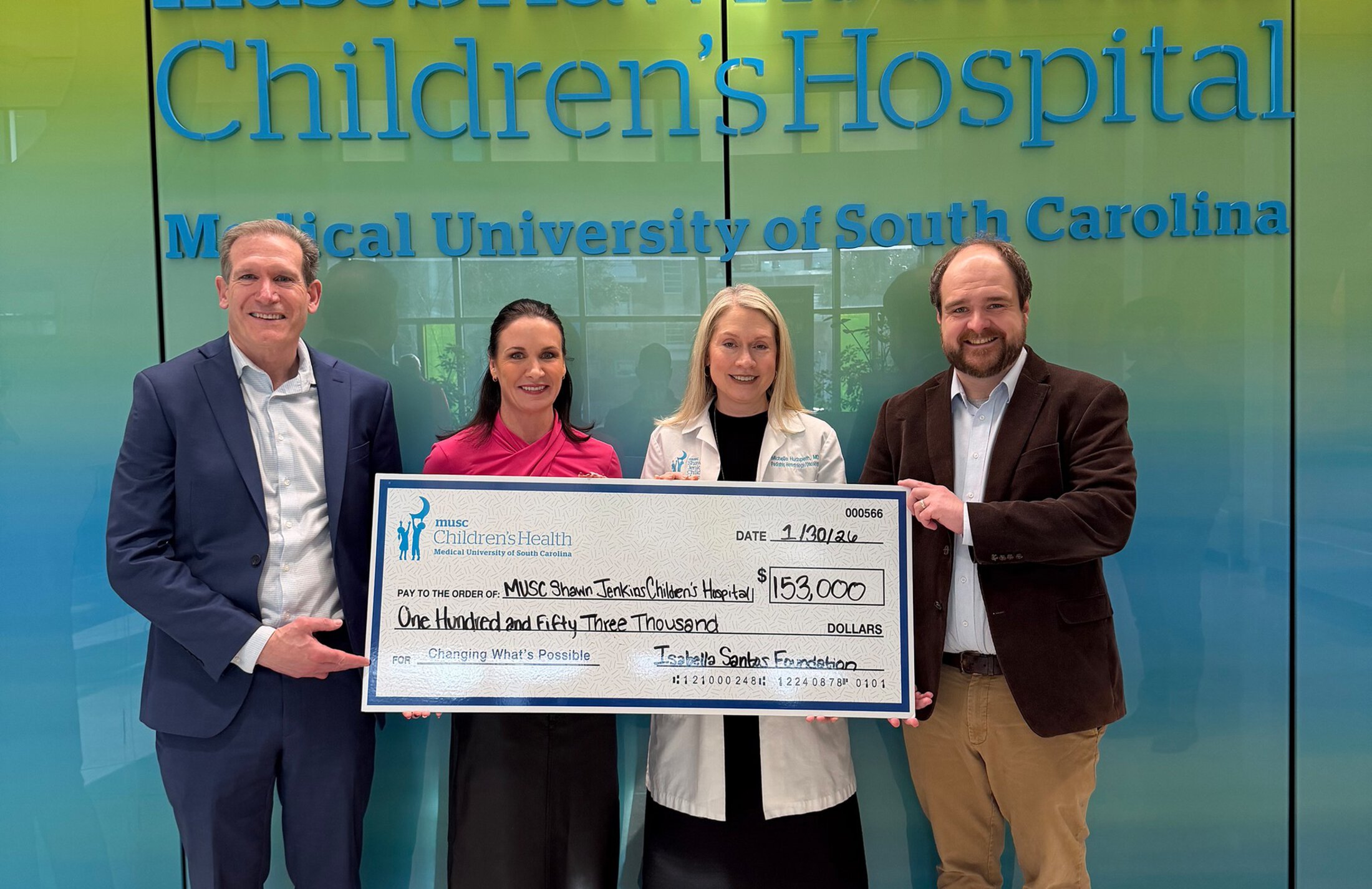
Now, thanks to a grant from the Isabella Santos Foundation, adolescent cancer patients at MUSC Children’s Health will be able to pursue fertility preservation treatments, keeping their options open for when they reach adulthood and are ready to start families.
“Outside of telling a family that their child has cancer, probably the other most devastating piece of news they will get is the potential impact on fertility,” said Michelle Hudspeth, M.D., division chief for pediatric hematology/oncology.
Chemotherapy and radiation therapy can affect the reproductive system of both boys and girls, causing problems in becoming pregnant or, for girls, in carrying a pregnancy.
Some states require insurers to cover fertility preservation for pediatric cancer patients, but South Carolina does not.
Outside of telling a family that their child has cancer, probably the other most devastating piece of news they will get is the potential impact on fertility.
"For males, the cost associated and the procurement is definitely, by nature, easier. For females, they go through treatment and a surgical intervention, so all of this costs more money, which is more burdensome to the family,” said pediatric oncologist Anca Dumitriu, M.D., director of the F.A.C.T. (Follow-up After Cancer Treatment) Clinic. The clinic provides follow-up care for pediatric cancer survivors until the age of 30.
“And until this grant, we had nothing we could do about it,” Hudspeth added.
The options for fertility preservation depend partly on the patient’s age and the diagnosis. Girls who have gone through puberty can have their eggs frozen. However, the process does take a couple of weeks, so doctors and the family must feel comfortable waiting to begin the cancer treatment.
“We do not want to delay treatment, so we definitely have to think about specific situations in which this is even doable,” Dumitriu said. “But we always wanted to provide it for all our patients who qualify for it because once you start treatment, you cannot go back.”
Options for girls who have not gone through puberty are limited and experimental, and at this point, the likelihood of a viable pregnancy in the future is unknown, Hudspeth said, so this grant focuses on children, especially girls, who have gone through puberty.
“This is a major benefit for females because female fertility preservation is very, very costly. And so we're really grateful to the Isabella Santos Foundation for this grant,” Hudspeth said.
Leslie Cantu
Senior Communications Manager
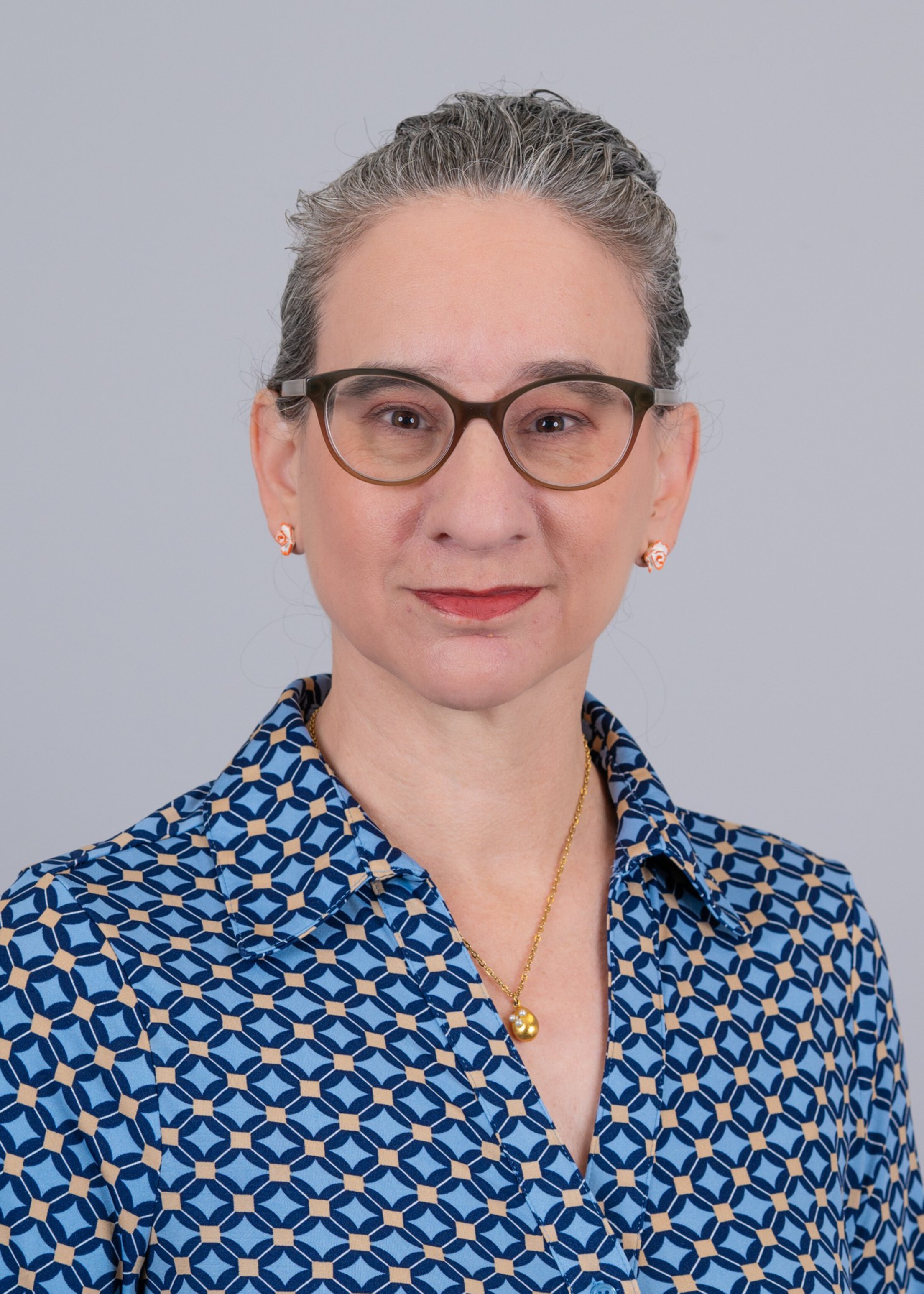
Leslie Cantu is the senior communications manager at MUSC Hollings Cancer Center, where she works with researchers, clinicians and patients to tell the people of South Carolina about the innovative work being done to improve cancer care for everyone in the state. She joined the MUSC Office of Communications and Marketing in 2018 after a career as an award-winning writer, editor and producer at community newspapers and local TV news. She transferred to the communications office at Hollings in 2022, where she happily finds something new and interesting to write about every day. Her favorite stories to cover at MUSC have included Match Day, the Angel Tree Parade, a clinical trial of CAR-T cell therapy and the many patients who have agreed to share their very personal struggles and triumphs.
Contact Leslie at cantul@musc.edu.
Recent Cancer Survivorship stories