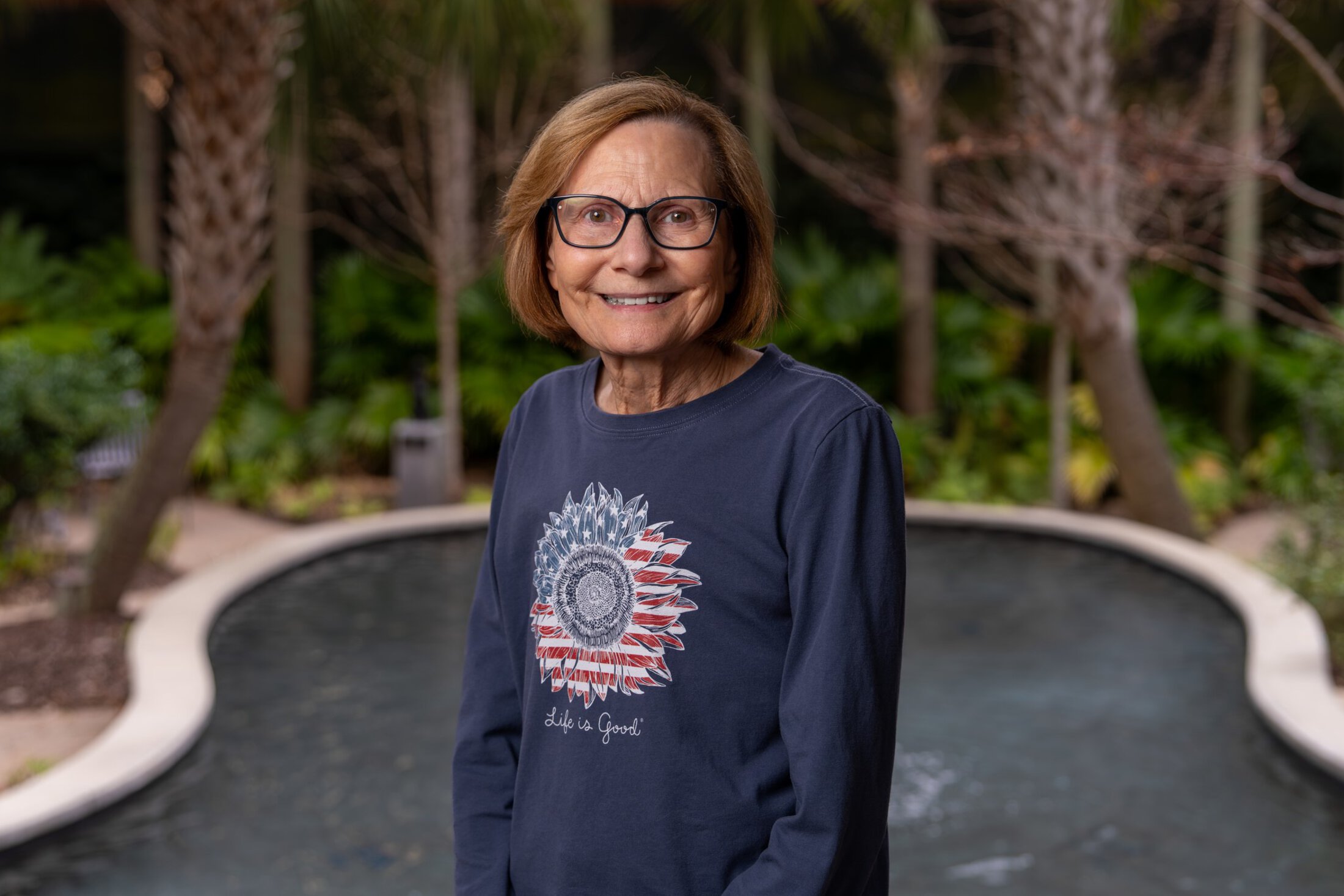
When Jennifer Gross finished treatment for head and neck cancer, she thought the hardest part of her journey was behind her. Instead, recovery unfolded in ways she never expected.
In the months and years that followed, everyday things, like eating, speaking and holding conversations, became increasingly difficult rather than easier.
She realized that, while cancer treatment had ended, recovery had not. During Head and Neck Cancer Awareness Month, stories like these remind us that completing treatment is often the beginning of a much longer journey.
I didn’t realize how much things could change later. Two years out, life actually became more challenging.
At MUSC Hollings Cancer Center, Gross found a specialized survivorship team focused not just on keeping cancer from returning but on helping her to live well and navigate what comes next. Led by physician assistant Ashton Getchell, the Head and Neck Cancer Survivorship Clinic provides long-term monitoring, symptom management and coordinated care.
“Because survivorship is about everything that comes after treatment,” Getchell said.
A change that didn’t feel like cancer
Gross’ journey began with something so small it was easy to ignore.
“It wasn’t swollen. It wasn’t red. I had no symptoms,” she recalled. “It just felt a little different when my tongue touched the top of my mouth. Nothing pointed to cancer.”
Still, the change lingered long enough that she mentioned it during a dental visit – a decision that quickly set events in motion. Within weeks, she was referred to an oral surgeon, underwent a biopsy and received an unexpected diagnosis: adenoid cystic carcinoma, a rare cancer that forms in the salivary glands. In Gross’ case, the tumor sat along the roof of her mouth.
Head and neck cancers can be difficult to detect early, said Getchell, because symptoms are often subtle or painless.
“Many head and neck cancers don’t announce themselves right away,” she explained. “That’s why routine dental care and paying attention to small changes are so important.”
Gross’ own perspective on health care was shaped by decades in the field. She spent 50 years as a radiologic technologist, and her husband, Tom, built a career as a paramedic.
“That background gave me a real appreciation for medical staff who are kind and compassionate,” she said. “That’s exactly how I would describe the care I received at MUSC.”
Treating a rare head and neck cancer
Her diagnosis in 2022 set off a whirlwind of decisions.
Because adenoid cystic carcinoma is uncommon and can behave unpredictably, Gross, who lived with her family in Lexington, South Carolina, sought specialized care at the Mayo Clinic in Jacksonville, Florida. There, surgeons removed tissue from the roof of her mouth down to the bone. Fortunately, the cancer had not invaded the bone itself.
“When I woke up, and they told me the bone wasn’t involved, I was so relieved,” she said.
Six weeks of proton radiation therapy followed at the University of Florida. The highly targeted treatment helps to destroy remaining cancer cells while limiting damage to nearby tissue.
The treatment worked – but it took a toll, affecting her ability to eat, talk and perform everyday activities.
Throughout treatment and recovery, Gross leaned on her husband of 42 years.
“Tom is my heart,” she said. “He did everything for me. He helped pull me through some rough times.”
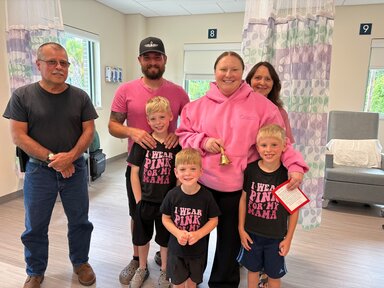
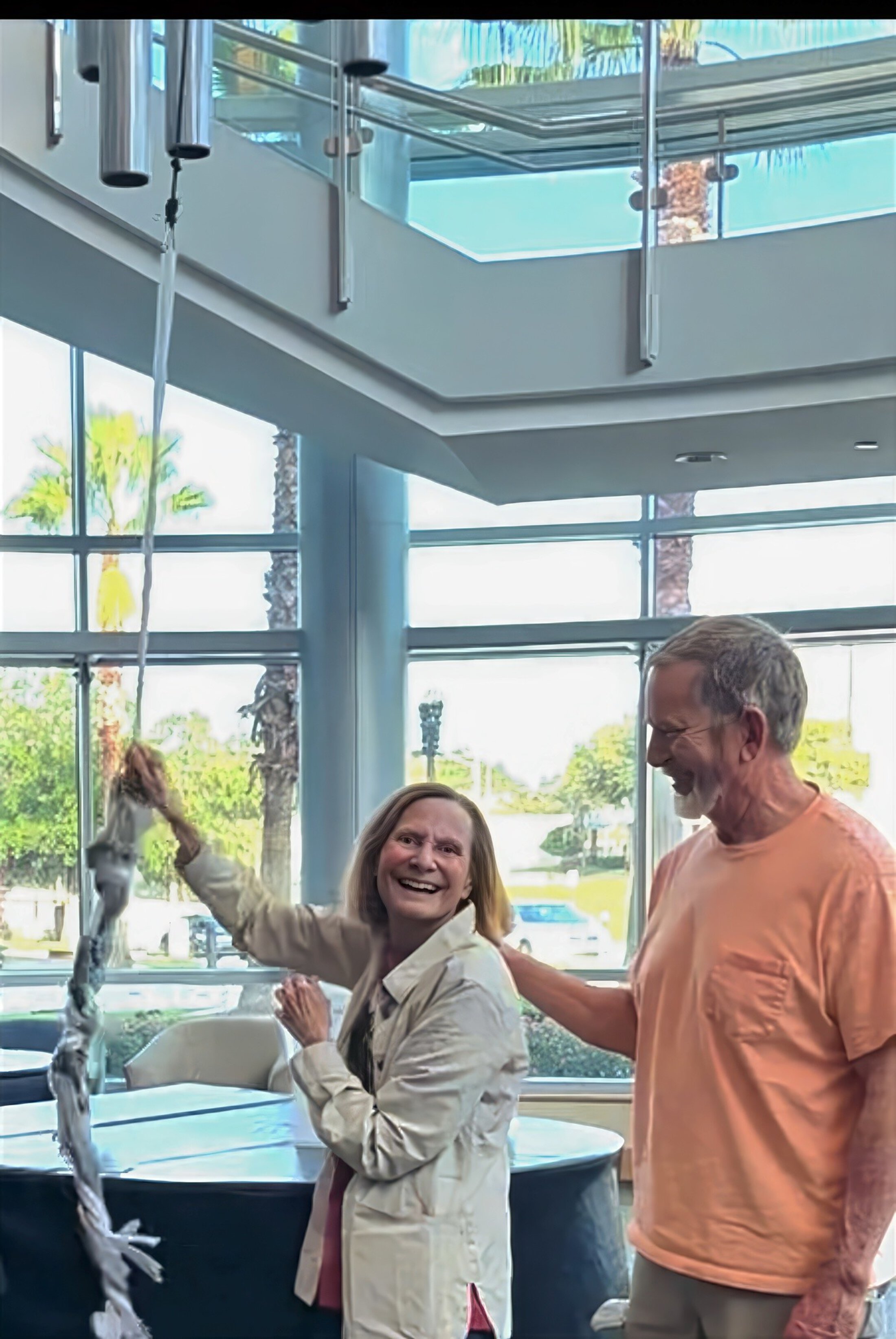
Tom was by her side when she finally rang the bell on her final day of radiation treatment.
“It represented a new phase as we moved forward in my cancer journey.”
The challenges that came later
In the years after treatment ended, Gross remained cancer-free. But she continued traveling to Florida for imaging scans to monitor recurrence. When she came back home to Lexington, she and Tom worked to rebuild a routine through things like evening walks.
Yet as cancer care slowly faded into the background, new challenges emerged – ones many survivors do not anticipate.
“I didn’t realize how much things could change later,” she said. “Two years out, life actually became more challenging.”
Her dry mouth worsened while oral pain persisted. Eating and talking became harder, and fatigue crept into daily life, along with new dental and sinus complications.
According to Getchell, delayed effects are common among head and neck cancer survivors.
“Radiation is incredibly effective at treating cancer, but it can affect healthy tissue in ways that show up months or years later,” she said. “That’s what makes survivorship care critical.”
As those challenges grew, Gross began to feel something was missing from her follow-up care. Her treatment and monitoring were spread across multiple providers and institutions, making it difficult to address ongoing problems as they arose.
“I wanted everything all in one place,” she said. “Somewhere people could talk to each other and help me manage everything, not just check if the cancer was gone.”
A survivorship team takes shape
At the recommendation of her ear, nose and throat doctor, Gross transferred her follow-up care to Hollings. At the first visit, head and neck surgeon Jason Newman, M.D., director of the Division of Head and Neck Oncologic Surgery, and Getchell met with her together – an approach that immediately reassured her.
“They were so understanding and caring,” Gross said. “I knew at that moment I had come to the right place.”
That support extended beyond the exam room. The clinic team simplified what had previously felt overwhelming, from coordinating appointments to gathering medical records.
It’s not one big intervention. Sometimes, it’s a series of small, targeted changes that together make life feel manageable again.
Getchell also took over Gross’ long-term cancer surveillance – an important step because adenoid cystic carcinoma can recur years later, sometimes in the lungs. Radiation exposure also requires careful monitoring to prevent osteoradionecrosis, a serious condition in which bone tissue can die.
“With Jennifer, we’re not just managing symptoms,” Getchell said. “We’re also keeping an eye on her long-term cancer risk.”
“I know she’s watching closely,” Gross added. “And that gives me a lot of peace of mind. Ashton is amazing – so caring, warm, positive and attentive. I feel incredibly fortunate to be in her survivorship clinic.”
Getchell continues to coordinate Gross’ ongoing care across MUSC, connecting with specialists in oral medicine, maxillofacial prosthodontics, facial pain, nutrition and sinus care to create a care plan tailored to her specific needs.
“These patients often have multiple overlapping issues,” she said. “No single provider can manage all of that alone.”
The results have been transformative. Medications were adjusted to improve blood flow, topical treatments were introduced to reduce pain and protect sensitive mouth areas and nutrition counseling was added to support weight maintenance. Additionally, after years of persistent drainage and discomfort, sinus specialists identified and removed a fungal mass, which Gross said dramatically improved her quality of life.
For Getchell, that level of cross-specialist coordination defines survivorship care.
“It’s not one big intervention. Sometimes, it’s a series of small, targeted changes that together make life feel manageable again.”
Learning to live differently and fully
Today, Gross approaches her days differently than she once did. Mornings are more active, while afternoons are quieter as her energy wanes. She keeps water nearby when speaking and plans meals carefully. Social situations often require patience and preparation.
Still, gratitude outweighs any frustration.
“All things considered, I’m blessed,” she said. “During the difficult and uncertain times, Tom and I relied on our faith and were so grateful for all the prayers and support we received from others. I know how much worse this could have been.”
Getchell said patients like Gross play an important role in their own recoveries.
“Jennifer comes to visits prepared,” Getchell said. “She reflects on what’s working, what’s changed and what she needs help with. That kind of partnership is incredibly powerful.”
Gross hopes her story encourages others to pay attention to subtle changes – and to seek care early.
“If something feels different, even if you think it’s nothing, get it checked,” she said.
And for survivors navigating life after treatment, she hopes they know support exists. Because surviving cancer is only the beginning of the story.
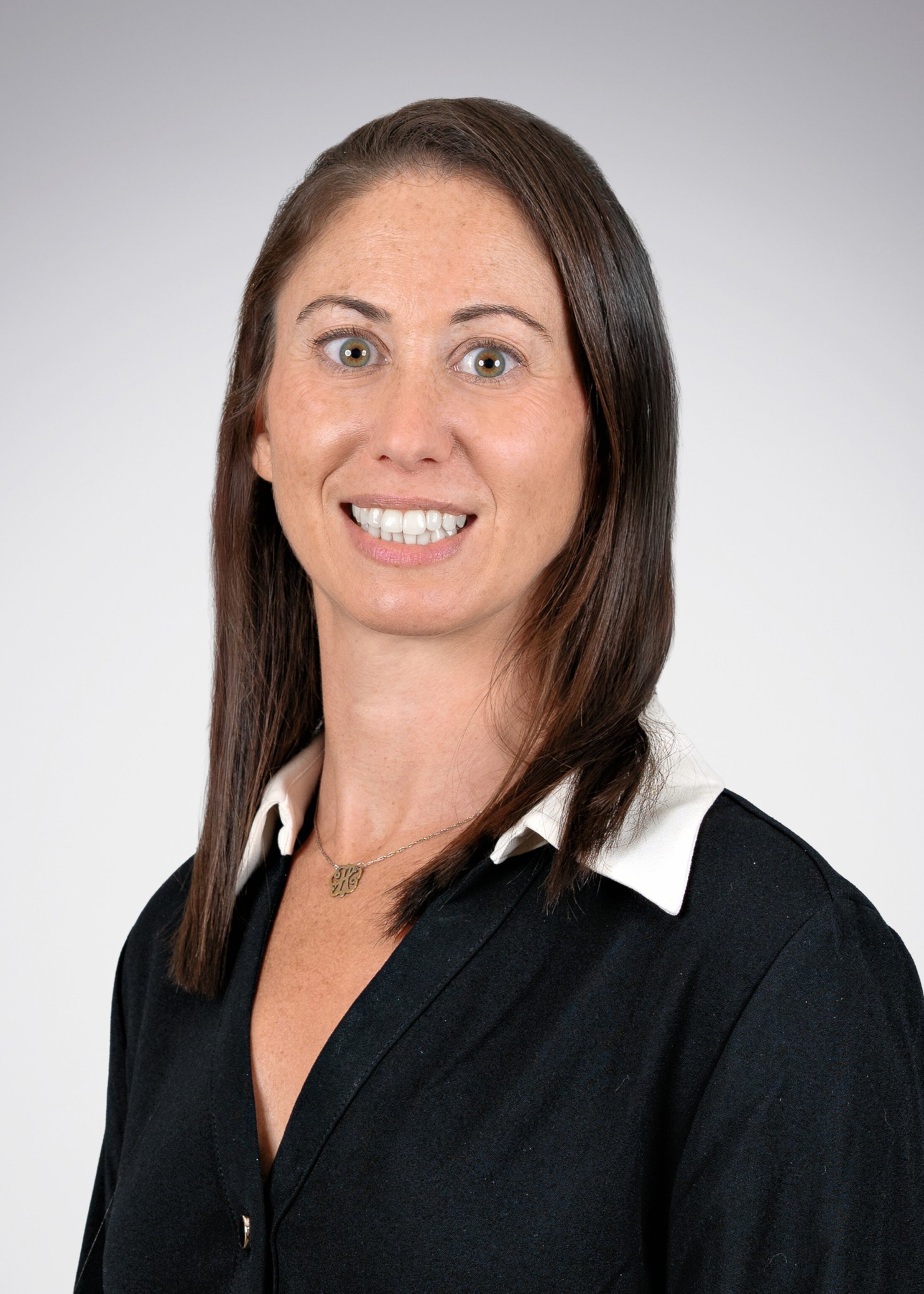
Hayley Kamin
Communications Manager
Hayley Kamin is the communications manager for the Hollings Cancer Center Communications and Marketing team, having joined the team in 2025 after three years as a communications specialist at the National Institutes of Health (NIH). As a science communicator with a Ph.D. from the University of Florida, she has extensive experience translating complex research into clear, engaging content. Her career has included roles at the NIH’s National Institute of Mental Health and the American Psychological Association, where she led content development and editorial strategy, developed science and health communications and worked with researchers and clinicians to strengthen public understanding of research.
Contact Hayley at kamin@musc.edu.
Recent Cancer Patient Journeys stories