I thank God and my entire team for saving my life and for being able to talk. If I can provide a little encouragement to others, I want to give back and help all I can.




MUSC Hollings Cancer Center knows that you need a comprehensive and highly trained team of specialists to offer innovative head and neck cancer care. Our team of head and neck cancer specialists — including oncologists, surgeons, radiation oncologists, dental specialists, speech pathologists and dermatologists — work together each day to treat patients like you. With a wide range of expertise, we don't just rely on existing treatments. Our head and neck cancer doctors continually search for new and improved ways to meet your needs.
MUSC Hollings Cancer Center has been nationally recognized by U.S. News & World Report as High Performing for Cancer Care as well as ranked as the No. 1 hospital in South Carolina for Cancer Care 2026–2027, affirming our excellence in preventing, diagnosing, treating, and supporting patients with cancer. As the only National Cancer Institute (NCI)-designated cancer center in South Carolina, Hollings blends cutting-edge research, multidisciplinary clinical expertise and advanced treatments to deliver outcomes that stand out on a national scale.

Head and neck cancer makes up around 4% of all cancers diagnosed in the United States. There are many cancers related to the head and neck. Typically, head and neck cancers are named after the part of the body they affect. These include:
Have more questions about head and neck cancer? Check out our answers to common questions.
Some of the most common cancers of the head and neck start off in cells called squamous cells. These cells line the mucous membranes on the inside surfaces of your mouth, nose, and throat. If you have neck cancer or head cancer, you may experience any of these related symptoms:
While the cause of all head and neck cancers isn’t yet known, some risk factors are known. These will vary by the type of cancer:
To lower your risk of developing head and neck cancer:
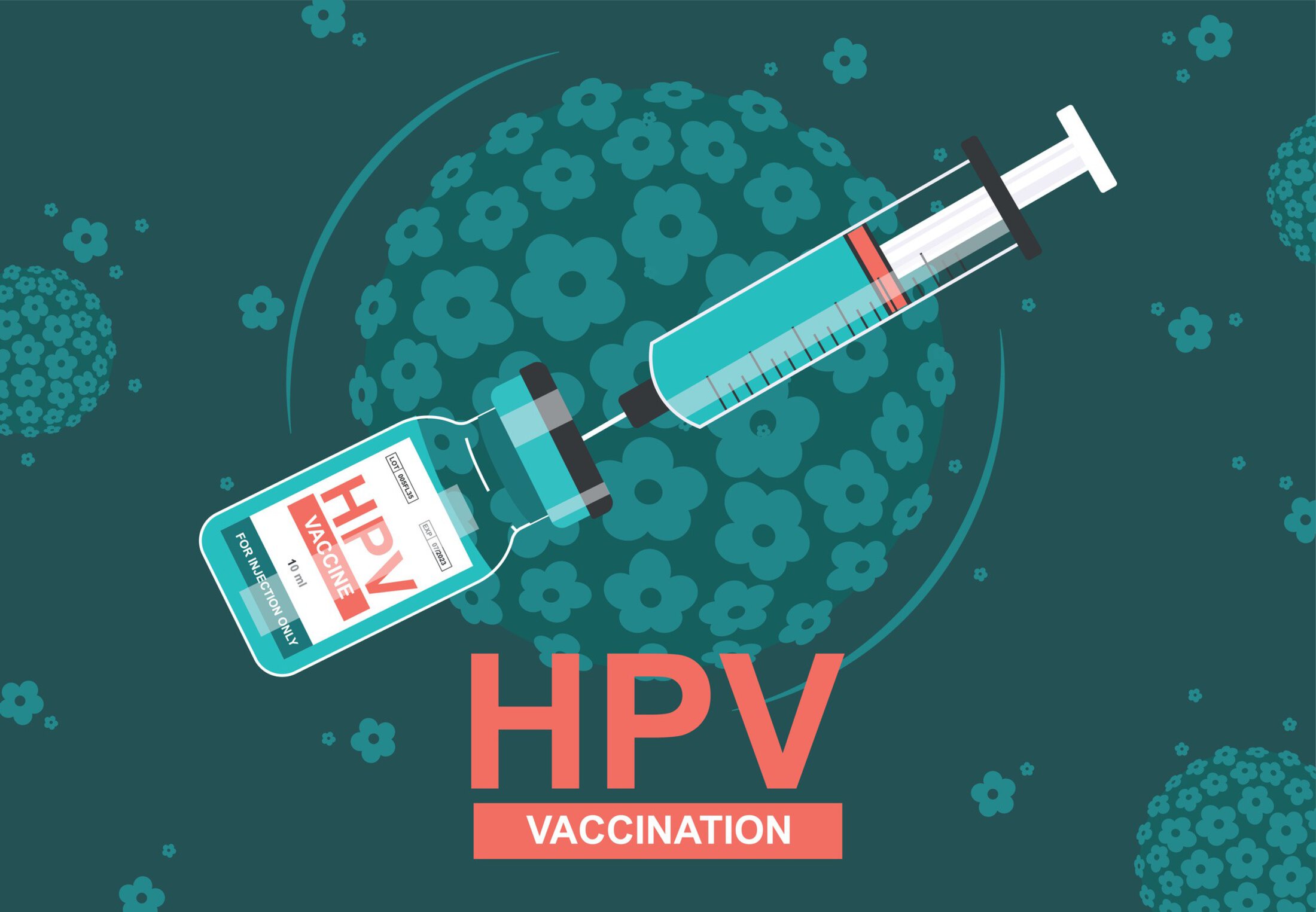
The HPV vaccine can prevent six types of cancer in both men and women, including cancers in the back of the throat. The HPV vaccine is typically given to children, but people up to the age of 45 may be eligible. Talk with your doctor for more information.
I thank God and my entire team for saving my life and for being able to talk. If I can provide a little encouragement to others, I want to give back and help all I can.
With early detection and proper treatment, head and neck cancers are curable. Hollings offers you state-of-the-art treatment close to home. Using the latest advancements, our head and neck cancer specialists at the MUSC Health Wendy and Keith Wellin Head and Neck Clinic will come up with a comprehensive and individualized treatment plan for you.
Head and neck cancer treatment involves a wide range of doctors and specialists to achieve the best outcomes. Your treatment may include some of the following options:
Head and neck cancers may threaten your vision, speech, hearing, or ability to control facial expressions — all key components of your identity and sense of self. To help with these unique challenges, we use a coordinated and multidisciplinary approach to provide care and support during and after your treatment. Our team includes specialists in:
Other support resources include:
The MUSC Health Maxillofacial Prosthodontic Clinic, adjacent to the Wellin Clinic, is seamlessly integrated with our multidisciplinary head and neck cancer team. This includes collaboration with head and neck surgery, plastic and reconstructive surgery, radiation oncology, medical oncology, speech and language pathology, and other support staffs. Our comprehensive approach allows for personalized treatment and optimized outcomes.
Our clinic team creates prosthetic eyes, ears, noses, teeth, jaws, and palates that greatly improve function and quality of life. Additionally, our team specializes in designing and surgically placing endosteal implants used in the rehabilitation of complicated intraoral and facial defects.
Specialists in voice, speech and swallowing disorders from the MUSC Health Evelyn Trammell Institute for Voice and Swallowing work closely with our head and neck cancer surgeons. Using the most advanced techniques, these specialists help you to regain speech and improve swallowing following surgery.
Our head and neck cancer nurse navigators, Savannah A. Zimmerman, MA, BSN, RN, CCTC, and Stacy Stewart, BSN, RN, will help you understand what to expect during treatment and answer questions you may have. Our team also includes a nutrition expert, Mary Jo Turner, RD, and a speech-language pathologist, Julie Blair, MA, CCC-SLP, to support you as needed.
As South Carolina’s only NCI-designated cancer center, Hollings offers you clinical trials and treatments that aren’t available anywhere else in the state. These opportunities provide you with access to the latest medications, therapies, and surgical techniques that can improve your outcomes. Many of these cutting edge head and neck cancer clinical trials were developed by Hollings doctors and researchers, and they offer patients with head and neck cancer access to exciting new therapies. Learn more about clinical trials at Hollings and see our current head and neck cancer clinical trials.
To refer a head and neck cancer patient to Hollings, please call 843-985-0595.

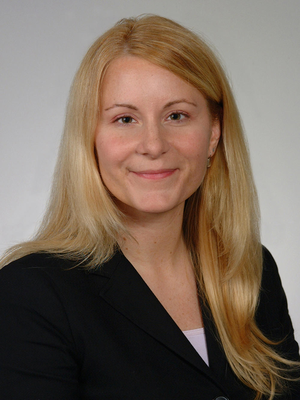
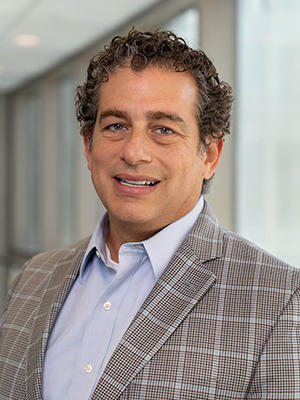
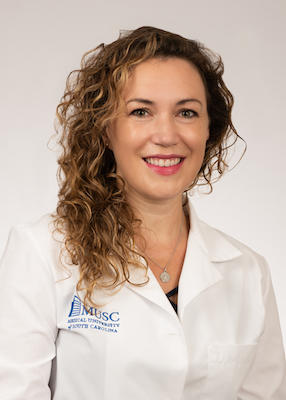
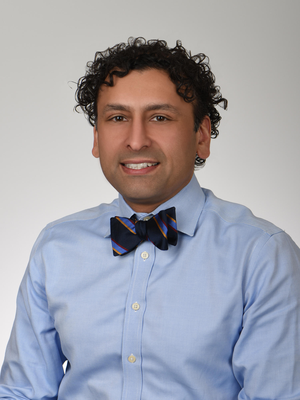
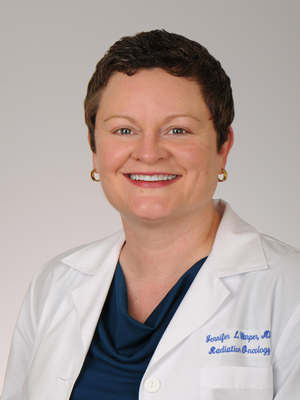
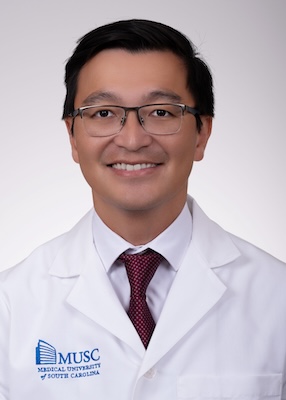
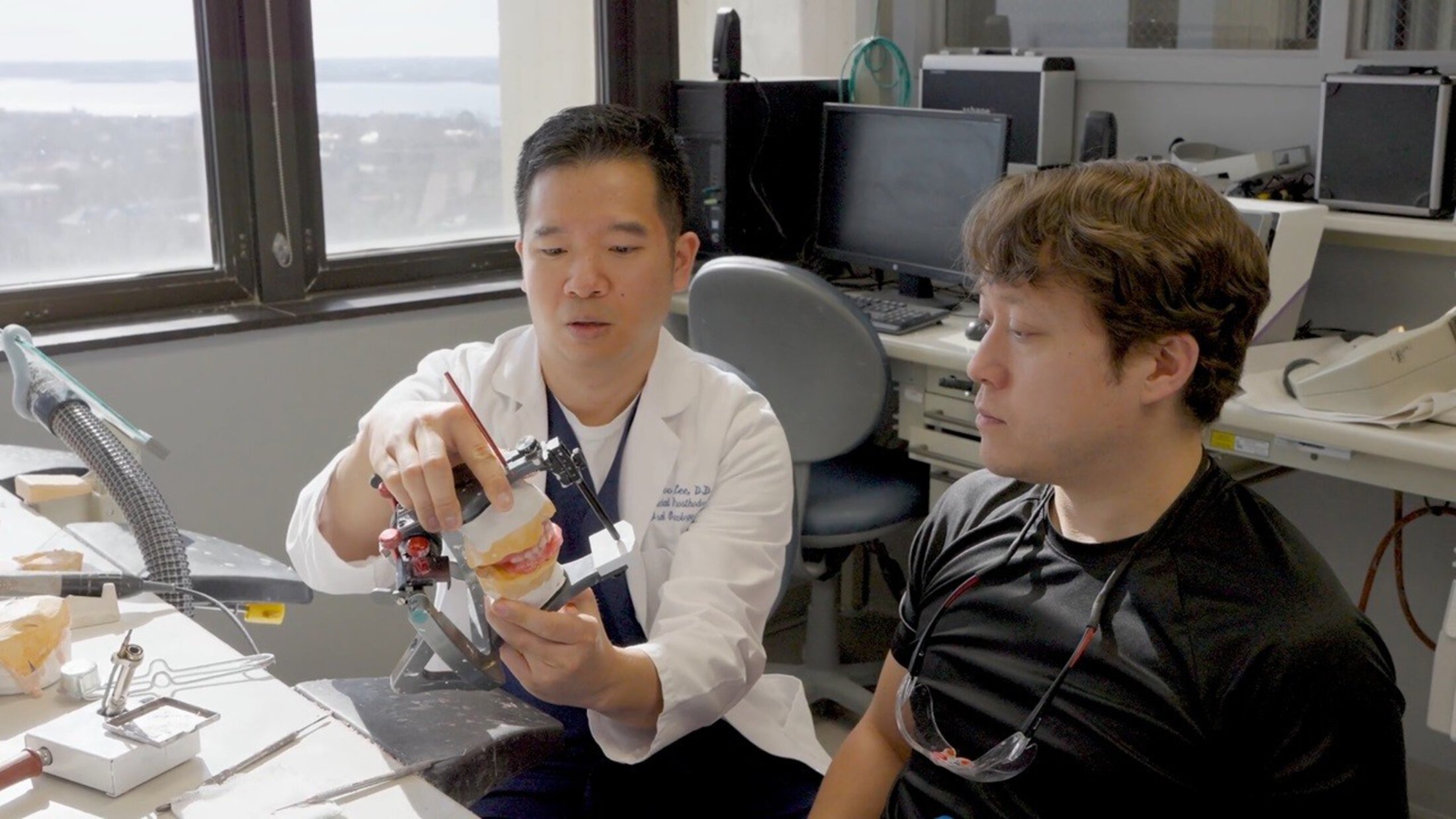
Members of Hollings' head and neck cancer team discuss the benefits of the "Jaw in a Day" procedure, which enables patients to wake up with a full set of teeth after surgery to transplant their jawbone.
Our Head and Neck Cancer Program has a robust research portfolio with over $4 million annually in National Institutes of Health (NIH) research support. There are seven NIH-funded basic science, translational, and clinical researchers focused on head and neck cancer. These researchers are studying new targets and therapies to decrease morbidity and mortality from head and neck cancer, identifying molecular signatures to help predict which patients will respond to therapy, developing new care delivery methods to improve quality and access to timely head and neck cancer care, and advancing our ability to rehabilitate head and neck cancer survivors and support their caregivers.
Recent projects include:
In addition, Hollings’ dedicated Head and Neck Transdisciplinary Cancer Team brings together expertise from different disciplines in basic and clinical research for monthly meetings to collaborate on ongoing head and neck cancer research.

Our Head and Neck Cancer Survivorship Clinic is here to support you if you have completed treatment for head and neck cancer or are receiving long-term maintenance therapy for metastatic disease. Our mission is to help you navigate life as a cancer survivor — whether treatment is long behind you or remains ongoing.
This specialized clinic was created to monitor for cancer recurrence and manage long-term side effects of treatment. We welcome all head and neck cancer survivors, with particular focus on those who have undergone laryngectomy, radiation therapy to the head and neck, or complex reconstructive procedures such as flap surgeries.
Your care begins with a comprehensive evaluation by an experienced advanced practice provider. From there, we bring together a team of experts — including speech-language pathologists, physical and occupational therapists, nutritionists, palliative care specialists, behavioral health professionals, and more — to create a personalized plan that supports your recovery, function, and quality of life.
We’re proud to serve patients in Charleston, across South Carolina, and beyond.
3rd Monday of the month
New patient visits: 8 a.m. – 12 p.m.
Return patient visits: 12 p.m. – 3 p.m.
Exceptions can be made for extenuating circumstances.
135 Rutledge Ave, 10th Floor
Charleston, SC 29425
To schedule an appointment, please call 843-792-9300. If you are a referring provider, please call 843-985-0595.
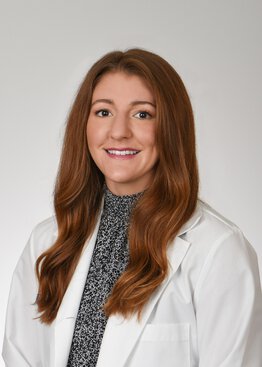
Ashton is a dedicated physician assistant with a strong passion for providing comprehensive care to head and neck cancer patients throughout their journey—from diagnosis to treatment and beyond. Her expertise includes managing the unique challenges of head and neck cancer and post-treatment side effects, such as those from surgery and radiation therapy, while remaining proactive in preventative care to minimize future risks. Ashton takes great pride in offering patient-centered care that not only addresses cancer and treatment-related concerns, but also embraces a holistic approach to support the overall well-being of her patients.
Have you or a loved one received a head and neck cancer diagnosis? You probably have many questions. There’s a lot of information to take in after a cancer diagnosis. Your doctor can answer questions specific to your care, but we have compiled a list of some of the most common questions for your reference below.
If detected and treated early, cancers of the head and neck can typically be cured.
The survival rate for head and neck cancer can vary depending upon the type of cancer and the stage. Catching a cancer early improves the chance of survival.
If you notice a new lump in your neck or a new sore in your mouth that does not go away over a period of a few weeks, this could be a sign of head and neck cancer. If you develop hoarseness, swallowing difficulties or pain that radiates to your ear, these could all be signs of head and neck cancer. It is best to have these symptoms checked by your doctor.
Squamous cell carcinoma (cancer) of the oral cavity and pharynx (throat) are the most common cancers of the head and neck.
Squamous cells line the mucous membranes on the inside surfaces of your mouth, nose, and throat. Squamous cell carcinomas are cancers that develop in these cells. This is the most common type of cancer affecting the head and neck.