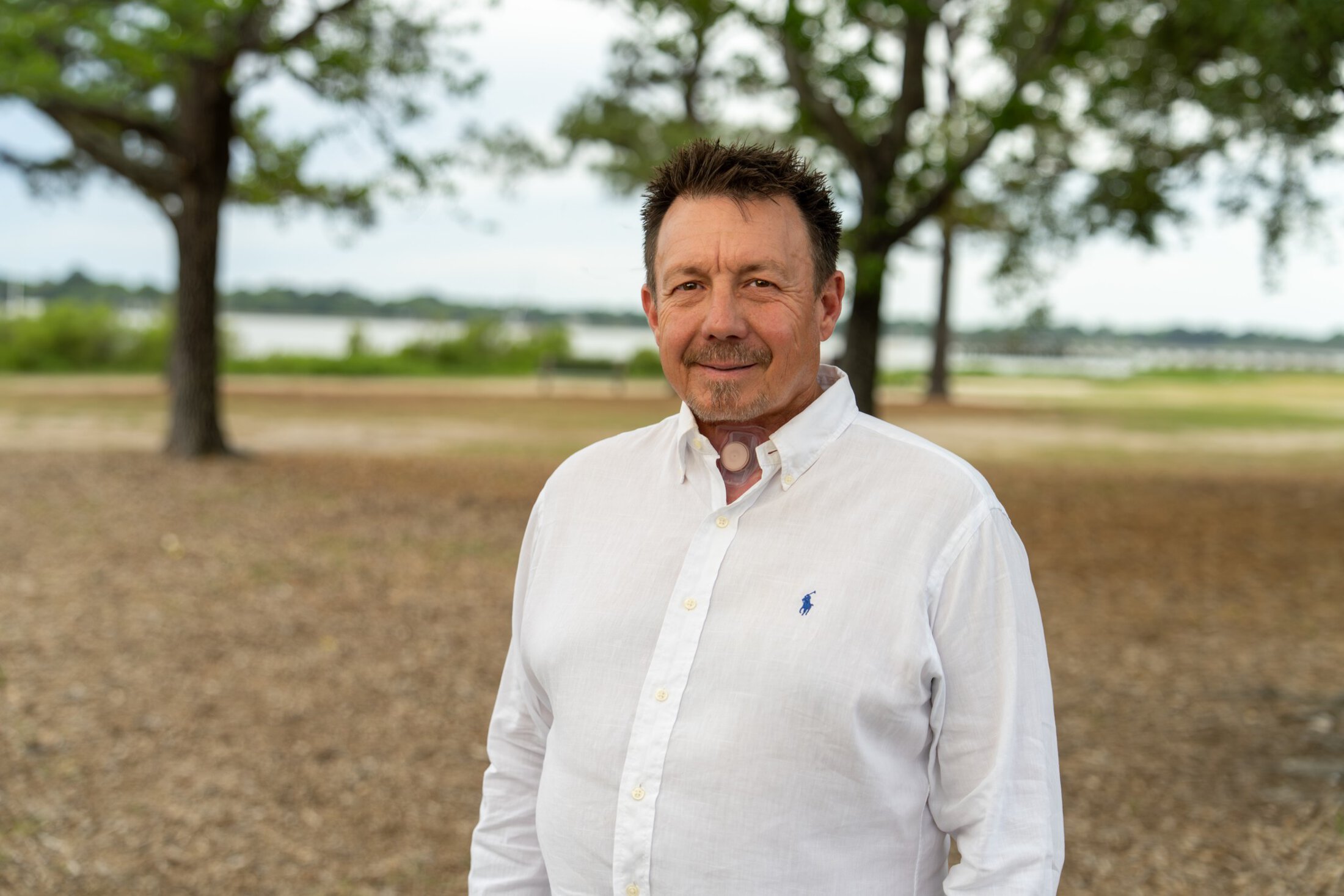
When Charleston resident Scott McLeod shared his wedding vows with his wife, Shana, in May 2025, it was with a new voice – one with an incredible story behind it.
Two years earlier, McLeod knew something wasn’t right when his voice became consistently hoarse. His primary care physician suspected a sinus infection or a ruptured vocal cord, but medications didn’t help. When an ear, nose and throat doctor checked his throat with a scope, it only took about 30 seconds to recognize a more serious problem.
“He told me my airway was down to 3 millimeters, and it looked like fast-growing cancer,” McLeod said. “He urged me to get to MUSC, saying it was a wonder my airway didn’t close when I was sleeping. All I could think about was how to tell my mom, Shana and my kids.”
McLeod recalls sitting in his truck overlooking a lake on that sunny day after his appointment. He shed a few tears and said a few prayers, letting his faith steer the way.
“I felt peace come upon me, and I knew there was a plan for me,” said McLeod. “I was ready to deal with whatever was in front of me. I live less than a mile from MUSC – one of the finest medical centers in the nation – and Shana walks to work in the Radiation Oncology Department at MUSC Hollings Cancer Center. That’s how close I am to where I needed to be.”
A two-part surgical process
The first step in McLeod’s treatment was to open his airway through an awake tracheotomy performed by laryngologist Kirsten Meenan, M.D., with assistance from head and neck cancer surgeon Alexandra Kejner, M.D. This procedure created an opening called a stoma in his neck and windpipe. The doctors then inserted a tracheostomy tube so that McLeod could breathe through the stoma while the medical team confirmed his diagnosis and developed a treatment plan. Because full anesthesia would have posed safety risks, the procedure was performed while McLeod was lightly sedated.

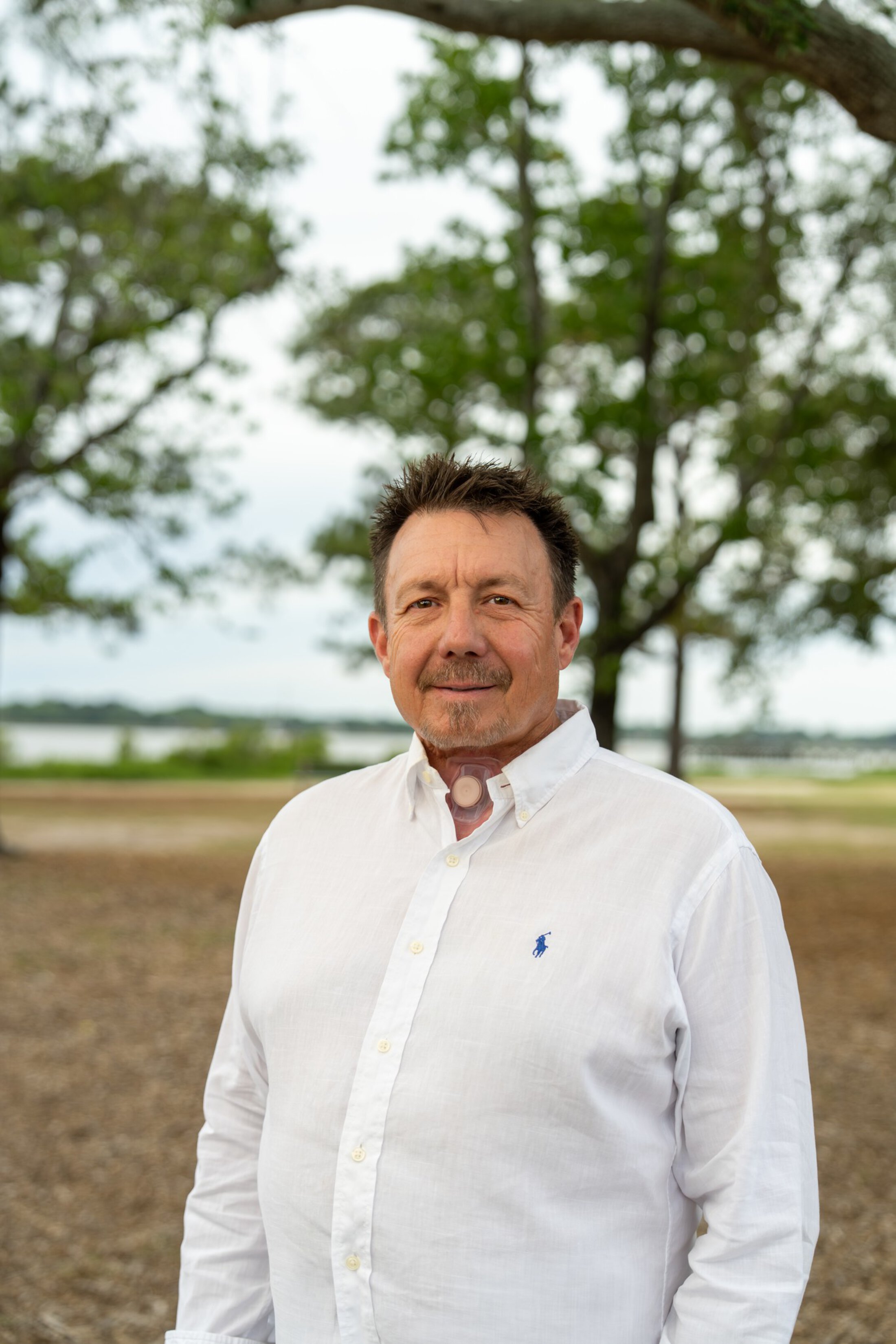
Next came testing. A CT scan revealed that McLeod had vocal cord paralysis, and a biopsy confirmed cancer in his larynx, often called the voice box.
“The larynx has three functions: it opens for breathing, closes for swallowing and produces the voice,” Kejner explained. She was part of the multidisciplinary tumor board team that met to discuss McLeod’s treatment options.
“Given the low likelihood that Scott’s larynx would regain function with chemotherapy and radiation alone, we recommended a total laryngectomy with post-operative radiation as the best approach to eradicate the cancer.”
A total laryngectomy is the complete removal of the voice box.
Kejner performed this complex surgery about a month after McLeod’s tracheotomy. During the procedure, she removed McLeod’s larynx, the tumor and the surrounding cancer cells. She separated McLeod’s windpipe from his esophagus and connected his windpipe to a permanent stoma for breathing. Kejner also placed a tracheoesophageal voice prosthesis (TEP) between his windpipe and esophagus to enable him to speak. Reconstructive surgeon Evan Grayboyes, M.D., then reconstructed the throat tissue to stabilize the space where the larynx and tumor had been.
Recovery, radiation and a new voice
A healing period was necessary after surgery to enable McLeod’s throat to tolerate the pressure of swallowing and talking. He initially had a feeding tube and communicated using eraser boards, peppering his messages with jokes and smiley faces. He also worked with the speech pathology team to use an electronic voice device called an electrolarynx to communicate while still healing.Wanting to be fully involved in his care, McLeod asked his nurses to teach him how to care for his new airway, including changing dressings, suctioning and cleaning. Once he passed a swallowing test – right on schedule – he could consume clear liquids and later solid foods. When it was time to try his new voice, speech-language pathologist Julie Blair, an integral member of the head and neck cancer team at Hollings, helped him to learn the whole new experience of communicating with a TEP.
Before a laryngectomy, the voice is produced when air passes through the vocal cords, and they vibrate to create sound, which is shaped into words by the mouth. After the procedure, patients breathe through the stoma. The TEP has a valve that can close to direct air into the esophagus, where it hits the tissue and vibrates to create sound. The sound travels up to the mouth to form words. Patients control the TEP valve by pressing a button on the stoma or by regulating their breathing for a hands-free option.
Your voice is a vital part of your identity, especially for someone so communicative. He’s been so generous in helping others facing a similar experience. To share that hope is such a gift.
McLeod was accustomed to straining to talk due to his restricted airway, so using the TEP came with a learning curve. Blair worked with him on holding the button and controlling airflow with much less pressure to create his voice without collapsing the tissues or straining.
To reduce the chances of cancer recurrence, McLeod simultaneously underwent 30 rounds of radiation therapy under the care of radiation oncologist Bhisham Chera, M.D. While radiation could have affected his ability to speak, the treatment was successful – and he even happily drove his motorized scooter to and from his appointments.
“Scott has always been a talker, and it was scary to think that he might not have his voice,” said Brenda Eady, McLeod’s mother. Eady drove six hours from Georgia to stay by his side for four months during his care journey. She noted that her son has also always carried himself with dignity, and he never lost that.
While McLeod thinks he sounds completely different, his family can still recognize his voice.
“It didn’t matter to me that his voice sounded a little different, as long as he could talk and tell me he loved me,” said Eady. “We’re so thankful he had the most phenomenal medical team ever.”
Sharing his voice
Not only was McLeod able to propose to Shana with his new voice, but they spoke their own wedding vows on their special day, surrounded by friends and family. Now 56, McLeod has shared his voice and experience in another important way. Through visits, calls and guest speaker roles, he has shown other patients and families that there’s life after laryngeal cancer. He’s also on the path to becoming an ambassador for Atos, the company that develops the laryngectomy voice and airway supplies he relies on.“He’s been inspirational,” Blair said. “Your voice is a vital part of your identity, especially for someone so communicative. He’s been so generous in helping others facing a similar experience. To share that hope is such a gift.”
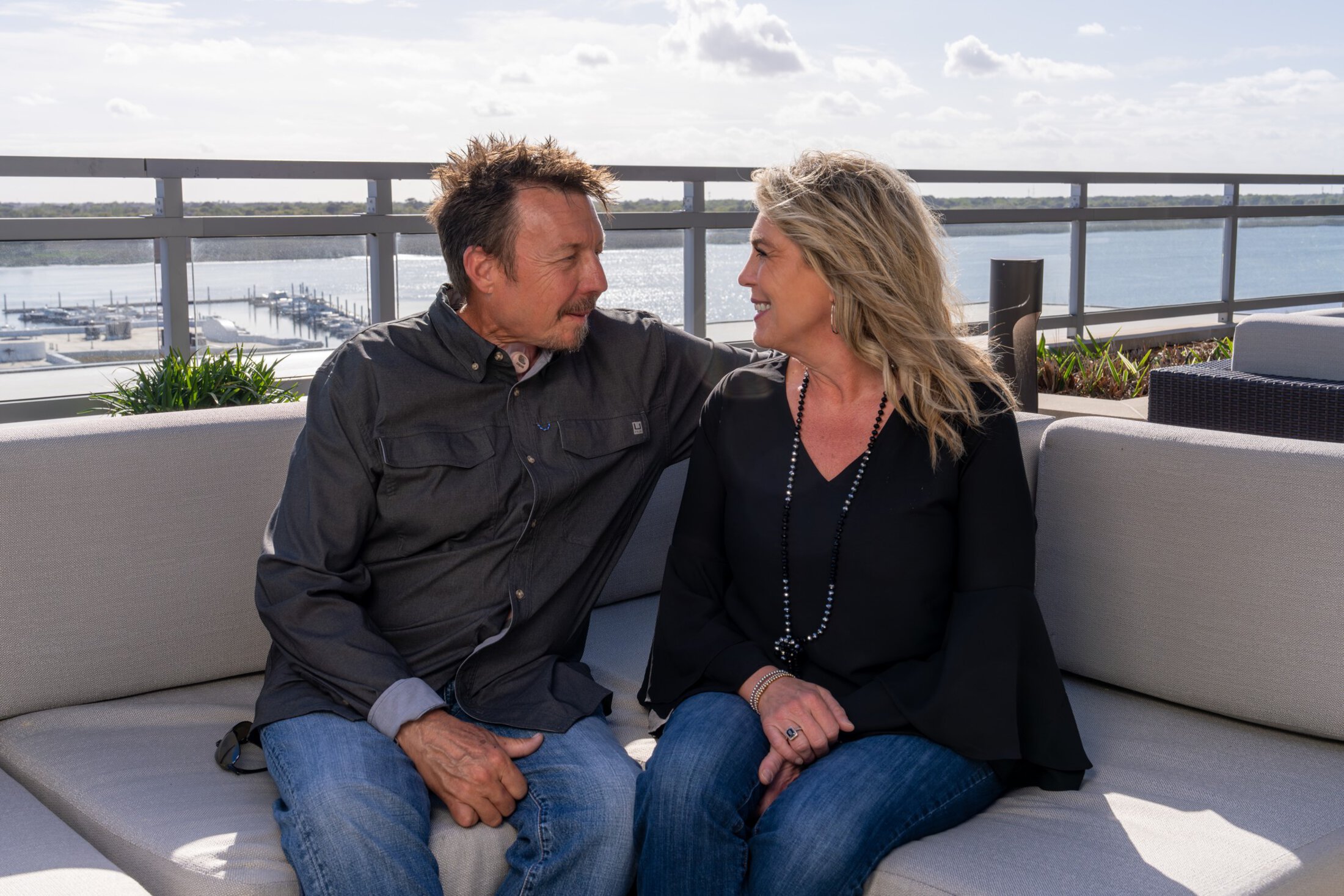
A former landscaping business owner, McLeod is returning to work. At a recent follow-up appointment, Chera told McLeod that his story is something to celebrate – and that his remarkable attitude is the driving force behind his success.
“I thank God and my entire team for saving my life and for being able to talk,” McLeod said. “If I can provide a little encouragement to others, I want to give back and help all I can.”
Featured in this story

Julie Blair, MA, CCC-SLP, BCS-S
Julie Blair, MA, CCC-SLP, BCS-S is a clinical speech pathologist at the Medical University of South Carolina and adjunct faculty at the College of Health Professions. She specializes in voice and swallowing rehabilitation in head and neck cancer and holds Board Certification in Swallowing Disorders.
Her academic focus includes speech and swallowing function after head and neck cancer treatment; voice restoration following laryngectomy; and swallow rehabilitation.
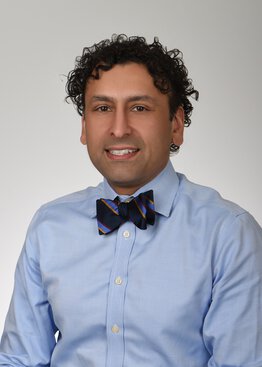
Bhisham Chera, M.D.
Bhisham Chera, M.D., is a board-certified radiation oncologist, Vice Chairman for Safety and Quality Assurance in the Department of Radiation Oncology, and the Wendy & Keith Wellin Endowed Chair in Radiation Oncology. His primary clinical emphasis is in the treatment of head and neck, and skin cancers.
Dr. Chera's academic interests are in head and neck oncology and health care quality and safety improvement. He is nationally and internationally known for his pioneering work in evaluating reduced intensity radiation and chemotherapy treatments for patients with human papillomavirus (HPV) associated with throat cancers. He has also co-invented a blood-based biomarker for HPV-associated cancers.
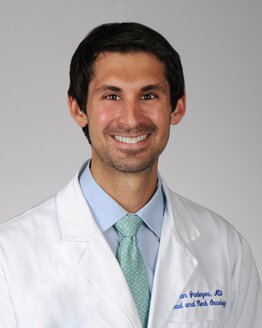
Evan Graboyes, M.D., MPH
Evan M. Graboyes, M.D., MPH, is a Professor in the Departments of Otolaryngology-Head and Neck Surgery and Public Health Sciences at the Medical University of South Carolina, where he serves as the Medical Director of the Survivorship Program and Director of Survivorship and Cancer Outcomes Research (SCOR) at the NCI-designated Hollings Cancer Center. As a fellowship-trained head and neck surgical oncologist and microvascular reconstructive surgeon, Dr. Graboyes focuses on the removal and reconstruction of benign and malignant head and neck tumors. Dr. Graboyes is certified by the American Board of Otolaryngology-Head and Neck Surgery.
Dr. Graboyes' clinical practice as a head and neck surgical oncologist informs and grounds his research program, which leverages his scientific training in supportive oncology, health behavior, and health services research to understand and address issues in cancer survivorship. Supported by more than $15 million in NCI funding, he has been the Principal Investigator on six NCI-funded trials evaluating cancer care delivery and supportive care interventions among cancer survivors. He has published more than 160 articles related to head and neck cancer, cancer survivorship, and cancer care delivery in leading clinical oncology journals.
At a national level, he is at the forefront of conversations shaping cancer care delivery and cancer survivorship through his work at NRG Oncology/NCORP (Vice Chair, Healthcare Access Research Committee), the American Society of Clinical Oncology (Chair-Elect, Health Policy Committee), the National Cancer Institute (Member, Social Determinants of Health Working Group), and the American Head and Neck Society (Chair, Value & Quality of Care Committee; Liaison, Commission on Cancer). He also serves as the Deputy Editor of JAMA-Otolaryngology Head and Neck Surgery.
Dr. Graboyes was born in St. Louis, Missouri, and raised in Wisconsin. He graduated summa cum laude from Princeton University with degrees in philosophy and public policy. He received his medical degree and completed his otolaryngology residency at Washington University School of Medicine in St. Louis. He completed his head and neck oncologic and reconstructive surgery fellowship at the Medical University of South Carolina, where he also received his Master of Public Health in Health Behavior and Health Promotion. He enjoys being outdoors in the Charleston area with his wife and three children.
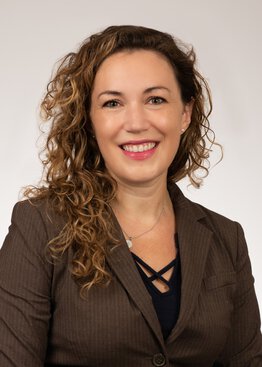
Alexandra Kejner, M.D., FACS
Dr. Kejner is an otorhinolaryngologist/head and neck surgeon dedicated to the treatment of head and neck patients, including those with malignant and benign tumors of the head and neck, including skin, sinus, oral cavity, oropharynx, voice box, neck, and salivary glands as well as the reconstruction of those areas after surgery using local tissue, skin grafts, and free tissue transfer. She also is specialty trained in advanced transoral robotic surgery of the upper aerodigestive tract.
She is certified by the American Board of Otolaryngology. She has published several articles in peer-reviewed journals and several book chapters. She is active in the American Head and Neck Society. She is on the board of the American Head and Neck Microvascular Section. She has been an invited panelist and organizer for multiple national and international meetings. She has acted as a preceptor at the annual Microvascular Bootcamp. She is a member of the Society of Integrative Oncology.
She speaks fluent Spanish. She is interested in medical technology, outcomes research, surgical margins, microvascular reconstruction techniques, head and neck cancer, and improving the quality of life of head and neck cancer survivors.
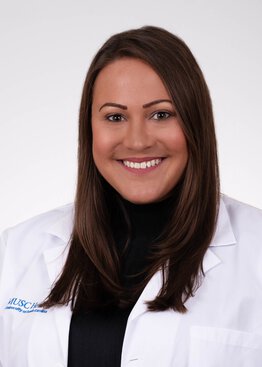
Kirsten Meenan, M.D.
Dr. Kirsten Meenan is a fellowship-trained laryngologist who specializes in the diagnosis and treatment of voice, swallowing, and airway disorders. Her expertise lies in the management of airway and breathing disorders, such as tracheal, subglottic, and posterior glottic scarring or narrowing. Dr. Meenan is also highly trained in the management of voice conditions, such as vocal fold paralysis, vocal fold polyps and cysts, early voice box cancers, recurrent respiratory papillomatosis, and spasmodic dysphonia. She performs laryngeal reinnervation surgery when indicated for vocal fold paralysis and selective laryngeal adductor denervation-reinnervation (SLED-R) surgery for spasmodic dysphonia, the latter pioneered by her mentor at UCLA.
Dr. Meenan also treats swallowing disorders such as Zenker's diverticulum and is trained in transnasal esophagoscopy. Dr. Meenan received her medical degree from Drexel University College of Medicine and completed her residency at the University of Maryland. Her laryngology fellowship was completed at University of California, Los Angeles. She is a board-certified otolaryngologist and member of the American Academy of Otolaryngology – Head and Neck Surgery.
Reducing the risk for head and neck cancers
Alcohol use is a known risk factor for laryngeal cancer. McLeod had struggled with alcohol use but has now been alcohol-free for eight years. Kejner noted that no amount of alcohol is safe when it comes to cancer risk, and she shared these tips for reducing the risk for head and neck cancers:- Maintain good oral hygiene.
- Get regular dental checkups.
- Avoid smoking and drinking.
- Eat healthy foods, including fruits and vegetables.
- Get the HPV vaccine to lower your risk of oral HPV infection.
In addition, see your doctor if you have:
- Hoarseness or a sore throat lasting more than two weeks.
- A lump in the neck.
- Ill-fitting dentures.

Kristen H. Indahl
Recent Cancer Patient Journeys stories