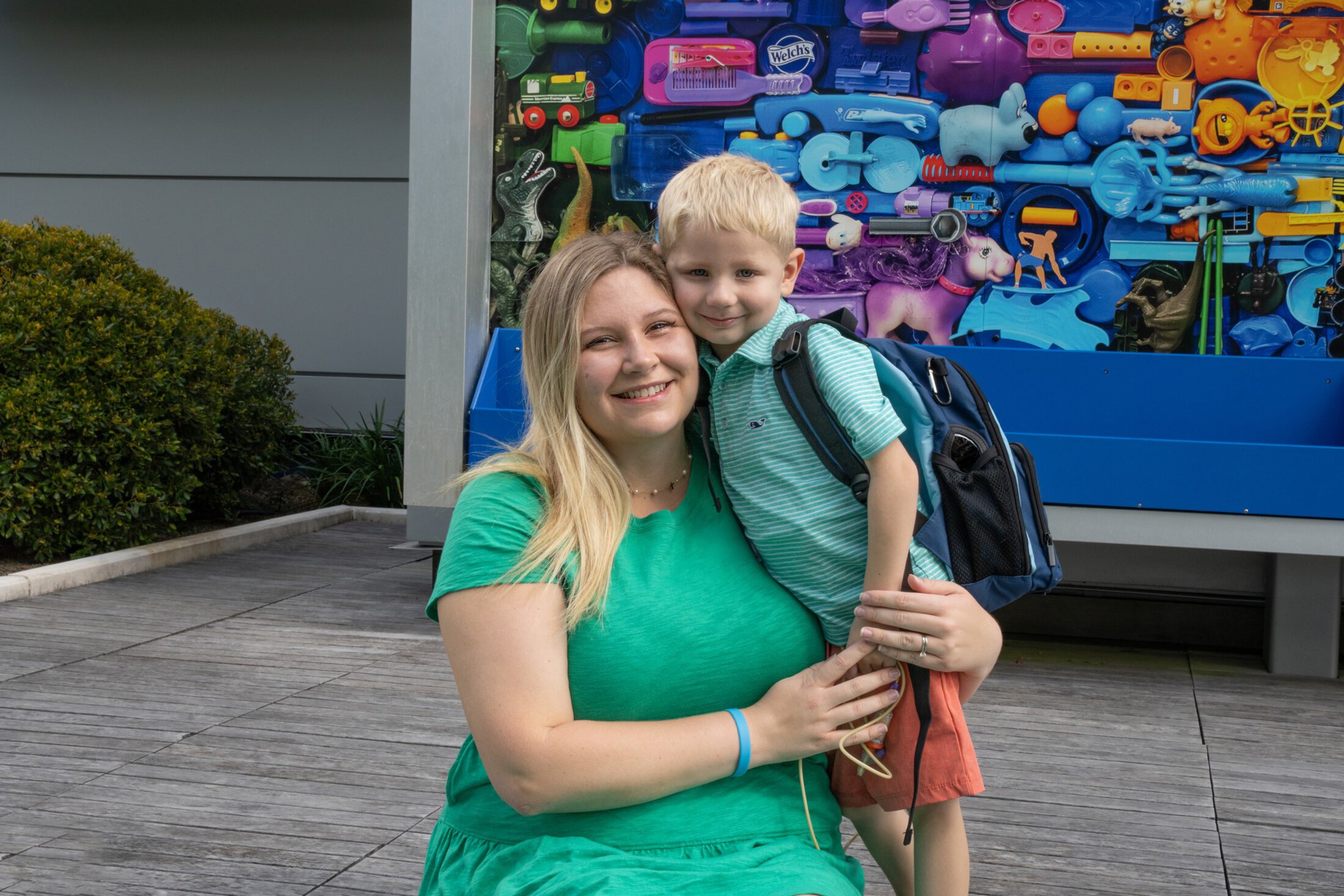
As Mother’s Day 2024 wound down, Allie Strong’s maternal instincts kicked in – but not for the reason she expected. Her 3-year-old son Luke, normally full of laughter and motion, had been unusually quiet all day. By evening, he was curled over, crying and clutching his stomach.
“It was so unlike him,” she recalled. “He kept saying, ‘My belly, my belly,’ and I knew something was very wrong.”
Her training as a nurse told her to get help fast. But she could never have imagined that her sweet, energetic son was facing one of the rarest childhood cancers.
What followed was Luke’s extraordinary journey from life-threatening diagnosis to hopeful recovery – one that would test modern medicine, unite dozens of specialists and culminate in complex, lifesaving surgery.
An unlikely diagnosis
Luke’s symptoms escalated quickly, from weight loss and vomiting to pale stool and yellowing of the skin and eyes. Doctors initially suspected a stomach bug. But after a frantic visit to MUSC Children’s Health After Hours Care, he was sent straight to the Emergency Department.
There, imaging revealed the culprit: a tumor on Luke’s pancreas. By morning, he was admitted to the MUSC Shawn Jenkins Children’s Hospital for a biopsy and stent placement, as the tumor was blocking his liver ducts.
Because the pancreas is tucked behind the stomach and wrapped by the small intestine, even obtaining a biopsy proved difficult. And since Luke’s tumor did not produce a blood marker that could help to confirm a diagnosis, doctors needed to perform multiple biopsies before they were sure of what they were facing.
It was a devastating diagnosis: pancreatoblastoma.
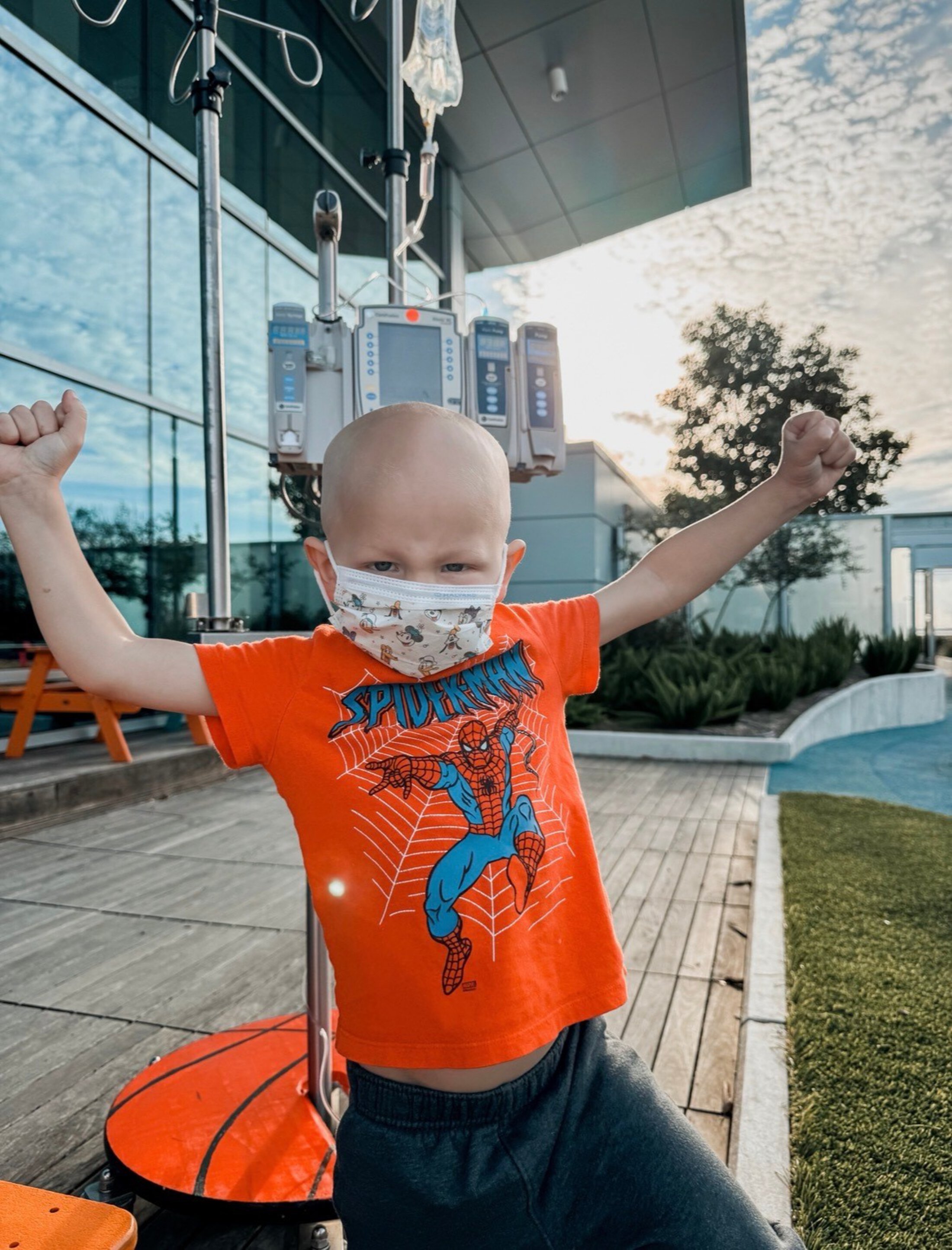
Pancreatoblastoma is a rare childhood cancer that accounts for less than 0.5% of all pancreatic tumors – so rare that Luke’s primary oncologist, Anca Dumitriu, M.D., an experienced pediatric hematologist-oncologist at MUSC, had never seen a case.
“Pancreatic cancer in children is extremely rare. And the type that Luke had even more so,” Dumitriu said. “That made determining a diagnosis and putting together a treatment plan highly complicated.”
A race against time
With a diagnosis finally in hand, Luke’s care team moved quickly. His tumor, however, posed a major obstacle. It was wrapped around critical blood vessels, making immediate surgery far too risky.
Luke’s case went before multiple tumor boards at MUSC, where specialists from adult and pediatric oncology, gastroenterology and surgery weighed in on treatment options. Their consensus was clear: Start with chemotherapy.
Six rounds of chemotherapy shrank the tumor, but it was not enough. The team then recommended proton radiation therapy – a targeted form of radiation that Luke and his family traveled to Florida to receive.
“We met people from all over the world there,” Allie said. “It really put things in perspective. Being only four hours from home felt like such a blessing.”
Despite a grueling treatment schedule, Luke’s spirit stayed strong.
“He never acted sick,” Allie continued. “Even in isolation, he stayed his sweet self.”
Radiation finally tipped the balance. Surgery was now possible, but it would be one of the most complex operations in pediatric oncology.
“Ultimately, the goal for this type of tumor is to remove it, with surgery being the key to long-term remission,” Dumitriu explained. “With Luke’s tumor in such a sensitive location, we knew surgery would be complicated – but it was our only shot.”
A high-stakes operation
Kevin Roggin, M.D., chief of surgical oncology at MUSC Hollings Cancer Center, and Robert A. Cina, M.D., a pediatric surgeon with MUSC Children’s Health, teamed up with MUSC Health’s Surgical Director of Liver Transplantation, Diego di Sabato, M.D., bringing together a rare blend of adult, pediatric and transplant expertise to guide Luke’s surgery.
“I remember thinking, ‘I don’t know how we could safely remove this tumor,’” Roggin recalled. “But we kept surgery on the table, and a multidisciplinary approach made it possible.”
That surgery was a pancreaticoduodenectomy, more commonly known as a Whipple procedure. Primarily performed on adults, the surgery involved removing the head of the pancreas along with part of the stomach and small intestine, duodenum, gallbladder, bile duct and surrounding lymph nodes.
“It’s like operating on the Boardwalk and Park Place of the body,” said Roggin, referring to high-value locations in the board game Monopoly. “There were a lot of structures to preserve and others to put back together. Every move mattered.”
Because the tumor touched major vessels, including the aorta, which brings blood from the heart to the intestines, the surgeons also had to rebuild critical connections that Luke’s body needed to digest food and absorb nutrients.
I always tell parents: ‘Ask questions, be part of the process and let us know when you need help.' Cancer affects the whole family. And we’re here for all of them.
At the end, the operation was a success – an outcome the team still marvels at. “It was an incredible achievement,” Dumitriu emphasized.
“That’s why we do what we do,” Roggin added. “We didn’t know if surgery would work. But we had to try – for Luke, for his family and for every child like him.”
A long recovery – and a fighter’s return
Despite the operation’s success, Luke’s recovery has been steep. He endured hospitalizations, infections and the deep exhaustion that follows aggressive treatment.
After surgery, he began targeted therapy tailored to the genetic makeup of his tumor to eliminate lingering cancer cells and prevent recurrence – a treatment plan that will continue for two years after his surgery. He takes oral chemotherapies every night through a port in his stomach, a routine he handles “like a pro,” according to Allie. Because more than half of his pancreas was removed, Luke also needs lifelong pancreatic enzyme replacement therapy to help his body to digest food, along with a daily regimen of medications and vitamins.
Nevertheless, aside from a brief illness last fall, Luke has stayed remarkably well. And throughout it all, his spirit never dimmed.
“I knew he was getting better when he started laughing at my terrible jokes again,” Dumitriu said with a smile. “He’s resilient. He loves to draw for the team and lights up every room he’s in.”
One of the clearest signs of his comeback came not long after surgery, when Luke challenged Roggin to a sword fight. “That’s when I knew he was back,” he said.
Nearly a year out from surgery, Luke’s life looks strikingly different.
Now 4 years old, he spends his days playing T-ball and bonding with his two younger sisters, including a baby sister born after his surgery, and sporting an appetite that still surprises his parents.
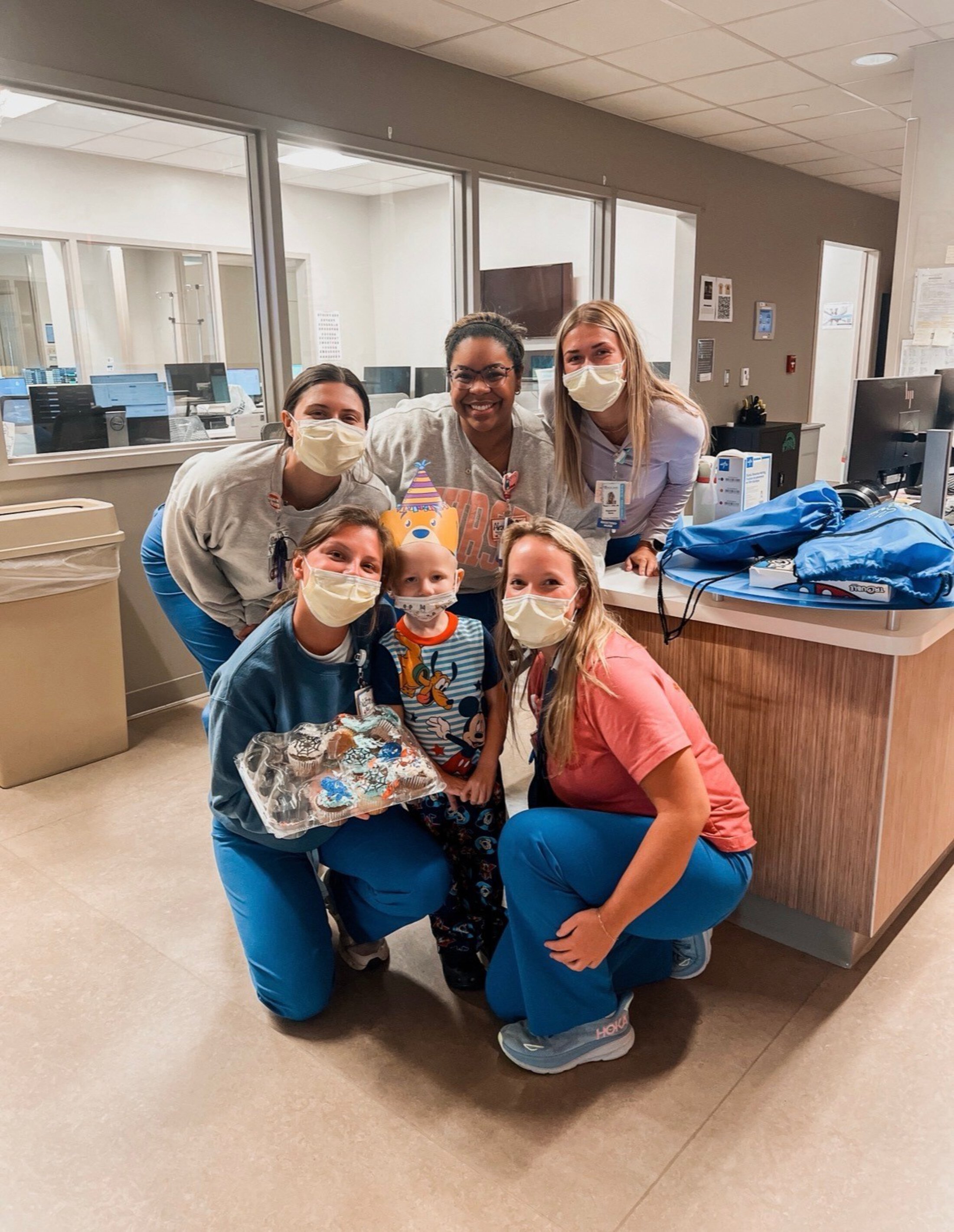
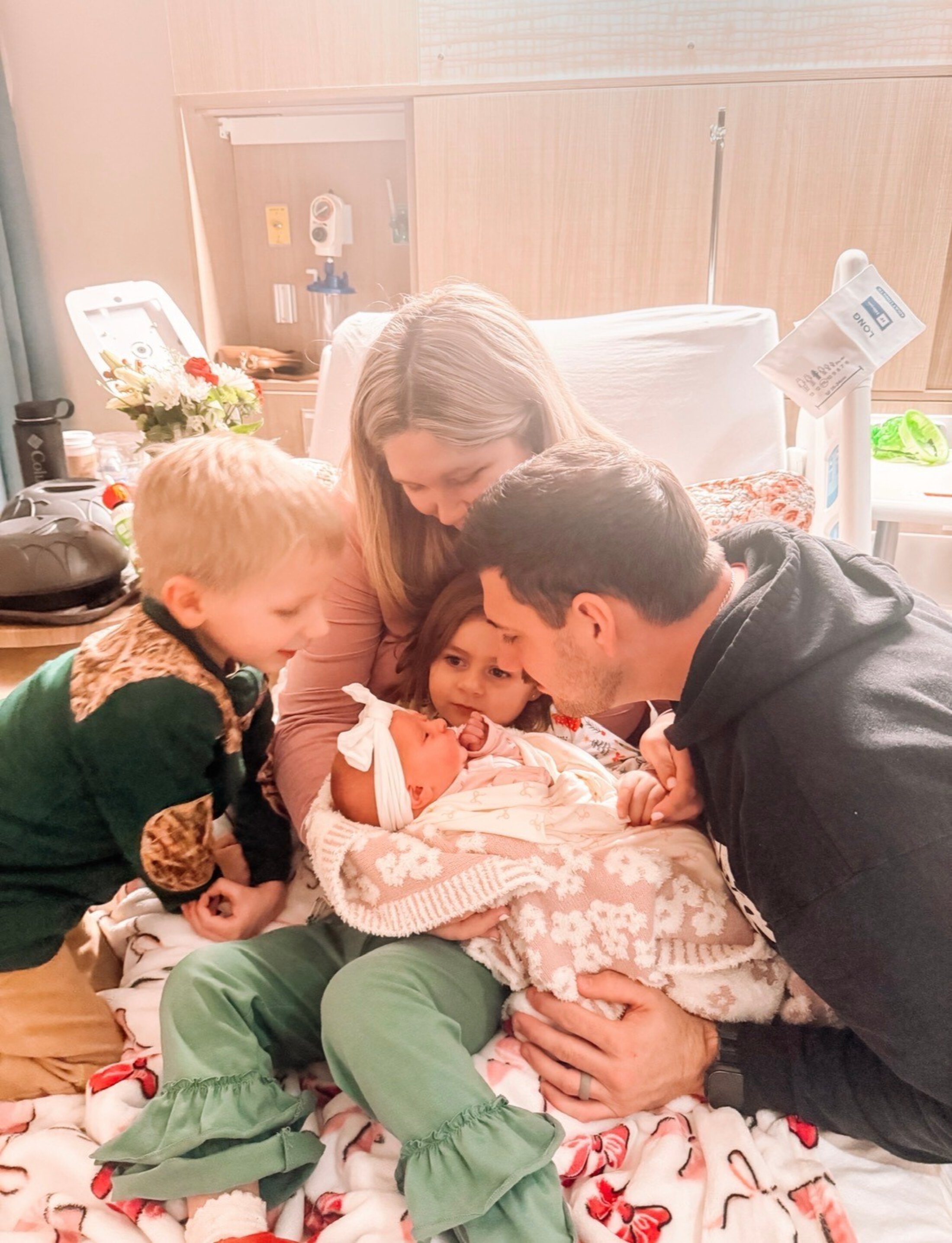
“He eats more now than in the last year and a half,” Allie said. “My husband and I are amazed. He has so much energy. You wouldn’t even know he’s on chemo.”
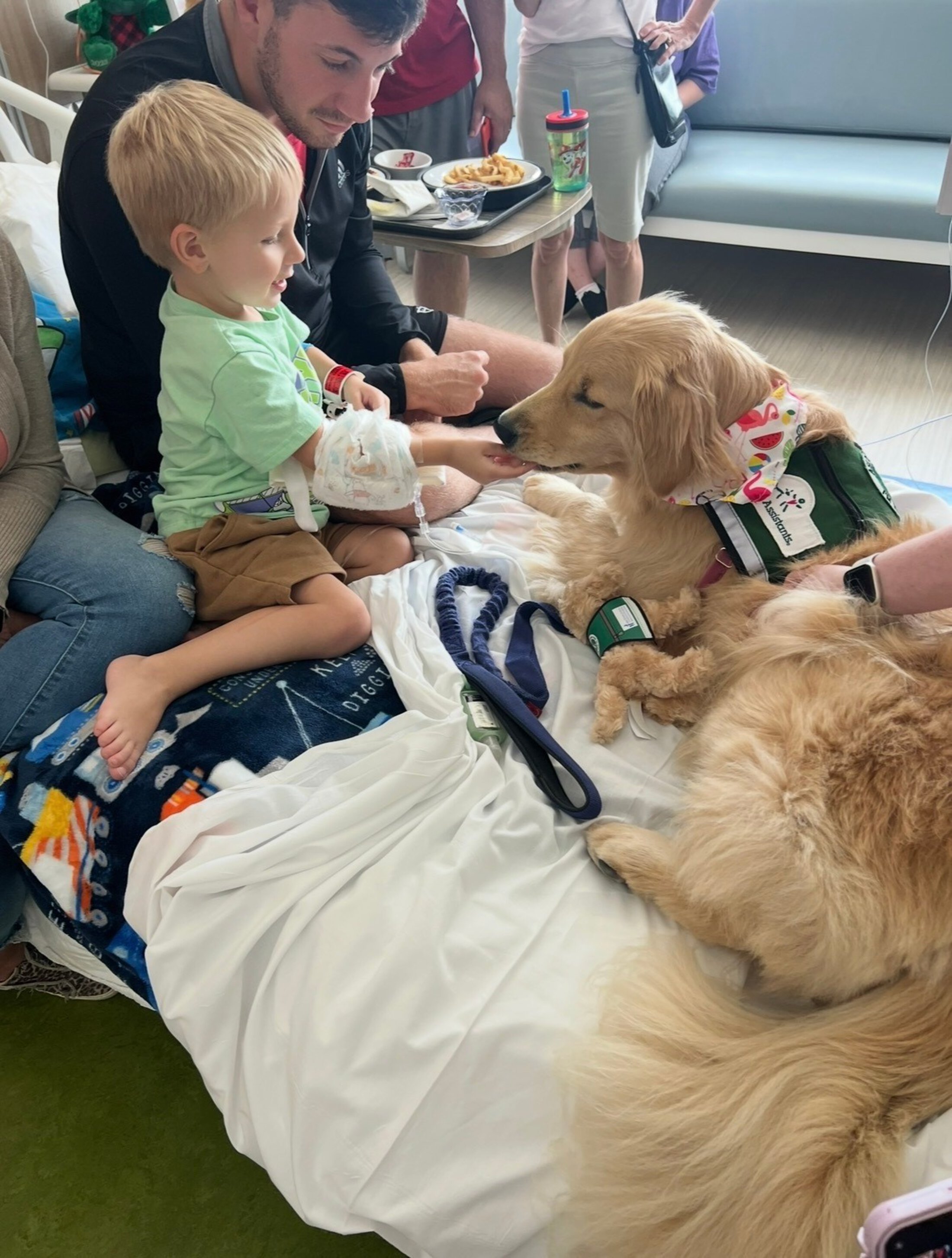
Luke continues to be closely monitored through MUSC’s pediatric oncology team, which includes oncologists, psychologists, registered dietitians, social workers and a therapy dog named Cher, who made such an impression on Luke that the family even adopted a golden retriever of their own.
Luke still comes in for follow-up visits once a month, with scans every three months, but it is a welcome change from the weekly appointments that once defined his care. He also understands more about his experience than his parents sometimes expect, knowing when it’s “chemo time,” asking whether visits will involve dreaded needles and searching for the Nemo and Dory stickers on the CT scanner each time he goes in for imaging.
“He’s pretty aware of what’s going on,” Allie said. “But he handles it really well.”
And, in a thrilling start to the new year, his most recent scans in January showed no evidence of cancer.
The family still remains vigilant, especially during cold and flu season, but those precautions feel small compared with how far they have come.
“Compared to this time last year versus now, it’s totally different,” Allie said.
August will bring even more milestones. Not only will Luke celebrate his fifth birthday and start kindergarten, but he and his family will set sail on a Disney cruise sponsored by Make-A-Wish.
Luke’s journey has been one of medical complexity but also of trust, teamwork and resilience. His care brought together dozens of specialists across MUSC Children’s Health and Hollings Cancer Center, with his family actively involved every step of the way.
“I always tell parents: ‘Ask questions, be part of the process and let us know when you need help,’” Dumitriu said. “Cancer affects the whole family. And we’re here for all of them.”
For Allie, the experience strengthened her already deep connection to MUSC.
“I was born here, went to nursing school here and had my children here,” she said. “And now this. The team has been incredible. They answered every question, took every call. We couldn’t have asked for better care.”
Today, Luke is home, healing and being a kid – still sword fighting and still moving forward.
“This is his testimony,” Allie said. “It’s part of his story now. And we want to use it for good.”
Physicians featured in this story
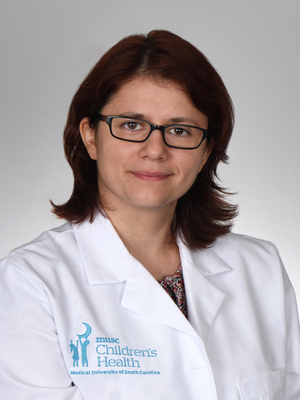
Anca Dumitriu, M.D.
- Pediatric Cancer
- Pediatric Hematology/Oncology
- Charleston, SC
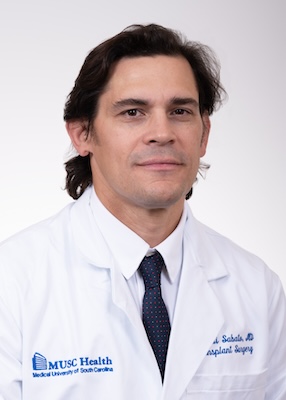
Diego di Sabato, M.D.
- Transplant Surgery
- Hepato-Pancreato-Biliary Surgery
- Liver Transplant
- Pediatric Transplant Surgery
- Charleston, SC
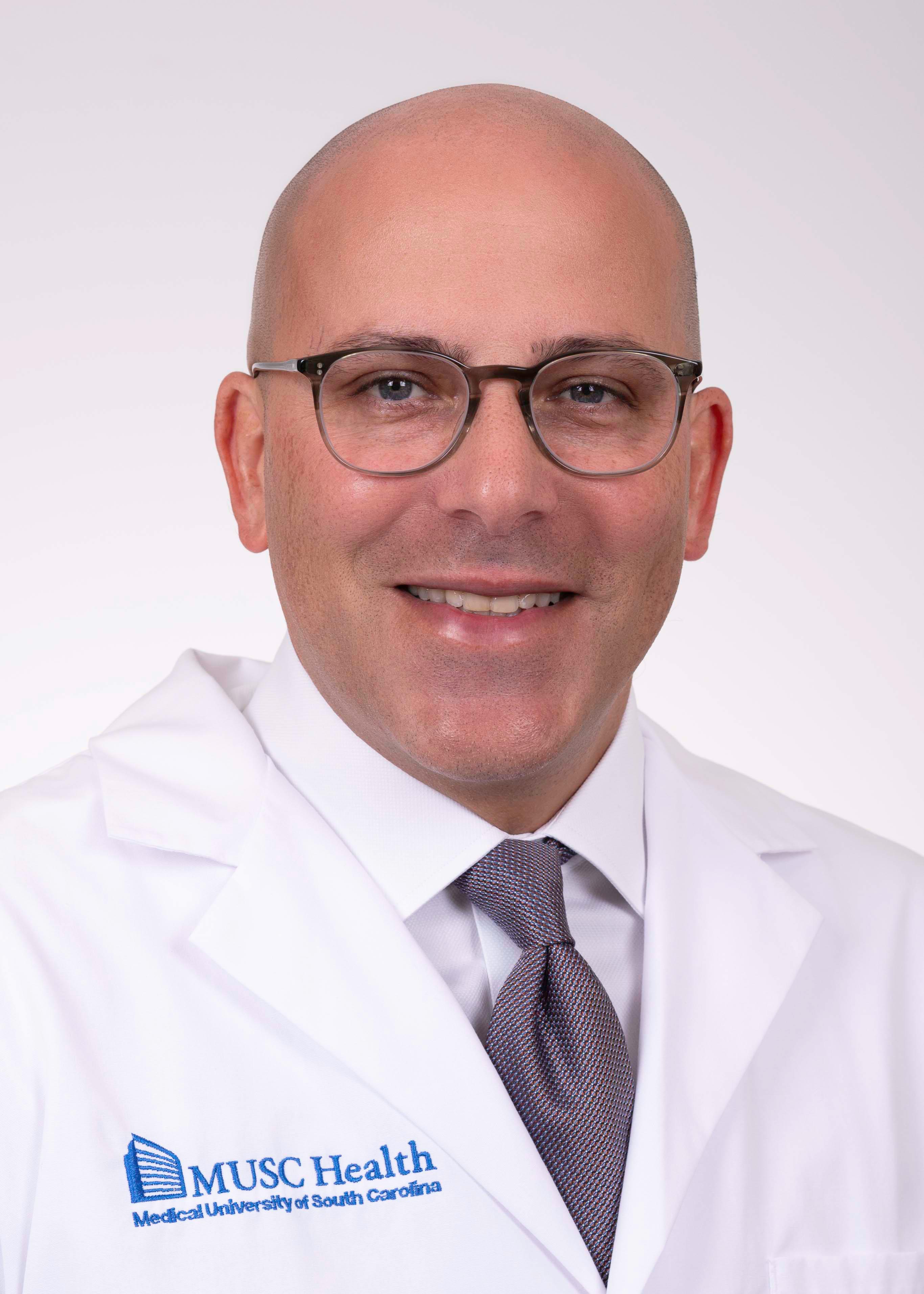
Kevin Roggin, M.D., FACS, FSSO
- Surgical Oncology
- Biliary Cancer
- Gastrointestinal (GI) Surgery
- Gastrointestinal Cancer
- Hepato-Pancreato-Biliary Surgery
- Liver Cancer
- Pancreatic Cancer
- Sarcoma Cancer
- Charleston, SC
- Mount Pleasant, SC
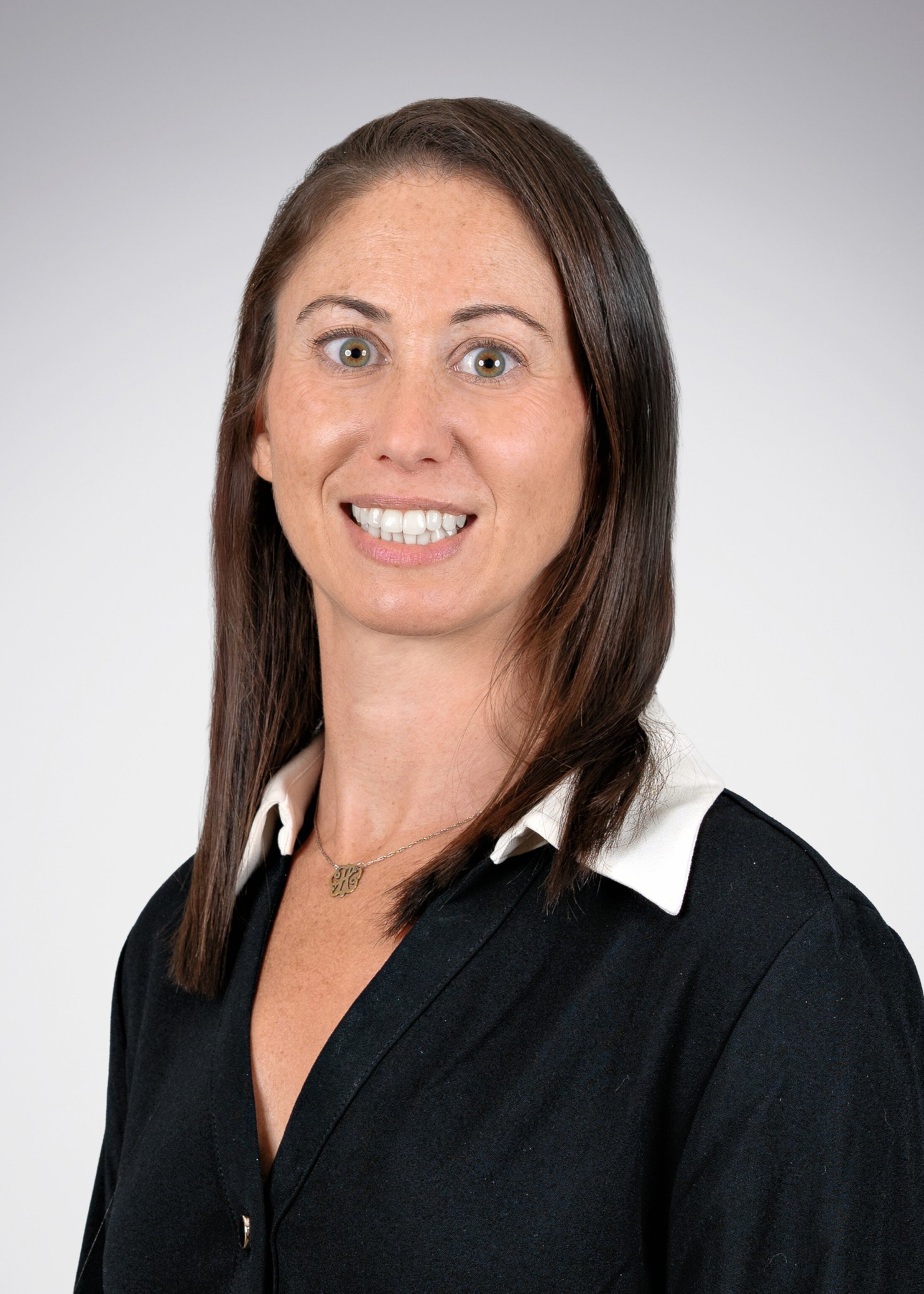
Hayley Kamin
Communications Manager
Hayley Kamin is the communications manager for the Hollings Cancer Center Communications and Marketing team, having joined the team in 2025 after three years as a communications specialist at the National Institutes of Health (NIH). As a science communicator with a Ph.D. from the University of Florida, she has extensive experience translating complex research into clear, engaging content. Her career has included roles at the NIH’s National Institute of Mental Health and the American Psychological Association, where she led content development and editorial strategy, developed science and health communications and worked with researchers and clinicians to strengthen public understanding of research.
Contact Hayley at kamin@musc.edu.
Recent Cancer Care stories