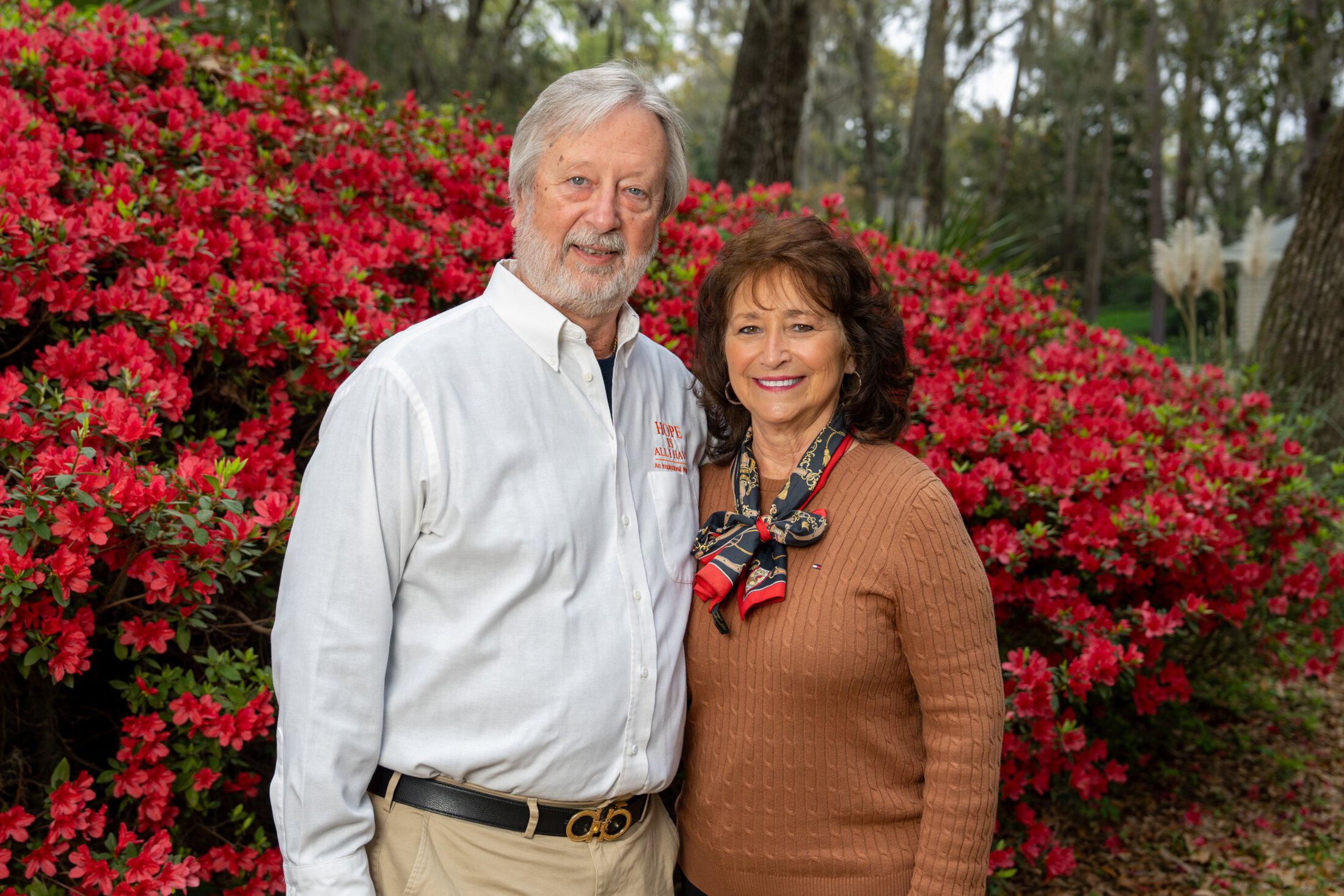
Billy Douglas woke up from surgery with a mission: Educate people about cancer.
“That was my promise to God,” he said. “I died, and my spirit left MUSC, and I had an intervention with God. And I made a promise to him: ‘If you let me stay on earth, I'll be your prophet for cancer.’”
He’s stayed true to that promise and, as it turns out, he’s educating two groups. Through his own efforts, he’s reaching people in his community and beyond, talking about cancer symptoms and how to access treatment and support. And because of his case and the bold new approach doctors used, providers across the country are learning about another option for handling certain surgical complications.
One for the books
If you are going to have cancer, then you probably want a straightforward, textbook case.
That’s not what Billy got.
In fact, his treatment at MUSC Hollings Cancer Center became the subject of two published case studies – one outlining how physicians addressed a known surgical complication and another documenting his continued good health four years later.
Reading his own case study was sobering.
“I think if I was anywhere else in this country – forget in this state, in this country – I would have died,” he said.
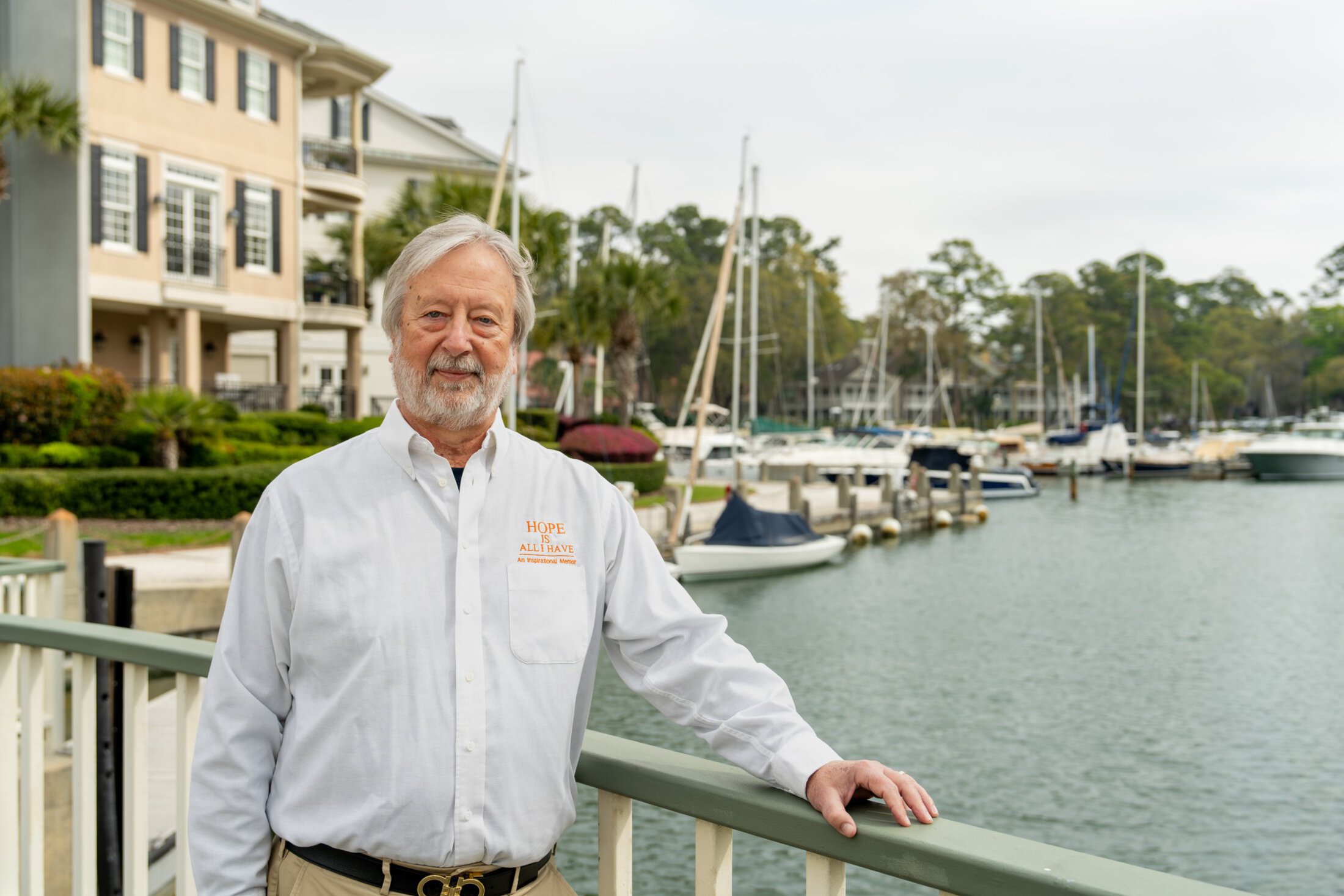
One of his doctors, now-retired urologic oncologist Thomas Keane, MBBCh, even warned that that was a possibility.
“He told me – I didn’t give a lot of credence to it, but he said, ‘I’ve lost patients in this operation.’ And I’m like, ‘OK. Well, I’m fit. I’m a young 66.’ But sure enough – I might should have listened a bit more,” he said.
Billy had advanced kidney cancer, diagnosed at his local hospital after two visits to the emergency room with intense pain and blood in his urine.
“They said, ‘Let’s eliminate enlarged prostate, kidney stone, whatever. Let's do a CT.’ And then, bam, it was there. It was bad. It was huge. I mean, everybody had me dead.”
Billy lives in Hilton Head, and the urologist he consulted there told him he needed to be seen at MUSC.
At the time, Billy didn’t know much about MUSC or Hollings. He didn’t know that Hollings is a National Cancer Institute-designated cancer center, meaning that it’s demonstrated a level of scientific rigor in its research, offers a variety of clinical trials and conducts community outreach. As part of an academic medical center, Hollings can pull from the expertise of physicians across the spectrum, including not only oncologists but, in Billy’s case, interventional radiologists, cardiothoracic surgeons and transplant surgeons.
“We were lucky. We were blindsided like so many people are,” said his wife, Linda, of that stunned feeling after receiving the cancer diagnosis. “But a lot of people aren’t lucky. They don’t get to the right place. But we did.”
Billy’s surgery was tricky because the tumor, almost 4 ½ inches in length, had started to grow into the inferior vena cava, a large vein that serves as a highway for blood to return to the heart, ready to return to the lungs and resupply with oxygen.
Kidney tumors have a tendency to do that, explained oncologist Todd Gourdin, M.D., a member of Billy’s care team. But it makes surgery especially delicate, as there’s the chance that the tumor can break off and be carried up the vein toward the heart and lungs – which is exactly what happened to him.
The tumor blocked blood flow, acting as a pulmonary embolism. Suddenly, Billy’s lungs weren’t getting blood. The rest of his organs weren’t getting oxygen, and his blood pressure was dropping fast. Doctors administered medications to get the blood flowing as best they could and consulted with cardiothoracic surgeons, who, given Billy's near-death state, advised leaving the tumor until he could be stabilized.
Linda, in the waiting room, was ushered into a private meeting space where doctors told her what had happened.
“You're hit by a bucket of cold water. You sit there, and you’re sort of trying to get your bearings: ‘What was I just told?’”
We were lucky. We were blindsided like so many people are. But a lot of people aren’t lucky. They don’t get to the right place. But we did.
Yet she never doubted that he would pull through, she said.
“As far as me thinking he's going to leave earth or something – I really didn't. I don't know if that was just wishful thinking or refusing to accept something that might happen, but I didn’t. My prayer was, ‘Let me get him home, and I can help him heal.’ I told him, ‘I can’t heal you. That’s between you and your God. But I can cook for you.’”
Introducing the PERT to cancer
As it happened, MUSC Health had recently formed a Pulmonary Embolism Response Team (PERT).
The team’s task was to respond to pulmonary embolisms, which are usually caused by blood clots, and remove them by threading a specialized catheter through the veins to suction out the clot, a procedure called aspiration thrombectomy.
Even though Billy’s tumor was blocking blood flow the same way that a blood clot would, it was distinctly different – and not something the PERT was intended for. But with a high mortality rate if nothing else was done, the team went to Billy and Linda with a plan to act.
Interventional radiologist Antony Gayed, M.D., then a resident, was part of the team that would remove the clot.
Gayed later published a paper about the case and has presented it at conferences.
“It’s not common to do this for a tumor,” he explained.
In the past, an embolized tumor like this would probably be addressed with an open surgery, he said. But the interventional radiology field has been using larger and larger catheters to perform thrombectomies on blood clots, and that opened the possibility of doing the procedure on a tumor. Had they still been using the smaller catheters, Gayed said, the tumor wouldn’t have fit. Nor was the tumor likely to respond to clot-busting drugs that are used to dissolve blood clots.
Instead, the team pulled out the long stringy tumor in one piece – all of the nearly 6 inches of it, once they were finally able to measure it outside the body.
Gayed wrote the first paper to share this procedure with colleagues across the country.
“Now that these PERT teams are becoming more commonplace, the application to tumors is something that would come up in a hospital. Someone could read a paper like this when they're getting called for a consult and see, ‘OK, this can be done,’” he said.
He wrote the follow-up paper to show that, in this case, the procedure has had good long-term outcomes.
“The remarkable thing is that after doing this, there was some tumor residue left in the inferior vena cava in his belly, and then some in the chest because you can't get 100% clearance when you do something like this. But we got follow-up imaging over multiple years, and there's no residual tumor,” Gayed said. “So a doctor might say, ‘Well, you can do it, but it's going to progress anyway. It's not going to make a big difference.’ But you can see, we have multiple years of follow-up after we did this, and there's no tumor left.”
Spreading the word about cancer
Billy did not forget his promise. He immediately set about writing a book about his experience. He wanted to write it while he was feeling all the emotions that accompanied illness, treatment and recovery.
“I couldn't write that book today,” he said. “God lets us forget things that hurt us.”
Gourdin is impressed by Billy’s tenacity and determination. Lots of patients mention that they want to write a book, but Billy followed through, publishing “Hope is All I Have: Defying the Odds of Cancer,” which became a finalist for the 2025 ChristLit Book-of-the-Year Award.
Billy’s treatment didn’t end after surgery. He received an immunotherapy and targeted therapy combination for a couple of years. Eventually, faced with the choice of continuing or stopping the medication, he asked Gourdin about seeking a second opinion. Gourdin connected him with a couple of doctors – including the doctor who had led the clinical trial into the drug combination that Billy was on. Billy traveled to Vanderbilt-Ingram Cancer Center to consult with the doctor and returned satisfied with his decision to stop the medication – but not before sharing his story with Vanderbilt-Ingram's community of patients via their magazine, Momentum.
He’s continued to tell his story. He does speaking events, not just to talk about what he went through, but to help people to understand so many of the things that he’s learned along the way: how to find a doctor, what different terms mean, how important caregivers are, and the importance of second opinions.
He started a foundation, Terminate Cancer, to raise money for cancer research. The foundation hosts community learning events featuring MUSC cancer doctors and researchers who explain their work and the latest developments in cancer.
And, responding to an unmet need in his area, he started a support group called “Cancer Patients, Survivors and Caretakers of the Lowcountry.”
There is a huge desire for this information and support, he said. Whenever he does an event, he ends up staying long after it’s over to continue speaking with people.
“We’ll get 100 or so people,” he said. “The room will hold 150, so I’m not happy until we fill that room!”
That’s Billy – always striving for more.
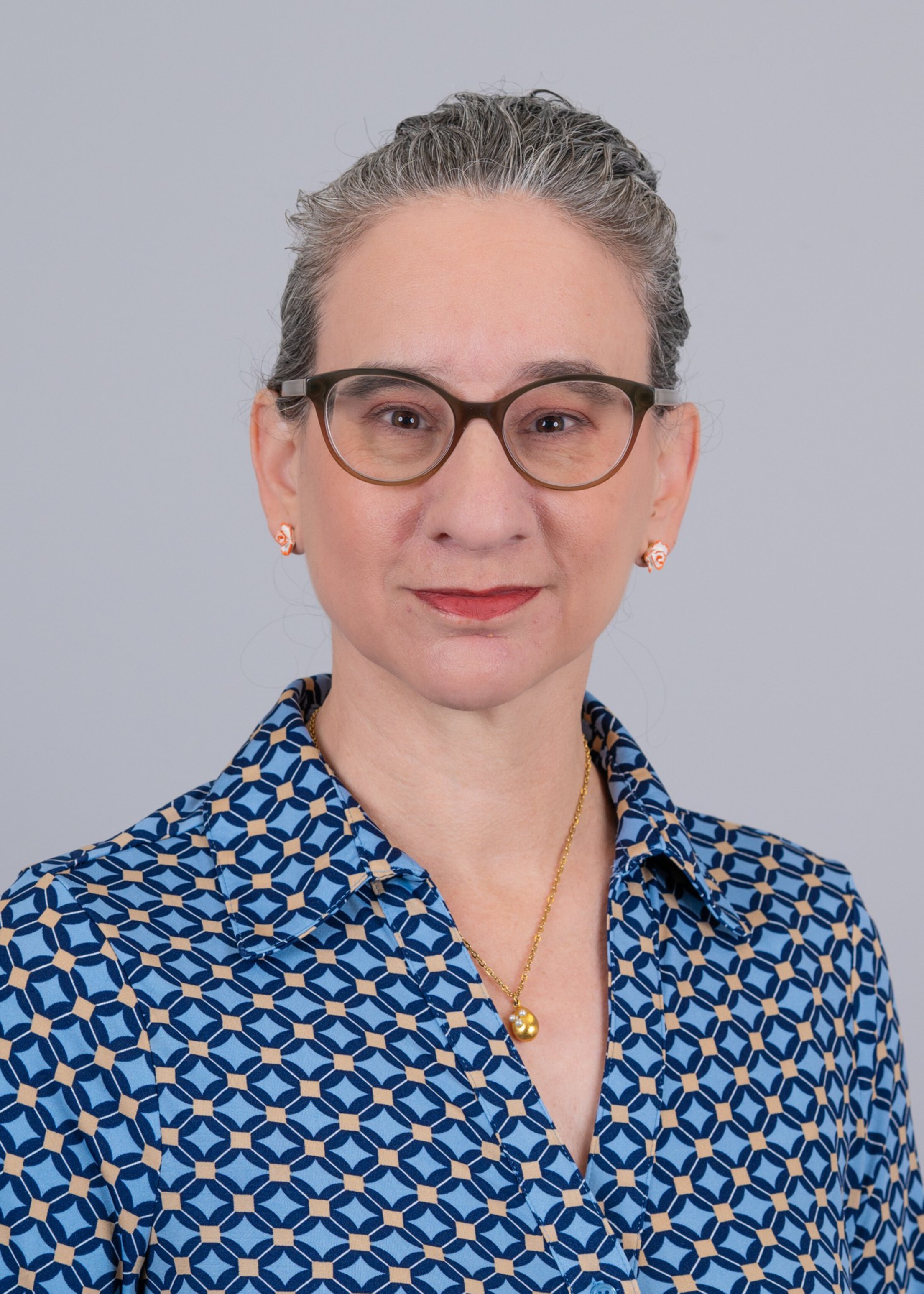
Leslie Cantu
Senior Communications Manager
Leslie Cantu is the senior communications manager at MUSC Hollings Cancer Center, where she works with researchers, clinicians and patients to tell the people of South Carolina about the innovative work being done to improve cancer care for everyone in the state. She joined the MUSC Office of Communications and Marketing in 2018 after a career as an award-winning writer, editor and producer at community newspapers and local TV news. She transferred to the communications office at Hollings in 2022, where she happily finds something new and interesting to write about every day. Her favorite stories to cover at MUSC have included Match Day, the Angel Tree Parade, a clinical trial of CAR-T cell therapy and the many patients who have agreed to share their very personal struggles and triumphs.
Contact Leslie at cantul@musc.edu.
Recent Cancer Patient Journeys stories