At the American Association for Cancer Research (AACR) Annual Meeting this spring, cancer survivor Angela Timashenka Geiger found herself surrounded by researchers, clinicians and cancer advocates from around the world. The conference halls buzzed with conversations about molecular pathways, cancer biology, clinical trials and emerging therapies as scientists unveiled discoveries that could form the future of cancer care.
For Geiger, some of the most meaningful conversations centered on what happens after treatment. Representing MUSC Hollings Cancer Center and its Survivorship and Cancer Outcomes Research (SCOR) Initiative, Geiger participated in AACR’s Scientist↔Survivor Program, a competitive national advocacy and training program that brings cancer survivors and patient advocates into the scientific conversation.
The AACR program placed Geiger among a select national cohort learning not only how to understand and communicate cancer research but also how to ensure survivor perspectives have a voice in shaping that research. The program reflected something already happening at Hollings through SCOR: a growing recognition that survivorship is not a side conversation in cancer care but an essential part of it.
“What’s groundbreaking is that a cancer surgeon is leading this work,” Geiger said of SCOR. “People in the survivorship community talk about these efforts all the time. The fact that Hollings has invested in this work and that it's being championed at such a high level is really important.”
Shaping survivorship from the ground up
That perspective has made Geiger one of SCOR’s strongest advocates and leaders. She chairs SCOR’s Survivor Working Group and serves on the program’s external advisory board, helping to ensure survivor perspectives are woven throughout the initiative’s research, clinical care and community engagement efforts.
Her involvement began when Hollings physical therapist Katie Schmitt, DPT, introduced her to SCOR director Evan Graboyes, M.D., as the initiative was taking shape. At the time, the program was still building its framework for how survivorship research, patient engagement and clinical care could work together.
Until doctors hear about lived experience, they don’t know to study it.
Graboyes quickly recognized Geiger’s unique perspective, shaped by decades of professional advocacy combined with the lived experience of a cancer survivor. He described Geiger as a “trusted and engaged resource” during SCOR’s formative years, contributing to the initiative with both strategic insight and a strong understanding of research and advocacy.
Before joining SCOR, Geiger held leadership roles with national organizations, including the American Cancer Society, Alzheimer's Association and Autism Speaks. Unlike advocates who often enter survivorship work after a cancer diagnosis, Geiger’s advocacy came first. Her own diagnosis added a deeply personal dimension to work she was already invested in.
“I get to use my professional experience with SCOR, and it just so happens I’m a survivor,” she said. “It makes me more credible because I can say, ‘Yeah, I’ve had that experience, too.’”
Survivorship became personal after Geiger was diagnosed with breast cancer in 2021. She underwent chemotherapy, radiation and hormone therapy at Hollings after deciding to remain in Charleston for treatment. She said Hollings’ status as South Carolina’s only National Cancer Institute-designated cancer center gave her the confidence to stay local for her care.
“I know what that means,” she said of the NCI designation. “I know the discipline it takes and the prestige it confers.”
Publicly sharing her experience did not come easily. For years, Geiger kept her diagnosis private, telling only a small circle of people while continuing to work throughout treatment. Graboyes described Geiger’s choice to step into a more visible leadership role within SCOR as a defining moment for the program.
“Watching someone go through that challenging experience and decide it was more important to support SCOR than it was to keep things private was really meaningful,” he emphasized.
Bringing survivor voices into research
That commitment ultimately led Geiger to AACR’s Scientist↔Survivor Program, which provides participants with training in cancer science, research communication and advocacy while immersing them in one of the world’s largest cancer research meetings.
Graboyes nominated Geiger because he believed the experience would strengthen her advocacy skills and SCOR’s survivorship mission. He also highlighted her interest in engaging diverse communities in survivorship and research initiatives across South Carolina.
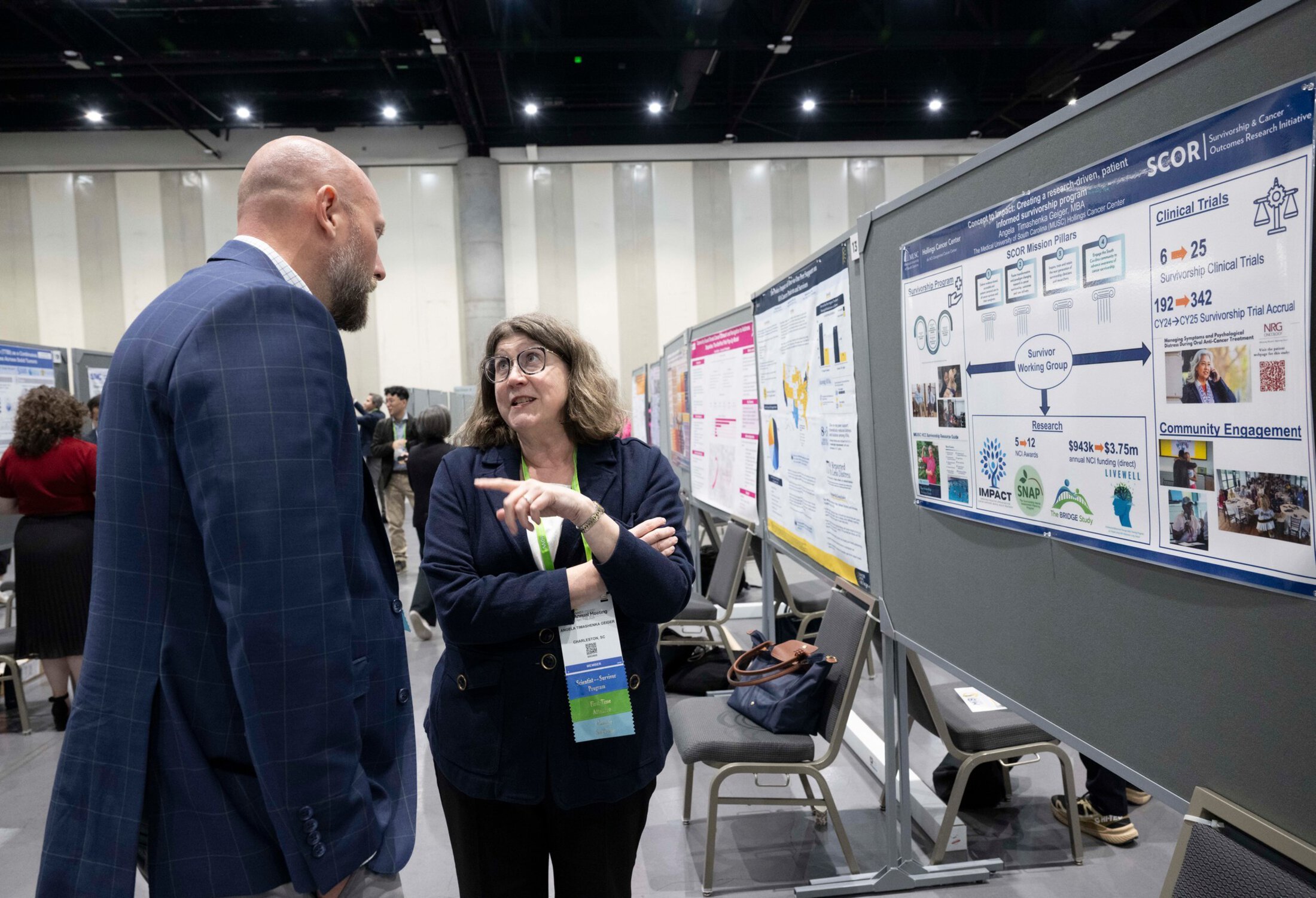
“I thought it would be something that would help both her and SCOR grow,” he said. “It seemed like a great opportunity to build upon Angela’s already strong foundation as someone with leadership experience; strengthen collaboration between scientists, survivors and advocates; and expand survivor engagement in community outreach efforts.”
At the conference, Geiger attended sessions focused on survivorship, adolescent and young adult cancer care and patient advocacy. She also participated in collaborative working groups with other advocates.
The experience reinforced her belief that survivorship care must extend beyond treatment. Survivor voices, she emphasized, are not supplemental to cancer research – they shape the questions researchers should ask in the first place.
“Until doctors hear about lived experience, they don’t know to study it,” she said. “If you don’t teach people to be good advocates for themselves, things can fall through the cracks.”
Graboyes agreed that survivor perspectives are indispensable to meaningful research and care.
“I couldn’t imagine doing what we do without it,” he said. “That’s when you get bad decisions – when you have a bunch of clinicians and researchers sitting around the table thinking they know what’s best for patients – because we don’t.”
As SCOR continues to grow, Geiger hopes more survivors will recognize the value of sharing their experiences. While researchers and clinicians each play a role, she believes survivors have an important part to play as well. By contributing their perspectives, survivors can shape the research that will ultimately improve cancer care, quality of life and outcomes for future generations of patients.
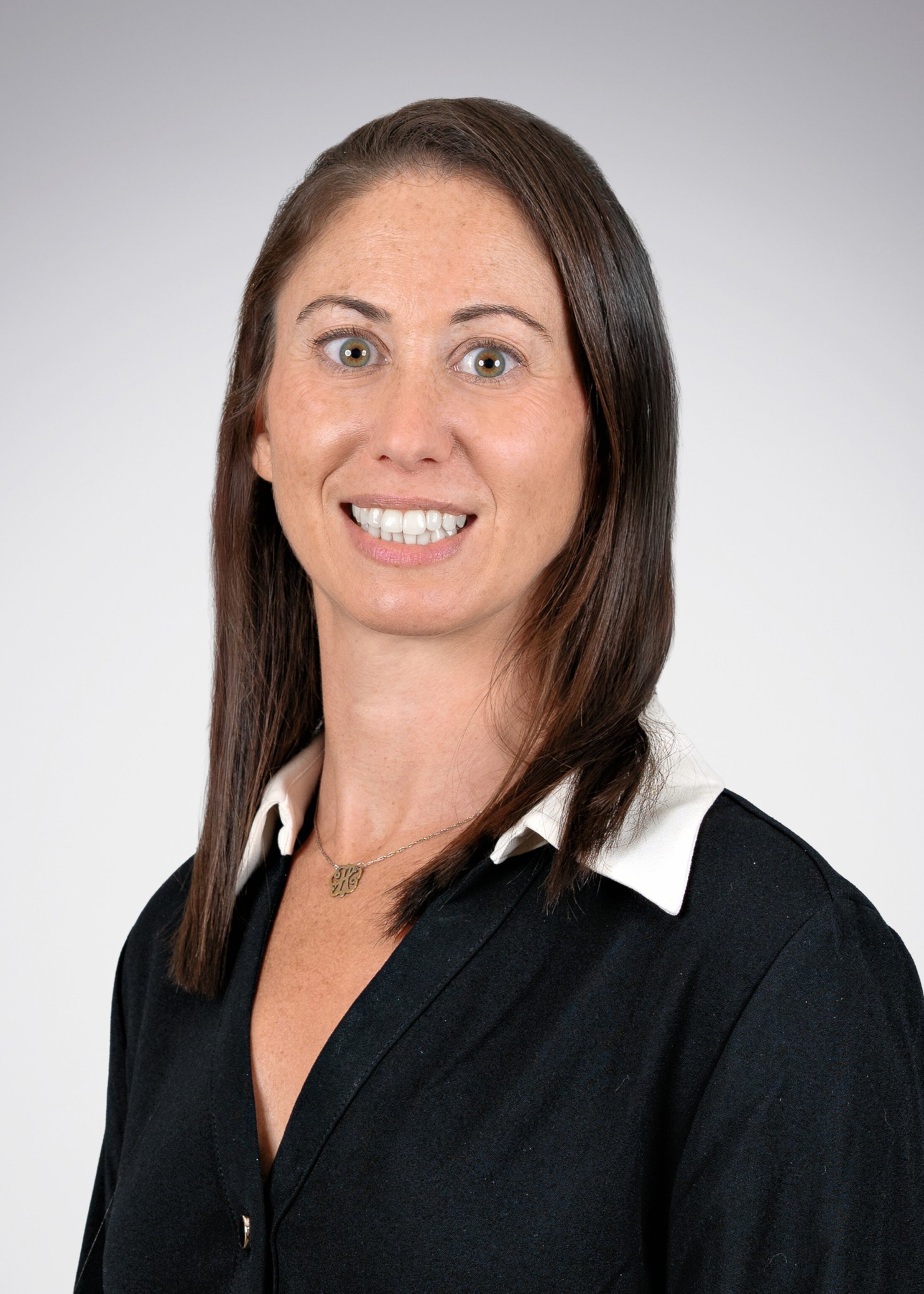
Hayley Kamin
Communications Manager
Hayley Kamin is the communications manager for the Hollings Cancer Center Communications and Marketing team, having joined the team in 2025 after three years as a communications specialist at the National Institutes of Health (NIH). As a science communicator with a Ph.D. from the University of Florida, she has extensive experience translating complex research into clear, engaging content. Her career has included roles at the NIH’s National Institute of Mental Health and the American Psychological Association, where she led content development and editorial strategy, developed science and health communications and worked with researchers and clinicians to strengthen public understanding of research.
Contact Hayley at kamin@musc.edu.
Recent Cancer Patient Journeys stories