Six seconds.
Or less, preferably.
Those are the types of times that elite riders post in rodeo team roping competitions, and the thrill of the challenge hooked Jason Falls when he first started riding after meeting his wife, a horse person, more than 20 years ago.
“It’s something that happens superfast, and you have to be ready to react,” said Falls, of Gilbert, South Carolina. “And it doesn’t happen the same two times because every cow is different. Every situation is different. It’s just one of those things that’s kind of addicting.”
The pull of the sport isn’t quite as strong for him personally nowadays, though he still competes. Instead, he now enjoys watching his son rope.
“My son is doing well, and that’s all he thinks about is practicing at night and rodeos on the weekend,” he said. “So it’s one of those things that was passed on to him. Now I just love carrying him and watching him do it.”
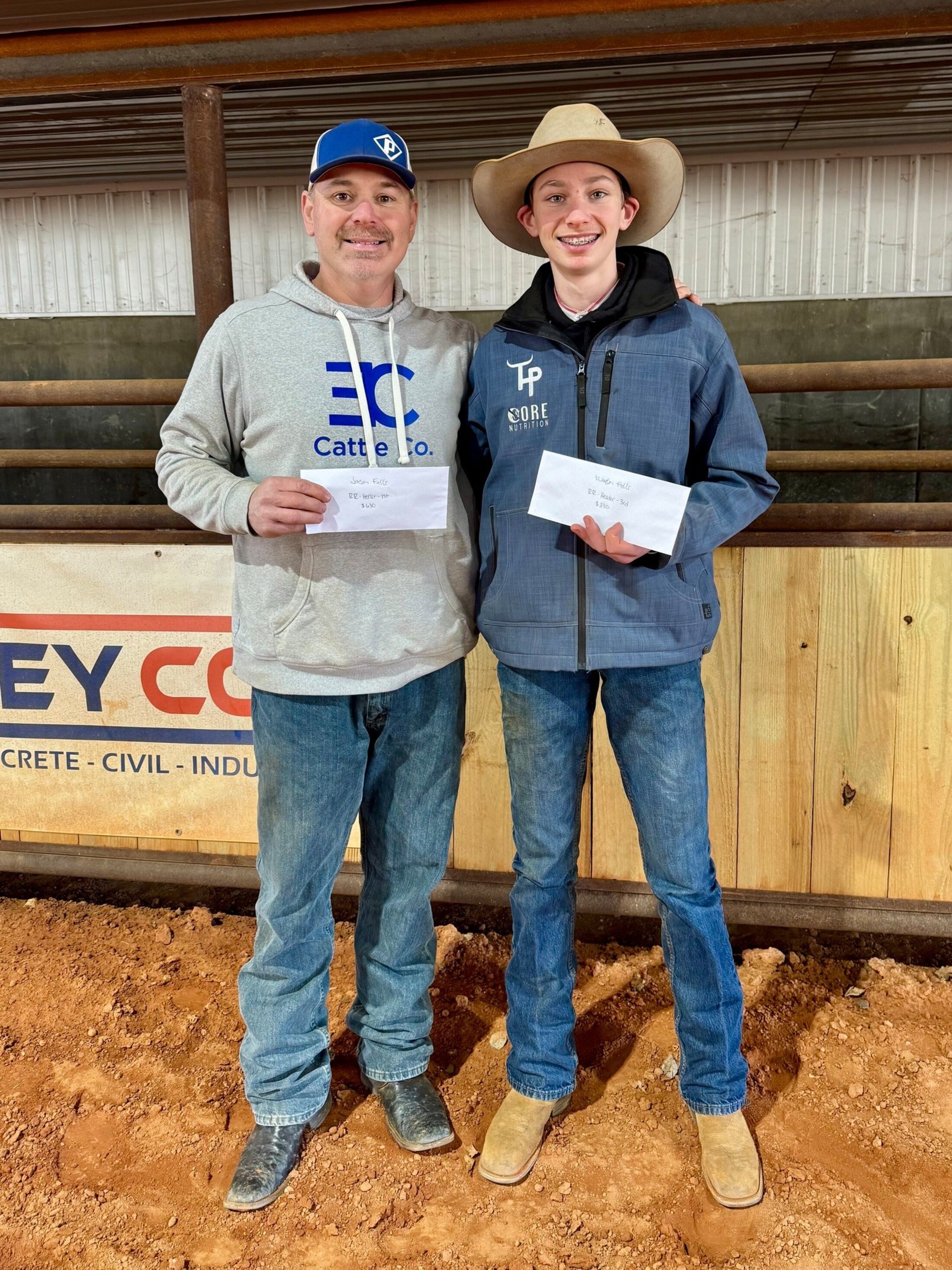
One recent win is especially sweet. Last December, Falls won first place in the Old Friends Round Robin event, and he and his son together won second place in the 8-Second Target Shoot-Out event at a rodeo by Top Hand Productions.
The reason this rodeo stood out? Falls was just six months out from surgery and radiation for HPV-positive tonsil cancer.
Seconds to victory

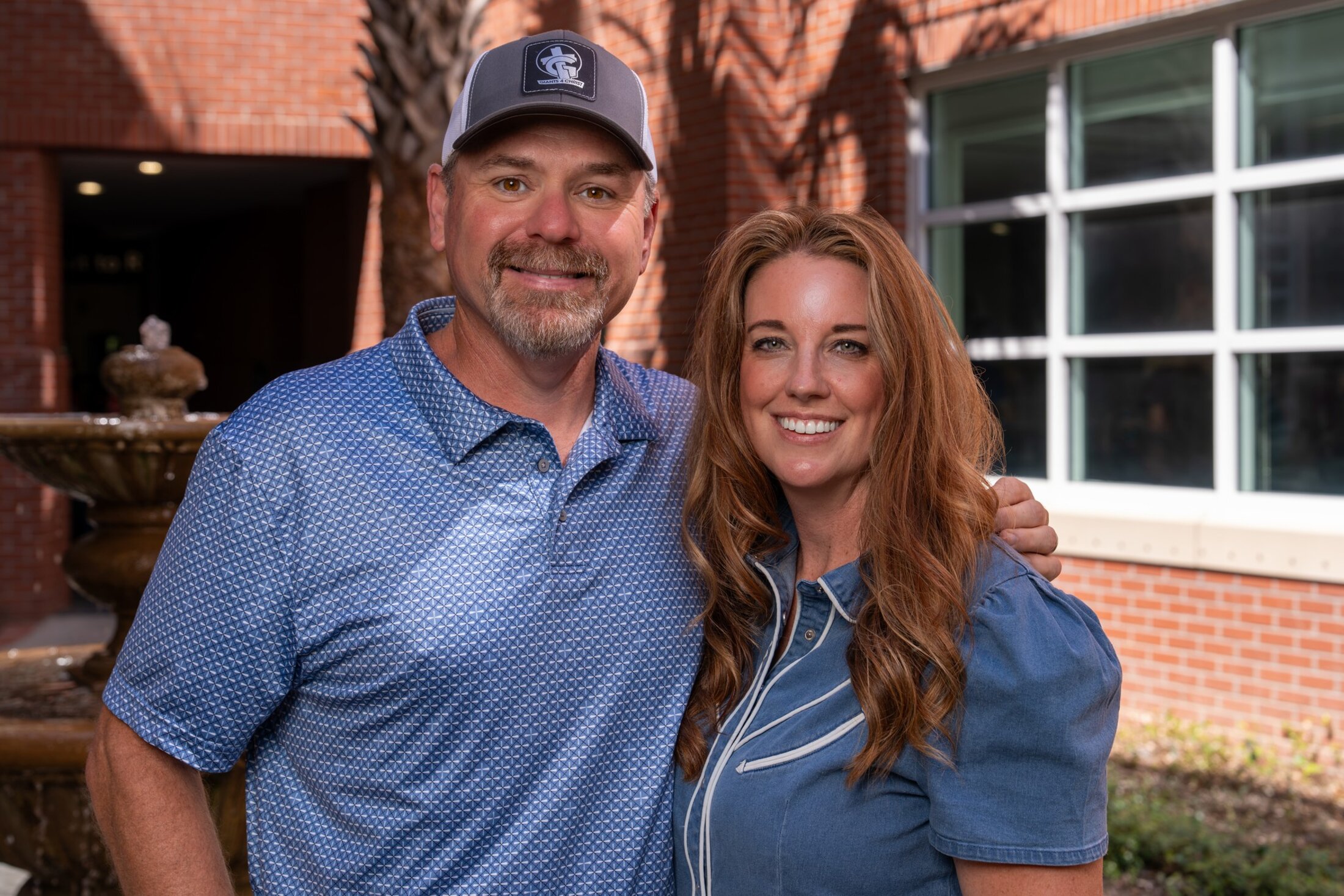
Father-son duo
“It was emotional. It was just unreal, you know? So the fact that I actually got to compete with my son and we got to win something together, that was just outstanding.”
Alexandra Kejner, M.D., a head and neck surgical oncologist at MUSC Hollings Cancer Center, said she was impressed by how well Falls did after surgery, especially given that she removed 74 lymph nodes and his left tonsil.
“He did incredibly well after surgery and returned to eating quickly. He also made it through the toughest part during radiation, but having our speech team working with him in addition to his family’s support – all of those things really impacted how well he did,” she said.
A painless lump triggers a diagnostic journey
Falls’ cancer story started with a lump that seemed to appear out of nowhere. He felt it when he scratched his neck while at a rodeo one Friday night. It didn’t hurt, and he didn’t feel sick, so it didn’t make sense for his lymph node to be swollen.
Google can be a double-edged sword – a source of information as well as a source of needless anxiety – and Falls’ searches indicated that tonsil cancer could be a reason for the lump. He made an appointment with his family doctor for the next Tuesday.
His family doctor ordered an ultrasound and from there referred him to an ear, nose and throat doctor. Unfortunately, biopsies couldn’t give a definitive answer. But the ENT specialist, Robert Brown, M.D., had a feeling based on years of experience.
“Dr. Brown said, ‘Jason, I’ve seen this enough. I’m 99% sure it’s tonsil cancer. Let me get you hooked up with Dr. Kejner down at MUSC,” Falls said.
Specialized head and neck cancer care
MUSC Hollings Cancer Center’s Wendy and Keith Wellin Head and Neck Clinic brings together a team of highly specialized providers – physicians who can operate in the tight, nerve-dense spaces of the head and neck; speech-language pathologists who can help people to re-learn to swallow and talk; prosthodontists who can create prosthetic ears, noses, jaws and more to replace those lost to cancer; physicians leading clinical trials to improve the standard of care and more.
Each patient gets a team, and the team works with the patient to decide on the preferred course of treatment.
“That’s one of the nice things with this kind of cancer is that there are options,” Kejner said. “Particularly at MUSC, because we’ve got a lot of clinical trials as well.
“It can be a little confusing for patients, though, too, because sometimes if there are too many options, it’s like going to the Cheesecake Factory,” she continued. “We give them our best, balanced options, like, ‘Here's what this would look like. Here’s what that would look like.’ Sometimes we'll even put patients in touch with other patients who have gone through the process. Really, the main goal is to de-escalate the side effects while still optimizing the oncologic outcome.”
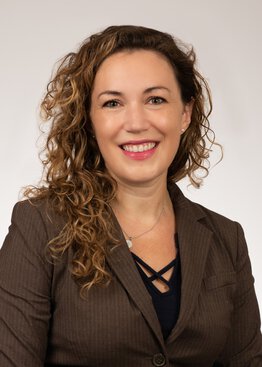
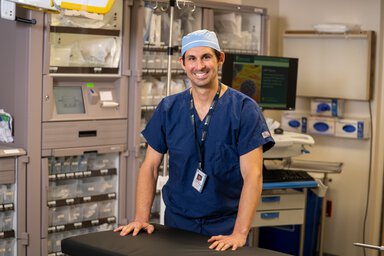
Alexandra Kejner, M.D., FACS
Dr. Kejner is an otorhinolaryngologist/head and neck surgeon dedicated to the treatment of head and neck patients, including those with malignant and benign tumors of the head and neck, including skin, sinus, oral cavity, oropharynx, voice box, neck, and salivary glands as well as the reconstruction of those areas after surgery using local tissue, skin grafts, and free tissue transfer. She also is specialty trained in advanced transoral robotic surgery of the upper aerodigestive tract.
She is certified by the American Board of Otolaryngology. She has published several articles in peer-reviewed journals and several book chapters. She is active in the American Head and Neck Society. She is on the board of the American Head and Neck Microvascular Section. She has been an invited panelist and organizer for multiple national and international meetings. She has acted as a preceptor at the annual Microvascular Bootcamp. She is a member of the Society of Integrative Oncology.
She speaks fluent Spanish. She is interested in medical technology, outcomes research, surgical margins, microvascular reconstruction techniques, head and neck cancer, and improving the quality of life of head and neck cancer survivors.
For Falls, that meant going into surgery with some uncertainty.
The biopsy at Hollings had also been inconclusive. The almost 8-centimeter lymph node was cystic, Kejner explained, meaning it was bulging with fluid. That meant that any one attempt to get a sample was more likely to bring back fluid instead of cancer cells that could be examined.
Based on experience, Kejner saw two possibilities: tonsil cancer or lymphoma, a cancer of the lymphatic system that can also cause swelling in the lymph nodes.
She would need to perform surgery to get the true diagnosis. In conversations with Falls, she explained that she could do just the diagnostic surgery and then talk with him afterward about a treatment plan. Or, she could do the diagnostic surgery and transition directly to a treatment surgery based on the pathologist’s report. Falls told her to get everything done at once.
“Before we put you through a big surgery, ideally we’d like to go in with a diagnosis,” Kejner said. “But that’s one of the places where our pathology team really shines.”
In the operating room, Kejner performed a direct laryngoscopy, which allowed her to get a look at the larynx, and a biopsy. The samples were immediately sent to Mary Richardson, M.D., D.D.S., director of surgical pathology, and her team.
“She and her team are amazing,” Kejner said. “They can usually get us a diagnosis within about 20 minutes, depending on the type of sample. So by the time they call us back, we’re still making sure everything is set up for surgery, we’ve got all of our equipment, etc.”
In this case, the team confirmed squamous cell carcinoma in the tonsil. Based on her presurgery conversations with Falls, Kejner went forward with a left radical oropharyngectomy.
It was a long wait for Falls’ family.
“My wife and son, they were telling me it was like 7:30 that evening, and they were the last people in the waiting room, and I was the last name to come up on the screen as out of surgery,” he said.
There’s so many people that are sick and have cancer and can’t do anything. I lost my mom to cancer. My wife lost her mom to cancer. So for me to be where I was and to be doing things, it was good for me.
The surgery was successful, though. He was released three days later, on Independence Day 2025, and a month later started radiation therapy at Lexington Medical Center, which is closer to home.
Radiation is tough for just about every patient. It’s especially so for people with head and neck cancer because the radiation can cause swelling and sores in the throat that make it painful to talk or eat.
Before radiation, Hollings speech-language pathologist Kavi Nallamala had given Falls a list of proactive remedies that previous patients had used successfully – things ranging from red light therapy to a special mouthwash to particular supplements.
“I really think all of those things that they suggested, the ones that I could do and handle, played a big factor in my recovery,” he said. “The radiation techs, when I would go in there, would say, ‘We just cannot believe that you are still doing what you’re doing and that you bounce in here every day. You get your treatment and bounce out.’ They said generally they start seeing people having side effects about eight to 10 treatments in, where I made it to treatment 28 before I started having issues.”
“It was kind of wild,” Kejner said. “He said he was still eating tortilla chips during radiation, which is, like – impossible. Most people are on milkshakes.”
Still, the radiation effects did catch up with him. For a few months, he barely ate.
“I lost a bunch of weight, but I guess it was a blessing in disguise that I had something to lose,” he said. “I went from 248 the day of my surgery, and I was 198, I think, in February.”
Through it all, he missed less than two weeks of work. That in itself was a challenge because, as a real estate agent, a lot of the job is talking.
“That gave me a challenge for a while after the radiation because I couldn’t really talk. I kind of lost my voice, and I would get a conversation or two in, and then I’d have to let my voice rest for most of the day before I could pick back up in the evening,” he said.
Back in the saddle – and confronting loss
Since that rodeo victory in December, Falls has had ups and downs. After he stopped taking medication to treat nerve pain in his throat, he discovered that it had also been treating the nerves to his shoulder – and without it, he started having a lot more trouble roping.
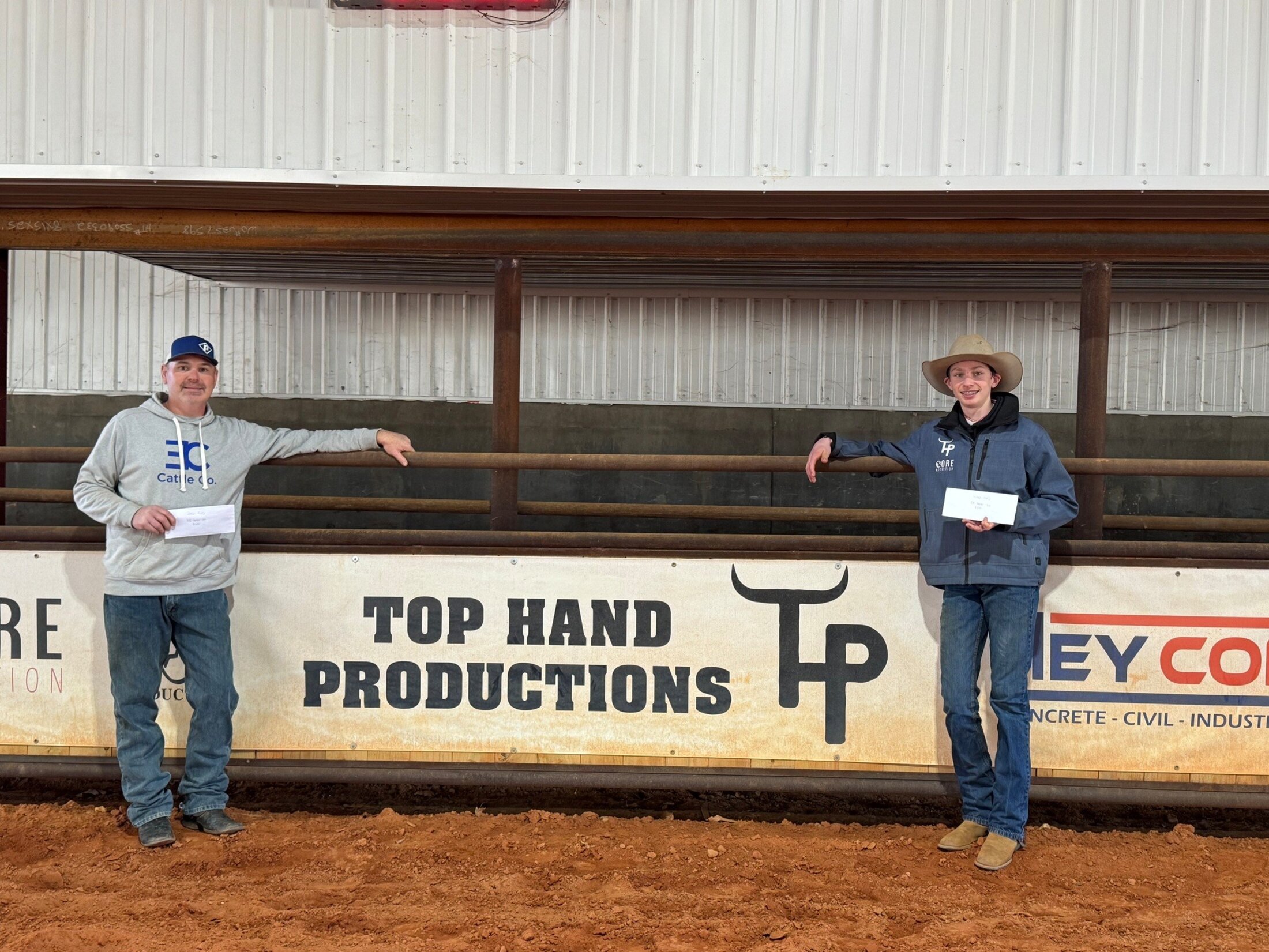
Frustrated, he decided to stop for a while. But he’d already signed up for the Bulls Bay Rodeo, so he went ahead and competed – and finished second in his run. It was the moment of success that he needed.
“I still can't play golf or anything like that, but to know that I could go back to riding, something that I’d been doing for 20 years, and then have a little bit of success, just made me feel really good,” he said. “I still go to the golf course with some friends. I just don’t hit balls. I ride around and putt with them. But just being out there, that’s about where I’m at right now.”
He’s grateful for what he is able to do – unfortunately, he’s seen friends who haven’t had outcomes as good as his.
One friend, also diagnosed with a head and neck cancer, died this spring. The friend let his symptoms go a little too long before getting checked out, Falls said – and that’s one of the reasons Falls wanted to share his story.
“I want to bring awareness to my friends that, if you feel something that’s not right, go get it checked out.”
Fortunately, HPV-positive head and neck cancers tend to respond well to treatment – if they’re treated in a timely fashion.
Mostly, Falls is thankful: for his “nurturing” team at Hollings, for family friends who shared their own cancer experiences with him, for the chance to see his son ride – most recently at the National High Schools Rodeo Final in Lincoln, Nebraska – and for the chance to still be here, doing the things that bring him joy.
“There’s so many people that are sick and have cancer and can’t do anything,” he said. “I lost my mom to cancer. My wife lost her mom to cancer. So for me to be where I was and to be doing things, it was good for me.”
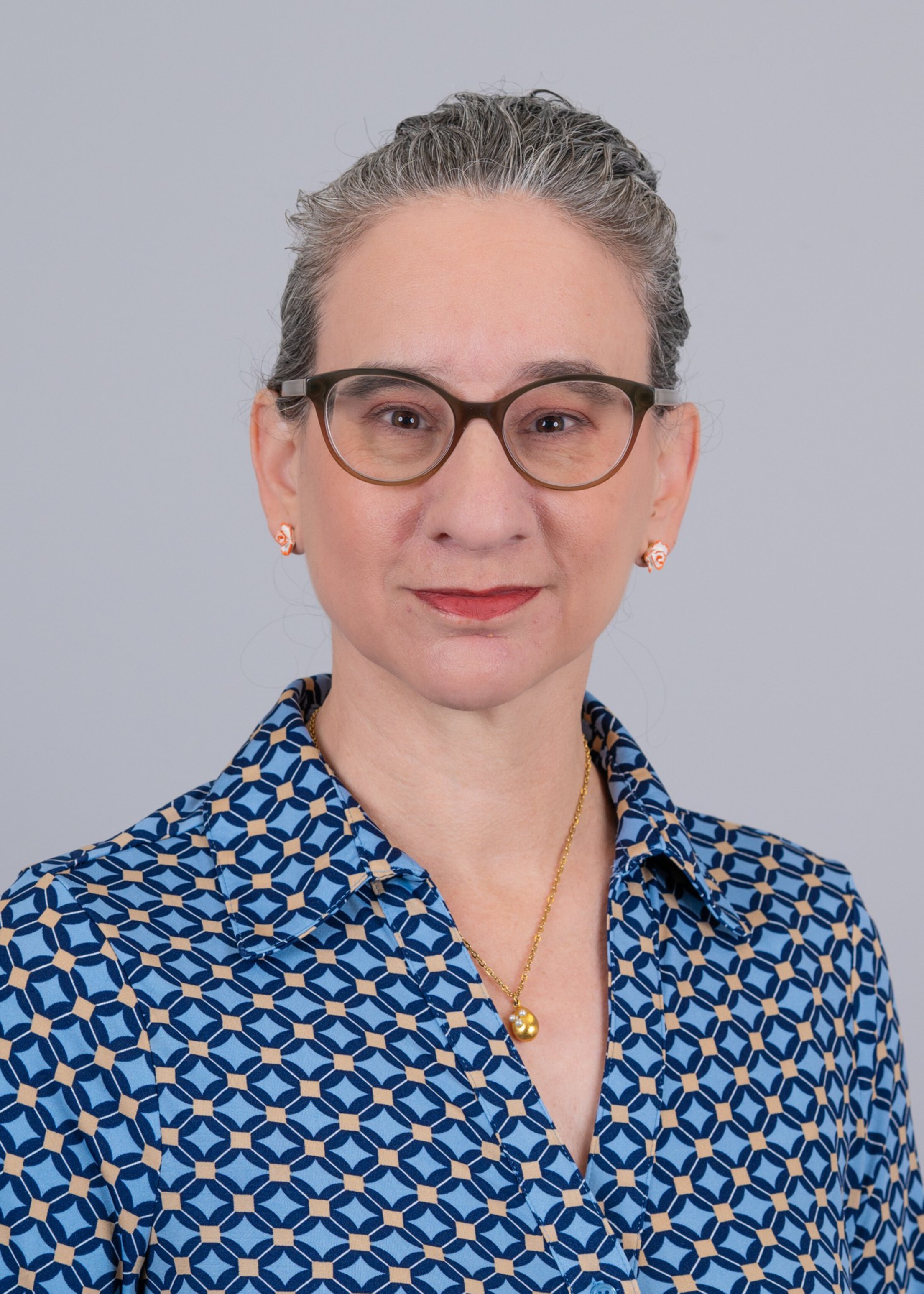
Leslie Cantu
Senior Communications Manager
Leslie Cantu is the senior communications manager at MUSC Hollings Cancer Center, where she works with researchers, clinicians and patients to tell the people of South Carolina about the innovative work being done to improve cancer care for everyone in the state. She joined the MUSC Office of Communications and Marketing in 2018 after a career as an award-winning writer, editor and producer at community newspapers and local TV news. She transferred to the communications office at Hollings in 2022, where she happily finds something new and interesting to write about every day. Her favorite stories to cover at MUSC have included Match Day, the Angel Tree Parade, a clinical trial of CAR-T cell therapy and the many patients who have agreed to share their very personal struggles and triumphs.
Contact Leslie at cantul@musc.edu.
Recent Head and Neck Cancer stories