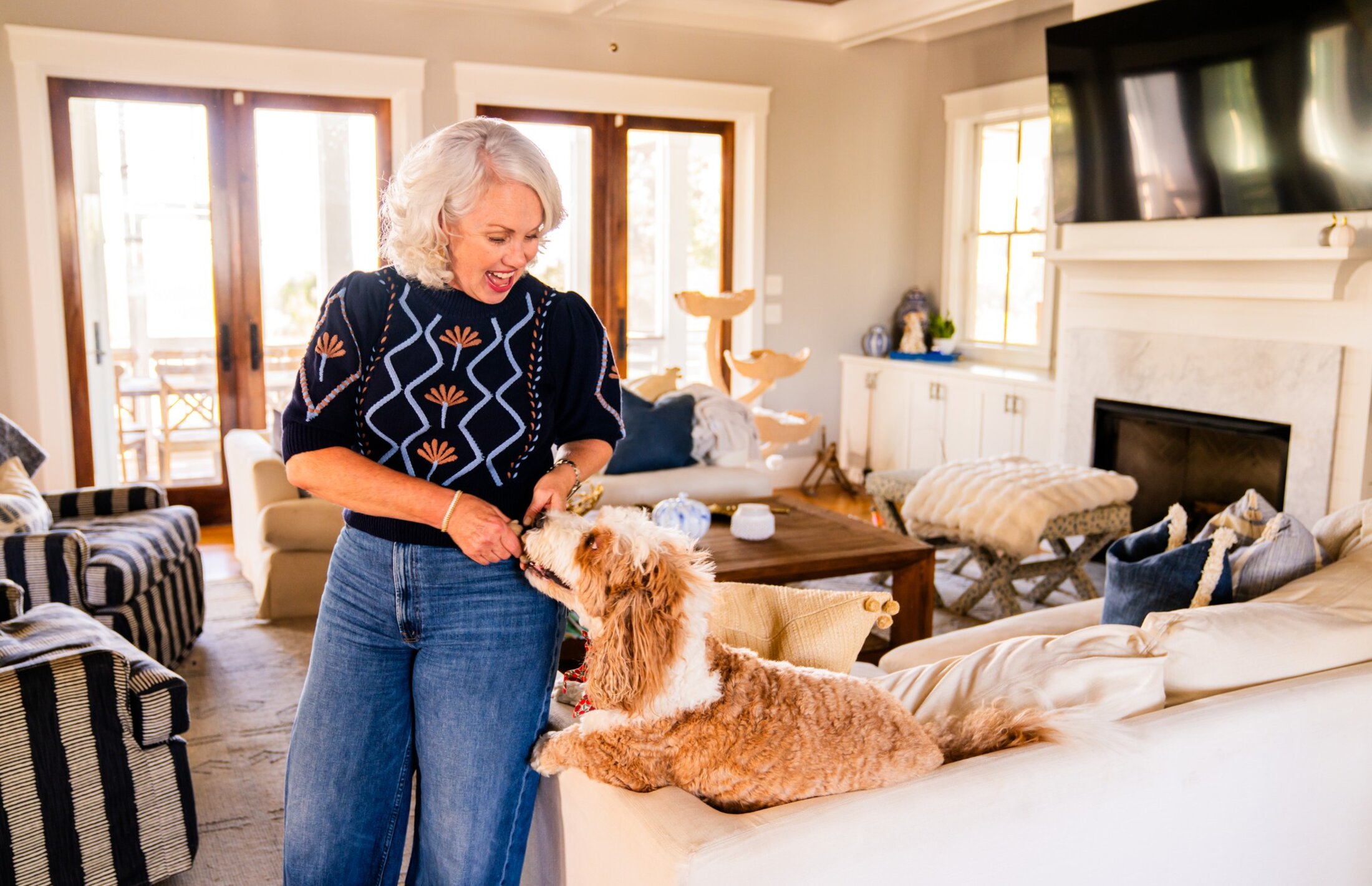
When Abby Kazley, Ph.D., stepped outside for an evening walk with her husband last December, she noticed something unexpected.
Her family had already covered their Mount Pleasant home in thousands of pink Christmas lights in recognition of Kazley’s breast cancer journey. But that evening, a strand of pink lights appeared on the porch next door. Then another down the block. And another.
Without telling Kazley or her husband, neighbors along her street had each added a strand of pink lights in her honor.
“I’m like, ‘What’s happening?’” Kazley recalled. “I was crying by the time we got to the end because it was a really sweet way for them to show their support for me.”
The gesture was one of many reminders of the community that surrounded her during treatment for breast cancer at MUSC Hollings Cancer Center. There, her care team guided her through some of the most overwhelming moments of her life.
Now, more than a year cancer-free, Kazley is finding ways to offer that same support to others.
“It gives you a whole new perspective on appreciation,” she said of having cancer. “It is very much my deep desire to support other cancer patients in their journeys.”
A diagnosis she didn't expect
Cancer was not on Kazley’s mind when she went for a mammogram in late 2024.
She had always taken her health seriously. An MUSC professor who leads the Master of Science in Health Informatics program in the College of Health Professions, Kazley was in her 40s and raising three children and had long made exercise and wellness a priority. At one point, she even maintained an eight-year streak of running at least one mile every day.
She was also diligent about breast cancer screening, despite having no family history of breast cancer.
“I’m very religious about screenings,” she said. “I was right on schedule.”
But the routine mammogram led to an ultrasound, then a biopsy. Shortly before Christmas, Kazley received the call from her primary care doctor: She had breast cancer.
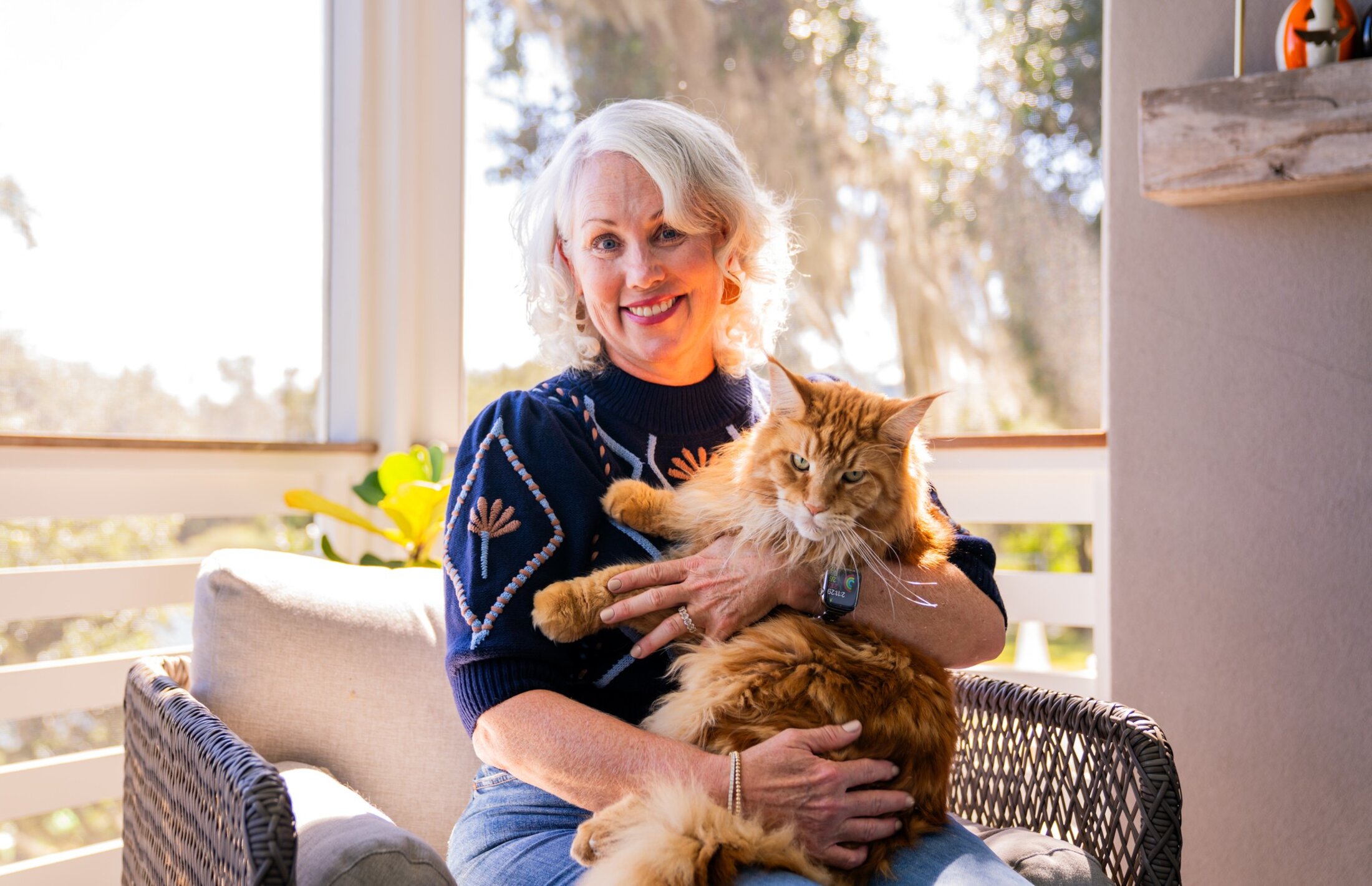
“To say I was shell-shocked is an understatement,” she said.
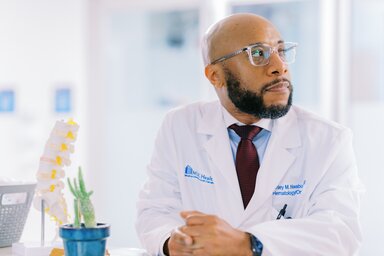
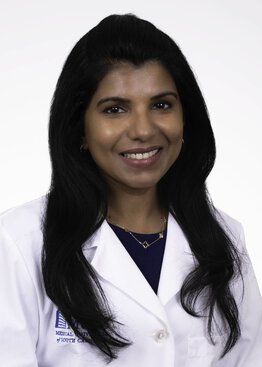
Further testing showed that Kazley had triple-negative breast cancer, which lacks three common receptors that are targeted by many breast cancer treatments. With a complex diagnosis and fewer treatment options, Kazley turned to Hollings, where a multidisciplinary team of breast cancer specialists would guide her care. The team included medical oncologist Abirami Sivapiragasam, M.D., known as Abi Siva to her patients; surgical oncologist Andrea Abbott, M.D.; and radiation oncologist Jennifer Harper, M.D.
Soon after returning from the Christmas holiday, Kazley underwent a lumpectomy and began chemotherapy the following month.
Partway through chemotherapy, her team discovered that cancer had spread to a lymph node, prompting a more aggressive chemotherapy regimen and the addition of immunotherapy.
For Kazley, who is a researcher by training and used to diving into medical literature, having confidence in her doctors mattered. She recalled Siva sending her articles and following up on questions after attending national meetings where new findings were presented.
“Every time I met with her, I just developed this absolute trust in her for my care,” Kazley said. “She’s a really amazing, compassionate provider as well as such an innovative leader and wonderful person.”
Treatment takes its toll
Over the months that followed, treatment became a major part of Kazley’s life.
She made it through chemotherapy, then underwent a mastectomy, followed by radiation and six months of oral chemotherapy. Along the way, she looked for ways to manage some of the potential side effects.
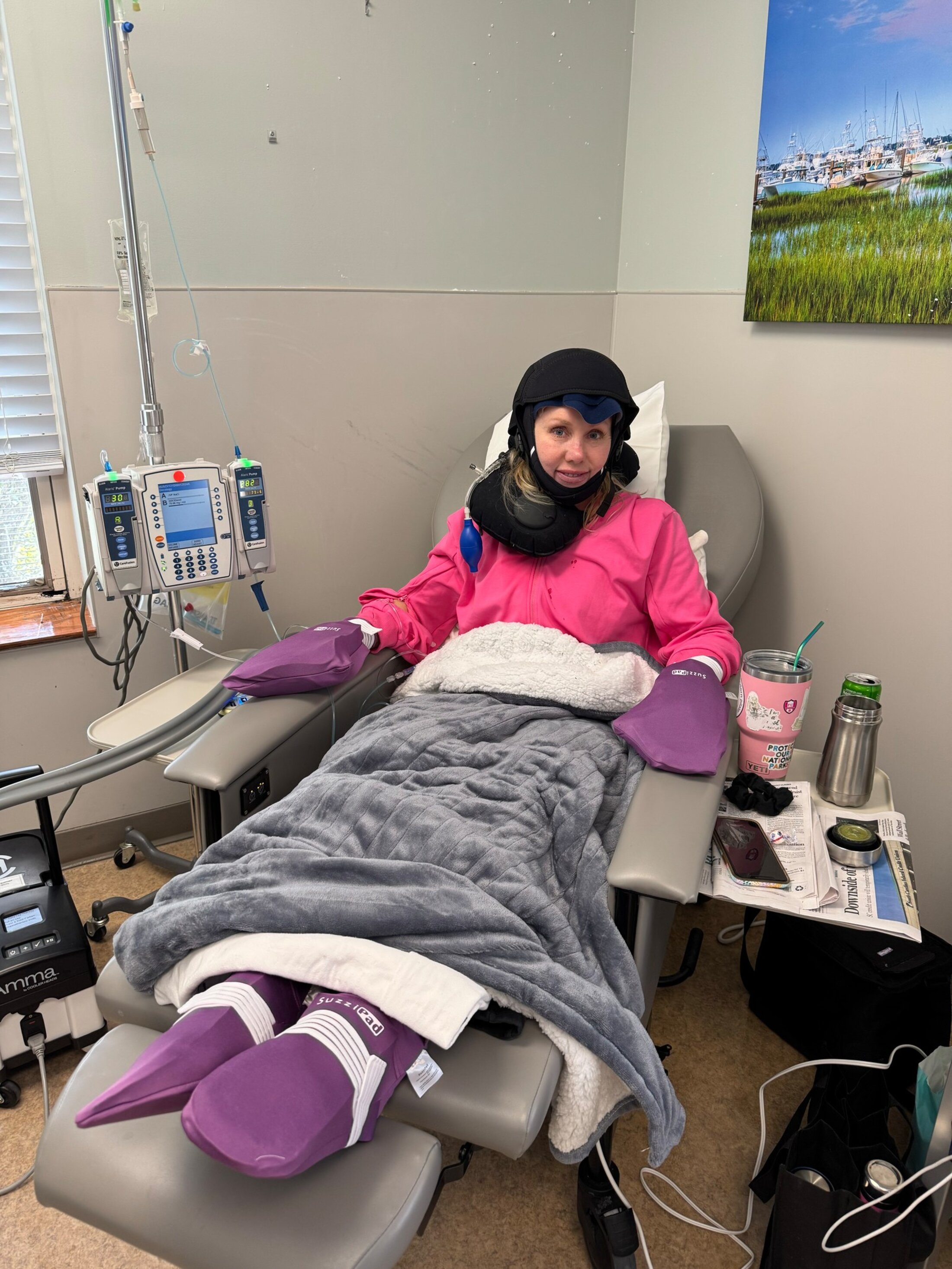
During chemotherapy, she wore frozen mitts and booties in hopes of preventing nerve damage in her hands and feet. She also used a cold cap to limit hair loss. It helped to keep some of her hair, although she still lost a significant amount and eventually cut her formerly long hair as new curls grew in.
Staying active was important, too. Kazley continued Pilates when she felt well enough, sometimes returning to the Evolve Modern Pilates studio the day after treatment.
Still, treatment took its toll. Fatigue plagued her throughout, but oral chemotherapy proved especially difficult. She developed painful blisters on her feet that made it hard to walk. She even lost her fingerprints – an unusual side effect that Kazley joked made her temporarily available to commit crimes.
But when she looks back, Kazley said the physical effects were not the hardest part.
“By far, the mental piece of it was the worst,” she said. “I was just so anxious and terrified.”
Finding strength through community
Kazley was accustomed to being active and independent – the person in her family who, as she put it, “makes it all happen.” Cancer forced her to step back and rely on others. Early in treatment, she made herself a promise: If someone offered to help, she would let them.
Those offers came quickly.
For about six months, friends and neighbors kept a meal train going three times a week. Kazley put a cooler on her porch and treated it like a Christmas stocking – a reminder to appreciate each gift of support as it arrived.
Kazley’s sister from Virginia and friends from different chapters of her life traveled to Charleston to care for her after surgery or sit beside her during chemotherapy. Neighbors drove her three young children to practices and performances. Her Pilates community rallied around her.
Her faith also offered an important source of strength. Kazley said her experience with cancer deepened her relationship with God and led her to start a small Bible study in her neighborhood. She began regularly meeting and praying with two women who became close friends and an important source of support.
“I have never been so loved by my family, friends and community,” she said. “It was wonderful to have time with people I love as I was healing.”
Cancer also brought new people into her life. Kazley began attending free art therapy offered through Hollings, where she found a community of people of all ages with different cancer types.
“The art therapy has helped me a ton,” Kazley emphasized.
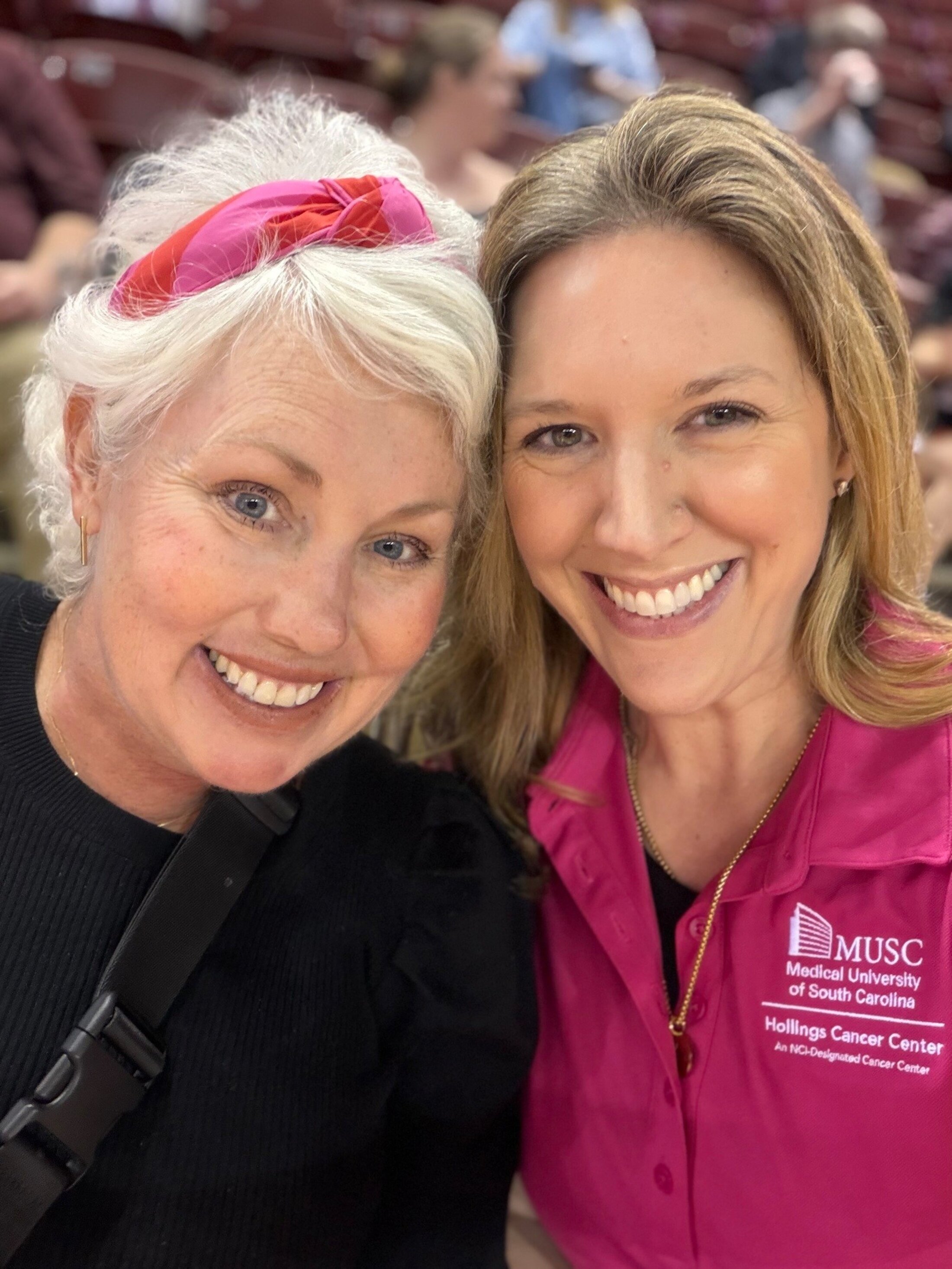
There, she met a woman who was about a year ahead of her in treatment for triple-negative breast cancer. She offered Kazley something simple but powerful: “Text me anytime.” She checked in regularly and eventually introduced Kazley to another triple-negative breast cancer survivor. The three began calling themselves the “Triple Threats.”
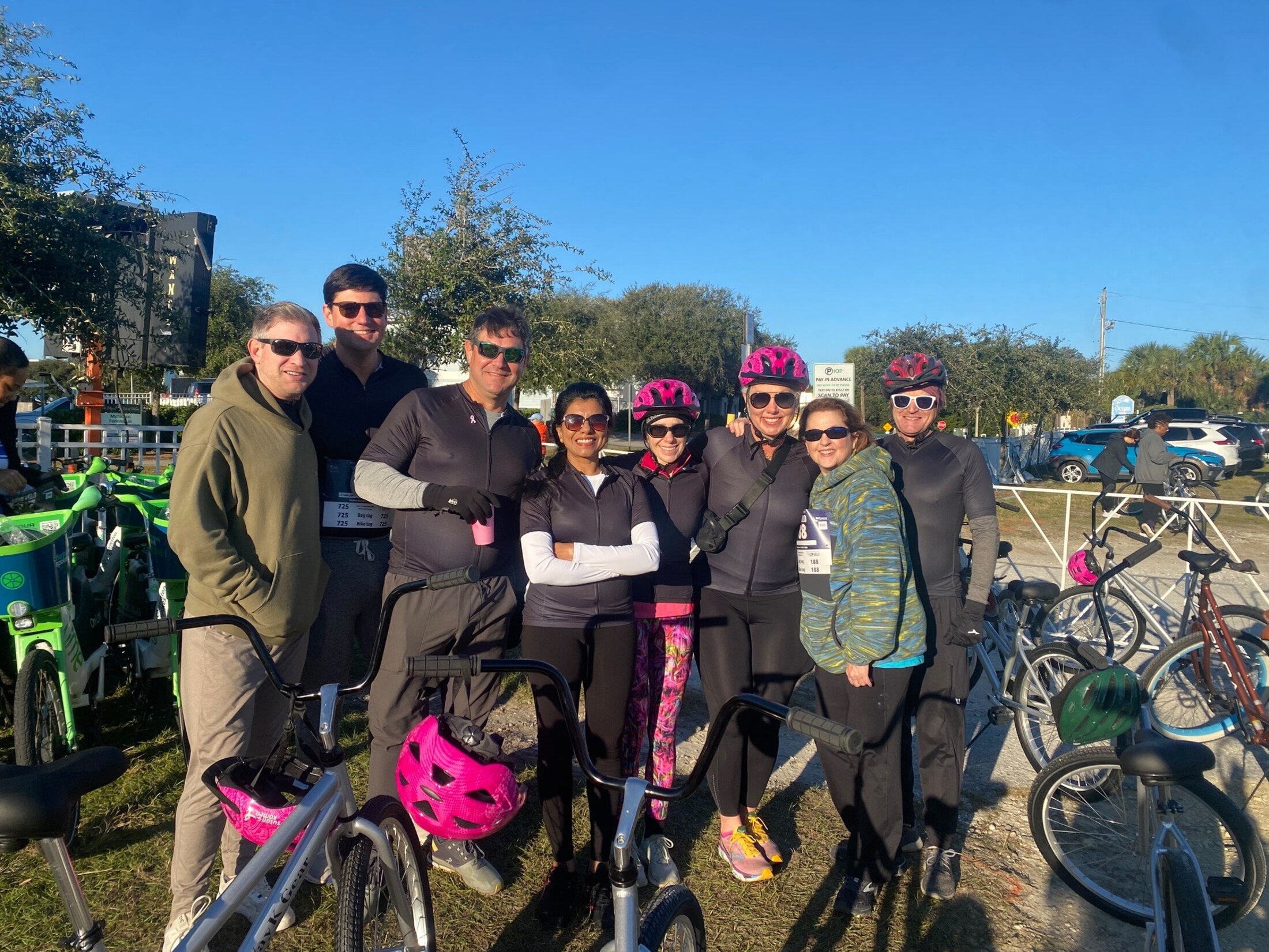
Before Kazley had even finished treatment, they rode together in LOWVELO, Hollings’ annual bike ride that raises money for cancer research. Siva joined them.
Those connections have lasted beyond treatment. She continues to attend art therapy, and the group has its own ways of caring for one another. When someone is sick, in surgery or unable to attend, the others draw a vase and each adds a flower, creating a piece of art to send to them. The Triple Threats still meet for lunch regularly.
Making room for celebration
Kazley also found reasons to celebrate throughout treatment – often with a sense of humor.
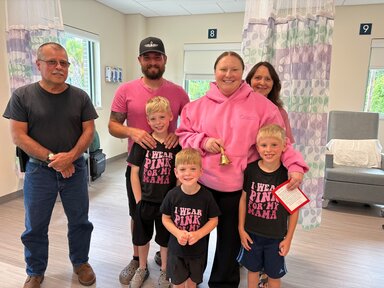
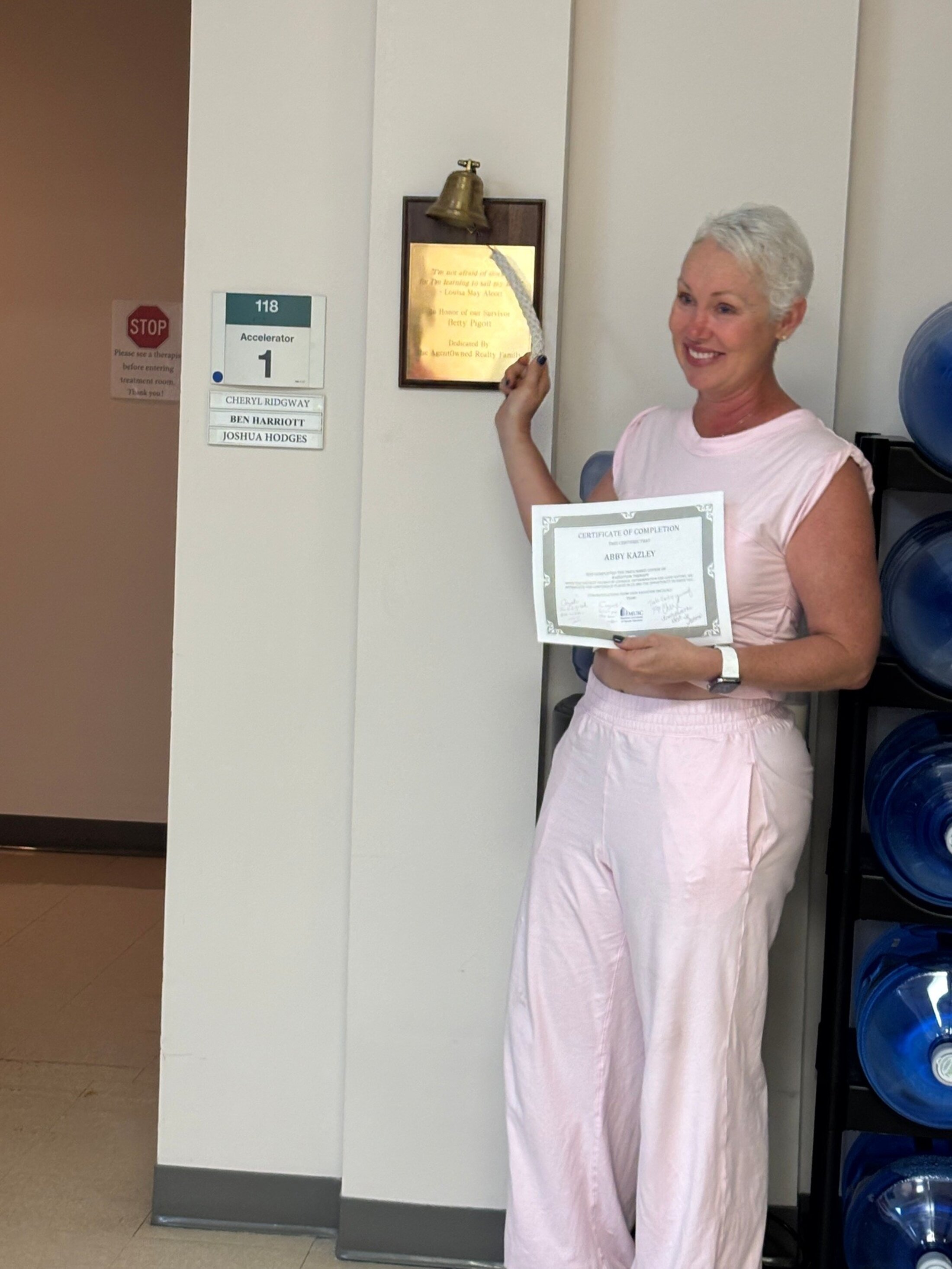
When she finished radiation in October 2025, she invited friends to Hollings to watch her ring the bell. She brought pink drinks, turning the end of a difficult stretch of treatment into a celebration. Months later, when she took her final dose of oral chemotherapy, she gathered friends at a neighborhood restaurant and swallowed the last pill with a toast and pink balloons.
And when reconstructive surgery happened to fall on May 4 – “Star Wars Day” – Kazley arrived with lightsabers and a Princess Leia wig. Her care team joined in. The anesthesiologist played the “Star Wars” theme as she went under anesthesia, and her surgeon greeted her with a lightsaber in recovery.
“I’m trying to do all of this now with a little bit of flair,” Kazley said.
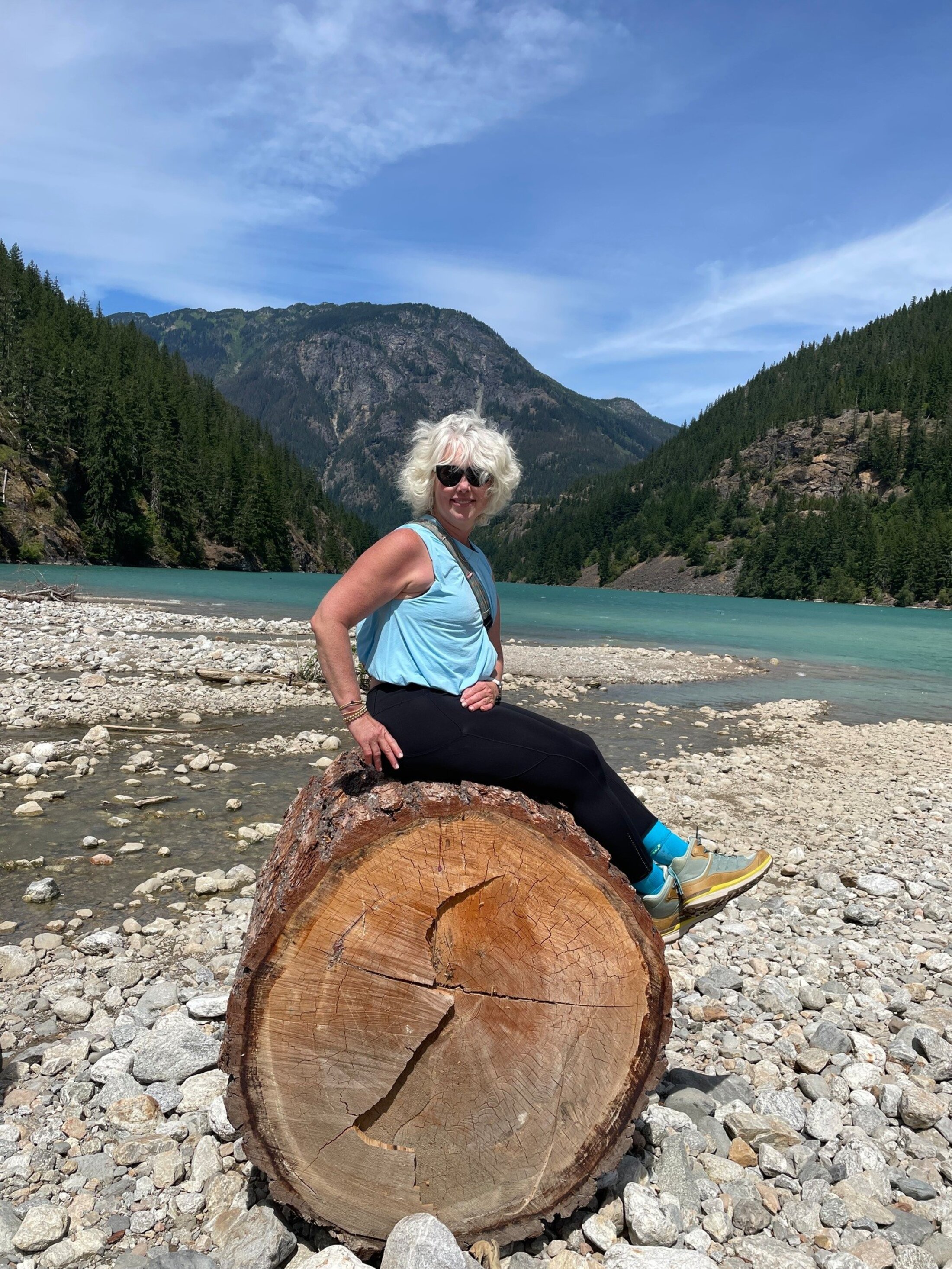
That spirit has carried into survivorship. In July, Kazley marked one year cancer-free while hiking with her family in a national park in Washington.
But moving beyond cancer has been a gradual process. Kazley described the diagnosis as an abrupt dividing line: One day, life was normal, and the next, she was thrown into a frightening and unfamiliar world. Finding her way out of that world has meant deciding what she wants to carry forward and what she wants to do differently.
One change is having a deeper appreciation for ordinary days.
“I just have an incredible gratitude for every single day now,” she said.
Another is a desire to use her experience to help others facing cancer.
Kazley serves on Hollings’ Patient Family Advisory Council, bringing a patient perspective to the design of an upcoming cancer center in Florence and the planned comprehensive cancer hospital in Charleston. She continues to raise money for cancer research through LOWVELO, which she will ride in again on Nov. 7 with the Triple Threats. Their slogan is “cancer didn’t stand a chance.”
After being carried by her community through some of her hardest days, Kazley is now finding ways to support others. Just as her neighbors once lit their street in pink to remind her that she was not facing cancer alone, she hopes to bring some of that same light to others navigating their own cancer journeys.
Featured in this story
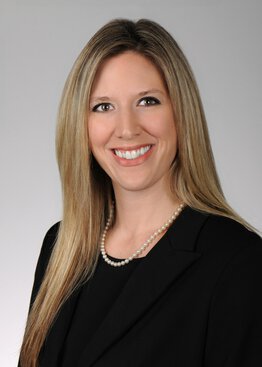
Andrea Abbott, M.D., MSCR
Andrea M. Abbott, M.D., MSCR is a board-certified surgical oncologist who specializes in the treatment of breast cancer, melanoma and non-melanoma skin cancer, and soft tissue sarcoma. Her clinical interests are breast cancer, breast cancer during pregnancy, Hidden Scar surgery, skin and nipple-sparing mastectomy, breast conserving surgery, melanoma and non-melanoma skin cancer, minimally invasive lymph node dissection, retroperitoneal sarcoma, and extremity soft tissue tumors.
Dr. Abbott obtained her medical degree from the University of Missouri-Kansas City and completed her general surgery residency at the University of Minnesota. She also obtained a Master's degree in clinical research during her residency from the University of Minnesota. She completed her surgical oncology fellowship at Moffitt Cancer Center in Tampa, Florida.
In addition to her surgical practice, Dr. Abbott is involved in clinical research and evaluating ways to improve information delivery to patients in order to enhance the patient-physician relationship and decision-making process. She is also working on ways to reduce opioid addiction after cancer surgery. She is Hidden Scar certified and uses this approach to improve cosmetic outcomes after breast cancer surgery without compromising cancer care. She is committed to finding a way for each patient to receive the best possible cancer care while honoring each patient's individual wishes and goals for his or her care.
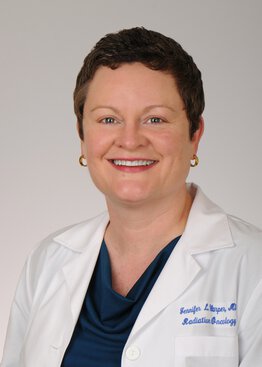
Jennifer Harper, M.D.
Dr. Jennifer Harper is a radiation oncologist, certified by the American Board of Radiology. Her primary focus is in the treatment of breast cancer, sarcoma, and head and neck cancer. She also is credentialed in the use of Gamma Knife radiosurgery, with interests in its application for the treatment of brain metastasis. In the field of breast cancer, Dr. Harper has published extensively on the topic of accelerated partial breast irradiation.
In 2016, she developed a group wellness program, in collaboration with the MUSC Wellness Center, for breast cancer survivors. This ongoing program, known as the Survivors' Fit Club, seeks to facilitate the healing of mind body and spirit following breast cancer treatment.
Dr. Harper is also a passionate medical educator. Her teaching efforts have been recognized with an award by the Association of Residents in Radiation Oncology. She has also received an MUSC Faculty Excellence in Teaching Award following nomination by medical students. She is also the Physician Representative for the Medical Physic Residency Program. She serves as the Department of Radiation Oncology's Quality Assurance (QA) Medical Director and has incorporated QA and medical education instruction into the residency curriculum.
Abirami (Abi) Sivapiragasam, M.D.
Dr. Abirami Sivapiragasam (Abi Siva) is an Associate Professor of Medicine and a board-certified medical oncologist at MUSC Hollings Cancer Center, with more than a decade of clinical and academic experience. She specializes in the care of patients with breast cancer and serves as the Director of Medical Oncology. In this role, she focuses on strengthening clinical programs, expanding access to innovative therapies, and building collaborative models of care that improve outcomes across South Carolina and beyond.
Dr. Sivapiragasam is equally committed to education and mentorship. As Program Director of the Hematology and Oncology Fellowship Program, she is dedicated to training the next generation of oncologists. She has developed structured mentorship and research initiatives designed to support fellows in building strong clinical skills, pursuing meaningful scholarship, and growing into thoughtful, patient-centered leaders in oncology.
A passionate clinician-scientist, Dr. Sivapiragasam serves as principal investigator on multiple clinical trials and leads the Breast Cancer Clinical Research Group at MUSC. Her research focuses on designing pragmatic clinical trials that can be seamlessly integrated into everyday practice. She is particularly interested in right-sizing therapy through de-escalation strategies that reduce toxicity while maintaining efficacy, as well as biomarker-driven approaches that personalize treatment decisions.
She collaborates closely with translational scientists to advance innovative therapeutic concepts from bench to bedside, with the goal of accelerating access to cutting-edge treatments for patients. Through her clinical leadership, research efforts, and dedication to education, Dr. Sivapiragasam remains deeply committed to improving breast cancer care and advancing the field of oncology.
Hayley Kamin
Communications Manager
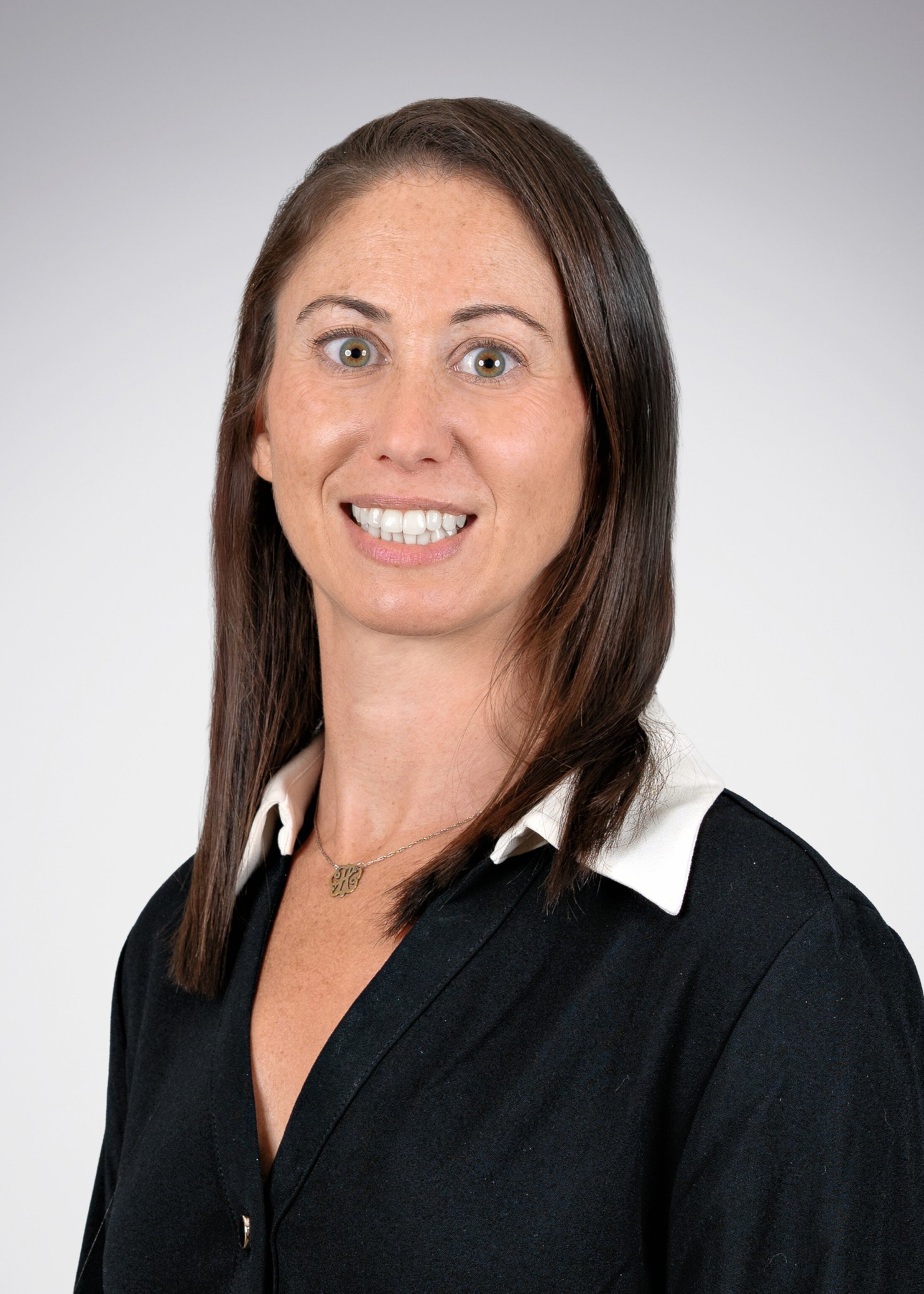
Hayley Kamin is the communications manager for the Hollings Cancer Center Communications and Marketing team, having joined the team in 2025 after three years as a communications specialist at the National Institutes of Health (NIH). As a science communicator with a Ph.D. from the University of Florida, she has extensive experience translating complex research into clear, engaging content. Her career has included roles at the NIH’s National Institute of Mental Health and the American Psychological Association, where she led content development and editorial strategy, developed science and health communications and worked with researchers and clinicians to strengthen public understanding of research.
Contact Hayley at kamin@musc.edu.