Eight weeks after surgery for melanoma, Shane Smith found himself on a trail in Europe.
He had cleared his calendar when he was diagnosed, unsure of how long treatment and recovery would take. Then, seven weeks after surgery, Smith realized he had an unexpected stretch of time before his next commitment. So he began looking for something to do.
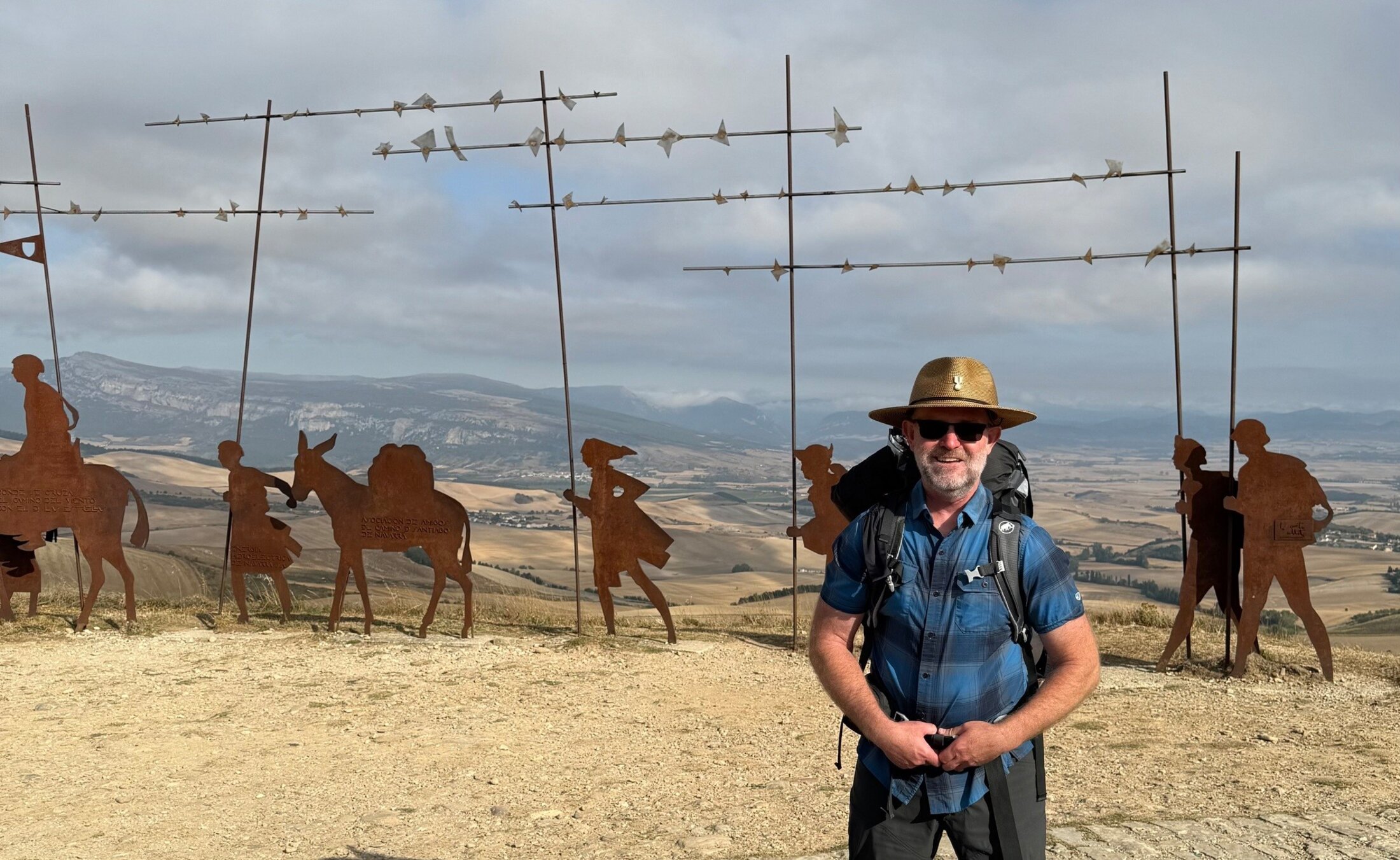
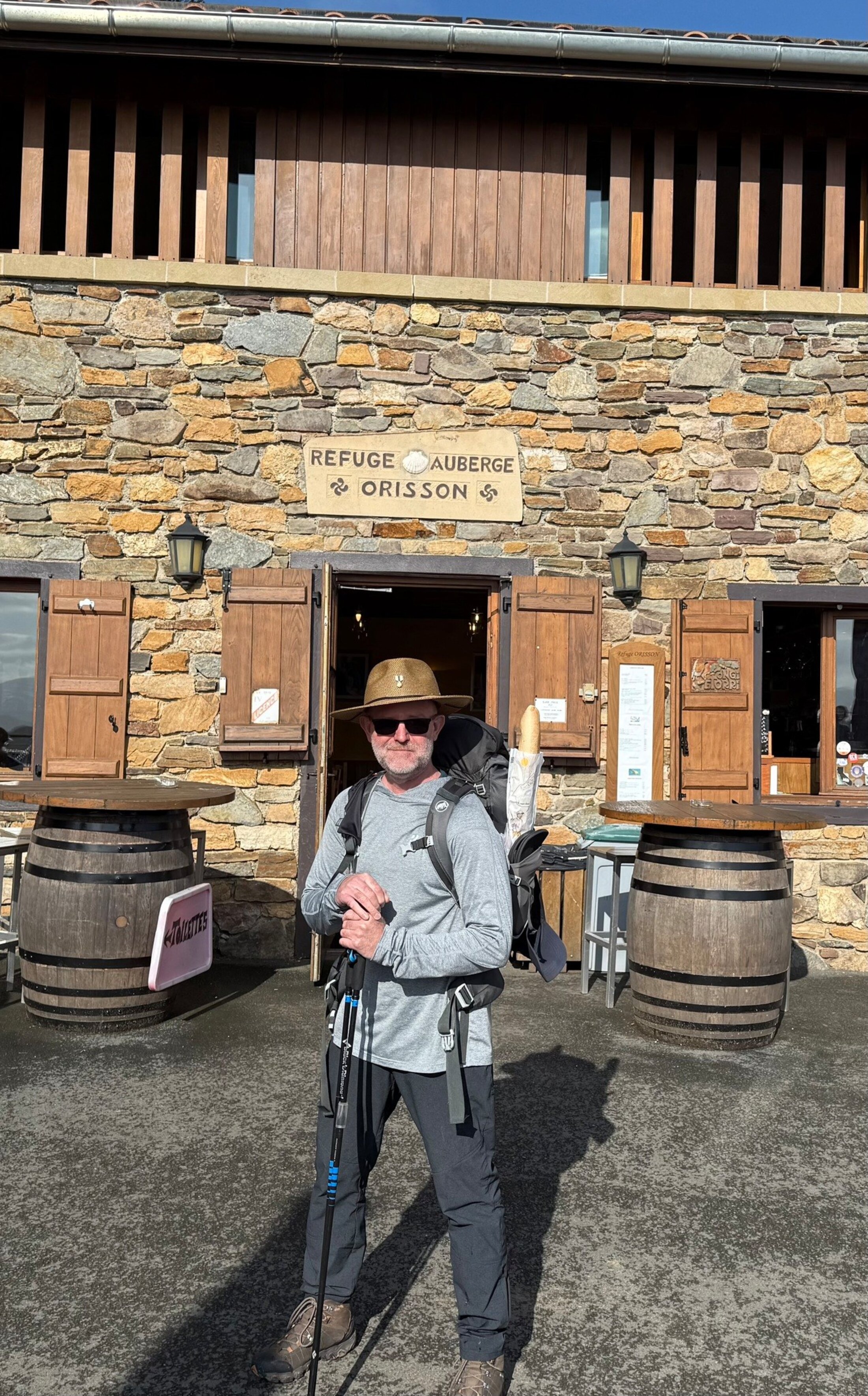
His choice was ambitious: walk the Camino de Santiago, a network of pilgrimage routes that cross western Europe toward Santiago de Compostela in Spain. Smith flew to Madrid, made his way to the French border and started walking.
Over 10 days, he covered about 300 kilometers – roughly 186 miles.
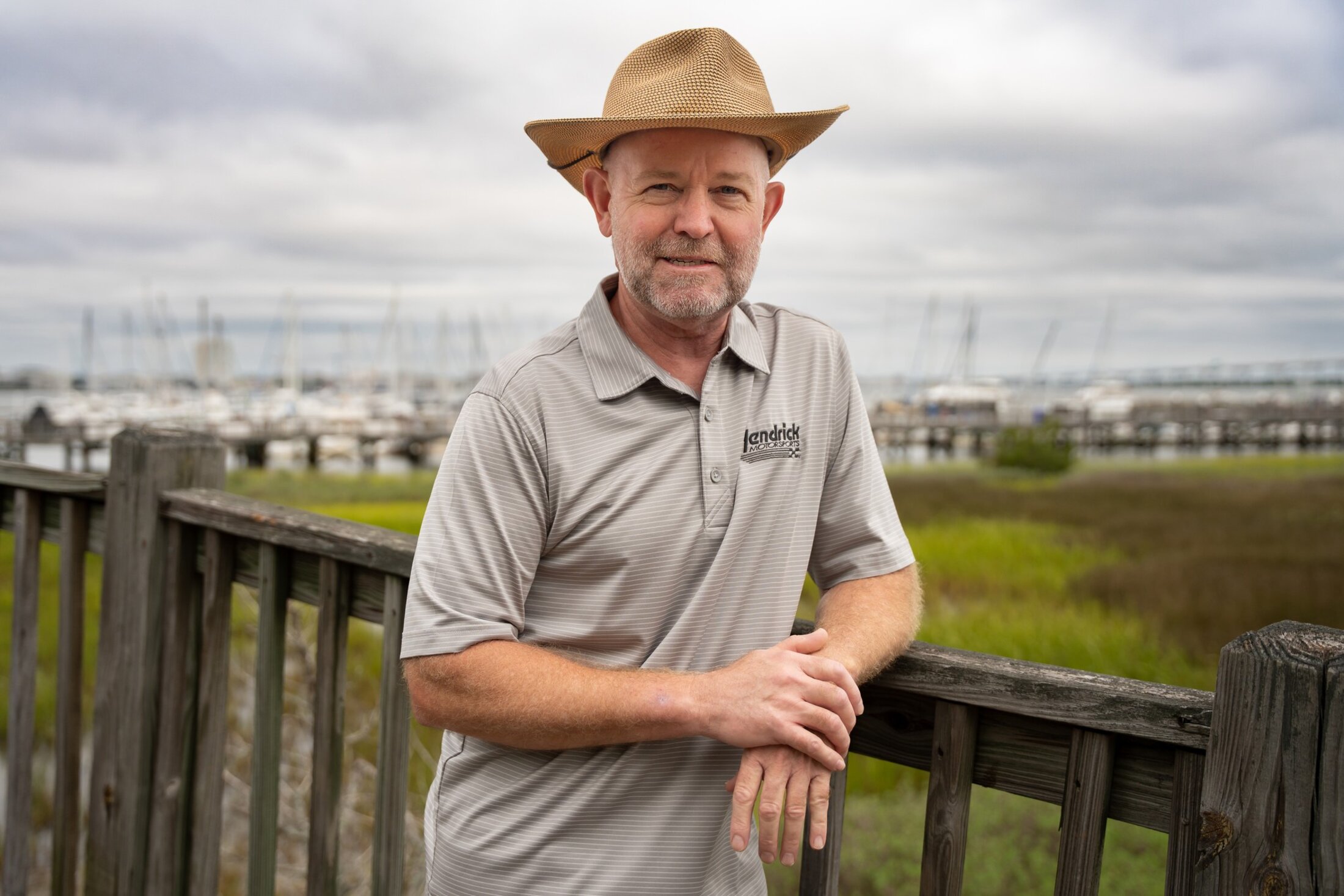
Cancer had not suddenly turned Smith into an adventurer. The retired Air Force veteran and American Airlines flight attendant, who until recently also worked in aviation operations for the NASCAR team Hendrick Motorsports, already loved hiking, skiing, traveling and other activities that kept him on the move.
But facing an aggressive form of melanoma changed how long he wanted to wait to do the things that mattered to him.
“It changes you,” Smith said of his diagnosis. “Things you might be putting off or you say you’ll do someday – there’s more of a sense of urgency to create opportunities to do those things.”
Since then, Smith has kept creating them.
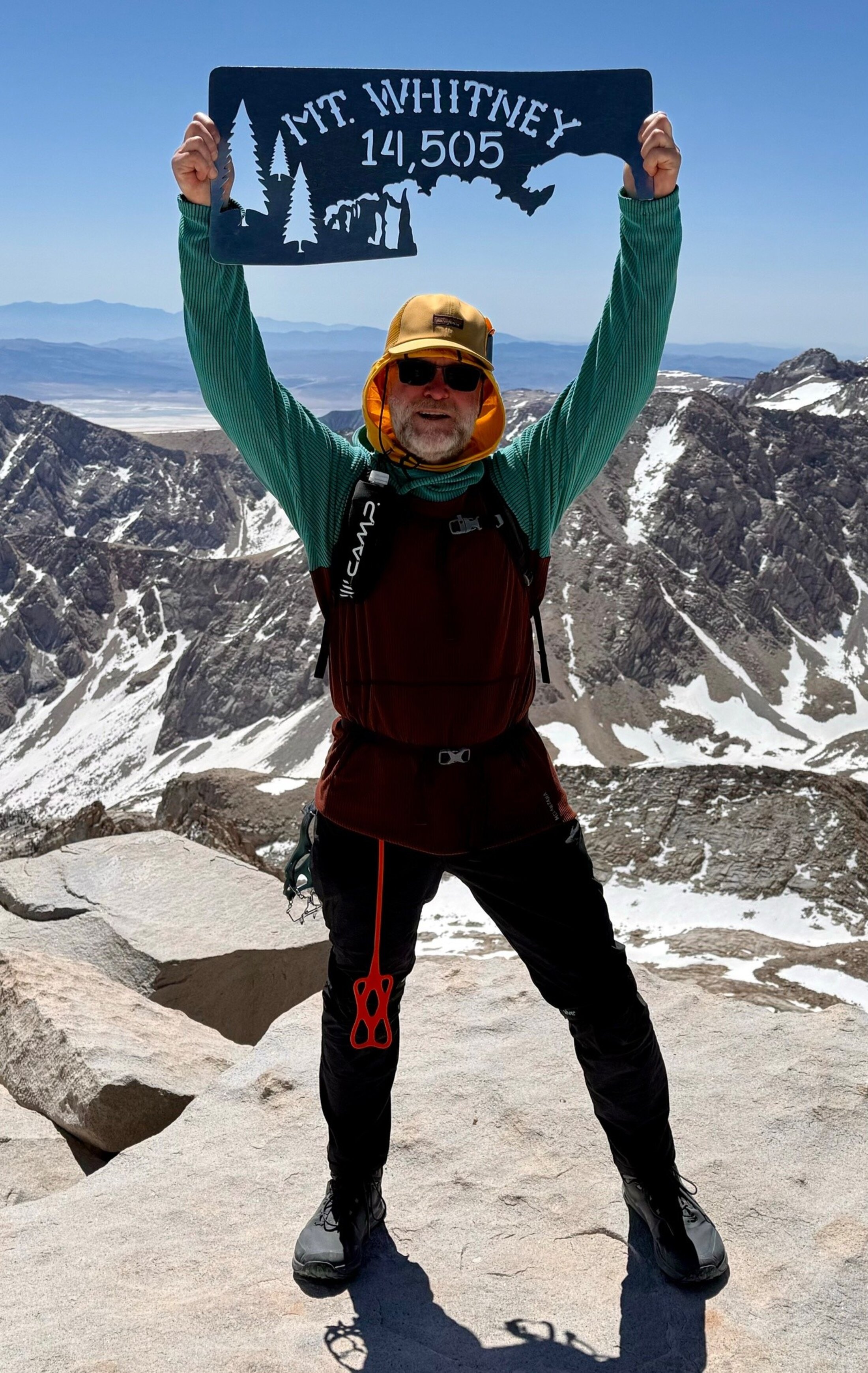
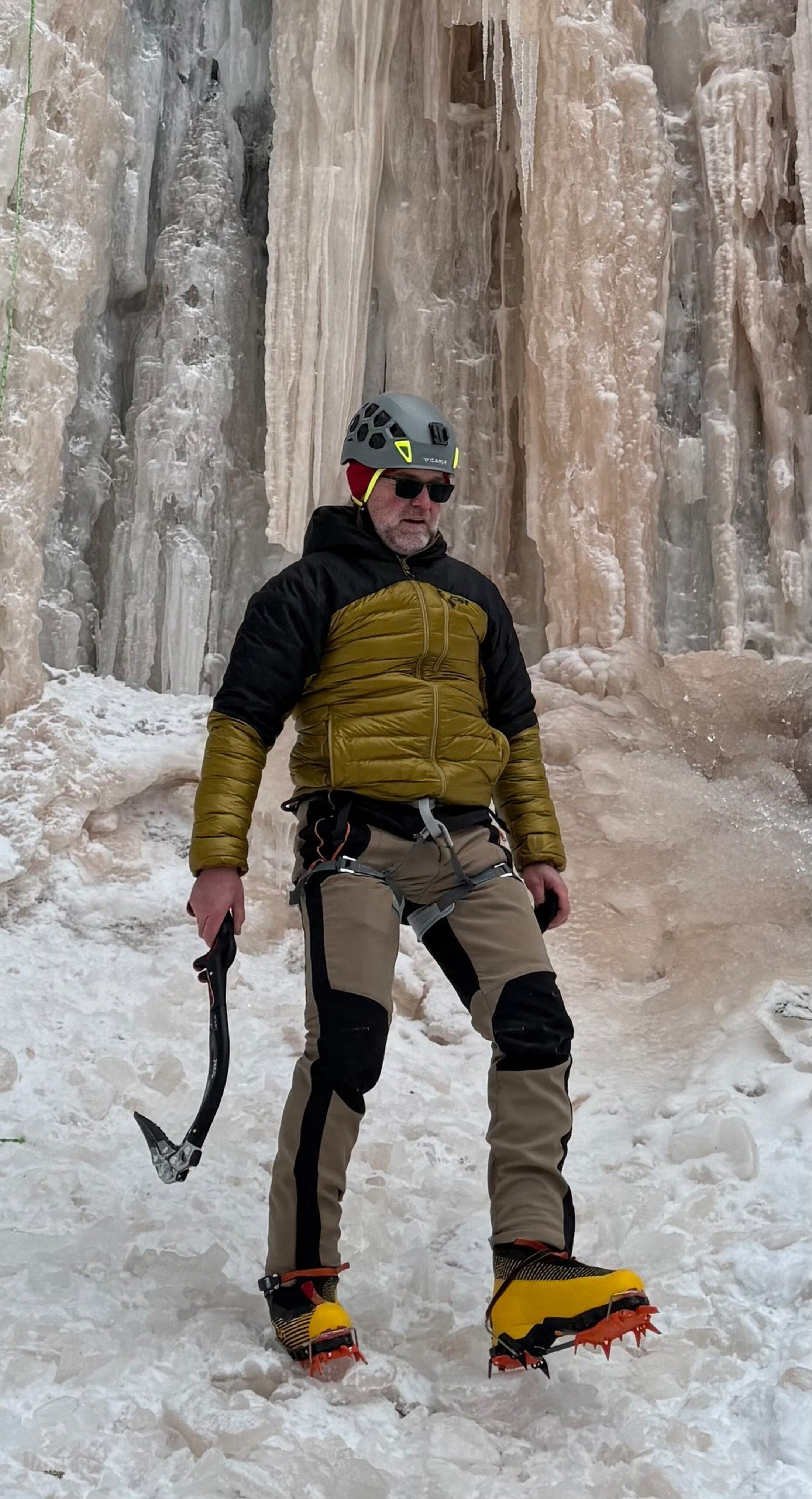
He climbed California’s Mount Whitney, the highest peak in the contiguous U.S. He took up ice climbing – a physically demanding sport that involves scaling frozen waterfalls and other ice formations. And most recently, he started sailing lessons.
But before Smith could look ahead to these and his next adventures, he had to navigate an aggressive cancer and an unfamiliar approach to treating it.
A spot that wouldn’t heal
Smith’s cancer first appeared as a persistently chapped spot on his lower lip. For months, it did not go away, and eventually, a lump developed.
A dermatologist near his home in Charlotte performed a punch biopsy to remove a small sample of tissue for testing.
The results changed everything.
She called Smith to tell him she had placed an urgent referral. After researching his diagnosis, she also contacted specialists at other academic medical centers. Within days, Smith had an appointment at MUSC Hollings Cancer Center.
There, he was diagnosed with mucosal melanoma of the lower lip.
Unlike many melanomas that develop on sun-exposed skin, mucosal melanoma arises in the moist tissues lining areas such as the mouth and nasal passage. Sun exposure is not considered a driver of this form of the disease, and its causes are not yet well understood, explained Alexandra Kejner, M.D., a head and neck surgical oncologist who treated Smith at Hollings.
Mucosal melanoma can also be aggressive.
Smith intentionally avoided researching his diagnosis on his own. He worried that information online could be outdated or not apply to his cancer. Instead, he relied on his doctors and the information they gave him.
“It’s important to trust your team, rely on your doctors and rely on the science,” he said.
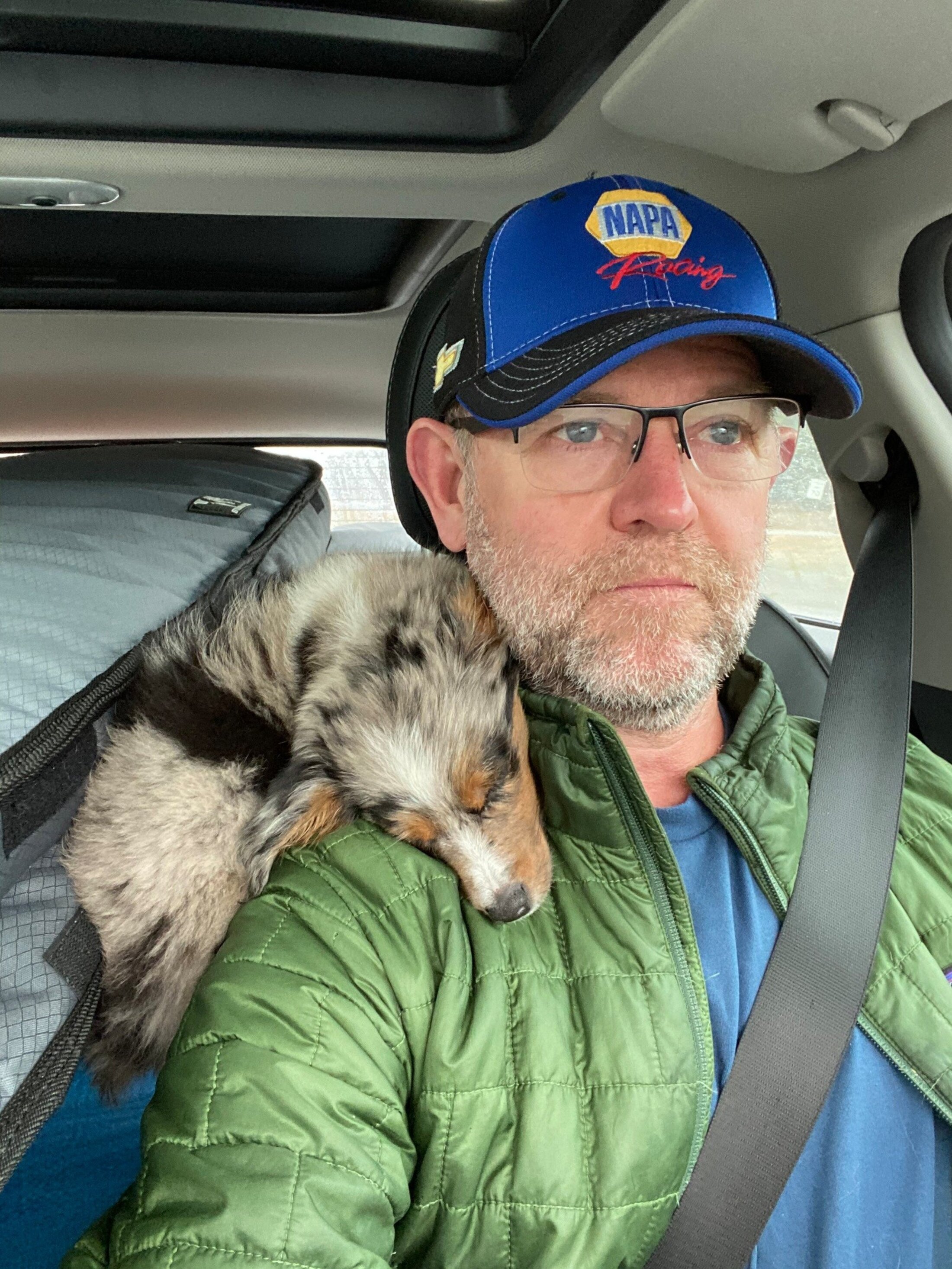
During his first visit to Hollings, he began to understand the seriousness of his diagnosis – and how many people would be involved in treating it. Within a short period, Smith was meeting back to back with specialists in head and neck surgery, oncology and reconstructive surgery.
“I wasn’t used to seeing a doctor, and all of a sudden, I was having a lot of people in the room,” he said.
Smith expected cancer treatment to be simple. In his mind, the tumor on his lip could simply be removed.
“I just wanted them to cut it out, sew it back up and be done with it,” he said.
But his doctors had another plan.
Shrinking the cancer before surgery
Removing melanoma surgically requires taking a border of healthy tissue around the tumor to reduce the chance that any cancer cells are left behind. For Smith, the location made that problematic.
The tumor sat on his lower lip. If surgeons removed a wide margin, Kejner said, Smith could potentially lose most of one side of his lower lip. Instead, his Hollings team proposed giving him immunotherapy before surgery, an approach known as neoadjuvant therapy.
Immunotherapy helps the immune system to recognize and attack cancer. Giving it before surgery can shrink a tumor and, in some patients, reduce how much tissue surgeons will need to remove.
For Smith, it meant accepting a plan that felt counterintuitive. When he first heard the word “immunotherapy,” he barely knew what it meant. The tumor was growing. He could feel it getting larger and more painful. Yet instead of immediately removing it, his doctors wanted to give the medication time to work.
Smith ultimately agreed. “We went with the immunotherapy, which was the right way to go.”
But trusting that strategy became harder before it became easier. The tumor continued growing through his first and second treatments. Smith began wearing a mask while working as a flight attendant to cover the increasingly visible area on his lip.
“I’m still wanting them to just cut it out,” he recalled. “I didn’t care what I looked like after. I just wanted it gone.”
Finally, about five weeks after starting treatment, something changed. Smith had grown accustomed to feeling the tumor getting larger from one day to the next. One morning, he woke up and realized the tumor had not grown overnight. The next day, the same thing happened. Soon, it seemed to be getting smaller.
Kejner said that response was exactly the outcome she was hoping for.
“By the time we got into surgery, I almost couldn’t even see where the tumor was,” she said.
A better outcome than expected
As Smith prepared for surgery, there were still unknowns.
Scans showed activity in lymph nodes in his neck – although that did not necessarily mean the melanoma had spread there. To be safe, his team planned to remove nearby lymph nodes along with the affected area of his lip and then reconstruct the lip.
How extensive that reconstruction would be depended on how much tissue surgeons needed to remove. One possibility involved removing a large portion of his lower lip and using tissue from his upper lip to rebuild it. Until he woke up from surgery, Smith would not know how much of his lip had been preserved.
On July 11, 2025, surgeons removed the affected area of his lip and lymph nodes from his neck. Afterward, Smith spent five days in the hospital before heading home.
Immunotherapy has really changed what we’re able to offer patients. As in this case, giving immunotherapy before surgery can sometimes allow surgeons to perform smaller operations and preserve structures that otherwise might have to be removed.
The results brought better news than expected. The immunotherapy had worked so well that there was no melanoma remaining, Kejner said. The lymph nodes were also clear.
When Smith finally looked in the mirror, he was surprised. The extensive surgery he had feared had not been necessary. And his excellent response to the immunotherapy allowed MUSC Health facial plastic and reconstructive surgeon Michelle Hwang, M.D., to perform a much more limited reconstruction of his lip.
“Immunotherapy has really changed what we’re able to offer patients,” Kejner said. “As in this case, giving immunotherapy before surgery can sometimes allow surgeons to perform smaller operations and preserve structures that otherwise might have to be removed.”
For Smith, that difference is visible every time he looks in the mirror. He can still feel some tightness, and his mouth is slightly smaller than it was before treatment. But the change is subtle enough, he said, that it is almost unnoticeable beneath his beard.
The harder recovery came from the lymph node removal.
Smith experienced tightness, numbness and weakness in his left arm and hand, which he addressed through physical therapy. Kejner said those side effects can occur because surgeons must work through muscles and around nerves to reach lymph nodes in the neck, and removing them can also disrupt normal drainage and cause swelling.
Smith came away from treatment with a different understanding of healthcare. He had initially told very few people about his diagnosis, which meant that during some of the most uncertain weeks, his Hollings team became an important source of support. He had expected cancer care to feel clinical and methodical. Instead, he was struck by how personally invested the whole Hollings team seemed.
“I was not prepared for what appeared to be a genuine level of concern,” he said. “My doctors were my support network.”
Back on the trail
Over time, Smith has continued to improve. And he did not wait long to see what his recovering body could do.
Seven weeks after surgery, he was still facing physical limitations. But when he noticed that unusually empty stretch on his calendar, he began to wonder what he could do.
That is when the Camino de Santiago came to mind.
On Sept. 11, exactly two months after surgery, Smith began walking the Camino Francés.
That trip became the first of several new adventures Smith has taken on since treatment. In January, he tried ice climbing for the first time. In the past, when a friend talked about ice climbing, Smith’s reaction had been: “No way will I ever do that.” Now, he is doing it himself.
Then, in June, he climbed Mount Whitney after months of preparing for his first high-altitude climb. And now, sailing is his latest pursuit, with Smith taking lessons to learn a new way to explore.
It is not that Smith suddenly believes that every day needs to be an extreme adventure. Rather, he said cancer brought new light to something he already understood.
Years earlier, he had lost an Air Force colleague to colorectal cancer in his 40s. Over time, he saw other friends and coworkers die younger than expected. Those experiences had already made Smith think about prioritizing relationships and experiences rather than putting them off. Facing cancer made that lesson harder to ignore.
Today, Smith continues to be closely monitored at Hollings. But he is also looking ahead – to more places to go, new things to try and experiences he no longer wants to wait for.
“It really ups the urgency to live life when you deal with something like this,” he said.
Hayley Kamin
Communications Manager
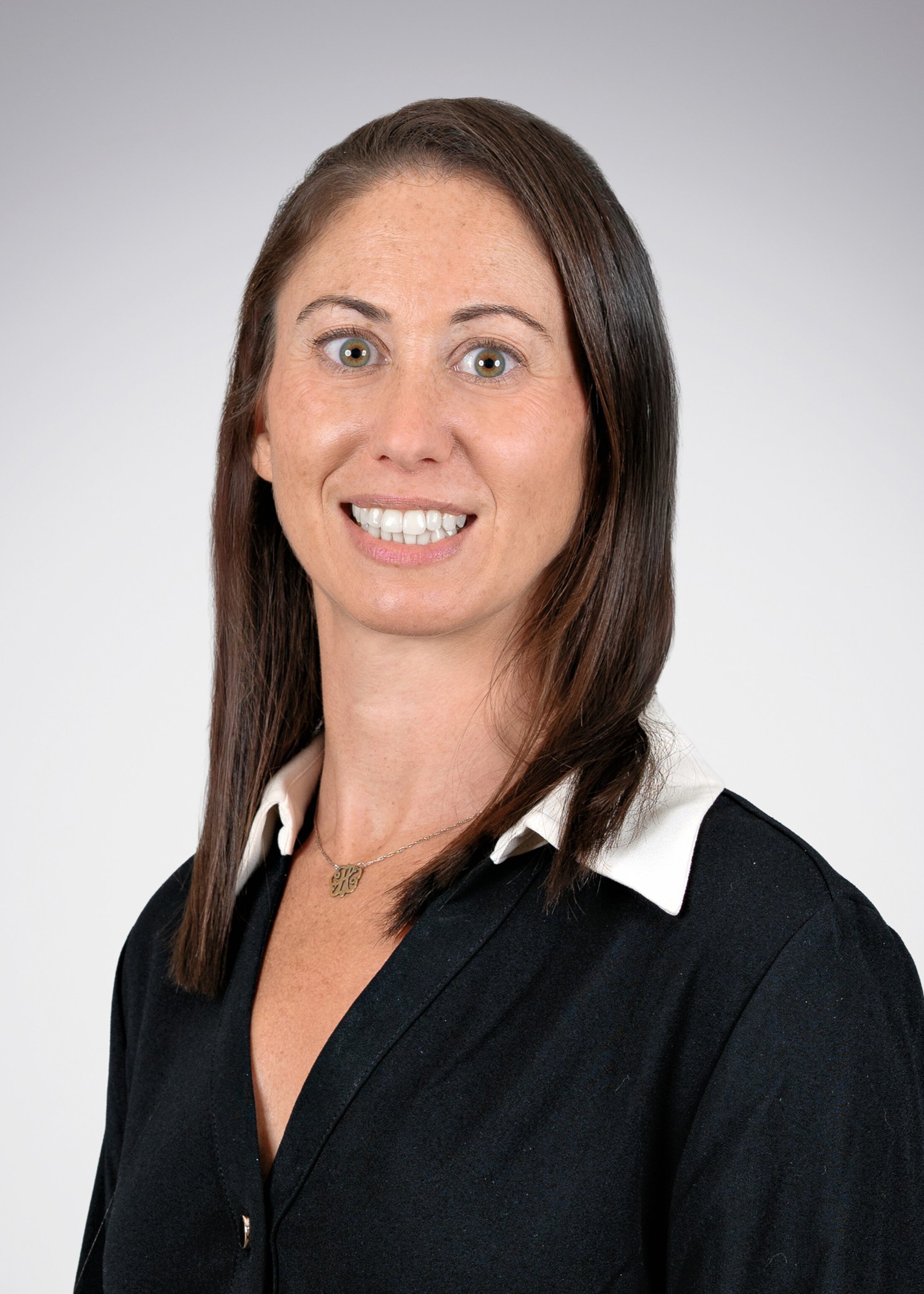
Hayley Kamin is the communications manager for the Hollings Cancer Center Communications and Marketing team, having joined the team in 2025 after three years as a communications specialist at the National Institutes of Health (NIH). As a science communicator with a Ph.D. from the University of Florida, she has extensive experience translating complex research into clear, engaging content. Her career has included roles at the NIH’s National Institute of Mental Health and the American Psychological Association, where she led content development and editorial strategy, developed science and health communications and worked with researchers and clinicians to strengthen public understanding of research.
Contact Hayley at kamin@musc.edu.
Recent Cancer Patient Journeys stories