A week after celebrating her youngest daughter’s first birthday, Devin Barnett noticed a lump in her breast. She was breastfeeding, and the lump felt like clogged milk ducts she had gotten before. So she kept nursing and waited for the lump to disappear.
But it didn’t.
When Barnett later noticed blood while expressing milk, she made an appointment with her OB-GYN. Her doctor also suspected a clogged duct but recommended an ultrasound and mammogram to make sure.
That brought Barnett to somewhere she knew well: MUSC Hollings Cancer Center.
Before leaving MUSC to stay home with her daughters, Barnett had worked as a program coordinator for breast cancer clinical trials. She had walked the mammography halls countless times – just never as a patient.
Even then, Barnett was not expecting the answer to be cancer. Because her mother had been diagnosed with breast cancer at 49, Barnett had already planned to start mammograms early. So at 32, she simply thought she was getting her first one a few years ahead of schedule.
Instead, Barnett’s mammogram and ultrasound showed a highly suspicious mass. Several lymph nodes under her arm also looked abnormal. A biopsy confirmed cancer in both the breast and lymph nodes. Within weeks, what seemed like a routine breastfeeding problem would turn out to be something much more urgent: stage 4 breast cancer.
“When you hear you have cancer, the floor falls out from under you,” Barnett said. “The things that run through your mind – ‘Oh my gosh, my babies, my children, my husband.’”
She called her husband, Peter, from the car after receiving the diagnosis. His response was simple: They would take it one step at a time. That approach would come to define the months ahead.
A treatment option worth pursuing
The next step was determining exactly what type of breast cancer Barnett was facing.
Testing showed her cancer was estrogen receptor-negative and progesterone receptor-negative. That meant treatments that block the hormones estrogen and progesterone would not be effective. But her cancer had high levels of another protein called HER2. HER2-positive breast cancers can grow quickly, but medicines targeting the protein can be highly effective for many patients.
When you hear you have cancer, the floor falls out from under you. The things that run through your mind – ‘Oh my gosh, my babies, my children, my husband.’
Then came the staging scans. They showed that the cancer was not limited to Barnett’s breast and nearby lymph nodes. It had also reached lymph nodes above her collarbone and in the center of her chest. Because of where those lymph nodes were located, Barnett’s cancer was classified as stage 4. However, she had what doctors call oligometastatic disease, meaning the cancer had spread to a limited number of areas.
Now the plan shifted from eliminating the cancer to keeping it from spreading further.
Medical oncologist Abirami Sivapiragasam, M.D., known as Abi Siva to her patients, saw a potential opening: Because Barnett’s cancer was strongly HER2-positive, her team could target the protein driving its growth.
Barnett and Siva hoped to use a HER2-targeted treatment called Enhertu that research suggested could be very effective. Her insurer initially denied coverage, however, because the drug was not yet commonly used for stage 4 disease.
While Barnett started chemotherapy with another drug called Taxol, her husband took on the insurance fight. He contacted the company repeatedly and pushed back. About a month later, the insurer agreed to cover the treatment. Barnett switched to the HER2-targeted drug, and her cancer began responding remarkably well.
“Bless my husband, because he’s absolutely amazing,” Barnett said. “He got in contact with the insurance company and went back and forth with them until they approved what would turn out to be a treatment I needed.”
Getting through treatment was challenging, particularly because of severe nausea. Barnett’s care team worked with her to find a combination of medications that helped her to get through the day.
And at home, her family stepped in.
Her husband accompanied her to every treatment. Her mother drove from Greenville for each chemotherapy cycle to care for her granddaughters. Friends organized meals on days when Barnett did not have the energy to cook or could not stomach being around food.
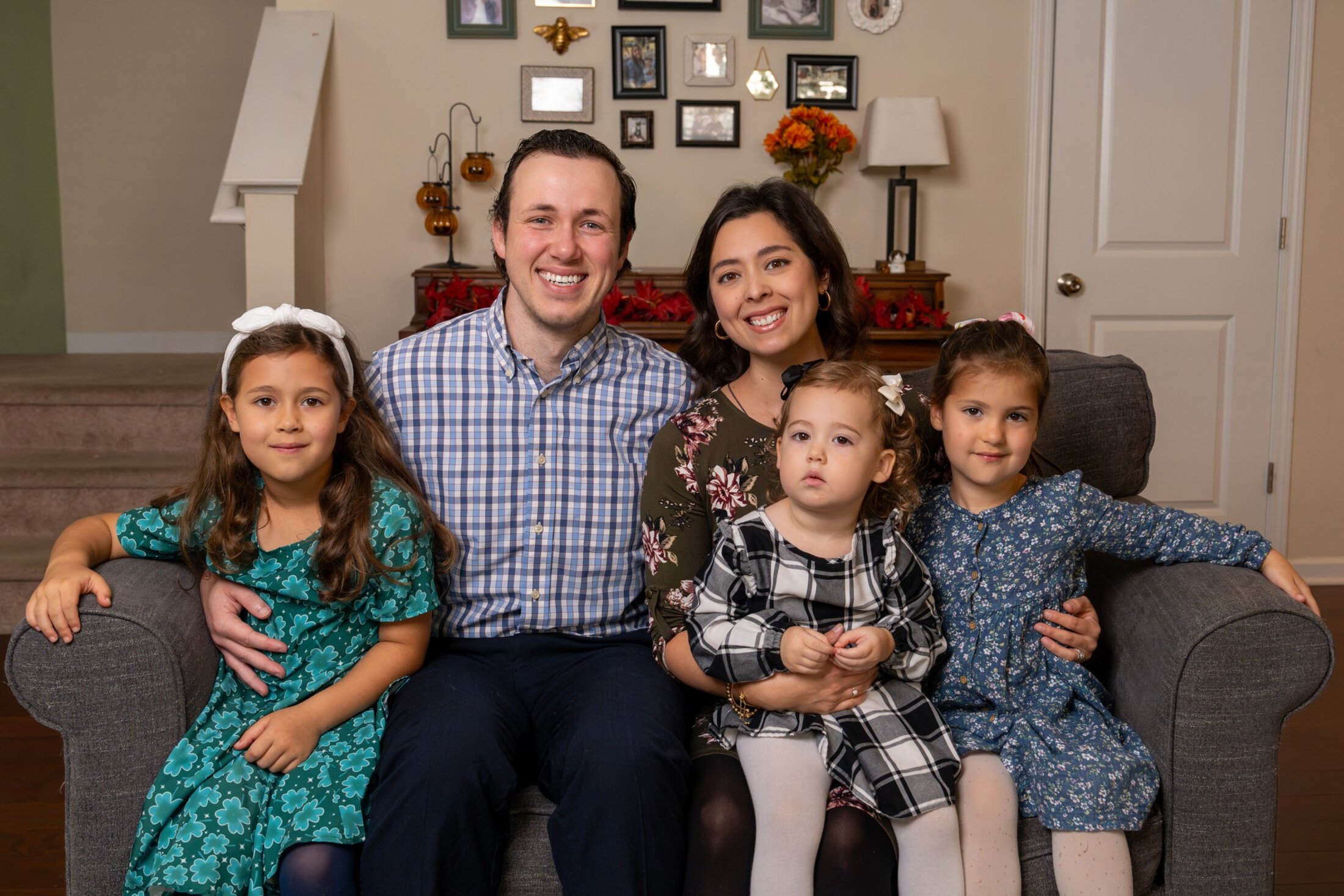
Through it all, Barnett tried to shield her young daughters – now 6, 4 and 2 – from as much as possible. She told them simply that part of her body was not growing the way it should, and that she needed to take medicine that would make the lump smaller before doctors could take it out.
Her mother’s visits provided a welcome distraction. For the girls, their grandmother’s arrival every few weeks became something to look forward to.
“When Gigi’s in town, I’m chopped liver, and so is my husband,” Barnett joked.
Meanwhile, the medication was doing more than Barnett and her doctors had dared to hope.
An opportunity to do more
Barnett’s first follow-up scans showed that the cancer had shrunk considerably. Then it continued to disappear. By the end of her initial systemic treatment, there was no cancer detectable on her scans – what doctors call a complete radiographic response.
The result prompted Barnett’s Hollings team to ask – could they do more?
Although Barnett had stage 4 disease, her cancer had spread only to lymph nodes rather than to multiple distant organs. Stage 4 breast cancer is generally considered incurable, and treatment focuses on helping patients to live longer while maintaining their quality of life. But given the limited areas of spread and the strength of her response, Siva discussed treating Barnett with curative intent.
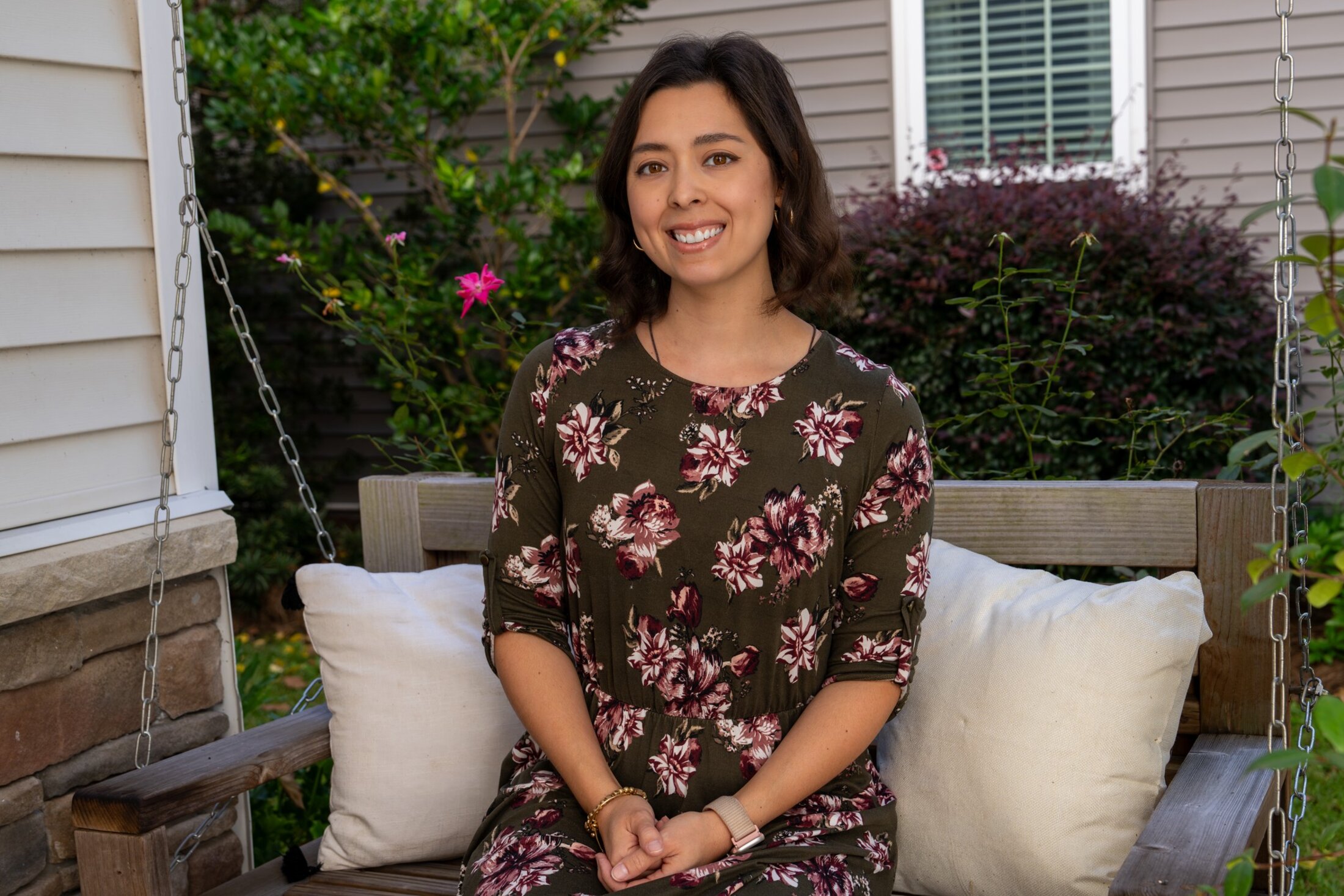
Siva brought the case to the Hollings breast cancer tumor board, a multidisciplinary team of specialists who work together to develop the best treatment path for each patient. Her colleagues on the tumor board include surgical oncologist Andrea Abbott, M.D., and radiation oncologist Jennifer Harper, M.D.
They considered whether they could build on what the drug therapy had already accomplished. There were no guarantees. Barnett recalled discussing with Siva the limited data showing how effective an intensive approach would be for someone in her situation. But considering her young age, where the cancer had spread and how well it had already responded, the team decided to move forward.
Abbott performed a bilateral mastectomy and removed lymph nodes from Barnett’s underarm. The pathology brought encouraging news: No cancer cells were found in the breast tissue or lymph nodes removed during surgery.
Barnett then received radiation to the chest wall and lymph node areas where cancer had been detected. The treatment required careful planning because some of the affected lymph nodes were deep in Barnett’s chest, near her esophagus.
Harper was cautious about exposing the esophagus to radiation because of how it might affect Barnett’s ability to swallow. Fortunately, that concern never became a problem. Barnett did develop some skin irritation, similar to a severe sunburn, from the radiation, but it gradually healed. Today, she said, her skin has largely returned to normal.
For Barnett, the treatment path was far different from what she had imagined when she was first diagnosed. But it came about, in part, because her team continued reassessing what they could do next. They were committed to doing what was truly best for her rather than following what was considered standard of care.
Seeing Hollings from the other side
There was another unusual layer to Barnett’s experience. Some of the physicians treating her were people she had known professionally. For instance, Barnett had worked with Abbott and Harper on clinical trials. She had been in the room with women facing breast cancer and watched patients move through treatment.
“It’s interesting to see the other side of that after having been in the room with countless women going through their own diagnoses,” she said.
Her medical background made her familiar with the language of cancer care, but it did not make her own diagnosis easier to absorb. In fact, she said she struggled to process the flood of information coming at her. Instead, her husband often did the research, looking into treatments and statistics and holding onto information until she was ready for it.
Having someone there who can look at all that for you and then keep it for when you’re ready to process it yourself – that was extremely helpful.
That experience now shapes the advice she gives to someone newly diagnosed: Bring someone to appointments. Have them take notes. Let them listen when you cannot.
“Having someone there who can look at all that for you and then keep it for when you’re ready to process it yourself – that was extremely helpful,” she said.
Eventually, even treatment developed a rhythm. Barnett crocheted during appointments. She and her husband joked together. What initially felt overwhelming became something they learned to navigate.
Barnett continues to receive HER2-targeted therapy and will complete a year of treatment in November. Afterward, Siva will monitor her closely with regular scans and blood tests that look for signs of cancer in the bloodstream. So far, those blood tests have been negative.
The results give Barnett reasons to feel hopeful. But she is careful about calling herself cancer-free. With a stage 4 diagnosis, she said, there is not necessarily a clear finish line – a moment when she can know for certain that cancer is behind her.
“There’s always a little bit of, ‘Oh, what if it comes back?’” she said.
A year ago, that uncertainty sometimes took Barnett to dark places. Now, as more time passes without evidence of cancer, she said it has become easier to believe that the treatment may have accomplished what once seemed difficult to imagine.
And she keeps moving forward with her husband and three daughters, the same way they started: one step at a time.
Featured in this story
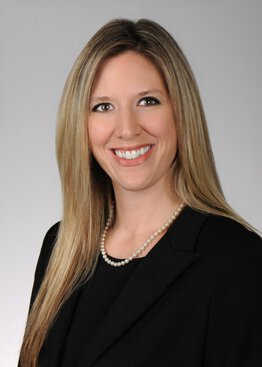
Andrea Abbott, M.D., MSCR
Andrea M. Abbott, M.D., MSCR is a board-certified surgical oncologist who specializes in the treatment of breast cancer, melanoma and non-melanoma skin cancer, and soft tissue sarcoma. Her clinical interests are breast cancer, breast cancer during pregnancy, Hidden Scar surgery, skin and nipple-sparing mastectomy, breast conserving surgery, melanoma and non-melanoma skin cancer, minimally invasive lymph node dissection, retroperitoneal sarcoma, and extremity soft tissue tumors.
Dr. Abbott obtained her medical degree from the University of Missouri-Kansas City and completed her general surgery residency at the University of Minnesota. She also obtained a Master's degree in clinical research during her residency from the University of Minnesota. She completed her surgical oncology fellowship at Moffitt Cancer Center in Tampa, Florida.
In addition to her surgical practice, Dr. Abbott is involved in clinical research and evaluating ways to improve information delivery to patients in order to enhance the patient-physician relationship and decision-making process. She is also working on ways to reduce opioid addiction after cancer surgery. She is Hidden Scar certified and uses this approach to improve cosmetic outcomes after breast cancer surgery without compromising cancer care. She is committed to finding a way for each patient to receive the best possible cancer care while honoring each patient's individual wishes and goals for his or her care.
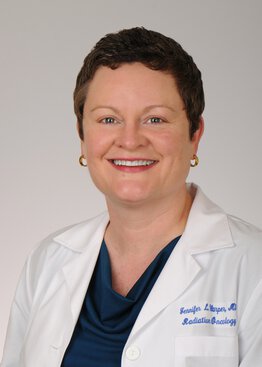
Jennifer Harper, M.D.
Dr. Jennifer Harper is a radiation oncologist, certified by the American Board of Radiology. Her primary focus is in the treatment of breast cancer, sarcoma, and head and neck cancer. She also is credentialed in the use of Gamma Knife radiosurgery, with interests in its application for the treatment of brain metastasis. In the field of breast cancer, Dr. Harper has published extensively on the topic of accelerated partial breast irradiation.
In 2016, she developed a group wellness program, in collaboration with the MUSC Wellness Center, for breast cancer survivors. This ongoing program, known as the Survivors' Fit Club, seeks to facilitate the healing of mind body and spirit following breast cancer treatment.
Dr. Harper is also a passionate medical educator. Her teaching efforts have been recognized with an award by the Association of Residents in Radiation Oncology. She has also received an MUSC Faculty Excellence in Teaching Award following nomination by medical students. She is also the Physician Representative for the Medical Physic Residency Program. She serves as the Department of Radiation Oncology's Quality Assurance (QA) Medical Director and has incorporated QA and medical education instruction into the residency curriculum.
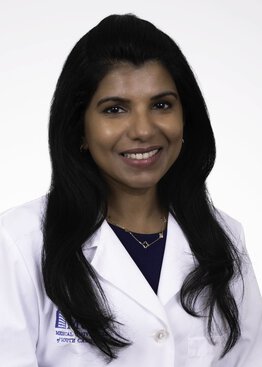
Abirami (Abi) Sivapiragasam, M.D.
Dr. Abirami Sivapiragasam (Abi Siva) is an Associate Professor of Medicine and a board-certified medical oncologist at MUSC Hollings Cancer Center, with more than a decade of clinical and academic experience. She specializes in the care of patients with breast cancer and serves as the Director of Medical Oncology. In this role, she focuses on strengthening clinical programs, expanding access to innovative therapies, and building collaborative models of care that improve outcomes across South Carolina and beyond.
Dr. Sivapiragasam is equally committed to education and mentorship. As Program Director of the Hematology and Oncology Fellowship Program, she is dedicated to training the next generation of oncologists. She has developed structured mentorship and research initiatives designed to support fellows in building strong clinical skills, pursuing meaningful scholarship, and growing into thoughtful, patient-centered leaders in oncology.
A passionate clinician-scientist, Dr. Sivapiragasam serves as principal investigator on multiple clinical trials and leads the Breast Cancer Clinical Research Group at MUSC. Her research focuses on designing pragmatic clinical trials that can be seamlessly integrated into everyday practice. She is particularly interested in right-sizing therapy through de-escalation strategies that reduce toxicity while maintaining efficacy, as well as biomarker-driven approaches that personalize treatment decisions.
She collaborates closely with translational scientists to advance innovative therapeutic concepts from bench to bedside, with the goal of accelerating access to cutting-edge treatments for patients. Through her clinical leadership, research efforts, and dedication to education, Dr. Sivapiragasam remains deeply committed to improving breast cancer care and advancing the field of oncology.
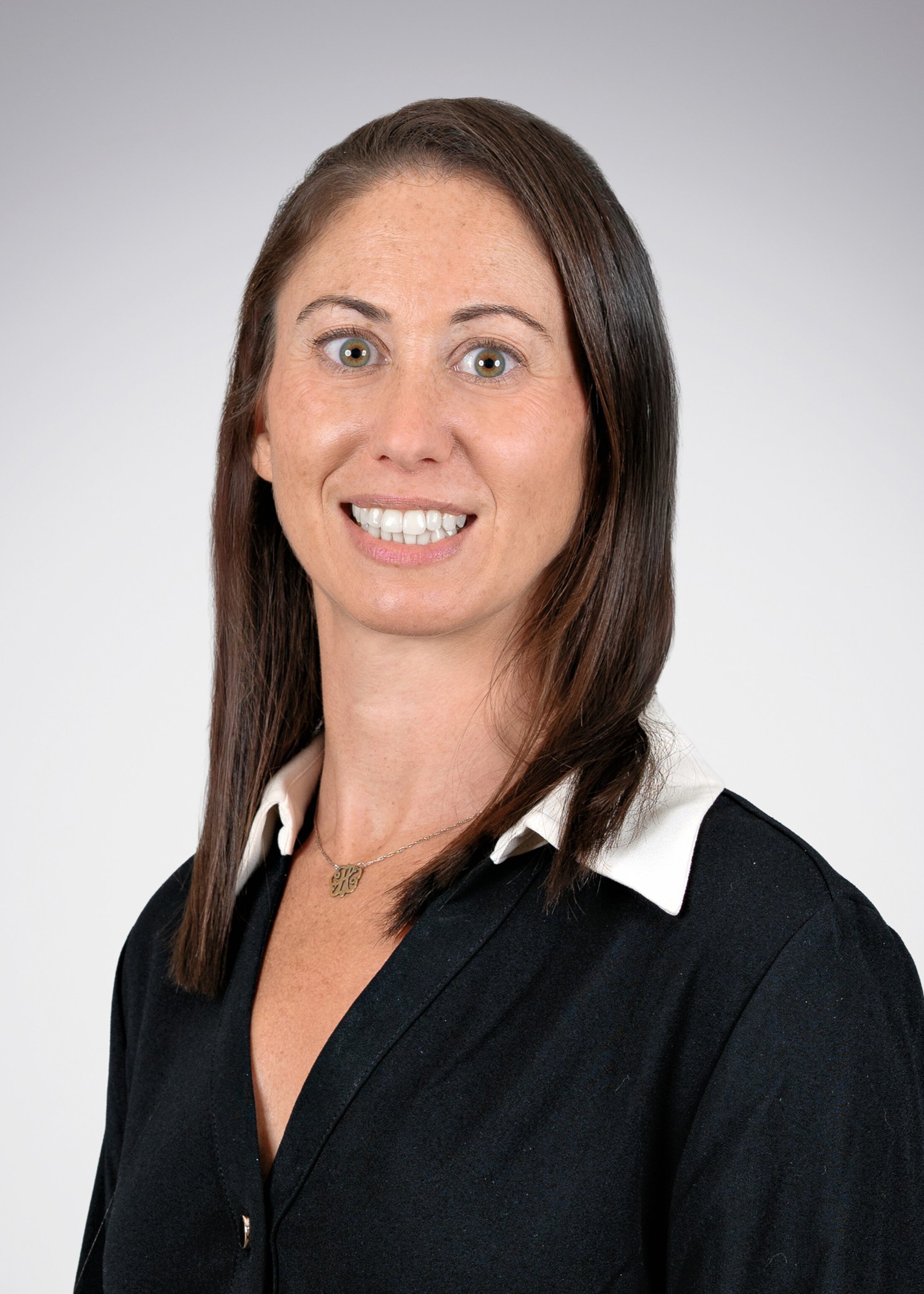
Hayley Kamin
Communications Manager
Hayley Kamin is the communications manager for the Hollings Cancer Center Communications and Marketing team, having joined the team in 2025 after three years as a communications specialist at the National Institutes of Health (NIH). As a science communicator with a Ph.D. from the University of Florida, she has extensive experience translating complex research into clear, engaging content. Her career has included roles at the NIH’s National Institute of Mental Health and the American Psychological Association, where she led content development and editorial strategy, developed science and health communications and worked with researchers and clinicians to strengthen public understanding of research.
Contact Hayley at kamin@musc.edu.