Pilot Funding

SCOR Award

The Survivorship and Cancer Outcomes Research (SCOR) Award funds research that investigates important issues faced by cancer survivors and their caregivers. Through this pilot award, investigators will generate the critical preliminary data required to submit a competitive extramural research proposal.

Potential topics include but are not limited to:

  • Acute, long-term, and late effects of cancer treatment.
  • Health care delivery for cancer survivors.
  • Financial impact of cancer and its treatment.
  • Health promotion and health behavior among cancer survivors.

Research investigating novel methods or measurement relevant to any of the aforementioned topics is encouraged. Research may be basic, translational, and/or clinical in nature. Hollings anticipates distributing one award per year of up to $50,000.

Award Timeline

  • RFA announced on Nov. 3, 2025.
  • If biostatistics assistance is needed, please submit a request as soon as possible, but no later than June 14, 2026.
  • Full applications are due by 11:59 p.m. on July 27, 2026.
  • Funding will begin on Nov. 1, 2026.

SCOR Award Application

Applications are due by 11:59 p.m. on July 27, 2026.

Learn More & Apply

2025 SCOR Awardees

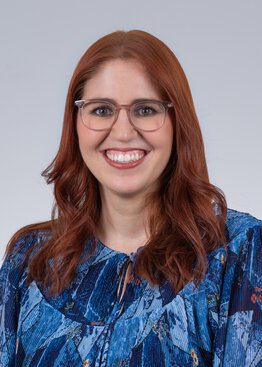
Amanda Kastrinos, Ph.D.
Assistant Professor, Public Health Sciences

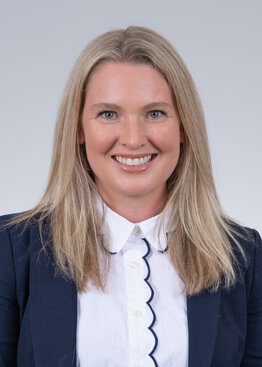
Kelly Hyland, Ph.D.
Assistant Professor, Psychiatry and Behavioral Sciences

Project: Characterizing dyadic communication challenges and support needs in young adults caring for a parent with metastatic cancer

Summary: Half of cancer caregivers in the U.S. are young adults (YA) (age 18-35) caring for a parent with cancer. YA child caregivers experience distressing emotional, social, and financial burdens given their place in the lifespan, including a significant shift in family roles. Caregiving for a parent with metastatic cancer (e.g., metavivor) is further complicated by significant uncertainty and variability in prognosis, goals of care, and caregiving needs over time.

Open communication within the survivor-caregiver dyad is associated with better physical and psychological outcomes for both parties. However, YA child caregivers and metavivor parents face unique communication challenges, such as parents withholding medical information to shield children from distress and children withdrawing from their parent as a strategy to cope. These communication patterns can increase anxiety, uncertainty, and distress in the dyad.

This study will characterize communication challenges and support needs in the YA child caregiver-parent metavivor dyad to inform the development of a dyadic behavioral intervention specifically tailored to this unit and their needs. Metavivors and caregivers will participate in in-depth interviews and complete an online questionnaire. Findings will provide critical pilot data to inform the development of a tailored dyadic intervention to improve dyadic communication and quality of life.


Hollings Amanda’s Research Award for Adolescent and Young Adult Cancer Survivors

An estimated 84,100 adolescents and young adults between the ages of 15 to 39 were diagnosed with cancer in the United States in 2024. Adolescent and Young Adult (AYA) cancer is any cancer that affects a person age 15 to 39 at the time of diagnosis.

The purpose of Amanda’s Research Award is to stimulate and support research investigating and addressing the medical, psychological, and lifestyle challenges faced by the growing population of AYA cancer patients and survivors. Research proposals must be centered on a significant aspect of these challenges. Potential topics include but are not limited to:

  • Oncofertility and sexual health.
  • Mental health.
  • Pain management.
  • Cardiotoxicity.
  • Supportive and palliative care.
  • Care coordination.
  • Return to work.
  • Financial toxicity.
  • Health promotion and cancer prevention (e.g., physical activity, healthy eating, vaccination).

Applications are not being accepted at this time.

2024 & 2025 Amanda’s Research Awardee

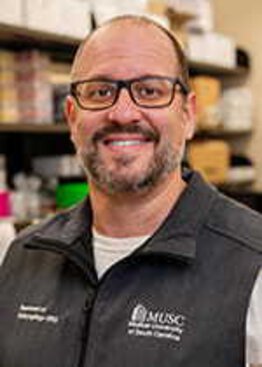
Dr. Brent Wilkerson's research will focus on hearing loss caused by chemotherapy. Cisplatin chemotherapy is associated with hearing loss and/or tinnitus in 40-50% of patients. To increase understanding of the pathophysiological changes in the inner ear leading to hearing loss after cisplatin exposure, the proposed research studies the relationship of hearing loss to DNA damage and changes in gene expression in the mouse cochlea after cisplatin treatment.

Brent Wilkerson, Ph.D.

Assistant Professor, Otolaryngology - Head & Neck Surgery

Dr. Wilkerson's research will focus on hearing loss caused by chemotherapy. Cisplatin chemotherapy is associated with hearing loss and/or tinnitus in 40-50% of patients. To increase understanding of the pathophysiological changes in the inner ear leading to hearing loss after cisplatin exposure, the proposed research studies the relationship of hearing loss to DNA damage and changes in gene expression in the mouse cochlea after cisplatin treatment.