
Barrett Willis, PA-C
Specialties
- Orthopaedic Oncology
- Sarcoma Cancer
Locations (2)
- Charleston, SC
- West Ashley, SC


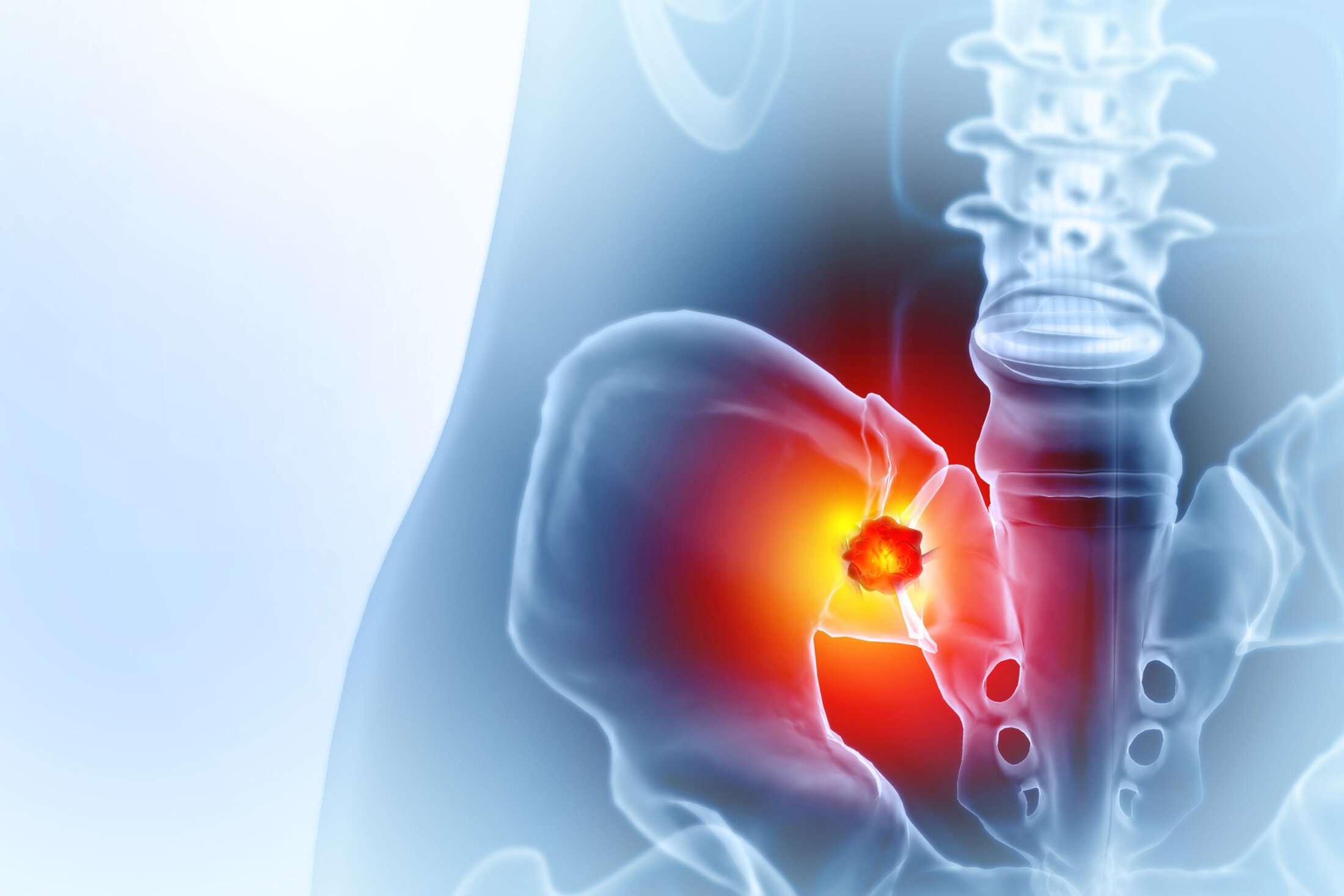
Metastatic disease to the bone means that cancer has spread from its original site to the bone. This is becoming increasingly common as more people are surviving longer with cancer.
About 8% of all cancer patients will experience this type of metastasis. It is also called osseous metastatic disease, bone metastasis, or sometimes just “bone mets.” Bone metastasis should be treated by a multidisciplinary team that works together to address pain, potential injury, and quality of life.
MUSC Hollings Cancer Center offers a multidisciplinary Metastatic Disease to Bone Clinic that is open to patients with any type of cancer.
Cancer specialists at the clinic include orthopaedic surgical oncologists, orthopaedic and neurosurgery spine surgeons, radiation oncologists, medical oncologists, nuclear medicine specialists, interventional radiologists, and anesthesiologists who focus on pain management.
This group works together to develop an individualized approach for each patient. Team members have two equally important goals: 1) detect and treat cancer-related pain, and 2) prioritize treatment of the original cancer so the patient can have the best possible outcome.
Call 843-792-9300 to make an appointment with the Multidisciplinary Metastatic Disease to Bone Clinic. No referral is needed. Telehealth options are available for initial consultation.
Call 843-985-3973 to refer a patient to the Metastatic Disease to Bone Clinic.
Almost any type of cancer could metastasize, or spread, to the bone. But there are some cancers where it’s more likely. About 70% of patients who have metastatic breast or prostate cancer will experience bone metastasis.
Cancers that are more likely to spread to the bone include:
We see patients in downtown Charleston and West Ashley. Virtual appointments are also available for initial consultations.
Bone metastasis is the most common cause of cancer-related pain. Bone metastasis can also lead to skeletal-related events (SREs). Common skeletal-related events include:
Some of these SREs, like factures and immobility, can lead to additional health problems, like blood clots or pneumonia. These conditions, in turn, affect the cancer treatment, so finding and treating bone metastases as soon as possible is an important part of cancer care.
Studies have shown that receiving treatment from a multidisciplinary team not only reduces these complications but can also add valuable time to a patient’s life.
The goal of the Multidisciplinary Metastatic Disease to Bone Clinic is to enhance the detection and treatment of bone metastases to improve both survival and quality of life for people during their cancer journey.
Our team partners with each patient to choose the best treatment. Early clinic visits when bone metastasis is suspected or diagnosed can help prevent SREs and related complications.
Surgical options include adding plates or screws to secure the bone or removing the part of the bone with metastasis and replacing it with an implant. Surgery before the metastasis gets to the point of causing broken bones is usually more successful than surgery after the bone is broken. For this reason, it’s important to have a team that is monitoring the metastases and actively developing treatment plans.
Radiation therapy directs high-energy X-rays toward the tumor to kill the cancer cells and spare healthy tissue.
There are several medications that can improve bone health or protect against fractures. These medications must be thoughtfully prescribed. They can help some patients, depending on the individual’s health history, but may be harmful in some situations. These medications might be given as injections or as infusions.
Radiopharmaceuticals are drugs that contain a radioactive substance. These drugs are usually given by injection or infusion. The radioactive substance travels to the bone metastases and lodges there. The radiation from this substance doesn’t travel very far, so it can kill the nearby tumor cells without affecting healthy tissue farther away.
Radiopharmaceuticals are overseen by doctors who are nuclear medicine specialists. There aren’t many of these types of drugs available now, but there is a lot of research happening in this field to find more treatment options.
Ablation means destroying abnormal tissue. Thermal ablation means using extreme heat or cold to destroy the abnormal tissue.
Radiofrequency ablation uses radiowaves to create heat that targets the bone metastasis and nerve endings that are transmitting pain signals.
Cyrotherapy uses cold to freeze and kill the tumor cells and disrupt the pain signals from the nerves.
Ablation is usually performed by an interventional radiologist.
Cementoplasty is a procedure in which a doctor injects a special bone cement into the bone. This might be done in weakened bone to prevent breaks. Or it might be done after another procedure, like thermal ablation.
Nerve blocks and stimulators can help with the pain caused by bone metastases. Nerve blocks help by blocking nerves in the area of the metastasis from sending signals. Stimulators send out electrical signals and help to ease the sensation of pain.